Hanamaki Hot Spring, Iwate Prefecture Complete Guide|Thorough Explanation from History and Spring Quality to Access and All 12 Hanamaki Hot Springs
Hanamaki Hot Spring, located in Hanamaki City, Iwate Prefecture, has long been loved as a representative hot spring destination in the Tohoku region. Since its opening in 1922 (Taisho 11), it has been cherished by literary figures such as Kenji Miyazawa and Kotaro Takamura, and today has developed into a major hot spring resort area known as the Hanamaki Hot Spring Region, boasting 12 unique hot spring destinations.
This article provides comprehensive information you should know before visiting Hanamaki Hot Spring, from its history, spring quality, efficacy, access methods, the characteristics of the 12 Hanamaki hot springs in the surrounding area, to recommended ways to spend your time.
What is Hanamaki Hot Spring|Iwate Prefecture’s Representative Hot Spring Resort
Hanamaki Hot Spring is a hot spring destination spread along the Toyosawa River, approximately 8 kilometers west of the center of Hanamaki City in Iwate Prefecture. Positioned as the gateway to the Hanamaki Hot Spring Region, it enjoys excellent access from Shin-Hanamaki Station on the Tohoku Shinkansen and Hanamaki Airport, attracting many visitors from within and outside the prefecture.
The hot spring town features landscaped rows of cherry blossoms and pine trees, characterized by a bright and open atmosphere. Especially in spring, the cherry blossoms bloom magnificently, further enhancing its elegance. Additionally, the Hanamaki Hot Spring Rose Garden, which can be said to be the symbol of Hanamaki Hot Spring, is a popular spot where flowers of all seasons can be enjoyed.
History of Hanamaki Hot Spring
The history of Hanamaki Hot Spring dates back to 1922 (Taisho 11). Initially, it started by drawing hot spring water from Dai Hot Spring, but subsequently drilled its own source springs, and now possesses multiple proprietary springs.
From the beginning of its opening, development as a health resort and tourist destination progressed, and by the early Showa period, it had already established itself as a representative hot spring resort in Tohoku. Kenji Miyazawa is known to have loved Hanamaki Hot Spring as “the utopia of Ihatov” and visited it many times. Additionally, Kotaro Takamura evacuated to this area after World War II and left works depicting the charm of the nature-rich Hanamaki.
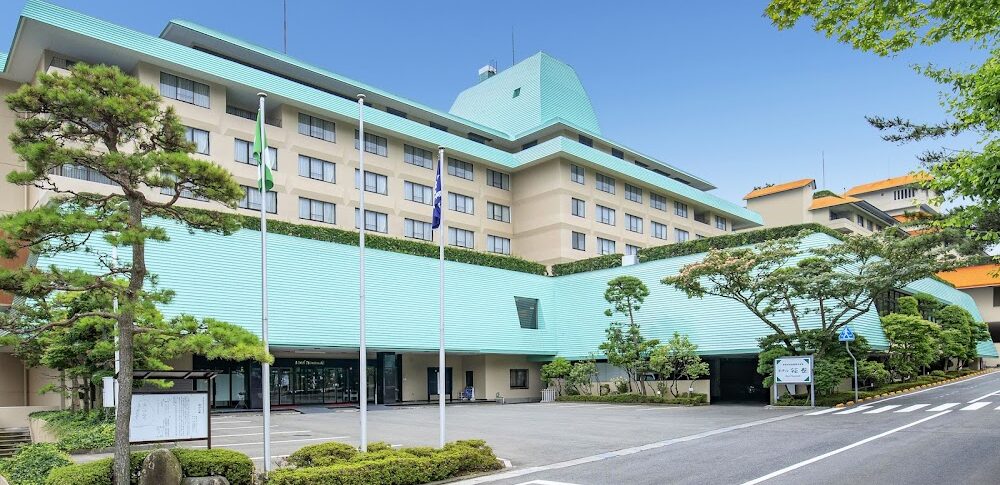
After the war, modernization of hot spring facilities progressed, and today it has developed into a hot spring resort meeting diverse needs, centered around four distinctive hotels: Hotel Hanamaki, Hotel Kouyoukan, Hotel Senshuukaku, and Kaishoen.
Spring Quality and Efficacy of Hanamaki Hot Spring|Popular as a Beautiful Skin Hot Spring
The spring quality of Hanamaki Hot Spring is primarily simple hot spring (low-tension weakly alkaline high-temperature spring), characterized by colorless, transparent, and odorless soft water. With minimal irritation to the skin and skin feeling moisturized after bathing, it is particularly popular among women as a “beautiful skin hot spring.”
Main Efficacies
- Neuralgia
- Muscle pain
- Arthralgia
- Frozen shoulder
- Motor paralysis
- Stiffness of joints
- Contusions
- Sprains
- Chronic gastrointestinal disorders
- Hemorrhoids
- Cold sensitivity
- Recovery period after illness
- Fatigue recovery
- Health promotion
The weakly alkaline spring quality is said to soften old keratin and make skin smooth, allowing visitors to enjoy the hot spring for both beauty and health benefits.
Characteristics of Source Springs
Hanamaki Hot Spring possesses multiple proprietary source springs, and various facilities provide hot spring water in different forms, such as 100% source-fed or circulation-combined systems depending on the facility. The source spring temperature is approximately 50–60 degrees Celsius, making it high-temperature, so the need for adding water or heating is minimal, which is appealing as it allows you to enjoy the hot spring’s original components without loss.
Access to Hanamaki Hot Spring|How to Get There by Car, Train, or Airplane
Hanamaki Hot Spring is located in the center of Iwate Prefecture and is accessible by various means of transportation.
Access by Train
When Using the Tohoku Shinkansen
- Get off at Shin-Hanamaki Station → Approximately 20 minutes by local bus or taxi
- Get off at Morioka Station → Transfer to local line to Hanamaki Station (approximately 45 minutes) → Approximately 15 minutes by local bus or taxi
When Using Local Lines
- Get off at JR Tohoku Main Line Hanamaki Station → Approximately 15 minutes by local bus “Heading to Hanamaki Hot Spring,” get off at the terminal
- If using a taxi from Hanamaki Station, approximately 15 minutes, fare approximately 2,500 yen
Access by Car
Using the Tohoku Expressway
- Approximately 15 minutes from Hanamaki South IC (approximately 8 km)
- Approximately 20 minutes from Hanamaki IC (approximately 10 km)
From Sendai Area
- Approximately 2 hours via the Tohoku Expressway
From Morioka Area
- Approximately 40 minutes via National Route 4
Free parking lots are fully equipped at each hotel with ample capacity.
Access by Airplane
Using Iwate Hanamaki Airport
- Approximately 15 minutes by car from the airport
- Approximately 20 minutes by airport limousine bus to Hanamaki Station → Approximately 15 minutes by local bus or taxi
Iwate Hanamaki Airport has regular flights to/from Sapporo (New Chitose), Nagoya (Chubu), Osaka (Itami), and Fukuoka, making it accessible from throughout the country.
Principal Hotels at Hanamaki Hot Spring|4 Distinctive Accommodations
Hanamaki Hot Spring has four hotels, each with different charms and characteristics.
Hotel Hanamaki
A large hotel popular with families and group travelers, serving as the main hotel of Hanamaki Hot Spring. The garden open-air bath, renovated in 2023, offers an exhilarating sense of openness where guests can enjoy hot spring bathing while fully appreciating Hanamaki’s nature.
Features
- Spacious guest rooms with abundant room types
- Large garden open-air bath
- Buffet-style meals are popular
- Located closest to the rose garden
Hotel Kouyoukan
A hotel with a calm atmosphere that values Japanese aesthetics. Designed to emphasize harmony with nature, it is recommended for those who wish to enjoy hot spring bathing quietly.
Features
- Guest rooms primarily composed of Japanese-style rooms
- Open-air bath facilities with a calm atmosphere
- Meals centered on kaiseki cuisine
- A space to spend luxurious adult time
Hotel Senshuukaku
A hotel appealing with its modern atmosphere and enriched facilities. It can accommodate a wide range of purposes from business use to tourism.
Features
- Diverse room types including Western and Japanese-style rooms
- Panoramic view of the large public bath
- Choice of buffet or kaiseki-style meals
- Popular with couples and married couples
Kaishoen
The most prestigious luxury inn at Hanamaki Hot Spring. It offers a special time to spend with high-quality hospitality and a refined space.
Features
- All guest rooms are luxurious suite-type rooms
- Hot spring facilities offering privacy
- Kaiseki cuisine using carefully selected ingredients
- Ideal for anniversaries and special trips
- Adults-only (middle school age and above) calm atmosphere
Hanamaki 12 Hot Springs|Individual Hot Spring Destinations in the Hanamaki Hot Spring Region
The Hanamaki Hot Spring Region, centered around Hanamaki Hot Spring, encompasses 12 hot spring destinations collectively known as the “Hanamaki 12 Hot Springs.” Each possesses its own spring quality and history, offering the pleasure of hot spring hopping.
1. Hanamaki Hot Spring
As the gateway to the hot spring region, it is the most easily accessible hot spring destination. Resort facilities are concentrated around the four previously mentioned hotels.
2. Dai Hot Spring
The oldest among the Hanamaki Hot Spring Region’s hot spring destinations, reportedly opened approximately 1,200 years ago. A quiet hot spring village along the Toyosawa River with a remaining atmosphere of traditional hot spring therapy inns.
Spring Quality: Simple sulfur spring, alkaline simple hot spring
Characteristics: Featured by white turbid sulfur spring
3. Kanaya Hot Spring
A small hot spring destination situated slightly upstream from Dai Hot Spring. A one-inn hot spring inn is located here, allowing guests to enjoy hot spring bathing in a quiet environment.
4. Matsukura Hot Spring
A one-inn hot spring positioned upstream on the Toyosawa River. Surrounded by nature, it offers the atmosphere of a hidden hot spring.
5. Shidotaira Hot Spring
A hot spring destination lined with large hotels along the Toyosawa River. Open-air baths overlooking the gorge are popular, and it is favored by families.
Spring Quality: Alkaline simple hot spring
Characteristics: Some hotels feature 25 types of baths, making hot spring hopping enjoyable
6. Osawa Hot Spring
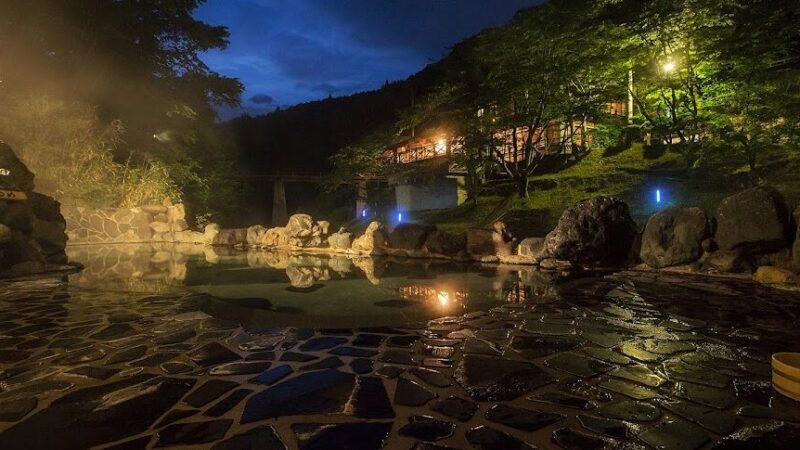
An ancient hot spring with approximately 1,000 years of history, featuring three accommodation facilities. In particular, the mixed open-air bath “Osawa no Yu” is known as a famous attraction.
Spring Quality: Alkaline simple hot spring
Characteristics: Open-air bath along the river, with a hot spring therapy culture remaining through self-catering options
7. Yamanokamisama Hot Spring
A hot spring located at the uppermost reaches of the Toyosawa River, known for its luxury hot spring inn “Nagomi no Yu.”
Spring Quality: Sodium, calcium-sulfate, chloride spring
Characteristics: A silky smooth beautiful skin hot spring
8. Namari Hot Spring
A one-inn hot spring with approximately 600 years of history, famous for “Fujisan Ryokan.” Japan’s deepest self-spouting rock bath “Hakuen no Yu” is known as a standing bath.
Spring Quality: Simple hot spring
Characteristics: Approximately 1.25 meters deep standing bath, 100% source-fed
9. Shin-Namari Hot Spring
A hot spring destination located near Namari Hot Spring, featuring a large hotel.
Spring Quality: Alkaline simple hot spring
Characteristics: A fusion of modern facilities and traditional hot spring culture
10. Hanamaki North Hot Spring
A hot spring destination located on the northern side of Hanamaki City.
11. Towa Hot Spring
A hot spring in Towa Town, Hanamaki City, centered around a day-use hot spring facility. It is cherished by local residents.
12. Oushuku Hot Spring
※It may not be included in the Hanamaki 12 Hot Springs in some cases but is introduced as part of the Hanamaki Hot Spring Region. A hot spring destination with approximately 450 years of history, located near Morioka City.
Hanamaki Hot Spring Rose Garden|Enjoying Flowers Throughout the Seasons
One of the major attractions of Hanamaki Hot Spring is the “Hanamaki Hot Spring Rose Garden,” which boasts a scale that is the largest in the Tohoku region. Approximately 450 varieties and 6,000 rose plants are planted across approximately 6,000 tsubo (about 20,000 square meters) of grounds, allowing visitors to enjoy beautiful flowers from spring to autumn.
Rose Bloom Seasons
Spring: Early June to early July
Autumn: Mid-September to mid-October
Particularly during the spring rose season, colorful roses bloom all at once, creating a spectacular sight. Footpaths are laid out throughout the rose garden, allowing for leisurely strolls.
Other Flowers
Beyond roses, tulips, moss pink, lavender, cosmos, and other seasonal flowers adorn the garden. Particularly in spring, there are periods when cherry blossoms and tulips can be enjoyed simultaneously, drawing many visitors.
Admission
- Mid-May to early November (open season): Admission fee (rates vary by period)
- Hotel guests: Free or discounted admission available
Connection with Kenji Miyazawa|The Utopia of Ihatov
Hanamaki Hot Spring has a deep connection with Kenji Miyazawa, a great poet and fairy tale writer born in Iwate Prefecture. A native of Hanamaki City, Miyazawa loved Hanamaki Hot Spring as one of the utopias of “Ihatov” and visited it many times.
Traces of Kenji Miyazawa
Miyazawa took interest in the development of Hanamaki Hot Spring and is said to have been involved in the design of the rose garden. Furthermore, he left his impressions of visiting the hot spring in poems and works, making Hanamaki Hot Spring an important place for understanding Miyazawa literature.
Nearby Spots Connected to Miyazawa
Kenji Miyazawa Memorial Museum
Located approximately 15 minutes by car from Hanamaki Hot Spring, this museum introduces Miyazawa’s life and works.
Kenji Miyazawa Fairy Tale Village
A theme park where visitors can experience the world of Miyazawa’s fairy tales, enjoyable for both children and adults.
Ihatov Hall
A facility where materials related to Miyazawa can be viewed, visited by researchers and enthusiasts.
Ways to Spend Time at Hanamaki Hot Spring|Recommended Model Courses
Here are model courses for maximizing enjoyment of Hanamaki Hot Spring.
1-Night, 2-Day Standard Course
Day 1
- 12:00 Arrive at Hanamaki Hot Spring, check in at hotel
- 13:00 Lunch at hotel
- 14:30 Stroll through the rose garden (approximately 1 hour)
- 16:00 Hot spring bathing (relax in the large public bath)
- 18:00 Dinner (buffet or kaiseki cuisine)
- 20:00 Enjoy the night open-air bath
Day 2
- 7:00 Morning bath
- 8:00 Breakfast
- 10:00 Check out
- 10:30 Visit Kenji Miyazawa Memorial Museum and Fairy Tale Village (approximately 2 hours)
- 13:00 Lunch in Hanamaki City
- 14:00 Depart
Day Trip Hot Spring Course
Hanamaki Hot Spring offers day-use bathing as well.
- 10:00 Arrive at Hanamaki Hot Spring
- 10:30 Stroll through the rose garden
- 12:00 Lunch at hotel (day-use plan)
- 13:30 Hot spring bathing (approximately 1–2 hours)
- 15:30 Depart
Hot Spring Hopping Course (2 Nights, 3 Days)
A comprehensive hot spring course visiting the Hanamaki 12 Hot Springs.
Night 1: Stay at Hanamaki Hot Spring
Night 2: Stay at Osawa or Namari Hot Spring
Day 3: Enjoy day-use bathing at Dai or Shidotaira Hot Spring, then depart
Dining at Hanamaki Hot Spring|Savoring Iwate Cuisine
Each hotel at Hanamaki Hot Spring offers cuisine using abundant ingredients from Iwate Prefecture.
Representative Iwate Ingredients
Maesawa Beef and Iwate Beef
Premium brands of beef from Iwate, characterized by fine marbling and tender meat texture.
Sanriku Seafood
Fresh seafood reaches inland Hanamaki. Uni, abalone, scallops, and more.
Shirogane Pork
An Iwate Prefecture brand pork with sweetness in the fat.
Local Vegetables
Abundant dishes using fresh vegetables and wild vegetables from Hanamaki.
Meal Styles
Depending on the hotel, various meal styles are available including buffet, kaiseki cuisine, and haute cuisine. Particularly, the buffets at Hotel Hanamaki and Hotel Senshuukaku are popular for their variety and appeal to families.
Tourist Attractions Near Hanamaki Hot Spring
It is also recommended to tour nearby attractions using Hanamaki Hot Spring as a base.
Tourist Attractions in Hanamaki City
Kenji Miyazawa Memorial Museum (Approximately 15 minutes by car)
A must-see spot to experience the world of Miyazawa.
Hanamaki City Museum (Approximately 20 minutes by car)
Learn about Hanamaki’s history and culture.
Hanamaki Castle Ruins (Approximately 20 minutes by car)
Also known as a cherry blossom viewing spot.
Venture a Bit Further
Konjikudoh (Approximately 1 hour by car)
A renowned temple in Hiraizumi registered as a World Heritage site.
Tono (Approximately 1 hour by car)
Known as the village of folklore, with numerous attractions such as Kappa River.
Morioka City (Approximately 40 minutes by car)
Morioka Castle Ruins Park, Morioka Handmade Village, and more.
Hanamaki Hot Spring Through the Seasons|Charms of Each Season
Hanamaki Hot Spring allows visitors to enjoy the natural beauty of all four seasons.
Spring (March–May)
The hot spring town becomes vibrant with the blooming of cherry blossoms. From late April to early May, cherry blossoms and tulips can be enjoyed simultaneously, attracting many visitors.
Summer (June–August)
From June, roses come into bloom, and the rose garden enters its most beautiful season. Visitors can enjoy refreshing hot spring bathing amid the lush green nature of summer.
Autumn (September–November)
A season of beautiful autumn leaves, with the entire hot spring town turning red and gold. Autumn roses also come into bloom, and from mid-September to mid-October, roses with subtler autumn tones can be enjoyed.
Winter (December–February)
Hot spring bathing amid snowy landscapes is extraordinary. Enjoying snow-viewing baths in outdoor baths is a winter-only luxury. Clear air allows for stargazing while bathing at night.
Accommodation Plans at Hanamaki Hot Spring|Choosing by Purpose
Hanamaki Hot Spring offers various accommodation plans.
Family Vacation Plans
- Family plans with children’s rates
- Free accompanying sleep plans
- Plans with buffet meals
- Plans including rose garden admission
Couple and Married Couple Plans
- Anniversary plans (with cake and champagne)
- Plans with private open-air bath rooms
- Kaiseki cuisine plans
- Late checkout plans
Business and Solo Travel Plans
- Single room plans
- Multi-night discount plans
- Room-only plans
- Work-cation plans
Senior Plans
- Plans limited to ages 50 and over
- Accessible guest room plans
- Leisurely stay plans (early check-in and late checkout)
Booking Methods and Savings Tips for Hanamaki Hot Spring
Booking Methods
Official Websites
Direct booking is available through each hotel’s official website. Official website-exclusive plans and point benefits may be available.
Travel Booking Sites
Booking is possible through major sites such as Rakuten Travel, Jalan.net, and Ikyu.com. Point returns and coupons are available.
Telephone Reservation
Direct booking by phone to the hotel is also possible. This method makes it easier to communicate specific requests.
Tips for Economical Stays
Early Booking Discounts
Many plans offer discounts for reservations made 30 days or 60 days in advance.
Weekday Use
Weekdays offer lower rates compared to weekends and holidays.
Multi-Night Discounts
Discounts apply to plans for 2 or more consecutive nights.
Seasonal Limited Plans
Special rate plans appear during off-seasons.
Precautions and Etiquette When Using Hanamaki Hot Spring
Hot Spring Etiquette
- Rinse your body before entering the bath
- Do not immerse towels in the bath
- Be considerate of surroundings at washing areas
- Avoid prolonged bathing, taking appropriate breaks
- Refrain from bathing after drinking alcohol
Rose Garden Usage Precautions
- Do not pick or touch flowers
- Walk along designated pathways
- Pets are generally prohibited (except guide dogs)
- Dispose of trash in designated areas or take it with you
Other Precautions
- Persons with tattoos or piercings may not be allowed to bathe in some facilities (prior confirmation recommended)
- Early booking is recommended during peak periods
- In winter, be cautious of road icing when arriving by car
Conclusion|Refresh Body and Mind at Hanamaki Hot Spring
Hanamaki Hot Spring in Iwate Prefecture is a major hot spring resort representing Tohoku, offering high-quality hot spring water known as beautiful skin hot spring, natural beauty throughout the seasons, culture connected to Kenji Miyazawa, and fully equipped accommodation facilities.
The Hanamaki 12 Hot Springs, centered around Hanamaki Hot Spring, each possess distinctive spring qualities and atmospheres, also offering the pleasure of hot spring hopping. Diverse accommodation facilities and plans accommodate all purposes—family vacations, couple trips, solo travel, and business use—promising a special time for all visitors.
With excellent access, arrival from throughout the country is relatively quick via the Tohoku Shinkansen or airplane. The ability to tailor your experience, from day-use bathing to extended stays, is another major charm of Hanamaki Hot Spring.
Why not plan a hot spring trip in the utopia of Ihatov loved by Kenji Miyazawa to refresh your body and mind? Hanamaki Hot Spring is sure to provide an experience exceeding your expectations.