Kawaji Hot Spring, Tochigi Prefecture | Complete Guide | History, Spring Quality, Access, and Surrounding Tourist Information
Located in Nikko City, Tochigi Prefecture, Kawaji Hot Spring is a quiet hot spring resort nestled in a gorge where the Kinugawa and Ogara rivers converge. Since the Edo period, it has been known by the saying “Kawaji for wounds, Takiya (Kinugawa Hot Spring) for burns,” and it has been valued especially for its efficacy in healing injuries. This article provides a thorough explanation of Kawaji Hot Spring’s charm, covering its history, spring quality characteristics, access methods, nearby tourist attractions, and accommodations.
What is Kawaji Hot Spring?
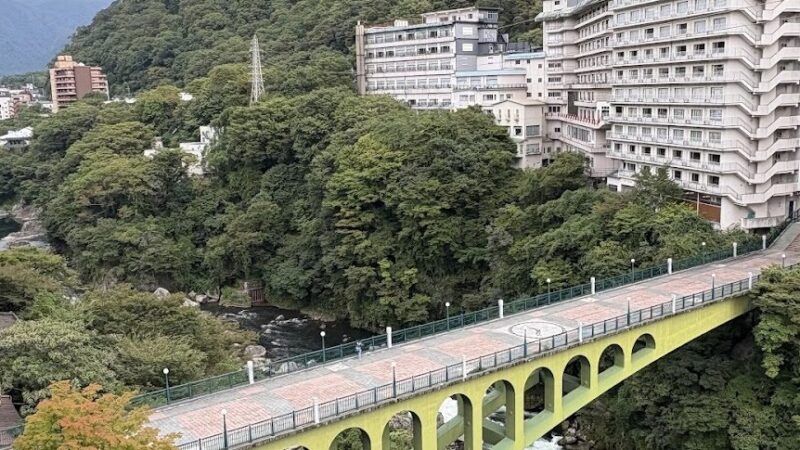
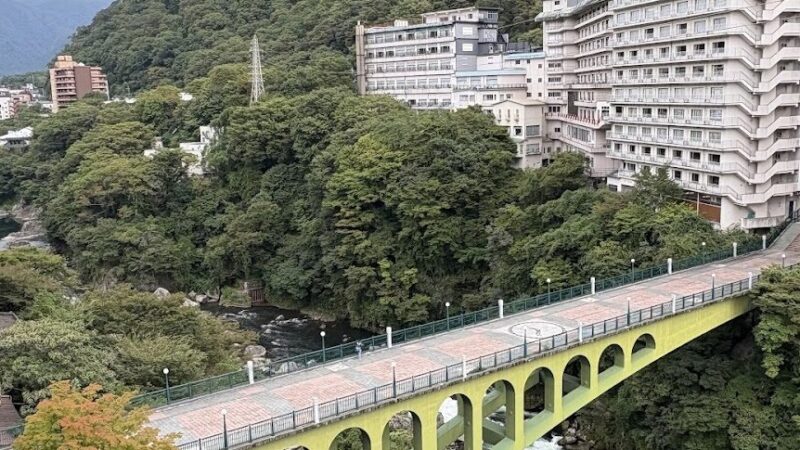
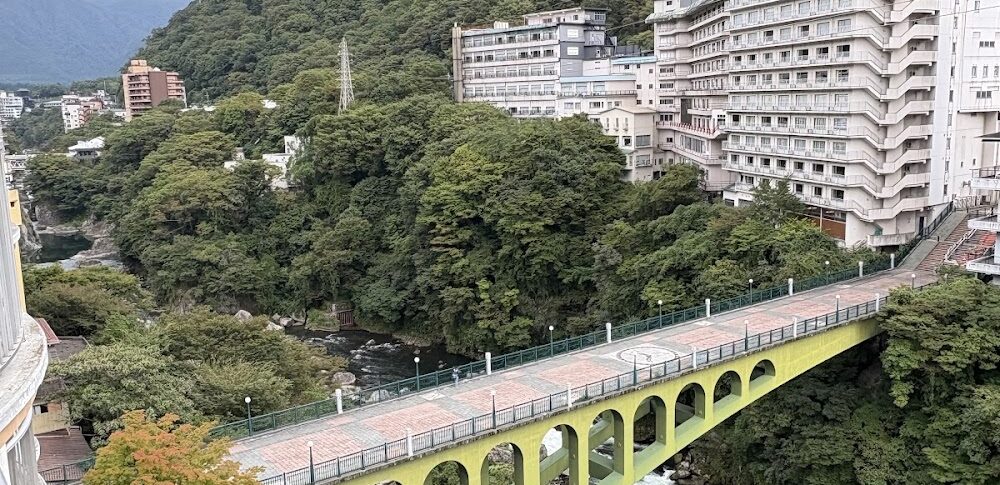
Kawaji Hot Spring is a hot spring located in Nikko City, Tochigi Prefecture (formerly in the province of Shimotsuke), where approximately 10 inns and hotels line the Ogara River near the confluence of the Ogara and Kinugawa rivers. Located about 20-30 minutes by car from Kinugawa Hot Spring, it is characterized by a quiet and peaceful atmosphere in contrast to the bustling Kinugawa Hot Spring.
Set in a natural, gorge-surrounded environment, it has long been cherished by hot spring enthusiasts as an ideal destination for those seeking to spend time at a leisurely pace.
History of Kawaji Hot Spring
Hot Spring Discovery in the Edo Period
The origins of Kawaji Hot Spring are subject to various theories, but it is generally believed to have been discovered during the Kyoho era (1716-1736). In particular, there is a legend that the hot spring was discovered by chance when the Ikarigata Lake upstream broke its banks and caused floods in 1723 (Kyoho 8).
During the Edo period, Kawaji Hot Spring functioned as a post town on the Aizu Western Highway (Aizu Highway), serving as a place for travelers and local people to take therapeutic hot spring baths. This highway was an important thoroughfare connecting Aizu and Nikko, and many travelers found relief here at Kawaji Hot Spring.
Origin of the Saying “Kawaji for Wounds, Takiya for Burns”
Kawaji Hot Spring has long been known by the saying “Kawaji for wounds, burns to Takiya (present-day Kinugawa Hot Spring).” This originated from the belief that Kawaji Hot Spring was particularly effective for healing injuries, while Kinugawa Hot Spring was said to be effective for burns.
Due to this reputation, Kawaji Hot Spring came to attract many visitors seeking therapeutic baths for injuries, neuralgia, rheumatism, and other ailments, leading to its development as a hot spring resort.
Modern Kawaji Hot Spring
Present-day Kawaji Hot Spring maintains its characteristic as a small, quiet hot spring resort, unlike Kinugawa Hot Spring, which has undergone large-scale tourism development. Its peaceful atmosphere, drawing on gorge beauty and natural environment, is supported by tourists seeking to enjoy hot springs leisurely away from urban hustle and bustle.
Spring Quality and Efficacy of Kawaji Hot Spring
Spring Quality Characteristics
Kawaji Hot Spring has an alkaline simple spring composition with the following characteristics:
- High pH value: With alkaline properties, the water has a smooth feel and is also called “beauty spring water”
- Low irritation: Simple springs contain relatively low concentrations of minerals, providing gentle stimulation to the skin
- Colorless and transparent: Generally colorless and transparent with minimal odor
- Easy to bathe in: Due to low irritation, it is safe for children to elderly people to bathe
The smooth-textured water is well-regarded for its quality and is said to be tiring even after long bathing.
Efficacy
Kawaji Hot Spring is said to have the following efficacy:
General Indications
- Neuralgia
- Muscle pain
- Arthralgia
- Rheumatism
- Frozen shoulder
- Motor paralysis
- Joint stiffness
- Bruising
- Sprains
- Chronic gastrointestinal disease
- Hemorrhoids
- Poor circulation
- Post-illness recovery period
- Fatigue recovery
- Health promotion
Particularly Noted Efficacy
As Kawaji Hot Spring is called “Kawaji for wounds,” it has been especially valued for its effectiveness in healing external injuries (wounds). It is believed that the alkaline simple spring properties promote skin regeneration and aid wound recovery.
Day-Trip Hot Spring Use
Many inns and hotels at Kawaji Hot Spring accept day-trip bathing. It is possible to enjoy quality hot springs without staying overnight, making it popular for visitors stopping by during Kinugawa Hot Spring or Nikko sightseeing. Usage times and fees vary by facility, so it is recommended to confirm in advance.
Access to Kawaji Hot Spring
Access by Train
Using Tobu Railway
- Disembark at Tobu Railway’s “Kawaji Yumoto Station,” approximately 10 minutes on foot
- Approximately 2 hours 30 minutes from Tokyo’s Asakusa Station via limited express “Liberty Aizu” or “Spacia”
- Approximately 2 hours 45 minutes from Shinjuku Station via JR and Tobu direct limited express
Kawaji Yumoto Station is the gateway to Kawaji Hot Spring, with the hot spring town within walking distance from the station. The area around the station is surrounded by nature, allowing visitors to enjoy gorge scenery while walking.
Shuttle Service
Many inns and hotels provide complimentary shuttle service from Kawaji Yumoto Station. Advance reservations are usually required, so check with your accommodation.
Access by Car
Using Highways
- Approximately 50km from “Utsunomiya IC” on the Tohoku Expressway via the Nikko-Utsunomiya Highway, approximately 1 hour
- Approximately 30km from “Imaichi IC” on the Nikko-Utsunomiya Highway via Route 121, approximately 40 minutes
From Kinugawa Hot Spring
Kawaji Hot Spring is approximately 20-30 minutes by car from Kinugawa Hot Spring. The route northbound on Route 121 is typical, allowing visitors to enjoy the Kinugawa gorge scenery en route.
Parking
Almost all inns and hotels have complimentary parking facilities. Many facilities also allow day-trip bathing visitors to use parking.
Access by Bus
Tobu Bus operates routes from Kinugawa Hot Spring Station toward Kawaji Hot Spring. However, service is limited, so it is recommended to check the schedule in advance.
Accommodations at Kawaji Hot Spring
Kawaji Hot Spring has approximately 10 inns and hotels, each offering distinctive services.
Characteristics of Major Accommodations
Large Hotels
- Liv Max Resort Kawaji: Popular with families due to reasonable pricing
- Ichiryu Honkan: Accommodation by Ito Hotel Group offering buffet-style dining
Traditional Inns
Traditional inns nestled along the gorge allow guests to enjoy open-air baths while listening to the babbling of the river. Kaiseki cuisine using local ingredients is also an attraction.
How to Choose Accommodations
Budget-Conscious
Multiple reasonably-priced facilities are available from the Ito Hotel Group. These properties are characterized by cost-effective offerings such as buffet dining and all-you-can-drink services.
Scenic Views
Inns recommended for their rooms along the gorge or open-air baths offering views of the Ogara River gorge. Particularly during fall foliage season (late October to early November) and spring greenery season (May-June), spectacular views can be enjoyed.
Cuisine-Focused
Inns offering kaiseki cuisine using Tochigi Prefecture ingredients allow guests to savor local flavors. Nikko yuba, Tochigi wagyu beef, and fresh river fish dishes are popular.
Accommodation Price Guide
- 1 night with 2 meals: approximately 8,000-20,000 yen per person (weekday rates)
- Prices tend to increase during weekends, holidays, and peak seasons
- Day-trip bathing: approximately 500-1,500 yen
How to Enjoy Kawaji Hot Spring
Strolling Through the Hot Spring Town
Though small-scale, Kawaji Hot Spring’s hot spring town has well-maintained walking paths along the gorge, allowing visitors to stroll leisurely while enjoying nature.
Ogara River Riverside Walking Path
A walking path along the Ogara River allows visitors to enjoy the gorge’s beautiful scenery. Walks while listening to the river’s babbling can soothe daily fatigue.
Foot Bath
The hot spring town features foot bath spots where visitors can casually enjoy hot springs. These are ideal rest stops during strolling.
Seasonal Attractions
Spring (March-May)
The season of fresh greenery, when the gorge is enveloped in vibrant green. Mild temperatures make this an ideal time for strolling.
Summer (June-August)
The cool breezes from the gorge are pleasant, making it popular as a summer retreat. The river’s babbling brings refreshing coolness.
Autumn (September-November)
The fall foliage season is among the most beautiful times at Kawaji Hot Spring. The gorge is dyed red and yellow, with views from open-air baths being spectacular. Peak season is late October to early November.
Winter (December-February)
Snowy gorge scenery also has charm. The warmth of hot springs is felt deeply during the cold season.
Nearby Tourist Attractions
Using Kawaji Hot Spring as a base, visitors can explore various attractions in the Nikko area.
Kinugawa Hot Spring Area
Kinugawa Gorge Boat Cruise
Approximately 20 minutes by car from Kawaji Hot Spring. This activity allows visitors to enjoy the Kinugawa gorge from a boat. A approximately 40-minute boat ride showcases interesting rock formations and waterfalls.
Kinugawa Hot Spring Ropeway
This ropeway ascends to an observation deck at approximately 700m elevation, providing panoramic views of the Kanto Plain. On clear days, Mount Tsukuba is visible in the distance.
Tobu World Square
A theme park recreating famous world architecture at 1:25 scale. With 102 structures displayed, visitors can experience the feeling of world travel.
Nikko Area
Nikko Toshogu Shrine
Approximately 40 minutes by car from Kawaji Hot Spring. Japan’s representative shrine registered as a World Heritage site. Attractions include the “three monkeys” (see-no-evil, hear-no-evil, speak-no-evil) and the sleeping cat.
Kegon Falls
One of Nikko’s representative waterfalls, offering spectacular views as it drops from 97 meters. An elevator descends to an observation platform.
Lake Chuzenji
A beautiful lake at 1,269m elevation. Sightseeing boats, boating, and fishing activities are available.
Senjogahara
A vast wetland at approximately 1,400m elevation. With well-maintained wooden boardwalks, visitors can enjoy hiking while observing alpine plants and wild birds.
Local Tourist Attractions
Yunishi Hot Spring
Approximately 30 minutes by car from Kawaji Hot Spring. A secret hot spring with legends of Heike clan refugees, famous for its winter “kamakura festival.”
Ryugoku Gorge
Approximately 10 minutes by car from Kawaji Hot Spring. A scenic gorge formed by volcanic activity 22 million years ago, featuring unique rock formations. With well-maintained walking paths, a one-way approximately one-hour hiking course is popular.
Baum Kuchen Workshop Hatiya
A locally popular confectionery shop. Baum kuchen utilizing the blessings of Nikko’s nature is its specialty.
Dining and Gourmet at Kawaji Hot Spring
Gourmet at the Hot Spring Town
As Kawaji Hot Spring’s hot spring town is small-scale, dining options are limited, but inn and hotel meals are substantial.
Nikko Yuba
Yuba (bean curd skin) is a Nikko specialty served in many inns’ meals. Unlike Kyoto yuba, the production method results in thicker texture with more substance.
River Fish Cuisine
Dishes using river fish caught in the Kinugawa and Ogara rivers are popular. Grilled ayu (sweetfish) and raw iwana (char) are appreciated for their fresh river delicacies.
Tochigi Wagyu
Steaks and sukiyaki using Tochigi Prefecture brand beef “Tochigi Wagyu” can also be enjoyed in inn kaiseki cuisine.
Local Sake
Tochigi Prefecture is known as a sake-producing region. Enjoying locally-brewed sake alongside meals is recommended.
Foot Bath Cafe ‘espo’
The Kinugawa Hot Spring area has facilities offering cafe menus while enjoying foot baths. Visiting while driving from Kawaji Hot Spring is recommended.
Atmosphere and Convenience of Kawaji Hot Spring as a Hot Spring Resort
Resort Atmosphere
The greatest charm of Kawaji Hot Spring is its quiet and peaceful atmosphere. Unlike large tourist destinations such as Kinugawa Hot Spring, this small hot spring resort offers leisurely time flow.
Surrounded by a gorge, the experience of soaking in hot springs while hearing river babbling allows visitors to forget daily hustle and bustle. At night, the stars shine brightly, offering starry skies rarely visible in urban areas.
Convenience
Advantages
- Easy access near Tobu Railway’s station (Kawaji Yumoto Station) within walking distance
- Convenient as a base for visiting Kinugawa Hot Spring and Nikko tourist spots
- Opportunity to enjoy hot springs leisurely in a quiet environment
- Day-trip bathing is available, allowing casual visits
Points of Caution
- The hot spring town is small-scale with limited dining and shopping options
- Few evening entertainment facilities, suited for those preferring quiet time
- Limited public transportation, making car travel convenient
Reviews and Reputation of Kawaji Hot Spring
Evaluation of Spring Quality
Visitors to Kawaji Hot Spring report many positive reviews regarding spring quality:
- “Skin becomes silky smooth”
- “Water is soft, and long bathing isn’t tiring”
- “Spring quality is excellent, warming the body from the core”
- “Wound recovery seemed faster”
Evaluation of Atmosphere
Visitors seeking a quiet environment rate the resort highly:
- “Quieter and more relaxing than Kinugawa Hot Spring”
- “Gorge scenery is beautiful, allowing full nature appreciation”
- “Can forget urban hustle and relax completely”
- “Historic hot spring atmosphere remains”
Overall Satisfaction
Kawaji Hot Spring achieves high satisfaction from those seeking to enjoy quality hot springs in quiet environments. Particularly valued are:
- Spring quality excellence
- Gorge-surrounded natural environment
- Peaceful atmosphere
- Good cost-effectiveness
Conversely, some note “small hot spring town with limited evening entertainment” and “limited dining options.” These characteristics are also features of Kawaji Hot Spring, becoming advantages for those preferring quiet hot spring enjoyment.
Comparison of Kawaji Hot Spring with Surrounding Hot Springs
Differences from Kinugawa Hot Spring
Kinugawa Hot Spring
- Large-scale hot spring town with numerous hotels and inns
- Well-equipped with tourist and entertainment facilities
- Lively, vibrant atmosphere
- Spring said to be effective for burns
Kawaji Hot Spring
- Small-scale, quiet hot spring resort
- Emphasizes natural environment with peaceful atmosphere
- Spring said to be effective for injuries
- Suited for those enjoying hot springs leisurely
Differences from Yunishi Hot Spring
Yunishi Hot Spring
- Secret hot spring with Heike clan refugee legends
- Located further in mountains with remote atmosphere
- Famous for winter “kamakura festival”
- Less convenient access than Kawaji Hot Spring
Kawaji Hot Spring
- Intermediate location between Kinugawa and Yunishi hot springs
- Relatively convenient access
- Easily serves as Nikko sightseeing base
Recommended Itineraries for Visiting Kawaji Hot Spring
1-Night, 2-Day Plan
Day 1
- Morning: Travel from Tokyo to Kawaji Hot Spring by train or car (approximately 2.5 hours)
- Afternoon: Check-in, relax at hot springs
- Evening: Stroll through hot spring town, walk along Ogara River path
- Night: Enjoy kaiseki dinner at inn
Day 2
- Morning: Enjoy morning bath, check-out
- Morning to afternoon: Hike at Ryugoku Gorge or experience Kinugawa boat cruise
- Afternoon: Visit Kinugawa Hot Spring area attractions (Tobu World Square, etc.)
- Evening: Return home
2-Night, 3-Day Plan (Including Nikko Sightseeing)
Day 1
- Arrive at Kawaji Hot Spring, relax at hot springs
Day 2
- Nikko sightseeing (Toshogu Shrine, Kegon Falls, Lake Chuzenji, etc.)
- Return to Kawaji Hot Spring for hot spring enjoyment
Day 3
- Visit Ryugoku Gorge or Kinugawa area attractions
- Return home
Day-Trip Plan
- Morning: Arrive at Kawaji Hot Spring, day-trip bathing
- Afternoon: Ryugoku Gorge hiking or Kinugawa boat cruise
- Evening: Return home
Points of Caution When Visiting Kawaji Hot Spring
Clothing and Belongings
Season-Appropriate Clothing
- Spring/Autumn: Bring jackets for cool mornings and evenings
- Summer: Daytime is warm but gorges are cool, light cardigans recommended
- Winter: Prepare thorough cold-weather protection
Trekking Shoes
For enjoying gorge walking paths and Ryugoku Gorge hiking, comfortable sneakers or trekking shoes are recommended.
Reservations
Peak Season Reservations
Advance reservations are recommended for the following busy periods:
- Golden Week (late April to early May)
- Summer vacation (late July to August)
- Fall foliage season (late October to early November)
- Year-end and New Year period
Weekends and Holidays
Weekends and holidays tend to be crowded. Weekdays are relatively quiet, allowing leisurely hot spring enjoyment.
Transportation Access Cautions
Winter Driving
Winter risks snowfall and road icing. Vehicles should be equipped with studless tires or chains.
Public Transportation Schedule Confirmation
With limited bus service, checking schedules in advance is essential.
Conclusion: The Charm of Kawaji Hot Spring
Kawaji Hot Spring is a quiet hot spring resort nestled in a gorge in Nikko City, Tochigi Prefecture. Since the Edo period, it has been known by the saying “Kawaji for wounds,” with its quality alkaline simple springs said to be effective for healing injuries, neuralgia, rheumatism, and other conditions, cherished by many therapeutic bath seekers.
Unlike the liveliness of Kinugawa Hot Spring, it allows leisurely hot spring enjoyment in a nature-surrounded, quiet environment. Its charm includes open-air baths overlooking gorge beauty, strolls listening to river babbling, and kaiseki cuisine using local ingredients.
Accessibility is excellent at approximately 2.5 hours from Tokyo, and it serves as an ideal Nikko sightseeing base. Day-trip bathing is also available for casual visits.
For those seeking to escape urban hustle and refresh both body and spirit in nature, Kawaji Hot Spring is an ideal hot spring destination. Please visit Kawaji Hot Spring on your next vacation and experience its charm.
Frequently Asked Questions (FAQ)
Q1: How do Kawaji Hot Spring and Kinugawa Hot Spring differ?
A1: Located 20-30 minutes by car from Kinugawa Hot Spring, Kawaji is a smaller, quieter hot spring resort. While Kinugawa is a bustling hot spring town with large hotels, Kawaji features a peaceful atmosphere surrounded by gorges. Spring types also differ—Kawaji is said to heal injuries while Kinugawa is said to treat burns.
Q2: Tell me about Kawaji Hot Spring’s spring quality and efficacy.
A2: Kawaji Hot Spring is an alkaline simple spring with smooth water feel. It is said to be effective for neuralgia, muscle pain, arthralgia, rheumatism, and other conditions, especially external wound healing. The phrase “Kawaji for wounds” has long been associated with it.
Q3: What are the access methods to Kawaji Hot Spring?
A3: By train, disembark at Tobu Railway’s “Kawaji Yumoto Station” and walk approximately 10 minutes. From Tokyo’s Asakusa Station takes approximately 2.5 hours via limited express. By car, approximately 1 hour from “Utsunomiya IC” on the Tohoku Expressway or approximately 40 minutes from “Imaichi IC” on the Nikko-Utsunomiya Highway. Many accommodations offer station shuttle service.
Q4: Is day-trip bathing available at Kawaji Hot Spring?
A4: Yes, many inns and hotels accept day-trip bathing. Fees are approximately 500-1,500 yen, with usage times varying by facility. Pre-confirming each facility is recommended.
Q5: What are nearby tourist attractions to Kawaji Hot Spring?
A5: Ryugoku Gorge (approximately 10 minutes by car), Kinugawa boat cruise (approximately 20 minutes), Nikko Toshogu Shrine (approximately 40 minutes), Kegon Falls, Lake Chuzenji, and Senjogahara are available. Kawaji Hot Spring serves as a base for exploring Nikko area attractions.
Q6: When is the best season to visit Kawaji Hot Spring?
A6: It offers enjoyment year-round, but fall foliage season (late October to early November) is most popular when gorges display beautiful colors. Fresh greenery season (May-June) is also refreshing for strolling. Winter offers pleasant snow-scenery hot spring soaking experience.
Q7: What is the accommodation cost at Kawaji Hot Spring?
A7: One night with 2 meals typically costs 8,000-20,000 yen per person (weekday rates). Options range from budget to luxury inns suited to various budgets. Weekends, holidays, and peak season rates tend to increase.
Q8: Can families with children enjoy Kawaji Hot Spring?
A8: Yes, they can. The alkaline simple spring’s low irritation makes it safe for children. Gorge strolls, river play, and nearby attractions (Tobu World Square) appeal to families. However, as the resort emphasizes a quiet atmosphere, restraint is needed regarding noise.