Yuunishikawa Onsen, Tochigi Prefecture Complete Guide | The Charm and Ways to Enjoy This Historic Secret Hot Spring Where the Heike Clan Legend Lives On
Yuunishikawa Onsen, located deep in the mountains of Nikko City, Tochigi Prefecture, is a historic hot spring resort with a strong connection to the Heike clan legend. Along the gorge, inns and guesthouses feature “rakujin ryori” (fallen clan cuisine) as their specialty, where guests can enjoy river fish and mountain delicacies gathered around traditional hearths. In winter, the magical Kamakura Festival is held, captivating visitors with seasonal natural beauty throughout the year. This article introduces everything about Yuunishikawa Onsen—its history, water quality, access methods, nearby tourist attractions, and recommended ways to spend your time—revealing the full charm of this hot spring resort.
About Yuunishikawa Onsen | A Historic Secret Hot Spring Discovered by the Heike Clan
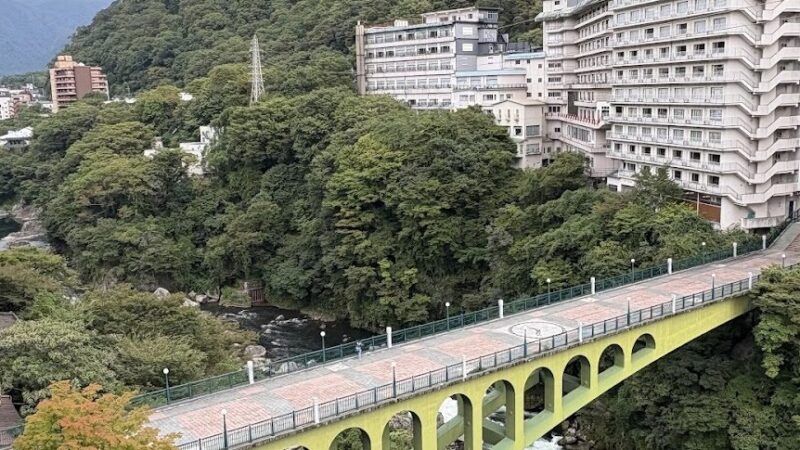
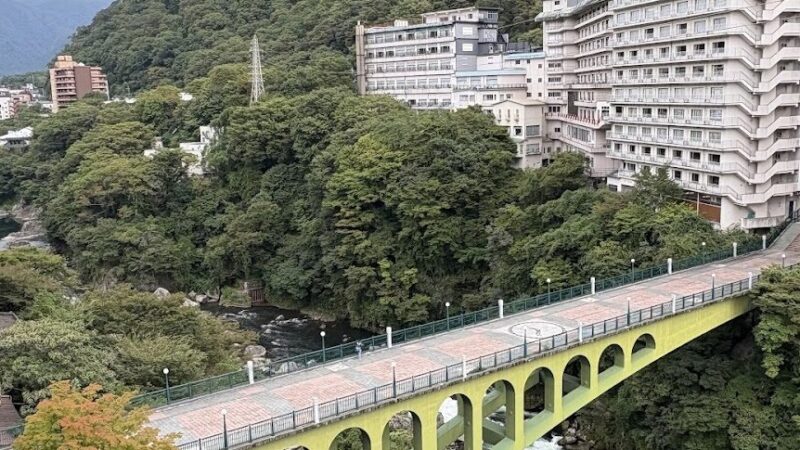
Yuunishikawa Onsen is a hot spring resort situated along the Yuunishikawa Gorge within Nikko National Park in Nikko City, Tochigi Prefecture. Located at an elevation of approximately 700 meters in a mountainous area, it is known as a “secret hot spring” because it lies deeper in the mountains than Kinugawa Onsen and Kawaji Onsen.
The History of Opening and the Heike Clan Legend
Yuunishikawa Onsen is said to have opened in 1573 (the first year of Tensho), boasting a history of over 400 years. The most famous legend tells of members of the Heike clan who fled here after their defeat at the Battle of Dan-no-ura (1185) to escape pursuers, where they discovered hot spring water gushing from the riverbed and used it to heal their wounds.
The Heike refugees lived hidden in this remote mountainous area away from public view, establishing their own unique culture. Even today, the Heike family crest, the “akihachō” (swallowtail butterfly), can be seen throughout the hot spring town, and facilities and dishes that allow visitors to experience fallen clan culture remain. The entire hot spring resort is enveloped in historical romance, providing visitors with a special sense of atmosphere.
The Location and Natural Environment of the Hot Spring Resort
Yuunishikawa Onsen is a gorge hot spring resort where inns and homes are scattered along the Yuunishikawa, part of the Tone River system class-one river system. Surrounded by deep mountains, broadleaf forests of beech and maple create a rich natural landscape.
Spring brings fresh greenery, summer offers clear streams and deep green, autumn presents autumn leaves, and winter showcases snowy scenery—visitors can enjoy beautiful nature in all its seasonal variations. Particularly during autumn foliage season, the entire gorge transforms into shades of red and yellow, making the view from the hot spring truly exceptional.
The Water Quality and Effects of Yuunishikawa Onsen | An Alkaline Simple Hot Spring Known as a Beauty Spring
The Water Quality and Characteristics of the Hot Spring
Yuunishikawa Onsen’s water quality is alkaline simple hot spring. It is colorless, transparent, odorless, and tasteless, with relatively few minerals and mild stimulation, making it gentle on the skin and safe for people of all ages to enjoy.
Alkaline hot springs soften skin keratin, earning the name “beauty spring.” After bathing, skin becomes smooth and silky, making this water quality particularly popular with women. Additionally, due to minimal stimulation, children, elderly people, and those with sensitive skin can bathe with confidence.
The Effects of the Hot Spring
The primary effects of Yuunishikawa Onsen are as follows:
- General indications: muscle pain, joint pain, frozen shoulder, motor paralysis, joint stiffness, bruising, sprains, chronic digestive disorders, hemorrhoids, poor circulation, recovery from illness, fatigue relief, health promotion
- Beauty effects: alkaline keratin softening action makes skin smooth and supple
- Relaxation effects: mild stimulation allows for long bathing periods, providing both physical and mental relaxation
Why It’s Called a “Heaven of Open-Air Baths”
Yuunishikawa Onsen bears the nickname “heaven of open-air baths,” with over 100 open-air baths said to exist throughout the hot spring town. Taking advantage of the gorge geography, many inns feature open-air baths where guests can listen to the murmuring stream while bathing.
In open-air baths surrounded by gorge nature, visitors can enjoy different atmospheres with each season—spring’s fresh greenery, summer’s starry sky, autumn’s foliage, and winter’s snow-viewing bath. Particularly in winter, soaking in warm water while viewing snow-covered landscapes offers a luxurious experience unique to Yuunishikawa Onsen.
Yuunishikawa Onsen’s Specialties | Rakujin Cuisine and Hearth-Side Food Culture
What is Rakujin Cuisine?
One of the major attractions of Yuunishikawa Onsen is “rakujin ryori” (fallen clan cuisine), which preserves the tradition of the Heike clan. This cuisine recreates the food culture of the fallen clan members who lived self-sufficiently in the mountainous environment, using locally-sourced ingredients such as river fish, mountain vegetables, wild birds, and game meat. It is characterized by simple, profound flavors.
Many inns allow guests to dine around traditional hearths, where charcoal-grilled ingredients and the warmth of the hearth create unforgettable travel memories.
Representative Fallen Clan Dishes
Miso-bera: One of Yuunishikawa Onsen’s signature dishes, featuring wild bird (mainly yamadori—Japanese wood pheasant) ground into miso. This traditional dish carries unique flavor and embodies the wisdom of the fallen clan.
Iwana Bone Sake: Grilled char fish placed in a large sake cup with hot sake poured over it—a local specialty. The smoky aroma of the fish perfectly complements the sake’s flavor, warming the body especially in cold seasons.
River Fish Cuisine: Char, yamame trout, and ayu sweetfish caught in Yuunishikawa can be enjoyed grilled with salt, as sashimi, or tempura. The taste of fresh river fish is incomparable.
Salamander Cuisine: Sanshouo (Japanese giant salamander) is known as a delicacy, enjoyed as deep-fried or skewered preparations. Its unique texture and flavor appeal to adventurous diners.
Wild Bird Cuisine: Dishes featuring wild birds such as yamadori and pheasants. Currently, farmed versions are more commonly used, making this a popular game meat dish.
Venison and Bear Meat Cuisine: Dishes featuring deer and bear meat from the mountains are also served. High in protein, low in calories, and rich in nutritional value, they are excellent for physical conditioning.
The Dining Experience Around the Hearth
Many inns in Yuunishikawa Onsen offer dining around traditional hearths. The experience of enjoying river fish and mountain delicacies slowly grilled over charcoal fire alongside the hearth’s warmth is a luxury impossible to find in urban areas.
Gazing into the flames while conversing with family and companions creates the finest memories of your trip. In winter especially, the hearth’s warmth is particularly comforting, allowing reflections on the lives of the Heike refugees.
Yuunishikawa Onsen Kamakura Festival | A Winter Tradition
Overview of the Kamakura Festival
The Yuunishikawa Onsen Kamakura Festival is the winter highlight, held from late January through early March each year, creating a magical snowy landscape unique to snowy regions.
Numerous kamakura of various sizes line the Sawaguchi riverbed, and as night falls, approximately 1,200 mini kamakura glow with candlelight. This phantasmagoric scene where snow and flames intertwine creates a beauty that feels like stepping into another world.
Festival Highlights
Mini Kamakura Illumination: The countless mini kamakura lit with candles create a warm, gentle atmosphere against the snowy landscape.
Large Kamakura: Larger kamakura where visitors can actually enter are also installed, enjoyable for both children and adults. Warm beverages can be enjoyed inside.
Heike no Sato Venue: The Kamakura Festival is also held at Heike no Sato, creating picturesque scenery through collaboration between thatched-roof ancient houses and kamakura.
Snow-Viewing Open-Air Baths: During the festival period, snow-viewing baths are particularly special. Soaking in hot water while viewing snowy landscapes offers a luxurious experience unique to winter in Yuunishikawa Onsen.
Festival Period and Precautions
The festival typically runs from late January through early March, though dates vary slightly year to year. Checking the official website for the latest information before visiting is recommended.
Winter in Yuunishikawa Onsen brings heavy snowfall and sub-zero temperatures. Ensure thorough cold-weather preparation and wear non-slip shoes. Road surfaces may freeze, so studless tires or chains are essential when driving.
Access to Yuunishikawa Onsen | Getting There by Car, Train, and Bus
Access by Car
From Tokyo:
- Approximately 90 minutes from “Utsunomiya IC” via the Nikko-Utsunomiya Expressway on the Tohoku Expressway
- Approximately 60 minutes from “Imachi IC” on the Nikko-Utsunomiya Expressway via Route 121
- Distance: Approximately 40km from Imachi IC
GPS Navigation: Search for “Yuunishikawa Onsen” or representative facility names.
Parking: Parking is available at each inn. Many facilities also provide parking for day-use visitors.
Precautions: The road to Yuunishikawa Onsen is a mountain road with many curves and narrow sections. Winter snowfall and freezing are highly likely, making studless tires or chains mandatory. Those uncomfortable with mountain driving should use public transportation.
Access by Train and Bus
From Tokyo:
- Take the express on Tobu Railway from “Asakusa Station” to “Kinugawa Onsen Station” in approximately 2 hours
- Or take the express from JR “Shinjuku Station” to “Kinugawa Onsen Station” in approximately 2 hours
- From “Kinugawa Onsen Station,” take the Nikko Kotsu bus headed for “Yuunishikawa Onsen” for approximately 50 minutes
Bus Service:
- Nikko Kotsu buses connect Kinugawa Onsen Station and Yuunishikawa Onsen
- Service is limited to several buses per day, so advance timetable confirmation is essential
- Additional temporary buses may run during the Kamakura Festival
Via Yaan Railway:
- From “Kinugawa Onsen Station,” the Yaan Railway runs to “Yuunishikawa Onsen Station” in approximately 30 minutes
- Approximately 15 minutes by car from the station to the hot spring town (accessible via shuttle bus or taxi)
Shuttle Services
Many inns provide shuttle service from Kinugawa Onsen Station and Yuunishikawa Onsen Station. Advance reservation is often necessary, so confirm when making accommodation reservations.
Tourist Attractions Around Yuunishikawa Onsen
Heike no Sato
A theme park recreating the lifestyle of Heike refugees, featuring scattered thatched-roof ancient houses throughout a village settlement. Facilities include a museum teaching Heike history and culture, a traditional hearth-equipped rest area, and souvenir shops, offering a valuable opportunity to experience fallen clan culture.
During the Kamakura Festival, the collaboration between thatched-roof houses and kamakura creates beautiful photo opportunities.
Yuunishikawa Dam (Lake Ikarigasaki)
A relatively new dam completed in 2012, featuring Lake Ikarigasaki renowned as a showcase of fresh greenery and autumn foliage. Dam viewing is available, and dam trading cards are distributed.
Observation decks near the dam offer panoramic views of the dam and gorge. A worthwhile stop during a drive.
Yuunishikawa Mizu no Sato
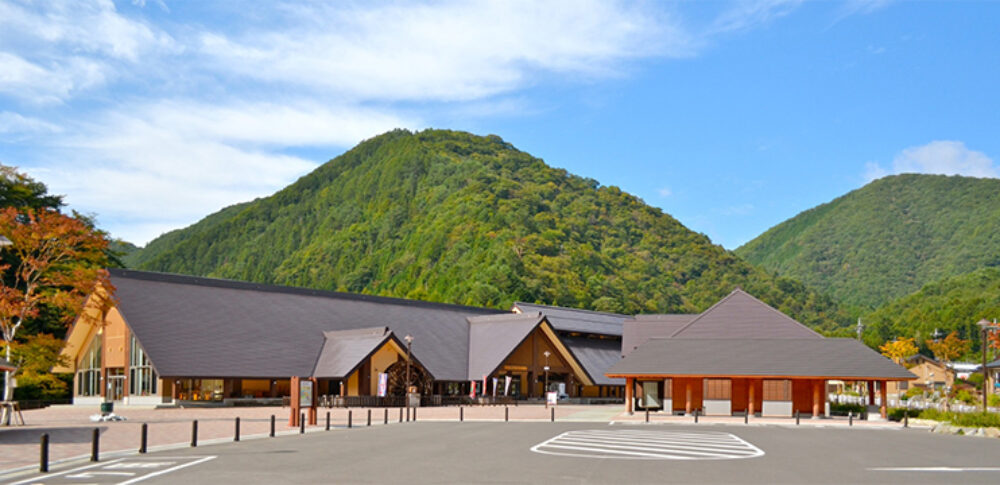
A roadside station at the entrance to Yuunishikawa Onsen, offering local specialties and souvenirs. Its restaurant serves local cuisine using regional ingredients, making it a convenient rest stop.
Ryugukyō (Dragon King Gorge)
A scenic spot approximately 30 minutes by car from Yuunishikawa Onsen. Well-maintained hiking trails allow visitors to enjoy the gorge beauty of the Kinugawa River, ideal for hiking from spring through autumn. Particularly stunning during autumn foliage season.
Kawaji Onsen
A nearby hot spring resort located at the junction of the Kinugawa and Otika rivers. Known for high therapeutic value with the saying “For wounds, Kawaji; for burns, Taki,” many tourists visit both Kawaji and Yuunishikawa onsen together.
Kinugawa Onsen
One of Tochigi Prefecture’s representative hot spring resorts and an access point for Yuunishikawa Onsen. Abundant tourist facilities including Kinugawa River boat rides, Tobu World Square, and Nikko Edo Village make it popular with families.
Recommended Ways to Spend Your Time at Yuunishikawa Onsen
Enjoy Day-Use Hot Spring Bathing
For those unable to stay overnight, day-use bathing is recommended. Many inns accept day visitors, allowing easy access to gorge-side open-air baths.
Day-use bathing costs approximately 500-1,500 yen, with some facilities offering towel rental and meal packages. Confirm operating hours and acceptance status before visiting.
Indulge in Hot Spring Inn Accommodations
To truly experience Yuunishikawa Onsen’s charm, overnight stays are recommended. Hearth-side fallen clan cuisine, gorge-side open-air baths, quiet mountain village nights, and refreshing morning air allow escape from urban bustle and peaceful time spent. Autumn foliage and winter Kamakura Festival periods are particularly popular, so advance reservations are strongly advised.
Enjoy Nature Through the Seasons
Spring: Beautiful season of fresh greenery. Mountain vegetable picking and stream fishing are available.
Summer: Ideal for escaping the heat. Refreshing stream sounds and deep green provide healing.
Autumn: Known as a foliage destination, the entire gorge transforms to reds and yellows. Peak viewing is mid-October through early November.
Winter: Kamakura Festival and snow-viewing baths. Hot spring bathing amid phantasmagoric snowy landscapes is extraordinary.
Experience Heike Culture
Visit Heike no Sato, listen to Heike legends at inns, taste fallen clan cuisine—Yuunishikawa Onsen offers unique historical and cultural experiences. Ideal for history enthusiasts.
Yuunishikawa Onsen Accommodations | How to Choose an Inn
Historic Inns Preserving Tradition
Yuunishikawa Onsen features several inns founded over 100 years ago. Traditional architecture, hearth-side dining, and source-supplied hot springs offer classic hot spring inn experiences.
Representative historic inns include “Yuunishikawa Honkan” and “Honke Tomohisa Inn,” popular for allowing visitors to experience Heike refugee history.
Modern Inns Providing Resort Atmosphere
Recently, inns balancing tradition with contemporary amenities and services have increased. “Irodori Yu Kashiki Hana to Hana” offers all-inclusive plans where beverages and light meals are freely available throughout stays, representing a new hot spring resort style.
Guesthouses Offering Homey Atmosphere
Many small family-run guesthouses exist, offering homey atmosphere and homemade cuisine. Reasonable rates and suitability for extended stays or solo travel make them appealing options.
Inn Selection Pointers
- Open-air bath availability: Check for gorge-side open-air baths
- Meal content: Confirm fallen clan cuisine availability
- Shuttle service: Verify station transportation availability
- Room types: Japanese, Western, rooms with private open-air baths
- Day-use bathing: Check if non-lodgers can use facilities
Precautions and Etiquette When Visiting Yuunishikawa Onsen
Mixed-Gender Bathing
Yuunishikawa Onsen features traditional mixed-gender open-air baths. Respect each facility’s rules and consider other bathers. Many facilities designate women-only bathing times, so verify in advance.
Consideration for Thatched-Roof Structures
Thatched-roof ancient houses at Heike no Sato are fire-restricted—no smoking indoors. Handle buildings and exhibits respectfully.
Natural Environment Protection
Yuunishikawa Onsen is surrounded by rich nature. Practice trash removal, prohibit plant collection, avoid feeding wildlife—observe environmental protection etiquette.
Winter Visit Preparation
Winter brings heavy snowfall and sub-zero temperatures. Essential items include cold-weather clothes, non-slip shoes, gloves, and hats. Vehicle visitors must have studless tires or chains.
Reservations and Inquiries
Weekends, holidays, foliage season, and Kamakura Festival periods see heavy crowds. Pre-reserve accommodations or day-use facilities and confirm conditions in advance.
Maximizing Yuunishikawa Onsen’s Charm
Yuunishikawa Onsen possesses diverse appeal: historical romance from the Heike refugee legend, quality beauty springs, fallen clan cuisine enjoyed around traditional hearths, seasonal gorge beauty, and winter’s phantasmagoric Kamakura Festival.
Ideal for those seeking escape from urban noise and peaceful mountain time, those interested in history and culture, those wishing to savor regional cuisine, and those seeking natural refreshment—Yuunishikawa Onsen serves all these purposes.
Day visits or overnight stays both offer unique Yuunishikawa experiences. Truly experience this secret spring’s magic. In this mountain resort where Heike refugee history lives on, special healing time awaits.
Combining Yuunishikawa Onsen with Nikko and Kinugawa visits enriches Tochigi travel. Each season reveals different faces of this ever-compelling resort.
Frequently Asked Questions (FAQ)
Q1: What is the most convenient access method to Yuunishikawa Onsen?
A1: Car access is most convenient, requiring approximately 60 minutes from the Nikko-Utsunomiya Expressway “Imachi IC.” For public transportation, take the Tobu Railway express to “Kinugawa Onsen Station,” then ride the Nikko Kotsu bus for approximately 50 minutes. However, limited bus service requires advance schedule confirmation. Winter road freezing demands studless tires or chains.
Q2: Is day-use bathing available at Yuunishikawa Onsen?
A2: Yes, most inns accept day-use visitors. Costs range from 500-1,500 yen, with operating hours typically 11:00-15:00, varying by facility. Lodging guests have priority, with capacity sometimes restricted during crowding. Phone confirmation before visiting is advisable.
Q3: When is the Yuunishikawa Onsen Kamakura Festival held?
A3: The festival typically runs late January through early March, with specific dates varying yearly. Check official sites or tourism associations for current information before visiting. Approximately 1,200 mini kamakura are candlelit at night, creating a phantasmagoric scene. This highly popular period demands early booking.
Q4: What are the water quality and effects of Yuunishikawa Onsen?
A4: Yuunishikawa Onsen features alkaline simple hot spring water—colorless, transparent, odorless, and tasteless. Being gentle on skin and titled “beauty spring,” it’s known for skin smoothing properties. Primary effects include muscle pain, joint pain, poor circulation, fatigue relief, and health promotion. The alkaline action softens skin keratin, leaving skin silky. All ages can safely bathe.
Q5: What are Yuunishikawa Onsen’s signature dishes?
A5: The signature “rakujin ryori” (fallen clan cuisine) preserves Heike traditions. Notable dishes include “miso-bera” (wild bird ground into miso) and “iwana bone sake” (char fish in hot sake). River fish (char, yamame), salamander, venison, and bear meat grilled around traditional hearths showcase mountain cuisine. Most inns offer hearth-side dining, allowing authentic fallen clan food culture experience.
Q6: What are recommended tourist attractions around Yuunishikawa Onsen?
A6: Nearby attractions include “Heike no Sato” (recreating fallen clan life), scenic “Ryugukyō Gorge,” neighboring “Kawaji Onsen” and “Kinugawa Onsen,” and “Yuunishikawa Dam” (viewable). Autumn foliage colors the entire gorge beautifully, ideal for drives and hiking. These combine well with Nikko area attractions like Nikko Toshogu Shrine.
Q7: Is Yuunishikawa Onsen suitable for solo travel?
A7: Yes, Yuunishikawa Onsen suits solo travelers perfectly. The quiet mountain environment allows self-paced hot spring enjoyment. Many inns welcome solo guests, some offering single-stay plans. Reading, walking, and frequent bathing fill your free time. Confirm single-guest acceptance when reserving.
Q8: What is the best season to visit Yuunishikawa Onsen?
A8: Each season offers distinct charm: spring (fresh greenery), summer (heat escape), autumn (foliage—mid-October through early November peak), and winter (Kamakura Festival and snow-viewing baths). Foliage season and festival period are most popular. For fewer crowds, spring and early summer are recommended. All seasons deliver gorge natural beauty and hot spring enjoyment—choose based on preference and purpose.