Awara Onsen, Fukui Prefecture Complete Guide | Enjoying 74 Hot Springs and Hokuriku Charm at the Kansai Retreat
Awara Onsen (Ashihara Onsen), located in Awara City, Fukui Prefecture, has been loved by many people since its opening during the Meiji era as the “Kansai Retreat” and is a representative hot spring destination in Hokuriku. This hot spring resort, which attracts over one million visitors annually, has 74 hot springs and features the rare nationwide characteristic that each inn possesses its own spring. This article provides comprehensive information about the appeal of Awara Onsen, from its history and water quality to recommended inns, access methods, and surrounding tourist attractions.
Awara Onsen Explained | Overview of Fukui Prefecture’s Premier Hot Spring Town
Awara Onsen is a hot spring resort located in Awara City at the northern tip of Fukui Prefecture. It has developed alongside Kaga Onsen as an important hub for Hokuriku tourism. The hot spring town features approximately 33 inns and hotels, each known for possessing its own hot spring.
Why It’s Called the “Kansai Retreat”
The reason Awara Onsen is called the “Kansai Retreat” lies in its location and history. While relatively accessible from the Kansai region such as Osaka and Kyoto, it developed as a retreat for wealthy Kansai residents and culturalists due to the ability to experience Hokuriku’s unique atmosphere and tranquility. It is known as the setting for Tsutomu Mizukami’s masterpiece “Echizen Bamboo Doll,” and many literary figures have visited this place to gather inspiration for their works.
Diversity Brought by 74 Hot Springs
The greatest feature of Awara Onsen is that the entire hot spring town has 74 hot springs. While most hot spring resorts commonly manage springs collectively, at Awara Onsen each accommodation facility owns its own separate spring. This means that even within the same hot spring town, the water quality and therapeutic properties differ subtly from inn to inn, allowing visitors to enjoy different hot spring experiences with each visit.
History of Awara Onsen | Hot Spring Culture Continuing from the Meiji Era
The Story of Its Opening | Discovery in Meiji 16
The history of Awara Onsen began in Meiji 16 (1883). A farmer excavating a well for irrigation water is said to have accidentally discovered approximately 80°C hot water gushing forth. Initially planned for use as agricultural water, the recognition of its value as a hot spring due to the high-temperature water led to development as a hot spring destination.
Development of the Hot Spring Town and Connection with Cultural Figures
Following its opening, Awara Onsen developed rapidly. As the Hokuriku Main Line opened, improving transportation, the number of guests from the Kansai region and tourists increased, and inns were built one after another. By the early Showa period, it had already established its position as a representative hot spring destination in Hokuriku.
Author Tsutomu Mizukami wrote “Echizen Bamboo Doll,” which depicts the tragic romance between a courtesan and a bamboo doll craftsman at Awara Onsen, and through this work the name of Awara Onsen became known throughout the nation. Many other literary figures visited this place, and Awara Onsen developed further as a culturally significant hot spring destination.
Modern Awara Onsen | Hokuriku Shinkansen Opening and a New Era
With the extension opening of the Hokuriku Shinkansen in March 2024, Ashihara Onsen Station becoming a shinkansen stop has ushered Awara Onsen into a new period of development. Access from Tokyo has improved dramatically, and tourists from not only Kansai but also the Tokyo metropolitan area are increasing. The hot spring town is advancing development that maintains tradition while responding to the new era.
Water Quality and Efficacy of Awara Onsen | Appeal of Hot Springs That Differ by Spring
Main Types of Water Quality
Awara Onsen has 74 hot springs with diverse water qualities, and the main types are as follows:
- Sodium-Calcium-Chloride Spring: The most common water quality, characterized by high heat retention and resistance to heat loss
- Sulfur-Containing Sodium-Chloride Spring: Contains sulfur components and offers expected beauty benefits for the skin
- Simple Thermal Water: Low irritation and gentle on the skin
Spring temperatures range from approximately 60°C to 80°C, and each inn provides water adjusted to comfortable temperatures.
Therapeutic Effects of the Hot Springs
The hot springs at Awara Onsen are expected to provide the following benefits:
- Relief from neuralgia, muscle pain, and joint pain
- Recovery from fatigue
- Improvement of poor circulation
- Health promotion
- Beauty benefits for the skin
- Promotion of healing of cuts and burns
Chloride springs are characterized by high heat retention due to salt adhering to the skin, and the body remains warm for an extended period after bathing.
Different Hot Spring Experiences at Each Inn
The greatest appeal of Awara Onsen is the ability to enjoy different water qualities depending on which inn you stay at. Because common management of springs is not practiced, each inn possesses its own spring with individual characteristics. Those wishing to experience hot spring hopping can stay at multiple inns or use day-use bathing facilities to experience various water qualities.
Recommended Inns and Hotels | Awara Onsen Accommodations
Prestigious Traditional Inns
Matsuya Chisen
“Chisen” is one of the high-end inns representing Awara Onsen. Its pride is the “Thousand Overflow Bath,” one of Hokuriku’s largest outdoor baths, offering an open-air hot spring experience. Some guest rooms have private outdoor baths, allowing for private time. The cuisine features kaiseki-style meals prepared with fresh Fukui ingredients, and the winter Echizen crab is exceptional.
Awara Onsen Bimatsu
Bimatsu is a popular inn harmonizing tradition and modernity. It offers convenient access from Ashihara Onsen Station on the Hokuriku Shinkansen, with Japanese tea café “Charakugaya” and antenna shop “Fukujinki” also located within the facility. Day-use bathing is also available, making it possible to visit between sightseeing.
Awara Onsen Seifuusou
Seifuusou is popular for its Hokuriku largest garden outdoor bath. The theater-style buffet offers seasonal dishes and all-you-can-drink service. It is especially recommended for families and group accommodations.
Affordable Accommodations
Ooedo Onsen Monogatari Awara
A facility from the nationwide Ooedo Onsen Monogatari group where you can enjoy hot springs and buffet cuisine at reasonable rates. The casual atmosphere makes it perfect for those wanting to enjoy a hot spring trip without formality.
Grandia Housen
An inn boasting spacious public baths and outdoor baths. With reasonable pricing, it offers excellent cost performance. It accommodates family trips and group travel.
Other Popular Inns
- Haiya: An established inn whose charm lies in its calm Japanese atmosphere
- Hasegawa: A hot spring inn with a reputation for homey hospitality
- Hotel Yagi: A blend of modern facilities and traditional service
- Taiheigyoku: A hidden gem inn where you can relax in a quiet environment
Day-Use Hot Spring Facilities | Enjoying Awara Onsen at Leisure
Sentpia Awara
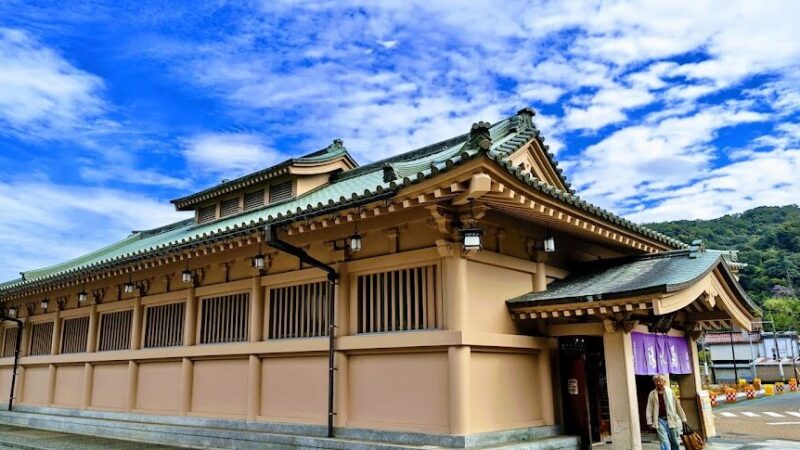
“Sentpia Awara,” a day-use hot spring facility operated by Awara City, is popular with both locals and tourists.
Facility Information:
- Address: 4-chome Onsen, Awara City, Fukui Prefecture 305
- Hours: 10:00-23:00 (last entry 22:30)
- Closed: Third Tuesday of each month
- Fee: Approximately 500 yen for adults (varies by season)
Equipped with public baths, outdoor baths, and saunas, you can enjoy full-scale hot springs at reasonable rates. It’s recommended to use between sightseeing or before and after accommodation.
Inn Day-Use Bathing
Many inns offer day-use bathing plans. Some inns, including Bimatsu, offer day-use bathing combined with meals on a reservation basis. It’s a good opportunity to experience high-end inn hot springs casually.
Access to Awara Onsen | Transportation and Travel Time
Access by Hokuriku Shinkansen (Opened March 2024)
Access to Awara Onsen has improved dramatically with the extension opening of the Hokuriku Shinkansen in March 2024.
- From Tokyo Station: Approximately 3 hours via Hokuriku Shinkansen, get off at Ashihara Onsen Station
- From Kanazawa Station: Approximately 20 minutes via Hokuriku Shinkansen, get off at Ashihara Onsen Station
- From Toyama Station: Approximately 40 minutes via Hokuriku Shinkansen, get off at Ashihara Onsen Station
From Ashihara Onsen Station to the hot spring town is approximately 10 minutes by bus or taxi. Many inns offer shuttle service from the station.
Access by Conventional Train
- From Osaka Station: Approximately 2 hours 10 minutes via Limited Express Thunderbird, get off at Ashihara Onsen Station
- From Kyoto Station: Approximately 1 hour 40 minutes via Limited Express Thunderbird, get off at Ashihara Onsen Station
- From Nagoya Station: Approximately 2 hours 30 minutes via Limited Express Shirasagi, get off at Ashihara Onsen Station
Access by Car
- Hokuriku Expressway: Approximately 15 minutes from Kanazu IC
- From Osaka area: Approximately 3 hours
- From Nagoya area: Approximately 2 hours 30 minutes
- From Kanazawa area: Approximately 1 hour
Parking lots at each inn are available at no charge for guests.
Access from Airports
- From Komatsu Airport: Approximately 40 minutes by bus or taxi
- From Fukui Airport: Approximately 30 minutes by car (no regular flights operate)
Car Sharing Service
As an environmentally conscious initiative, car sharing service has been introduced in Awara Onsen town. While staying at the hot spring resort, you can easily venture out to nearby tourist attractions.
Surrounding Tourist Attractions of Awara Onsen | Abundant Points of Interest for Fukui Sightseeing
Tojinbo (Approximately 20 minutes by car)
A scenic spot representing Fukui Prefecture and designated as a National Natural Monument. The sea cliffs created by the rough waves of the Japan Sea are magnificent, and the view from a sightseeing boat is also popular. As the nearest major tourist attraction from Awara Onsen, it attracts many visitors.
Eihei-ji Temple (Approximately 40 minutes by car)
Known as the head temple of the Soto Zen sect, Eihei-ji is a Zen meditation training hall founded by Dogen Zenji. You can experience zazen meditation and enjoy shojin vegetarian cuisine in a solemn atmosphere. The natural beauty of each season is also noteworthy.
Maruoka Castle (Approximately 30 minutes by car)
Maruoka Castle, featuring one of Japan’s oldest existing castle keeps, is also known as a cherry blossom viewing spot. Though small, it is a beautiful castle and a must-see for history enthusiasts.
Echizen Matsushima Aquarium (Approximately 25 minutes by car)
A hands-on aquarium where you can see, touch, and learn through enjoyment. With attractions such as dolphin shows and penguin walks, it is popular with families.
Kanazawa City (Approximately 20 minutes by Hokuriku Shinkansen)
With the opening of the Hokuriku Shinkansen, access to Kanazawa city has become convenient. You can enjoy Kanazawa’s tourist spots such as Kenroku Garden, Kanazawa Castle, and Higashi Chaya District on a day trip.
Kitakata Lake (Approximately 10 minutes by car)
A scenic lake within Awara City where cycling and boating are available. The cherry tree-lined lakeside is beautiful in spring, coloring the surroundings. It’s a spot where you can relax in a quiet natural environment.
Savoring Food at Awara Onsen | Rich Fukui Ingredients
Winter’s King of Flavors: Echizen Crab
The greatest appeal of Awara Onsen in winter is undoubtedly Echizen crab. During the fishing season from early November to mid-March, many inns serve Echizen crab dishes. You can savor fresh crab prepared in various ways including sashimi, grilled crab, crab hot pot, and crab and rice porridge.
Echizen crab is the brand name for snow crab caught off the Fukui coast, and due to its high quality it is also called the “King of Crabs.” Identified by a yellow tag, it is characterized by the sweetness of the meat and fine texture.
Summer’s Fresh Fruits
During summer at Awara Onsen, you can enjoy fresh fruits produced in Fukui Prefecture. Fukui Prefecture is particularly known as a producer of plums and watermelons, and sweet, juicy fruits appear in inn meals.
Echizen Soba
Echizen soba, a local Fukui dish, is something you must try at Awara Onsen. The standard “grated radish soba” uses plenty of grated daikon radish and offers a deep flavor despite its simplicity.
Wakasa Beef
Wakasa beef, Fukui Prefecture’s brand beef, is characterized by fine-grained marbling and tender meat. Many inns serve Wakasa beef steak or sukiyaki as the main course of kaiseki meals.
Fresh Local Seafood
Fresh seafood unique to Fukui Prefecture facing the Japan Sea also colors the appeal of Awara Onsen’s cuisine. Sweet shrimp, nodoguro, mackerel, and other seasonal fish add variety to inn meals.
Events and Seasonal Enjoyment of Awara Onsen
Spring (March to May)
During spring at Awara Onsen, the hot spring town takes on a vibrant atmosphere with cherry blossom blooms. The cherry tree-lined lakeside of Kitakata Lake is particularly beautiful, and trips combining cherry blossom viewing with hot springs are popular. You can also enjoy dishes made with spring ingredients.
Summer (June to August)
During summer, Awara Onsen hosts events such as “Yukata Festival,” making the hot spring town lively. There’s an atmospheric experience of strolling through the hot spring town in a yukata. Refreshing outdoor baths make you forget the summer heat.
Fall (September to November)
Fall is the season for autumn leaves, when the surrounding mountains become colorful. Additionally, from early November the Echizen crab fishing season opens, and the entire hot spring town becomes crab-themed. Many inns feature crab cuisine plans with reservations becoming scarce during this popular season.
Winter (December to February)
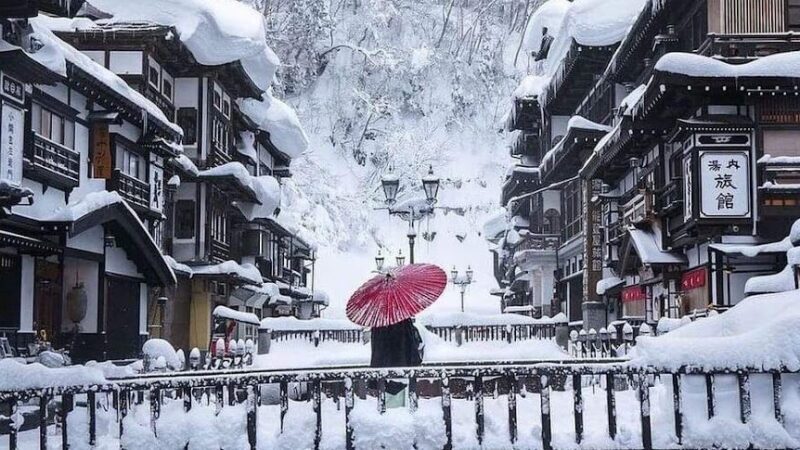
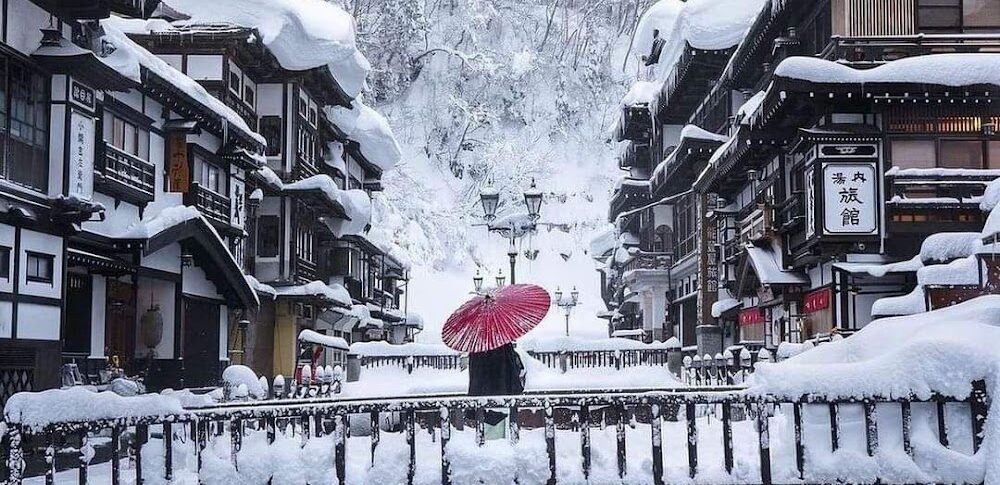
Winter at Awara Onsen is the height of Echizen crab season. Soaking in an outdoor bath while viewing snowy scenery is exceptional, allowing you to fully appreciate the essence of hot spring bathing. Many inns also offer special hospitality plans during the year-end and New Year periods.
Hospitality Culture of Awara Onsen | Appeal of the Hot Spring Town
Individual Inn Characteristics
Each inn at Awara Onsen possesses its own spirit of hospitality. Beyond having different springs, each inn differs in food content, room atmosphere, and service style. Every visit offers new discoveries.
Strolling Through the Hot Spring Town
The Awara Onsen hot spring town features numerous spots worth photographing. You can enjoy the retro atmosphere of the town’s streetscape, foot bath spots, and shops handling local specialties simply by strolling through.
Community Connection
Awara Onsen is a hot spring town with strong ties to the local community. It actively uses local ingredients and values local culture and traditions. The entire Awara City welcomes tourists with hospitality.
Awara Onsen Booking Methods and Money-Saving Information
Using Reservation Sites
Awara Onsen inns can be reserved through major travel booking sites (Rakuten Travel, Jalan.net, Ikyu.com, etc.). Each site offers point returns and coupons, so comparing multiple sites is recommended.
Direct Booking from Official Sites
Many inns offer benefits for direct reservations on their official sites. You may receive lowest price guarantees, special plans, and services such as early check-in and late check-out.
Peak Season and Pricing
Prices vary significantly by season. The highest prices are during Echizen crab season (November to March), and early reservations are necessary especially for weekends and year-end/New Year periods. Conversely, summer and weekdays offer relatively affordable rates.
Multi-Night Discounts and Early Booking Benefits
Many inns offer multi-night and early booking discounts. Those planning longer stays or with fixed schedules can save money using these benefits.
Tips for Maximizing Enjoyment of Awara Onsen
Recommended Length of Stay
For a stay centered around Awara Onsen with sightseeing in Fukui or Hokuriku, 2 nights and 3 days are recommended. On day one, after arriving at Awara Onsen, stroll through the hot spring town, enjoy dinner and bathing. On day two, visit nearby attractions such as Tojinbo and Eihei-ji Temple. On day three, extend to the Kanazawa area, creating a fulfilling itinerary.
Enjoying Hot Spring Hopping
Those wishing to enjoy hot springs at multiple inns should utilize day-use bathing and hot spring tour tickets. The Awara Onsen Inn Association provides information on participating inns, making it easier to plan if you check in advance.
Convenient Items to Bring
- When strolling in yukata: Comfortable sandals are convenient for those unaccustomed to geta sandals
- Camera: For photographing the hot spring town and surrounding scenery
- Folding umbrella: Fukui Prefecture has high precipitation, so prepare for weather changes
- Moisturizing cream: Skin may dry from frequent bathing
Etiquette and Precautions
- In source hot spring facilities, refrain from wasting hot water
- At outdoor baths, be considerate of surroundings
- Maintain quiet within the inn, respecting other guests
- Meal times are often reservation-based, so be punctual
Conclusion | Blissful Time Spent at Awara Onsen
Awara Onsen, with over 140 years of history since opening during the Meiji era, is a representative hot spring destination in Fukui Prefecture loved as the “Kansai Retreat” by many people. It possesses the rare nationwide characteristic of having 74 hot springs with each inn offering its own water quality.
With the opening of the Hokuriku Shinkansen, access from Tokyo has improved dramatically, allowing more people to experience the appeal of this hot spring. Winter Echizen crab, summer fresh fruits, and nature and culture available year-round. Awara Onsen is a comprehensive tourist destination harmonizing hot springs, food, history, and nature.
Access to surrounding tourist spots such as Tojinbo, Eihei-ji Temple, and Kanazawa is also excellent, making it an ideal base for Hokuriku sightseeing. Whether you spend leisurely time at a traditional inn or enjoy surrounding sightseeing, you can enjoy a hot spring trip in your preferred style.
Time spent at Awara Onsen provides a valuable experience to forget daily hustle and bustle and refresh both body and mind. Consider visiting Awara Onsen for your next trip. The warm hospitality of the hot spring town and the unique appeal of Hokuriku await you.