Motta Kaigan Onsen (Shimamaki Village, Hokkaido) Complete Guide | Charm of a Hidden Gem Radium Hot Spring and Spectacular Open-Air Bath
Motta Kaigan Onsen, situated on the coastline of Shimamaki Village on Hokkaido’s Sea of Japan side, is known as an extremely rare radium hot spring within the prefecture. The majestic view of the Sea of Japan spreading before your eyes and the unique bathing space created by thermal spring deposits covering the floor are highly regarded among hot spring enthusiasts as “a hot spring that should be visited at least once.”
This article conveys the charms of Motta Kaigan Onsen in full. We comprehensively explain information you should know before visiting, including characteristics of the spring quality, access methods, day-trip bathing information, nearby tourist attractions, and local cuisine.
About Motta Kaigan Onsen
Natural Radium Hot Spring Preserved by a Secluded Inn
Motta Kaigan Onsen is a hot spring located at 362-1 Sakae Hama, Shimamaki Village, Shimamaki County, Hokkaido, with “Motta Kaigan Onsen Ryokan” operating as the only accommodation facility. With the Karyama Prefectural Natural Park at its back and flowing in front of the No. 2 Sakae Hama Fishing Port, this hot spring is known as a “hidden gem hot spring” due to the difficulty of access.
The hot spring name “Motta” is said to derive from the Ainu language, evoking the historical background of this region. Although located along National Route 229, considerable time is required from Sapporo and Hakodate, so visitors tend to be devoted hot spring enthusiasts.
Radium Content Rivaling Tamagawa Onsen
The greatest characteristic of Motta Kaigan Onsen is the high radium content revealed by research from Hokkaido Medical University. Its radiation dose rate is said to rival Tamagawa Onsen in Akita Prefecture, known as one of Japan’s premier radium hot springs.
This is a precious radium spring, with only five confirmed locations within Hokkaido, and hot spring therapy guests also visit here. Radium hot springs are expected to provide hormesis effects from trace radiation, with immune system enhancement and metabolic promotion traditionally discussed.
Details of Spring Quality and Benefits
Spring Quality: Sodium-Chloride Spring
The official spring quality of Motta Kaigan Onsen is “Sodium-Chloride Spring.” The milky white water also contains sulfur components, with the scent of sulfur permeating the moment you enter the bathing area. This combination of sulfur and radium represents an extremely rare spring quality composition within Hokkaido.
The source water temperature is comfortable, provided fresh from the source. The hot water flowing into the bath is always fresh, allowing you to enjoy pure natural hot spring water without circulation or heating.
Expected Benefits
The general applicable conditions for sodium-chloride springs include the following expected benefits:
- Neuralgia, Muscle Pain, Joint Pain: Thermal effect and heat retention effect from salt
- Cold Sensitivity, Peripheral Circulation Disorders: Salt adheres to skin maintaining heat retention effect
- Arteriosclerosis: Blood circulation promotion through thermal spring components
- Cuts, Burns: Bactericidal action from salt
- Chronic Skin Diseases: Keratin softening action from sulfur components
- Chronic Gynecological Conditions: Pelvic blood flow improvement through thermal effect
From the characteristics as a radium hot spring, effects on gout, hypertension, and chronic cholecystitis are also traditionally discussed.
The Deposits Covering the Floor Are Spectacular
Everyone who visits Motta Kaigan Onsen is invariably amazed by the thermal spring deposits covering the bathing area floor. Accumulated over many years, the thermal spring components have created a unique landscape. While photography is prohibited, this sight is strongly etched in visitors’ memories.
The color of deposits varies from yellow to brown, appearing like a work of art created by nature. While careful footing is necessary, this unique bathing environment becomes the individuality of Motta Kaigan Onsen.
Details of Hot Spring Facilities
Indoor Bath and Open-Air Bath
Motta Kaigan Onsen Ryokan provides both an indoor bath and an open-air bath. The indoor bath is characterized by the aforementioned deposits, allowing you to feel the concentrated thermal spring components on your skin. The milky white water is maintained at comfortable temperature, warming your body from the core with slow soaking.
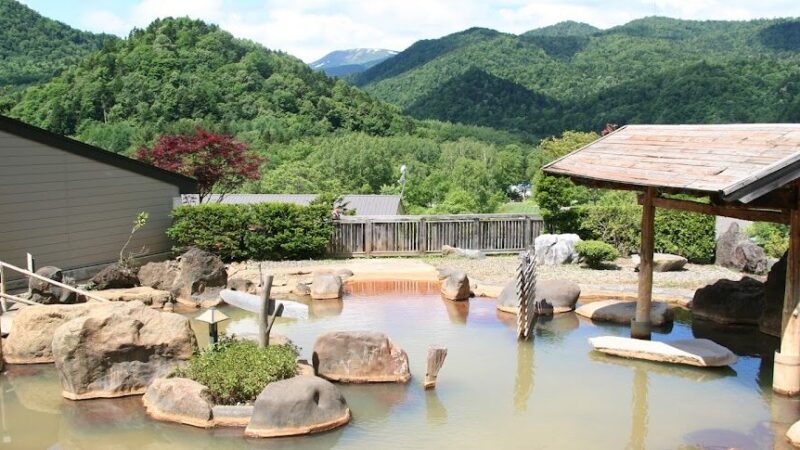
The open-air bath’s greatest charm is its spectacular location overlooking the Sea of Japan. Bathing while taking in the vast seascape and listening to the sound of crashing waves offers a luxury impossible to experience in urban areas.
The Sunset View from the Open-Air Bath Is Spectacular
Many visitors unanimously praise the sunset over the Sea of Japan viewed from the open-air bath. On fortunate weather days, the sun sinking into the horizon paints the sea surface in fantastic orange hues.
Particularly from summer through autumn, bathing times often align with sunset hours, increasing chances to enjoy the spectacular view. In winter, you can witness the dramatic sight of powerful waves crashing on the Sea of Japan, with each season offering different expressions.
Day-Trip Bathing Information
Motta Kaigan Onsen Ryokan also offers day-trip bathing. The opportunity to experience this valuable radium hot spring without staying overnight is a welcome point.
Basic Information for Day-Trip Bathing:
- Operating Hours: Requires prior confirmation (may vary by season and day)
- Charges: Approximately 500 yen per adult (prior confirmation recommended for possible changes)
- Notice: Strongly recommended to confirm in advance by telephone
As a single inn prioritizing lodging guests, day-trip bathing may be refused during crowded times. Advance contact is essential, particularly on weekends and holidays.
Access Methods
Access by Car
Car access is the most practical method to reach Motta Kaigan Onsen. As public transportation is limited, visiting by rental car or personal vehicle is recommended.
Travel Time from Major Cities:
- From Sapporo: Approximately 3.5 to 4 hours (approximately 200 km)
- From Hakodate: Approximately 3 hours (approximately 150 km)
- From Niseko: Approximately 2 hours (approximately 80 km)
Route:
Via National Route 5 to National Route 229 (Sea of Japan Oiwake Soran Line). After entering Shimamaki Village, proceed along the coastal road toward the Sakae Hama district. Road signs make directions relatively clear, but winter snowfall and road freezing require careful attention.
Access by Public Transportation
When using public transportation, the nearest station is Kuromamatsu Station on the JR Hakodate Main Line.
Access from Kuromamatsu Station:
- Bus approximately 115 minutes (though buses are extremely infrequent)
- Taxi use is possible but distance makes fares high
Practically, renting a car from Kuromamatsu or Kutchan Station or using tour bus services is recommended. Access by public transportation alone involves significant time constraints requiring careful advance planning.
Winter Access Precautions
The Sea of Japan side of Hokkaido receives heavy snowfall in winter, and National Route 229 is susceptible to blizzards and road freezing. When visiting between November and March, please note:
- Studless tires are essential
- Prepare for driving in poor visibility from blizzards
- Confirm road information in advance
- Allow ample travel time
- Ensure mobile phone charging and carry emergency supplies
Motta Kaigan Onsen Basic Information
Facility Name: Motta Kaigan Onsen Ryokan
Address: 〒048-0634 Sakae Hama 362-1, Shimamaki Village, Shimamaki County, Hokkaido
Phone Number: 0136-74-5336
Spring Quality: Sodium-Chloride Spring (Radium-containing)
Source Temperature: Comfortable
Use: Lodging and day-trip bathing available (day-trip requires prior confirmation)
Parking: Available (Free)
Official Website: None (telephone inquiry is standard)
About Lodging
Charm of a Single Inn
Motta Kaigan Onsen Ryokan is the sole inn at the hot spring location. Unlike large tourist hotels, you can enjoy relaxed time in a homey atmosphere. Limited guest rooms ensure a quiet environment ideal for those wanting to fully enjoy hot springs.
Cuisine and Meals
Shimamaki Village, facing the Sea of Japan, is a fishing town, with fresh seafood gracing the dining table. Depending on season, sea urchin, abalone, atka mackerel, and other locally caught seafood are served.
Shimamaki Village sea urchin particularly receives high praise within the prefecture, with the opportunity to enjoy exquisite sea urchin cuisine during peak season (June-August). Simple yet ingredient-focused cooking becomes a memorable part of your hot spring trip.
Lodging Rates and Reservations
Lodging rates with two meals are approximately 10,000 to 14,999 yen (varies by season and number of guests). Reservations are made by telephone. Internet booking sites may not handle reservations, making direct phone confirmation of availability recommended.
Weekends, holidays, and summer tourist season see crowding, making early reservations advisable.
Nearby Tourist Attractions
Garo Waterfall
The representative tourist attraction of Shimamaki Village is “Garo Waterfall,” selected as one of Japan’s 100 Famous Waterfalls. This 70-meter waterfall offers magnificent scenery created by powerful water spray and surrounding virgin forest.
Located approximately 30 minutes by car from Motta Kaigan Onsen, it’s worth visiting alongside the hot spring. It’s especially spectacular during new growth and autumn foliage seasons.
Karyama (Prefectural Natural Park)
Rising behind Motta Kaigan Onsen, Karyama is popular with mountaineering enthusiasts. From the 1,520-meter summit, you can view both the Sea of Japan and Uchiura Bay (Toyoshio Bay), with Yotei Mountain visible on clear days.
Full mountaineering equipment is necessary, but nature-rich trekking awaits.
Shimamaki Coastal Line Drive
The coastal line along National Route 229 is one of Hokkaido’s finest scenic drive routes. The landscape created by sheer cliffs and rough Sea of Japan waves is spectacular, with observation spaces at various points offering magnificent ocean views.
The sea’s blue on clear days is incomparable, with the drive itself becoming part of the sightseeing.
Motsuta Cape
Located in northern Shimamaki Village, Motsuta Cape extends into the Sea of Japan with a lighthouse and observation deck. The views from here are wonderful, with the Shakotan Peninsula visible on clear days.
With few visitors and quiet atmosphere, it’s recommended for those wanting to spend unhurried time in nature.
Nearby Recommended Cuisine
Shimamaki Village Seafood Cuisine
Scattered throughout Shimamaki Village are food stalls and inns offering fresh seafood. Sea urchin, abalone, and atka mackerel are local specialties, with exceptional flavors during peak season.
Recommended Seafood:
- Sea Urchin Bowl (June-August peak season)
- Atka Mackerel Fillet (year-round)
- Abalone Cuisine (summer)
- Cod Cuisine (winter)
Michi-no-Eki Shimamaki
Along National Route 229, “Michi-no-Eki Shimamaki” (roadside station) sells local agricultural products, seafood, and processed goods. Convenient as a rest spot, the light food corner offers menus using Shimamaki ingredients.
Perfect for souvenir shopping, with local kelp and dried atka mackerel particularly popular.
Miyanai Onsen (Nearby Hot Spring)
Beyond Motta Kaigan Onsen, other hot springs exist in Shimamaki Village. One is “Miyanai Onsen,” located in the inland part of Shimamaki Village with different spring quality from Motta Kaigan Onsen.
Miyanai Onsen enjoys relatively easy access and operates as a day-trip bathing facility used by locals. Visiting both springs and enjoying hot spring hopping throughout Shimamaki Village offers another option.
Miyanai Onsen Characteristics:
- Spring Quality: Simple hot spring, etc. (differs from Motta Kaigan Onsen)
- Access: Relatively close to National Route 229
- Use: Day-trip bathing available
Experiencing multiple hot springs in the Shimamaki Village area allows comparing their individual characteristics while deepening understanding of Hokkaido’s hot spring culture.
Visitor Trends for Motta Kaigan Onsen
What Type of People Visit?
Those visiting Motta Kaigan Onsen are primarily:
- Hot Spring Enthusiasts: Seeking rare radium hot springs
- Hidden Gem Hot Spring Fans: Enjoying access difficulty
- Those with Spa Therapy Purposes: Expecting therapeutic effects during extended stays
- Photography Enthusiasts: Capturing Sea of Japan spectacular views
- Motorcycle Touring Clients: Hot spring as Hokkaido touring destination
Best Visiting Seasons
Spring (April-June):
Snowmelt progresses and new green foliage is beautiful. Road conditions stabilize, making access easier.
Summer (July-September):
Peak visitor season. Sea delicacies like sea urchin reach peak season with relatively stable weather. Sunset times later, making open-air bath spectacular views more accessible.
Autumn (October-November):
Autumn foliage is beautiful with colorful mountains. Reduced tourists allow peaceful hot spring experiences.
Winter (December-March):
Enjoy dramatic Sea of Japan scenery with powerful crashing waves. Road conditions are severe however, requiring careful access attention. The warmth of hot springs resonates even more in this season.
Frequently Asked Questions About Motta Kaigan Onsen
Q1: Is Reservation Required for Day-Trip Bathing?
A: Not mandatory, but lodging guests take priority at this single inn. Especially on weekends and during peak seasons, advance telephone confirmation is strongly recommended. Given the distance many travel, confirming by phone provides peace of mind that bathing will be possible.
Q2: Is the Hot Spring Radiation Safe?
A: Radium hot spring radiation levels are minute, with no health concerns when used for spa therapy. Rather, hormesis effects are considered health-promoting. However, pregnant women and those receiving radiation therapy should consult physicians beforehand.
Q3: Can Children and Elderly Bathe?
A: While bathing is possible, the floor deposits may be slippery. Small children and elderly with weak legs require careful attention and assistance. Additionally, due to concentrated spring components, avoid prolonged soaking, bathing in accordance with physical condition.
Q4: Are Nearby Convenience Stores or Gas Stations Available?
A: Few commercial facilities exist near Motta Kaigan Onsen. Nearest convenience stores and gas stations require traveling to Shimamaki Village center or Tottori and Kuromamatsu towns. Strongly recommended to arrange necessary supplies and refuel before visiting.
Q5: Is Wi-Fi or Mobile Phone Signal Available?
A: Mobile signal availability varies by provider but generally reaches this area. However, signals weaken in mountainous and coastal areas. Wi-Fi availability requires facility confirmation. Considering digital detox as part of your hot spring trip offers another enjoyment option.
Q6: Can Pets Stay with You?
A: Pet accommodation requires facility confirmation. Most hot spring inns generally disallow pets, though prior consultation may enable accommodation.
Q7: Is Photography Possible?
A: Photography in bathing areas is generally prohibited. This protects other bathing guests’ privacy. Photography of exteriors, surrounding scenery, and meals is usually possible while following facility rules.
Packing Checklist for Your Visit
Items convenient to bring when visiting Motta Kaigan Onsen:
Essential Items:
- Cash (credit cards may not work)
- Driver’s License (when renting cars)
- Towels (facilities may provide but bringing ensures availability)
- Medications
Convenient Items:
- Camera (recording scenery; photography prohibited indoors)
- Binoculars (bird watching and scenery viewing)
- Cold Weather Clothing (especially for winter or spring/autumn visits)
- Rain Gear (preparing for weather changes)
- Drinking Water and Light Snacks (few shops nearby)
- Maps or Navigation Equipment (for weak signal areas)
Summary: Seeking a Unique Hot Spring Experience
Motta Kaigan Onsen possesses charms amply compensating for access difficulty as a hidden gem hot spring. Radium content rivaling Tamagawa Onsen, thermal deposits covering the floor, an open-air bath overlooking sunset over the Sea of Japan, and fresh seafood—all combine offering an unattainable hot spring experience elsewhere.
Located in Shimamaki Village, Hokkaido, access from urban areas requires time, but this preservation of nature and tranquility justifies the journey. Time spent away from daily bustle, enveloped by wave sounds and hot spring blessings, refreshes both body and mind.
A must-visit hidden gem hot spring for enthusiasts—Hokkaido’s pride. For your next hot spring trip, please consider Motta Kaigan Onsen. Conduct thorough advance research and planning for a safe and fulfilling hot spring experience.