Iwanai Hot Spring (Hokkaido) Complete Guide | Thorough Explanation of 2 Spring Qualities and the Appeal of Pure Hot Spring Flow-Through
Iwanai Hot Spring, located in Iwanai Town in the Shiribeshi region of Hokkaido, is a hot spring resort that wells up at the foot of Iwanaidake, the westernmost peak of the Niseko mountain range. Since its opening in 1978 (Showa 53), it has maintained its commitment to 100% pure spring flow-through bathing, and is known throughout Japan as a rare hot spring with two distinct spring qualities—one derived from rainwater and another from seawater origins. It is a Hokkaido-representative hot spring resort where stunning views overlooking the Shakotan Peninsula, fresh seafood from the Sea of Japan, and high-quality hot springs with expected skin-beautifying effects unite in perfect harmony.
History and Background of Iwanai Hot Spring’s Opening
Iwanai Hot Spring opened in 1978 with resort development in the northern foothills of the Niseko mountain system. As Iwanai Town’s only hot spring, it has played an important role as a regional tourism resource. Located on a plateau at approximately 200 meters elevation in the Maruyama district, it started as a thermal therapy resort when first opened, but today it is enjoyed by many tourists as a base for Shakotan Peninsula tourism and as an easily accessible hot spring destination from Sapporo and Niseko.
Iwanai Town is an old port city that prospered with fishing and agriculture, and the hot spring development added new charm to the area. From the hot spring district, one can see the entire coastline of the Shakotan Peninsula, and the fantastical nightscape created by the sunset sinking into the Sea of Japan at dusk and the fishing lights of squid fishing boats at night evoke a uniquely northern sense of traveling romance.
A Rare Hot Spring with Two Distinct Spring Qualities
Bicarbonate Spring from Rainwater Origin: “Skin-Beautifying Hot Water”
A major characteristic of Iwanai Hot Spring is that two different spring qualities well up within a 500-meter radius. The first is sodium-bicarbonate spring that originates from rainwater (including rain and snowmelt), known as “skin-beautifying hot water.”
This bicarbonate spring is a relatively rare spring quality in the Niseko and Shiribeshi region. It has the effect of softening skin keratin and smoothing the skin’s surface, and the skin becomes smooth and silky after bathing. It is characterized by being colorless and transparent with a smooth texture, and is highly popular especially among women.
Chloride Spring from Seawater Origin: “Warming Hot Water”
The second is sodium-chloride spring that originates from seawater, containing high concentrations of minerals and known as “warming hot water.” Due to its high salt concentration, the body remains warm even after bathing, with the heat-retention effect lasting for an extended period. It is a spring quality especially appreciated during Hokkaido winters.
Chloride springs have salt adhere to the skin, preventing sweat evaporation and making the body less prone to cooling down. In addition, the sterilizing action of salt is expected, and it is said to be effective for cuts and skin conditions. The hot water has a brownish hue, allowing one to vividly feel the abundance of sea minerals it contains.
Efficacy Based on Medical and Chemical Research
At Iwanai Hot Spring, medical and chemical surveys have been conducted, with results showing promise for modern people’s beauty activities and health activities. Through the synergistic effects of skin-beautifying results from bicarbonate spring and the heat-retention and blood-circulation-promoting effects of chloride spring, it is evaluated as a hot spring that can refresh both mind and body.
The efficacy of the hot spring includes neuralgia, muscle pain, joint pain, frozen shoulder, motor paralysis, joint stiffness, bruising, sprains, chronic digestive disorders, hemorrhoidal disease, poor circulation, post-illness recovery period, fatigue recovery, and health promotion.
Accommodations and Bathing Facilities That Insist on Pure Spring Flow-Through
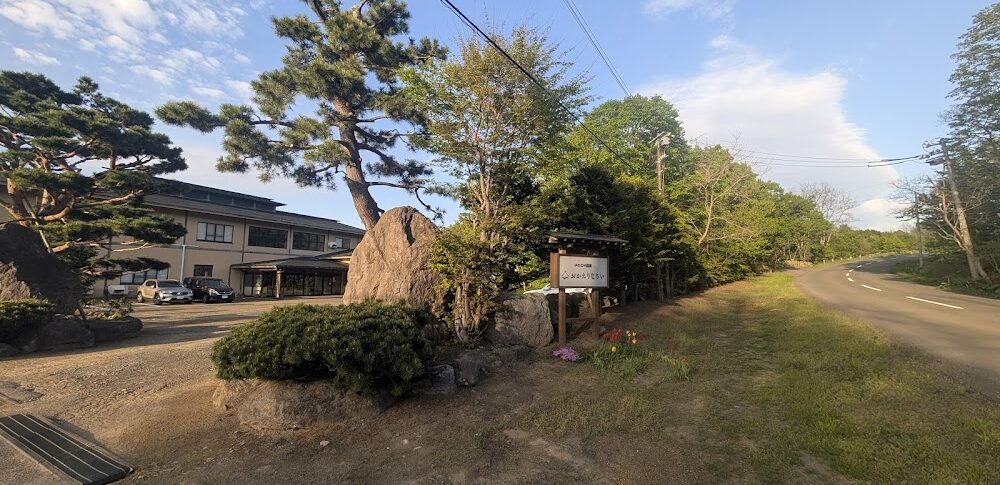
Iwanai Kogen Hotel
The representative accommodation facility of Iwanai Hot Spring is “Iwanai Kogen Hotel.” In 2024, it renovated its large public bath and open-air bath, providing a more comfortable bathing environment. In addition to enjoying the rare natural hot spring with pure spring flow-through bathing, a 100-degree sauna with löyly and outdoor bathing surrounded by outstanding nature are popular features.
The location overlooking the Shakotan Peninsula is spectacular, and from the open-air bath one can enjoy seasonal natural beauty and the stunning Sea of Japan views. Additionally, it adjoins the Arai Memorial Art Museum, which houses Picasso prints, and is known as a hot spring resort hotel where one can enjoy both hot springs and art simultaneously.
From the guest rooms, one can also view the Shakotan Peninsula scenery, and especially the dusk landscape is a guest’s privilege. Meals feature cuisine centered on fresh seafood landed at the local Iwanai port, allowing guests to fully enjoy Hokkaido’s charm in both hot springs and dining.
Iwanai Hot Spring Okaerinasai
“Okaerinasai,” a pure spring flow-through hot spring inn overlooking Iwanai Port, is a popular hot spring inn known for its homey atmosphere and front-beach seafood cuisine. The warm hospitality unique to family management and cuisine made from fish and shellfish caught fresh that very morning are its specialties.
In particular, Iwanai is known as a fishing port for landing “cod,” “atka mackerel,” and “squid,” where one can enjoy exceptionally fresh seafood. The hot spring offers 100% pure spring flow-through bathing with bathhouses where one can enjoy the two spring qualities. The reasonable pricing is also attractive, making it popular with long-stay guests and those seeking thermal therapy.
Other Accommodations and Day-Use Bathing Facilities
In the Iwanai Hot Spring area, there are 4 accommodation facilities and 1 day-use bathing facility, all offering pure spring flow-through hot spring bathing. At the day-use bathing facility, one can experience natural hot springs without staying overnight, making it ideal for stopping by while driving or for day-trip hot spring tours.
Each facility has its own unique characteristics, with differing cuisine content, bathhouse atmosphere, and service content. It is recommended to check information about each facility in advance and select one that matches your purpose and preferences.
Access Methods and Transportation
Access by Car
When accessing Iwanai Hot Spring by car from the Sapporo area, using the Sapporo-Otaru Expressway’s Otaru IC is standard. From Otaru IC, arriving via National Routes 5 and 276 takes approximately 75 to 90 minutes. The distance is approximately 80 kilometers.
From the Niseko area, access is possible via National Route 276 in approximately 30 minutes, and from the Shakotan Peninsula area via National Route 229. During winter, there is a possibility of snow accumulation and icy road surfaces, so installing winter tires and allowing sufficient time for travel is important.
Access by Public Transportation
When using public transportation, using the Central Bus Kousoku Iwanai Line from Sapporo Station is convenient. From the Sapporo Station front terminal to the final Iwanai Bus Terminal takes approximately 2 hours and 30 minutes. From Iwanai Bus Terminal, you can transfer to a local bus heading toward Maruyama, or in cases of arrival in the 15 o’clock hour, you may be able to use the accommodation’s shuttle service.
It is recommended to confirm in advance with the accommodation facility whether shuttle service is available and what times. If using a taxi, it takes approximately 10 minutes from Iwanai Bus Terminal to the hot spring district.
Nearest Airport and Railway Station
The nearest airport is New Chitose Airport, from which renting a car allows access in approximately 2 hours and 30 minutes. For rail travel, the nearest stations are Otaru Station or Kutchan Station on the JR Hakodate Main Line, from which you will need to transfer to bus or taxi.
Tourist Attractions of Shakotan Peninsula and Iwanai Town
Scenic Spots of Shakotan Peninsula
If you visit Iwanai Hot Spring, you’ll definitely want to enjoy sightseeing on the Shakotan Peninsula as well. The Shakotan Peninsula is famous for the transparent blue sea called “Shakotan Blue,” with scenic spots such as Kamui Cape, Shimamuii Coast, and Kogane Cape scattered throughout.
In particular, Kamui Cape is an iconic symbol of the Shakotan Peninsula, with a walking trail developed to the cliff’s edge, allowing one to enjoy the magnificent Sea of Japan scenery in a 360-degree panorama. Shimamuii Coast was selected for “Japan’s 100 Best Beaches” and the view from the observation platform is breathtakingly beautiful.
Cultural Facilities and Attractions in Iwanai Town
Iwanai Town is actually culturally interesting as well. It is known as the place where “hops,” an indispensable ingredient for Japan’s beer industry development, was first discovered in Japan. Additionally, the aforementioned Arai Memorial Art Museum displays masterpieces by artists such as Picasso and Chagall.
Around Iwanai Port, one can purchase fresh seafood at morning markets and fish markets, and local eateries offer dishes made with freshly caught fish and shellfish. Particularly outstanding are sea urchin from spring through summer and cod and atka mackerel from autumn through winter.
Michi-no-Eki Taramarukan
“Michi-no-Eki Taramarukan” along National Route 229 is a popular spot serving as a tourism information base for Iwanai Town, where one can purchase local specialty products and seafood. At the restaurant, one can enjoy dishes made with Iwanai-sourced ingredients, making it ideal for stopping by on the way back from the hot spring.
Gourmet and Food Ingredients around Iwanai Hot Spring
Fresh Seafood from the Sea of Japan
Iwanai Town is a fishing port town facing the Sea of Japan, with abundant seafood landed throughout the year. Spring brings atka mackerel and herring, summer brings sea urchin and abalone, autumn brings salmon and salmon roe, and winter brings cod and yellowtail—one can enjoy seasonal seafood year-round.
In particular, Iwanai cod has been branded as “Iwanai Tara” and is known for its firm flesh and strong sweetness. Additionally, squid fishing boat lights are a local specialty, and fresh squid dishes are representative of Iwanai gourmet offerings.
Cuisine Utilizing Local Ingredients
Hot spring inns serve kaiseki and seafood dishes centered on this fresh seafood. Sashimi, grilled fish, simmered dishes, and hot pot cuisine showcase the excellence of the ingredients through simple cooking methods, allowing one to fully savor the fish’s natural flavor.
Furthermore, the Shiribeshi region is also known for agriculture, with vegetables such as potatoes, asparagus, and tomatoes being particularly delicious. The appeal of Iwanai cuisine is the ability to enjoy both seafood and mountain produce.
How to Enjoy Iwanai Hot Spring and Recommended Plans
Day-Trip Hot Spring Plan
For those with limited time, a day-trip hot spring plan is recommended. With accessibility of approximately 90 minutes by car from Sapporo and 60 minutes from Otaru, one can easily visit on a weekend drive.
A popular day-trip plan involves departing in the morning, enjoying fresh seafood at a local Iwanai seafood restaurant for lunch, spending the afternoon relaxing in the hot spring, and heading home in the evening. If time permits, touring scenic spots on the Shakotan Peninsula is also a good option.
One-Night, Two-Day Hot Spring Vacation Plan
For a more enriching hot spring experience, a one-night, two-day plan is recommended. On the first day, tour scenic spots on the Shakotan Peninsula, arriving at Iwanai Hot Spring in the evening. Bathing three times—before dinner, before bed, and the next morning—allows you to thoroughly experience the difference between the two spring qualities.
In the evening, you can spend relaxed time gazing at the Shakotan Peninsula’s nightscape and the fishing lights of squid boats. After refreshing with a morning bath on the second day, an ideal plan is to enjoy tourism in Iwanai Town and souvenir shopping at the roadside station before heading home after lunch.
Multi-Night and Thermal Therapy Plan
With its high-quality pure spring flow-through hot springs, Iwanai Hot Spring is also suitable for thermal therapy. Some inns offer multi-night plans of three or more days, recommended for those who wish to thoroughly experience the hot spring’s benefits.
Staying multiple nights allows one to better experience the hot spring’s skin-beautifying and heat-retention effects, providing relief from daily fatigue and stress. Some inns offer reasonable pricing, making long-term stays less burdensome.
Seasonal Appeal and Attractions
Spring (April–June)
In spring at Iwanai Hot Spring, fresh greenery arrives with the snowmelt. The slopes of Iwanaidake turn green, and the view from the hot spring becomes even more vivid. This season is also when spring fish such as atka mackerel and herring are delicious.
Around Golden Week, Shakotan Peninsula tourism reaches its best season, and walking trails such as Kamui Cape become easier to traverse.
Summer (July–September)
Summer is when Shakotan Blue’s sea is most beautiful. On clear days, one can see the transparent blue sea that takes one’s breath away. From late June through August when sea urchin fishing is open, many tourists visit seeking fresh sea urchin bowls.
Summer evenings have late sunsets, providing a perfect opportunity to view the sunset from the open-air bath. Squid fishing boat lights can be seen from summer through autumn.
Autumn (October–November)
Autumn is the season of autumn colors, with the mountains around Iwanaidake turning red and yellow. One can enjoy the luxury of soaking in the hot spring while viewing the autumn leaves. Additionally, autumn is a season with abundant autumn flavors such as salmon, salmon roe, and mackerel pike.
As temperatures begin to drop, this is when one can best experience the hot spring’s warming effects.
Winter (December–March)
Winter at Iwanai Hot Spring is when the contrast between snow scenery and hot spring bathing is beautiful. One can enjoy the unique Hokkaido experience of viewing snow-covered scenery from an open-air bath. The winter Sea of Japan is rough and dramatic, with spray visible on the waves.
Winter fish such as cod and yellowtail are also delicious during this season, with hot pot dishes being exceptional. The popular plan of enjoying skiing at Niseko before relaxing in the hot spring is a luxury many seek.
Precautions and Advice When Visiting Iwanai Hot Spring
Reservations and Crowd Conditions
As the accommodations at Iwanai Hot Spring are relatively small-scale, especially on weekends and holidays, as well as during summer sea urchin season, advance reservations are necessary. Popular inns may have full bookings several months in advance, so booking as soon as travel plans are decided is recommended.
For day-use bathing, capacity restrictions may be implemented during busy times, so checking operating hours and crowd conditions in advance provides peace of mind.
Winter Driving and Clothing
When driving by car during winter, always install winter tires and allow sufficient time for travel to prepare for blizzards and icy road surfaces. Special caution is necessary for those unfamiliar with Hokkaido winter driving.
Regarding clothing, while the interior of bathing facilities is warm, the outdoors become extremely cold, so remember to bring warm clothing.
Bathing Etiquette and How to Enjoy the Hot Spring
To preserve the pure spring flow-through hot spring, thoroughly wash your body before bathing and avoid placing towels in the bath—observe basic bathing etiquette. At facilities where you can enjoy two different spring qualities, bathing in both pools to experience the differences is recommended.
Long soaks can strain the body, so maintain appropriate bathing times (approximately 10-15 minutes per session), and ensure adequate water intake.
Conclusion: Refresh Both Mind and Body at Iwanai Hot Spring
Iwanai Hot Spring is a rare hot spring throughout Japan where two distinct spring qualities can be enjoyed—bicarbonate spring derived from rainwater and chloride spring originating from seawater. All facilities offer 100% pure spring flow-through hot spring bathing, allowing one to experience both skin-beautifying and heat-retention effects.
Iwanai Hot Spring, which combines spectacular views overlooking the Shakotan Peninsula, fresh seafood from the Sea of Japan, and high-quality hot springs in a perfect trio, is a hidden gem of Hokkaido hot springs that can be enjoyed in various styles from day-trips to thermal therapy. With excellent accessibility from Sapporo, Otaru, and Niseko, it is ideal as a stopover spot on Hokkaido trips.
Why not spend luxurious time forgetting the hustle and bustle of daily life, slowly soaking in hot springs surrounded by nature, and refreshing both mind and body? Skin and spirit alike find harmony here. That is the experience awaiting you at Iwanai Hot Spring.