Kusatsu Onsen Gunma Prefecture Complete Guide | The Charm and Enjoyment of Japan’s Most Famous Hot Spring with the Highest Natural Discharge Volume
What is Kusatsu Onsen | One of Japan’s Three Premier Hot Springs Boasted by Gunma Prefecture
Kusatsu Onsen is a representative hot spring resort in Japan, located in Kusatsu Town, Agatsuma District, Gunma Prefecture. This hot spring resort, which spreads across a highland at an elevation of approximately 1,200 meters, boasts the highest natural discharge volume in Japan at over 32,300 liters per minute, and has long been known as a “world-renowned hot spring.”
In the Muromachi period, Banri Shujuku recorded it along with Arima Onsen and Gero Onsen as “Three Premier Hot Springs,” and in the Edo period, Hayashi Razan also praised it as “Japan’s Three Premier Hot Springs.” Even today, it continues to develop as one of Japan’s leading hot spring tourism destinations, attracting over three million tourists annually.
Located at the eastern foot of Kusatsu Shirane Mountain, this hot spring resort continues to captivate many people with its abundant hot water volume, excellent water quality, and the charming atmosphere of the hot spring town.
Kusatsu Onsen’s Spring Quality and Effects | Health Benefits from pH 2.1 Strongly Acidic Mineral Water
Japan’s Most Notable Strongly Acidic Mineral Spring
The most distinctive feature of Kusatsu Onsen is that it is a strongly acidic mineral spring with a pH of 2.1, among the most notable in Japan. This strongly acidic hot water has been said since ancient times that “Kusatsu’s water cures all ailments except love sickness,” and is believed to possess excellent therapeutic properties.
Due to the high acidity, the skin may feel a slight sting, which is proof of its powerful sterilizing properties. It is said to be effective in treating skin diseases and healing cuts and wounds, and is recognized for a wide range of benefits including chronic dermatitis, neuralgia, myalgia, arthralgia, frozen shoulder, motor paralysis, chronic gastroenteritis, hemorrhoids, cold sensitivity, and fatigue recovery.
Diversity Brought by Six Hot Springs
Kusatsu Onsen has six main hot springs: Yubatake, Bandai Kou, Nishinokawara, Shirohata, Jizo, and Nikawa. Each has slightly different water quality and temperature, allowing visitors to enjoy the individuality of the water from each spring, which is one of the charms of Kusatsu Onsen.
In particular, the Yubatake spring discharges approximately 4,000 liters per minute as a symbol of Kusatsu, creating a spectacular view 20 meters wide and 60 meters long. Due to this abundant volume, many inns and hotels offer source-fed hot spring baths.
Yubatake | Symbol of Kusatsu Onsen and Center of the Hot Spring Town
Highlights of Yubatake
Yubatake, located at the center of Kusatsu Onsen, is a symbol of Kusatsu that all visitors stop by. The sight of approximately 4,000 liters of hot spring water gushing out per minute with rising steam is spectacular. Especially at night, when illuminated, it creates a fantastical atmosphere.
Around Yubatake, wooden hot spring buckets are lined up, conveying the traditional method of cooling hot spring water called “yumomi.” Foot bath spots are also available nearby, allowing visitors to enjoy hot springs easily during sightseeing.
Exploring Around Yubatake
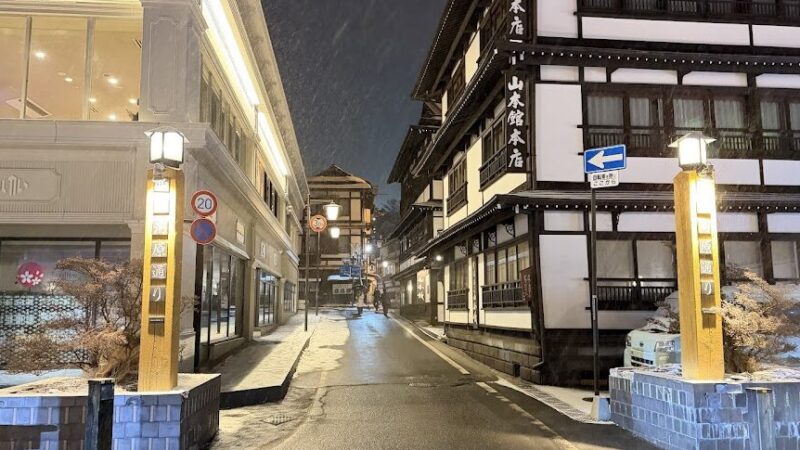
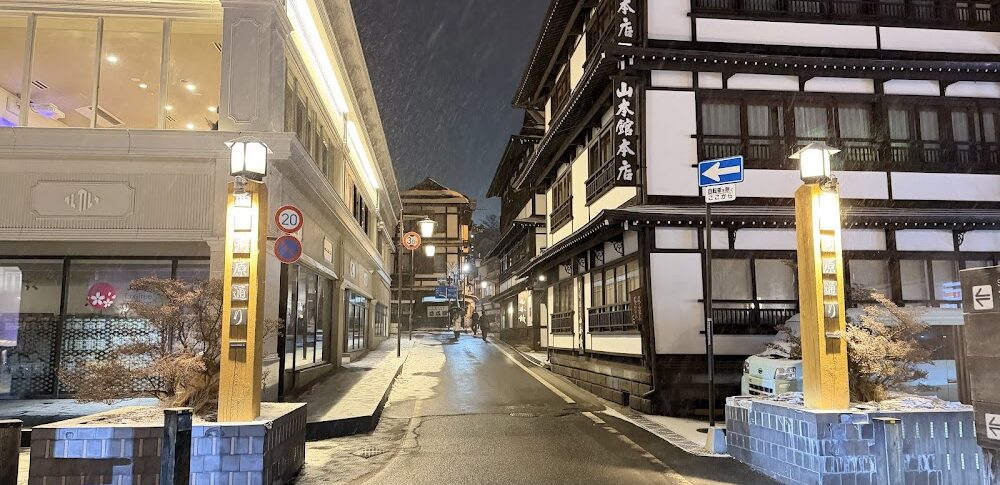
Spreading out from Yubatake is a streetscape that vividly preserves the atmosphere of the hot spring town. Inns, hotels, souvenir shops, and restaurants line the streets, and visitors can be seen strolling in yukata robes.
Walking along the stone-paved roads, visitors can enjoy eating local specialties like hot spring buns and hot spring eggs while wandering, or searching for local crafts—all the unique pleasures of a hot spring town. The main street extending from Yubatake to Nishinokawara is a highlight of Kusatsu Onsen sightseeing.
Kusatsu Onsen’s Day-Trip Hot Spring Facilities | Experience the Differences Between Springs Through “Three Springs Tour”
Otaki no Yu
Otaki no Yu is one of the representative day-trip hot spring facilities of Kusatsu Onsen. It offers a unique bathing method called “awase-yu,” allowing visitors to gradually acclimate their bodies to Kusatsu’s strongly acidic mineral water by entering four bathing pools of different temperatures in sequence.
In addition to indoor baths, there are also abundant outdoor hot spring baths, allowing visitors to fully enjoy hot springs in nature. The facility is clean and spacious, offering an appealing space to spend relaxing time.
Goza no Yu
Located right next to Yubatake, Goza no Yu is characterized by its charming wooden two-story building. This luxurious facility allows visitors to enjoy two different hot springs: the “Yubatake spring” and the “Bandai Kou spring.”
While inheriting the tradition of public baths continuing from the Edo period, it also provides modern comfort, making it beloved by both tourists and locals. Visitors can also relax leisurely in the lounge after bathing.
Nishinokawara Outdoor Hot Spring Bath
Located deep in Nishinokawara Park, Nishinokawara Outdoor Hot Spring Bath is a vast outdoor bath of 500 square meters. Visitors can fully enjoy Kusatsu’s hot spring in nature with an outstanding sense of openness.
Bathing while overlooking the changing seasons is exceptional, and in particular, autumn’s crimson leaves and winter’s snow-viewing baths are popular. Night bathing under the starry sky is also possible, offering a romantic atmosphere.
Three Springs Tour Pass
By purchasing an entry pass for the “Kusatsu Three Springs Tour,” visitors can bathe once at each of three facilities—Otaki no Yu, Goza no Yu, and Nishinokawara Outdoor Hot Spring Bath—at a discounted rate. Since there is no expiration date, it is possible to use them over multiple visits.
By visiting all three facilities with different springs and atmospheres, visitors can develop a deep understanding of Kusatsu Onsen’s diverse appeal.
Experiencing Local Hot Spring Culture at Public Baths
Kusatsu Onsen has 19 public baths that locals use daily. Many of these can be used free of charge or on a donation basis, making them easily accessible to tourists.
Major Public Baths
Shirohata no Yu is located right next to Yubatake and is the most popular public bath among tourists. It uses the Shirohata spring, which has a legend of being discovered by Minamoto no Yoritomo, allowing visitors to bathe while feeling history.
Jizo no Yu uses the Jizo spring and is reputed to have a somewhat lower temperature, making it easier to enter. Chiyo no Yu uses the Bandai Kou spring and allows visitors to enjoy water quality different from the Yubatake spring.
These public baths are facilities rooted in local life, and it is important to use them respectfully. Soap and shampoo are often prohibited, and the basic practice is to rinse off with water before quietly entering the bath.
Kusatsu Onsen’s Recommended Inns and Hotels
Hotel Sakurai
Positioned within walking distance from Yubatake, this large hotel is attractive for its well-equipped facilities. The observation outdoor bath on the top floor offers panoramic views of Kusatsu’s townscape, and the buffet-style meals are also popular. It is ideal for family trips and group travels.
Kusatsu Now Resort Hotel
Positioned in the Nishinokawara area, this hotel is characterized by its quiet, nature-surrounded environment. In addition to source-fed hot spring baths, it offers abundant leisure facilities including a pool and bowling alley, providing plenty of enjoyment beyond hot springs.
Daito Kan
This historic inn founded in the Meiji era offers a taste of traditional Japanese hospitality. The charming wooden architecture and carefully maintained Japanese garden create a calm atmosphere where visitors can spend relaxed time.
Hotel Village
Japan’s largest resort hotel in Kusatsu Onsen, equipped with diverse facilities including a hot spring pool, tennis courts, and golf course. Recommended for families who want to enjoy active leisure.
Kame no I Hotel Kusatsu Yubatake
Boasting an excellent location just a one-minute walk from Yubatake, this hotel is convenient as a tourism base, allowing full enjoyment of hot spring town exploration. Some rooms offer views of Yubatake, and visitors can fully appreciate Kusatsu’s hot spring atmosphere at the town’s center.
Kame no I Hotel Kusatsu Resort (formerly: Kusatsu Onsen Hotel Resort)
This hotel, positioned on the Nishinokawara-dori street, is popular for its convenient location, modern facilities, and comfortable rooms. The source-fed large bath and outdoor bath allow guests to slowly enjoy Kusatsu’s renowned hot spring.
Yorokobi no Yado Takamatsu
This historic inn near Yubatake is reputed for its welcoming hospitality. With a small number of rooms, it offers a quiet atmosphere, and the kaiseki cuisine prepared by the head chef is well-received.
Ura Kusatsu Toro
This hidden gem inn is located in a quiet spot slightly away from Kusatsu’s hustle and bustle. All rooms feature private outdoor baths, offering luxurious accommodation recommended for couples and married couples who value private time.
Kusatsu Onsen Gensen Ichinoyu
The greatest appeal of this inn is that it possesses its own hot spring, allowing guests to enjoy fresh hot spring water at all times. The abundant source-fed hot spring bath and meals prepared with local ingredients have gained popularity.
Access to Kusatsu Onsen | How to Get There from Tokyo, Karuizawa, and Nagano
Access by Train and Bus
From Tokyo, take the JR Joetsu Shinkansen to Takasaki Station, then transfer to the JR Agatsumi Line to Naganohara Kusatsu-guchi Station. From there, an JR Bus Kanto route bus takes approximately 25 minutes to Kusatsu Onsen Bus Terminal. Total travel time including transfer is approximately 3 hours and 30 minutes.
From Karuizawa Station, buses operated by Seibu Kanko Bus and Kusatsukoki Transport are available, reaching Kusatsu Onsen in approximately 1 hour and 20 minutes. A route combining Karuizawa sightseeing is also popular.
Naganohara Kusatsu-guchi Station plays an important role as the gateway to Kusatsu Onsen, with buses operating via major points in the hot spring town.
Access by Long-Distance Bus
From Tokyo (Busta Shinjuku, Nerima), the JR Bus Kanto long-distance bus “Joshu Yumeguri-go” operates, providing direct service to Kusatsu Onsen in approximately 4 hours. With no transfers needed, travel is comfortable and fares are relatively reasonable.
A route via the Shibukawa Ikaho Interchange is also available, allowing efficient access using the Kanetsu Expressway.
Access by Automobile
From Kanetsu Expressway and Shibukawa Ikaho Interchange, via National Route 353, National Route 145, and National Route 292, it is approximately 60 km and 1 hour 30 minutes. From Joshinetsu Expressway and Usui Karuizawa Interchange, it is approximately 50 km and 1 hour.
Kusatsu Onsen has multiple parking lots, and many inns and hotels have dedicated guest parking. However, roads in the hot spring town center are narrow, and congestion occurs during weekends and tourist seasons, so public transportation is also recommended.
Tourist Attractions Around Kusatsu Onsen
Nishinokawara Park
Located approximately a 10-minute walk from Yubatake, this is a mysterious park where hot spring water gushes out. The landscape where hot spring water springs out from various places in the garden and flows as a stream is spectacular. With well-maintained walking paths, visitors can enjoy nature in all four seasons while exploring.
Aku no Yu (Yumomi Show)
This facility allows visitors to witness “yumomi,” a traditional Kusatsu Onsen culture. The performance of stirring hot water with long boards to the beat of “Kusatsu-bushi” is impressive. Visitors can also experience yumomi themselves, experiencing Kusatsu Onsen’s history and culture firsthand.
Kusatsu Onsen Ski Area Tengu Mountain Play Zone
This ski area is located at the summit of Tengu Mountain at an elevation of 1,370 meters, offering skiing and snowboarding in winter and trekking and mountain biking in summer. The summit features “Japan’s tallest swing” at 10 meters high, and is popular as a scenic spot overlooking Kusatsu town.
Kusatsu Shirane Mountain (Yugama)
Located approximately 30 minutes by car from Kusatsu Onsen at an elevation of 2,160 meters, this active volcano features a crater lake called Yugama with a beautiful emerald green color, known as the “mysterious crater lake.” Entry restrictions may be imposed depending on volcanic activity, so advance confirmation is necessary.
Kataoka Tsurutaro Museum of Art
This museum displays works by Kataoka Tsurutaro, an actor and painter. Visitors can view a unique body of work and enjoy both hot springs and art simultaneously.
Enjoying Kusatsu Onsen by Season
Spring (March to May)
As snow melts, spring arrives in the highland. From late April through May, the Nishinokawara Park and surrounding mountains display beautiful new greenery, with azaleas and rhododendrons beginning to bloom. Since some days remain chilly, hot springs feel particularly pleasant during this season.
Summer (June to August)
Located at an elevation of 1,200 meters on a highland, Kusatsu Onsen remains cool even in summer, making it ideal as an avoidance destination. Average temperatures are around 20 degrees Celsius, offering a refreshing escape from urban heat. Nights are perfect for stargazing, with the clear air allowing views of stars across the entire sky.
Autumn (September to November)
The autumn foliage season at Kusatsu Onsen begins in late September, peaking in mid-October. The foliage at Nishinokawara Park and Shirane Mountain is particularly beautiful, allowing the luxury of enjoying both hot springs and fall foliage viewing. With harsh early morning and evening cold, the warmth of hot springs is deeply appreciated.
Winter (December to February)
The snowy hot spring town is enveloped in a fantastical atmosphere. Snow-viewing baths are the highlight of winter at Kusatsu Onsen, with the experience of soaking in an outdoor bath while watching falling snow being exceptional. The Kusatsu Onsen Ski Area offers full-scale winter sports, with hot springs after skiing providing the ultimate relaxation.
History and Culture of Kusatsu Onsen
Ancient History
Regarding the discovery of Kusatsu Onsen, there are various theories, including legends that Yamato Takeru no Mikoto discovered it during his eastern expedition, and claims that Gyoki made the discovery. According to reliable records, it was already known as a hot spring resort by the Kamakura period.
Many legends connect the spring to historical figures, such as the Shirohata spring said to have been discovered by Minamoto no Yoritomo, demonstrating that Kusatsu Onsen has long been beloved by Japanese people.
Development in the Edo Period
During the Edo period, hot spring water was even presented to the Tokugawa shoguns, establishing its position as a “world-renowned hot spring.” It thrived as a hot spring resort at this time, attracting numerous literati and artists.
The unique bathing method called “jikan-yu” was also established during this period, involving strict hot spring therapy of bathing only once daily in four designated times for just three minutes. This tradition is preserved in some facilities today.
Development Since Modern Times
In the Meiji period, foreign tourists began visiting, and Kusatsu Onsen acquired characteristics as an international resort. Many foreigners, including Dr. Beltz, introduced Kusatsu Onsen’s therapeutic properties to the world.
After the Showa period, improved transportation networks brought increasing numbers of tourists, and modern hotels and tourism facilities were developed. However, the traditional atmosphere of the hot spring town centered on Yubatake continues to be carefully preserved.
Local Gourmet Foods of Kusatsu Onsen
Hot Spring Buns
Representing Kusatsu Onsen, these are sold in many places throughout the hot spring town. Freshly steamed buns with slightly sweet fillings are perfect for resting during exploration.
Flower Beans
Candied beans made from flower beans, a specialty of Gunma Prefecture, are a standard souvenir of Kusatsu Onsen. Characterized by large beans and a fluffy texture, they are perfect as tea snacks.
Hot Spring Eggs
Hot spring eggs made in Kusatsu’s strongly acidic hot water have a unique flavor. They can be purchased at shops around Yubatake and eaten on the spot.
Local Sake
Gunma Prefecture is active in sake production, and local Japanese sake can be enjoyed at Kusatsu Onsen. It can be savored at local izakayas and inns alongside meals prepared with local ingredients.
Highland Vegetables
At the high elevation of Kusatsu, highland vegetables such as cabbage and lettuce are cultivated. Fresh, sweet vegetables are used in inn cuisine, allowing guests to experience local flavors.
Model Courses for Kusatsu Onsen Tourism
Day Trip Course (Approximately 6 Hours)
10:00 Arrival at Kusatsu Onsen Bus Terminal
10:15 Yubatake viewing and foot bath experience
11:00 Viewing yumomi show at Aku no Yu
12:00 Lunch in hot spring town
13:30 Exploring Nishinokawara Park
14:30 Bathing at Nishinokawara Outdoor Hot Spring Bath
16:00 Souvenir shopping in hot spring town
17:00 Departure from Kusatsu Onsen Bus Terminal
1 Night, 2 Day Course
Day 1
12:00 Arrival at Kusatsu Onsen
12:30 Lunch in hot spring town
14:00 Check-in and rest in room
15:00 Relax in inn’s hot spring
16:00 Explore hot spring town in yukata
18:00 Dinner at inn
20:00 View illuminated Yubatake
21:00 Hot spring before sleep
Day 2
7:00 Morning bath
8:00 Breakfast
10:00 Check-out
10:30 Experience yumomi at Aku no Yu
12:00 Lunch
13:00 Day-trip bathing at Goza no Yu or Otaki no Yu
15:00 Souvenir shopping
16:00 Depart Kusatsu Onsen
Precautions and Etiquette When Visiting Kusatsu Onsen
Responding to Strongly Acidic Mineral Water
While Kusatsu Onsen’s strongly acidic mineral water is highly therapeutic, it also has strong skin irritation. For those with sensitive skin or skin injuries, it is recommended to shorten bathing time or rinse the body with fresh water after bathing. Metal accessories should be removed before bathing as they may become discolored.
Etiquette at Public Baths
At public baths used daily by locals, observing proper etiquette is essential. Soap and shampoo are often prohibited, and the practice is to rinse with water before quietly entering the bath. Prolonged bathing and loud conversation should be avoided to not disturb locals.
Adjusting to High Altitude
At Kusatsu Onsen’s 1,200-meter elevation, changes in air pressure and reduced oxygen levels may be noticed. After arrival, do not overexert yourself and allow your body to adjust gradually. Those with high blood pressure or heart conditions should consult a physician before visiting.
Seasonal Clothing
Despite summer heat, mornings and evenings are cool at this elevation. Especially in spring and autumn when temperature differences are large, bringing a cardigan is advisable. Winter requires full winter clothing preparations, including shoes suitable for snow-covered roads.
Latest Information and Events at Kusatsu Onsen
Kusatsu Onsen Thanksgiving Festival
Held annually on August 1st and 2nd, this is Kusatsu Onsen’s largest event. In gratitude for the hot spring, activities including mountain climbing of Shirane Mountain, sacred fire processions, and fireworks displays are held.
Winter Events
In winter, illuminations are displayed around Yubatake, creating a fantastical atmosphere. Special lighting is also provided during the Christmas season, offering a romantic ambiance.
Latest Tourism Information
Kusatsu Onsen is working to improve tourist convenience through Wi-Fi spot development and multilingual signage. The latest event and traffic information can be found on the Kusatsu Onsen portal site and the Kusatsu Town official website.
Summary | Experience the Ultimate Hot Spring Experience at Kusatsu Onsen
Kusatsu Onsen in Gunma Prefecture, with its overwhelming natural discharge of 32,300 liters per minute, characteristic strongly acidic mineral water with a pH of 2.1, and charming hot spring town atmosphere, is Japan’s leading hot spring resort.
Diverse enjoyment is possible, including exploring the hot spring town centered on Yubatake, visiting multiple day-trip hot spring facilities with different springs, experiencing hot spring culture at public baths used by locals, and tourism combined with seasonal natural scenery.
Positioned at an elevation of 1,200 meters on a highland, it is worth visiting year-round: cool summers make it an ideal avoidance destination, while winters offer snow-viewing baths and winter sports facilities. The excellent accessibility, approximately 3.5 hours from Tokyo and 1 hour 20 minutes from Karuizawa, is also appealing.
Why not experience the essence of Japanese hot spring culture at Kusatsu Onsen, the “world-renowned hot spring” beloved since ancient times? Abundant hot water volume, superior water quality, and warm hospitality continue to heal all who visit.