Seami Onsen, Niigata Prefecture: Complete Guide to a Scenic Seaside Hot Spring with Magnificent Sunsets over the Japan Sea and Abundant Hot Water
Seami Onsen, located in Murakami City at the northernmost tip of Niigata Prefecture, is known as a picturesque hot spring resort facing the Japan Sea. Discovered by chance during the Meiji period, it continues to enchant visitors with its abundant hot water supply, high-temperature source water of 95 degrees Celsius, and spectacular views of the sunset sinking below the horizon. This article provides a comprehensive introduction to the charm of Seami Onsen, covering its history, water quality, recommended inns, nearby tourist attractions, and local cuisine.
History of Seami Onsen: A Fortunate Discovery Born from Oil Drilling
Seami Onsen opened in 1904 (Meiji 37), making it a relatively young hot spring resort. Its origins were quite dramatic. At that time, oil exploration was being conducted in the area, and while drilling deep underground, instead of oil, a high-temperature hot spring of 95 degrees Celsius suddenly gushed forth.
This accidental discovery marked the beginning of Seami Onsen. The abundant hot water supply and high-temperature mineral composition quickly gained a reputation, and the area developed as a hot spring resort from the late Meiji period through the Taisho and Showa eras. More than 120 years after its opening, it continues to boast one of the prefectures’ highest water discharge rates and is affectionately known by the alternative name “Atsu no Yu” (Hot Spring).
The renowned poet Yosano Akiko also visited Seami Onsen, and there is an anecdote that she composed 45 poems during her short one-night stay. The majestic scenery of the Japan Sea and the charm of the hot spring have historically attracted many literary figures.
Water Quality and Beneficial Properties of Seami Onsen: Niigata Prefecture’s High-Temperature, Abundant Hot Spring
Characteristics of the Source Water
The greatest feature of Seami Onsen lies in its high temperature and abundant water supply. The source water temperature is approximately 95 degrees Celsius, extremely hot, and the discharge volume ranks among the top in Niigata Prefecture. There is a hot spring geyser (onsen yagura) in the southern foothills where the original spring is located, where visitors can see high-temperature source water exceeding 90 degrees gushing forth. At this hot spring geyser, the high-temperature source water can be used to make hot spring eggs, which has become a popular spot for tourists.
Water Quality and Beneficial Properties
Seami Onsen’s mineral composition is primarily sodium chloride spring water—colorless and transparent with a slight salty taste. Due to its proximity to the sea, it is rich in mineral components derived from seawater.
Primary Beneficial Properties:
- Neuralgia and muscle pain
- Joint pain and frozen shoulder
- Motor paralysis and joint stiffness
- Bruises and sprains
- Chronic digestive disorders
- Hemorrhoids and poor circulation
- Post-illness recovery and fatigue recovery
- Health promotion
- Minor cuts and burns
- Chronic skin conditions
- Chronic gynecological disorders
As a characteristic of chloride springs, salt deposits remain on the skin after bathing, providing excellent heat retention effects. The reason it is called “Atsu no Yu” (Hot Spring) lies in this high-temperature source water and its superior heat-retention properties.
The Charm of Seami Onsen: Japan Sea Scenery and Seaside Resort
The Spectacular Sunset over the Japan Sea
The greatest charm of Seami Onsen is, without question, the beauty of the sunset sinking into the Japan Sea. The hot spring resort faces Seami Beach, and many inns allow guests to view the sunset over the horizon from outdoor hot spring baths or guest rooms.
The vivid blue Japan Sea stretching to the horizon, the Echigo mountain ranges beyond, and the gradient of colors as the sky and sea turn orange at dusk. This scenic landscape soothes the hearts of visitors and allows them to forget the hustle and bustle of daily life. The luxurious experience of soaking in hot spring water while watching the sunset is unique to Seami Onsen.
Seami Beach and Seaside Resort
Seami Onsen also serves as a seaside resort hot spring destination. During summer, Seami Beach opens as a swimming beach and attracts many swimmers. The location where visitors can enjoy both hot springs and ocean swimming is popular with families.
A promenade has been developed along the coastline, perfect for morning walks or evening strolls. A walk accompanied by the sound of waves offers a luxurious time for both physical and mental refreshment.
Natural Beauty Through the Four Seasons
Seami Onsen offers different natural charms to enjoy in each season.
Spring: When cherry blossoms bloom, surrounding parks are tinted with cherry blossom pink, and the warm weather brings a pleasant season.
Summer: The vibrant blue Japan Sea and refreshing ocean breeze, with the swimming season bringing an active, lively atmosphere to the hot spring resort.
Autumn: The season of autumn salmon approaches, making it the perfect time to enjoy Murakami’s famous salmon cuisine. Fall foliage can also be enjoyed.
Winter: The rugged winter seascape characteristic of the Japan Sea coast contrasts beautifully with the warmth of the hot spring. Soaking in the hot spring while gazing at snow-covered scenery is particularly special.
The Charm of Murakami City: The Salmon Town and Its History and Culture
Murakami City, where Seami Onsen is located, is nationally known as the “Salmon Town.” Salmon that swim up the Mimase River have been an important resource since the Heian period and once supported the finances of the Murakami Clan.
Murakami’s Salmon Culture
In Murakami, salmon is called “Iyoboyo,” and there is a tradition of utilizing every part of a single salmon. The cooking methods number over 100 varieties, including salted salmon, salmon in sake, and marinated grilled salmon, with unique salmon dishes passed down through generations.
At the Iyoboyo Museum, visitors can learn about salmon ecology and Murakami’s salmon culture, and in autumn, there is a facility where visitors can observe salmon swimming upstream in the Mimase River.
History as a Castle Town
Murakami City is one of the oldest castle towns in Echigo and flourished as a castle town of the Murakami Clan during the Edo period. Historic townhouses still remain in the former merchant district, and the historical townscape, including samurai residence ruins with black-tiled walls, is well preserved.
Walking through streets lined with traditional machiya-style buildings creates a feeling of stepping back into the Edo period. Additionally, Murakami Tsuishu, a traditional craft, is famous in the area—a lacquer technique recognized as a national traditional craft, involving the layering of multiple coats of lacquer followed by carved detailing.
Murakami’s Tea Culture
Murakami is also known as the northern boundary of Japanese tea cultivation and has a unique tea culture centered around Murakami tea. Murakami tea, cultivated in a cool climate, is characterized by its mellow flavor. Enjoying local tea alongside hot springs is a distinctly Murakami experience.
Recommended Inns and Hotels in Seami Onsen
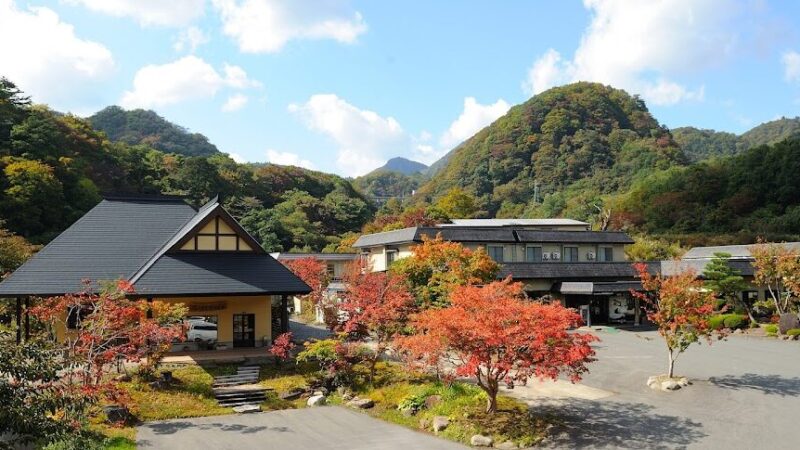
Seami Onsen offers a diverse selection of accommodations, from scenic luxury inns overlooking the Japan Sea to quiet traditional inns.
Taikanso Senami no Yu
A large flagship inn of Seami Onsen featuring a panoramic public bath overlooking the Japan Sea and an outdoor hot spring bath. Guest rooms also offer spectacular Japan Sea views, with particularly breathtaking vistas during sunset hours. Cuisine prepared with abundant local Murakami ingredients is highly regarded, with salmon dishes being exceptional.
Shio Misou
An established inn founded in 1908, known for its quiet and serene atmosphere. Specializing in individual and anniversary trips, its guest rooms with private outdoor baths are popular. Guests can enjoy various hot spring experiences throughout the inn, including a public bath, outdoor bath, and cypress bath.
Yu Raku
A modern-style hot spring inn popular with young couples and families. Well-equipped with private rental baths, allowing guests to enjoy private hot spring time. Cuisine features creative Japanese cooking centered on fresh local seafood.
Day-use Hot Spring Facilities
Visitors can enjoy Seami Onsen without staying overnight at day-use hot spring facilities. Many inns accept day-use bathing, allowing guests to experience Seami’s 95-degree hot springs casually, with temperature-adjusted public and outdoor baths where guests can enjoy Japan Sea views.
Tourist Attractions Around Seami Onsen
Sasagawa Nagare
Located approximately 30 minutes north of Seami Onsen by car, Sasagawa Nagare is a scenic area designated as a National Scenic Natural Monument. Along an approximately 11-kilometer coastline, unusual rock formations and caves are scattered, with beautiful transparent waters. Sightseeing boats operate, allowing visitors to view the rock formations from the sea.
Murakami Castle Ruins
Located atop Mt. Gagyusan overlooking Murakami’s city center, the Murakami Castle ruins offer panoramic views of the city and Japan Sea. The site is also known as a cherry blossom viewing spot in spring.
Iyoboyo Museum
A museum unique to salmon-centered Murakami, where visitors can learn about salmon ecology and Murakami’s salmon culture. The museum features a branch of the Mimase River, where visitors can actually observe salmon swimming upstream in autumn at the adjacent “Tanekawa Salmon Observation Nature Museum.”
Machiya Strolls
Historic townhouses from the Edo period remain in Murakami’s former merchant district, making the area pleasant for exploration. Seasonal events include “Machiya Doll Viewing Tours” (March), “Folding Screen Festival” (September), and “Salmon Sake-soaked and Salted Salmon Routes” (November-March).
Murakami Tsuishu Cooperative Association
A facility where the manufacturing process of Murakami Tsuishu, a traditional craft of Murakami, can be observed. Visitors can watch craftsmen’s techniques firsthand and purchase finished works.
Enjoying Murakami Cuisine at Seami Onsen
Salmon Dishes
Inns at Seami Onsen offer a variety of Murakami’s signature salmon dishes.
Salted Salmon: Murakami’s representative salmon dish. Made using a unique method, salted salmon is characterized by its balanced saltiness and umami flavor.
Salmon Sake-Soaked: A rare delicacy made by thinly slicing salted salmon and immersing it in Japanese sake. A perfect complement to alcoholic beverages.
Marinated Grilled Salmon: Grilled salmon marinated in a soy sauce-based sauce. An ideal side dish for rice.
Harako (Salmon Roe): Fresh salmon roe harvested in autumn makes for exceptional salmon roe dishes.
Fresh Japan Sea Seafood
Beyond salmon, abundant fresh seafood caught in the Japan Sea is available. Nodoguro, sweet shrimp, snow crab, and rock oysters can be enjoyed seasonally. Winter snow crab is particularly exquisite.
Murakami Beef
Murakami is a wagyu production region with a brand beef called Murakami beef. Characterized by fine marbling and tender meat texture, it is served in sukiyaki or steak preparations.
Local Sake
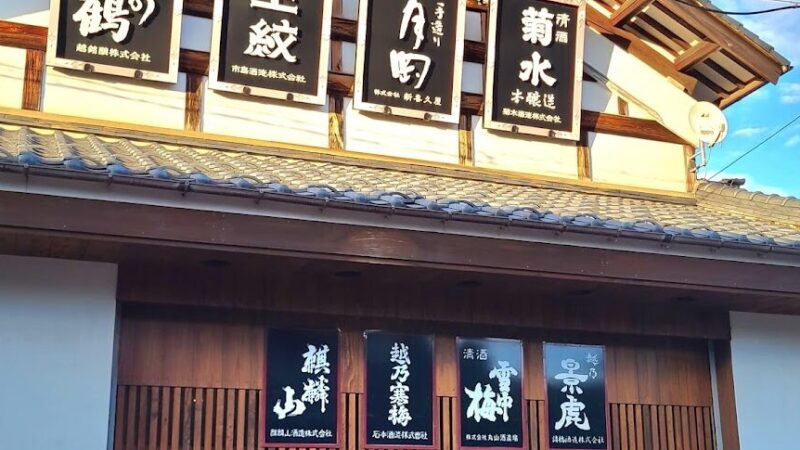
Murakami has multiple sake breweries producing high-quality local sake. Enjoying local Japanese sake alongside seafood and salmon dishes is a blissful Murakami experience.
Access to Seami Onsen
Access by Train
From Tokyo:
- Joetsu Shinkansen to Niigata Station: approximately 2 hours
- Limited express “Inaho” from Niigata Station to Murakami Station: approximately 50 minutes
- Bus or taxi from Murakami Station to Seami: approximately 10 minutes
From Niigata City:
- JR Uetsu Main Line to Murakami Station: approximately 1 hour
- Bus or taxi from Murakami Station to Seami: approximately 10 minutes
Access by Car
From Tokyo:
- Kan’etsu Expressway → Nihonkai-Tohoku Expressway: approximately 4 hours 30 minutes
- Approximately 5 minutes from Murakami Seami Onsen IC
From Niigata City:
- Nihonkai-Tohoku Expressway: approximately 50 minutes
- Approximately 5 minutes from Murakami Seami Onsen IC
Shuttle Service
Many inns provide shuttle service from Murakami Station. Prior reservation is often required, so it is recommended to check with your accommodation.
Tips for Enjoying Seami Onsen
Best Season
Seami Onsen can be enjoyed year-round, though the following periods are particularly recommended.
Autumn (September-November): Salmon spawning season, when the most delicious salmon cuisine can be enjoyed. Pleasant weather makes it ideal for sightseeing.
Summer (July-August): Both ocean swimming and hot springs can be enjoyed. Beautiful sunsets and seaside resort atmosphere abound.
Winter (December-February): The rugged winter Japan Sea landscape contrasts beautifully with hot spring warmth. Winter delicacies such as crab can also be enjoyed.
Stay Plans
1 Night, 2 Day Plan: Relax at the hot spring and take a light stroll through Murakami City. Enjoy hot springs viewing the sunset over the Japan Sea and savor salmon cuisine.
2 Night, 3 Day Plan: Use Seami Onsen as a base to explore nearby attractions such as Sasagawa Nagare. Visitors can deeply experience Murakami’s history and culture.
Day-trip Plan: Day-use hot springs from Niigata City or nearby areas. Many inns offer day-trip plans including lunch.
Items to Bring and Precautions
- Summer: If enjoying ocean swimming, bring swimwear and beach sandals. Sunscreen is essential.
- Winter: Prepare for strong winds and snow characteristic of the Japan Sea coast with proper cold-weather gear.
- Camera: Bring a camera or ensure your smartphone is charged to capture the spectacular sunset.
- Hot Spring Etiquette: Many facilities use high-temperature source water, so thoroughly rinse your body before bathing and allow it to acclimate to the temperature before entering.
Maximizing Enjoyment of Seami Onsen’s Charm
Seami Onsen is a premier hot spring resort representing Niigata Prefecture, where abundant hot water supply and high-temperature source water, spectacular sunset views over the Japan Sea, and Murakami’s rich food culture and history converge.
For more than 120 years since its accidental discovery during the Meiji period, this hot spring has continued to soothe many visitors and now serves as a seaside resort hot spring and a tourist destination where visitors can experience history and nature, providing visitors with special moments.
The majestic nature of the Japan Sea, Murakami’s salmon culture, and the blessings of hot springs—united together, Seami Onsen offers an ideal hot spring destination where visitors can leave behind the hustle and bustle of daily life and refresh both body and mind. With charm throughout the four seasons and new discoveries with each visit, Seami Onsen is well worth experiencing. Please visit this renowned hot spring in northern Niigata Prefecture and experience its charm firsthand.
Soaking in hot springs while viewing the sunset sinking below the horizon, savoring fresh salmon cuisine and Japan Sea delicacies, and touching Murakami’s history and culture—a stay at Seami Onsen is sure to become an unforgettable memory.