
Toi Hot Spring (Izu City, Shizuoka) Complete Guide | History, Water Quality, Sightseeing, and Accommodation Information Summary
What is Toi Hot Spring?
Toi Hot Spring (といおんせん) is the largest hot spring resort on the west coast of the Izu Peninsula, located in the Toi district of Izu City, Shizuoka Prefecture. Positioned facing Suruga Bay with picturesque scenery, it boasts a warm climate and abundant hot spring water, beloved by many tourists.
Spreading along the west coast of the Izu Peninsula, Toi Hot Spring is characterized by beautiful sunsets and coastal scenery, with Mount Fuji visible across Suruga Bay from the hot spring town being known as a spectacular view. As a hot spring resort, it has a long history, having prospered as a therapeutic bathing destination since the Edo period.
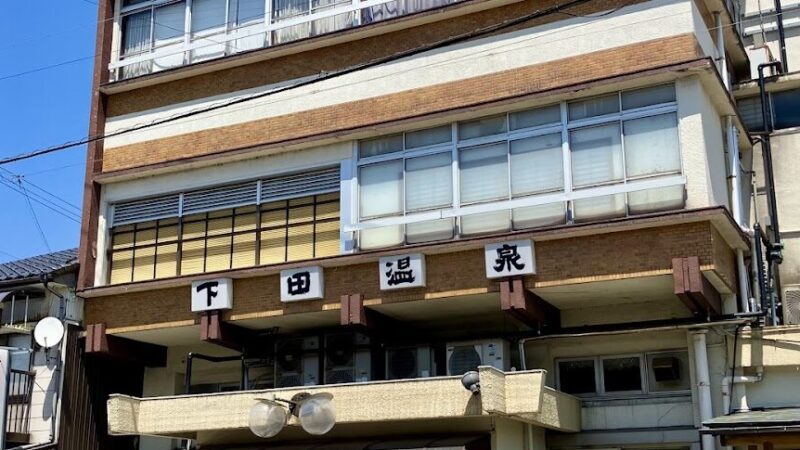
Today, from large resort hotels to small-scale inns, various types of accommodation facilities line the area, making it one of Izu’s representative hot spring destinations visited by many tourists throughout the year.
History of Toi Hot Spring
Origin as a Hot Spring Resort
The history of Toi Hot Spring is ancient, with its discovery dating back approximately 600 years to the Muromachi period. Initially used as a small therapeutic bathing facility by local people, its reputation as a hot spring resort began to spread during the Edo period.
With the advent of the Meiji period, the hot spring developed alongside the exploitation of the Toi Gold Mine and played an important role as a place to soothe the fatigue of miners. The Toi Gold Mine operated from the Edo period until the 1960s and had a significant impact on the region’s economy and culture.
Modernization and Development as a Tourist Destination
With the advent of the Showa period, the development as a tourist hot spring resort progressed along with improvements in transportation networks. Particularly during the post-war period of high economic growth, many accommodation facilities were constructed, and combined with good accessibility from the metropolitan area, it grew into a popular hot spring resort.
Today, as a major tourist resource of Izu City, it plays an important role in supporting the regional economy. Through improvements to the hot spring town and enrichment of tourist facilities, it has become a hot spring destination accommodating a wide range of visitors, from families to couples to elderly people.
Water Quality and Effects of Toi Hot Spring
Characteristics of Water Quality
The water quality of Toi Hot Spring is primarily calcium and sodium sulfate spring. It is colorless and transparent, with most hot springs having a faint sulfur aroma and being characterized by soft, skin-friendly water quality.
The source water temperature is approximately 50-70 degrees Celsius, and it boasts abundant hot spring water. There are multiple sources throughout the hot spring area, and the water quality may vary slightly depending on the accommodation facility, but all meet the standards as therapeutic springs and are high-quality hot springs.
Effects and Applicable Conditions
The main effects of Toi Hot Spring are as follows:
General Applicable Conditions:
- Neuralgia, muscle pain
- Arthralgia, frozen shoulder
- Motor paralysis, joint stiffness
- Bruises, sprains
- Chronic digestive disorders
- Hemorrhoids, cold sensitivity
- Post-illness recovery period, fatigue recovery
- Health promotion
Water Quality-Specific Applicable Conditions (Sulfate Spring):
- Arteriosclerosis
- Cuts, burns
- Chronic skin diseases
Sulfate springs are also called “healing waters” and “waters for stroke,” and excel in promoting blood circulation and heat retention. Additionally, beautiful skin effects can be expected, making it popular among women.
Precautions When Bathing
To enjoy hot springs to the fullest, please note the following:
- Consume sufficient water before and after bathing
- Do not immerse in hot water for extended periods; aim for 5-10 minutes
- Avoid bathing after drinking alcohol
- Do not overexert yourself if feeling unwell
- Do not rinse off after bathing; leaving hot spring components on the skin prolongs the effects
Sightseeing Spots at Toi Hot Spring
Toi Gold Mine
A must-see sightseeing spot when visiting Toi Hot Spring is the Toi Gold Mine. A gold mine that operated from the Edo period until 1965 (Showa 40), it is now open to the public as a tourist facility.
In the “Golden Hall” where visitors can explore the tunnels, there are figure displays recreating the mining scene of the Edo period, and visitors can walk through actual tunnels. Additionally, exhibits of the world’s largest gold nugget (250kg) and a panning for gold experience are popular.
Business Information:
- Operating Hours: 9:00 a.m. – 5:00 p.m. (Open year-round)
- Admission: Adults ¥1,000, Children ¥500 (varies by facility)
- Time Required: Approximately 60-90 minutes
Koibito Cape
Approximately 15 minutes by car from Toi Hot Spring is Koibito Cape, a spectacular viewing spot overlooking Suruga Bay. From the observation deck, you can see Mount Fuji and the Southern Alps on clear days.
It is said that ringing the “Bell of Love” three times will make love come true, making it a popular spot for couples. A “Love Declaration Certificate” issuance service is also available, making it a memorable keepsake.
It is also famous for beautiful sunsets at dusk, allowing visitors to enjoy a romantic atmosphere.
Toi Beach
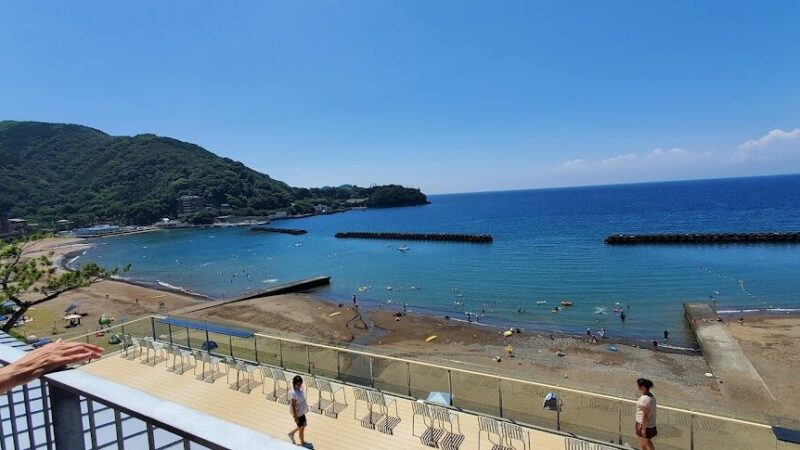
Adjacent to the Toi hot spring town, Toi Beach is a family-friendly beach with shallow waters and gentle waves. During summer, it is crowded with swimmers and is attractive for its clear waters and white sand.
A walking path is maintained along the beach, making it ideal for strolls. Additionally, even outside the swimming season, you can enjoy views of Mount Fuji and sunsets from the coastline.
Toi Marine Hall (Toi Port)
At Toi Marine Hall, where you can enjoy fresh seafood from Suruga Bay, you can savor dishes made with fish and shellfish landed locally. In particular, deep-sea fish and local fish sashimi, seafood rice bowls, and other dishes from Suruga Bay are popular.
At the nearby Toi Port, you can also see fishing boats returning to port in the early morning, allowing you to feel the atmosphere unique to a port town.
Matsubara Park (Foot Bath)
In the center of Toi hot spring town is Matsubara Park, which features a free foot bath. It is a popular spot for visitors to casually enjoy hot springs while overlooking Suruga Bay.
Within the park is the “World’s Largest Flower Clock” (Guinness-certified), which measures 31 meters in diameter. The flower clock, decorated with seasonal flowers, is also recommended as a photo spot.
Popular Inns and Hotels at Toi Hot Spring
Large Resort Hotels with Ocean Views
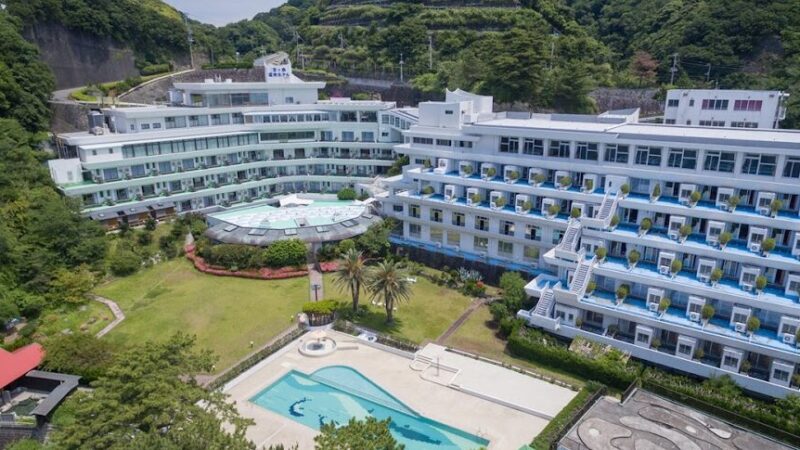
Toi Hot Spring has several large resort hotels facing Suruga Bay. At these hotels, you can enjoy open-air baths and observation baths overlooking the ocean, as well as kaiseki cuisine using fresh seafood.
Ocean view rooms with views of the sea from guest rooms are popular, and the scenery during sunset is especially spectacular. Facilities such as pools, karaoke, and game corners are well-equipped, making it enjoyable for families.
Traditional Japanese Inns with a Calm Atmosphere
There are also many small and medium-sized traditional Japanese inns that value the atmosphere of a classic inn. At such inns, the charm lies in attentive hospitality and delicate cuisine making use of local ingredients.
Some inns are equipped with private baths and rooms with open-air baths attached, making them popular with couples and families who wish to spend private time.
Budget-Friendly Guesthouses and Pensions
For those who wish to keep accommodation costs down, guesthouses and pensions are also recommended. You can enjoy a homey atmosphere and simple home-cooked meals using fresh seafood.
Some guesthouses operate as fishing lodges and are particularly popular among fishing enthusiasts.
Access to Toi Hot Spring
By Car
From Tokyo:
- Approximately 1 hour 30 minutes from “Numazu IC” on the Tomei Expressway or “Nagaizumi-Numazu IC” on the New Tomei Expressway
- Via Izu Vertical Automobile Road and Shuzenjidō Road to Route 136 toward West Izu
- Distance: Approximately 120km
From Nagoya:
- Approximately 3 hours via “Numazu IC” on the Tomei Expressway
Parking is available at each accommodation facility, as well as paid and free parking areas near tourist spots.
By Public Transportation
Train + Bus:
- Get off at “Mishima Station” on the JR Tokaido Shinkansen
- Take the Izu Hakone Railway Sunzu Line to “Shuzenjidō Station” (approximately 30 minutes)
- From Shuzenjidō Station, take the Tokai Bus “Heading to Toi Hot Spring” for approximately 50 minutes
Direct Bus:
- High-speed buses to Toi Hot Spring are available from Tokyo Station Yaesu Exit (seasonal operation, confirmation required)
By Ferry
Suruga Bay Ferry:
- Ferry service operates between Shimizu Port in Shizuoka City and Toi Port (Travel time: approximately 65 minutes)
- Vehicle transportation also available
- You can enjoy views of Mount Fuji and Suruga Bay from the ship
Using the ferry significantly reduces the time to traverse the Izu Peninsula and is popular as the ship journey itself is enjoyable.
Gourmet Information Around Toi Hot Spring
Fresh Seafood
One of the greatest attractions of Toi Hot Spring is the fresh seafood caught in Suruga Bay. In particular, the following ingredients are famous:
- Golden-eye Snapper: A luxury fish representative of Izu. Enjoyed as simmered dishes or sashimi
- Spiny Lobster: Peak season from autumn to spring
- Horse Mackerel and Mackerel: Dried fish is also popular
- Deep-Sea Fish: Rare fish unique to Suruga Bay
- Whitebait: Fresh whitebait can be enjoyed from spring to autumn
Local Specialties
- Wasabi: Real wasabi grown in Izu’s clear streams
- Citrus Fruits: Fruits such as New Summer Oranges grown in warm climates
- Dried Fish: Dried fish from fish caught at Toi Port
The hot spring town has many seafood restaurants and sushi shops where you can casually enjoy fresh seafood at lunch or dinner.
Best Season for Toi Hot Spring
Spring (March-May)
A pleasant season with warm weather. Cherry blossoms bloom early, with viewing possible from late March to early April. Golden Week is crowded, but it is also a time of beautiful fresh greenery.
Summer (June-August)
The most crowded swimming season. Toi Beach is busy with families, and marine sports can be enjoyed. Early reservations are recommended as accommodation facilities are crowded during summer vacation.
Autumn (September-November)
After the typhoon season passes, October onward offers stable weather and is an ideal season for tourism. Spiny lobster fishing opens (mid-September onward), making it a time when seafood is especially delicious. Autumn leaves can be enjoyed from mid-November onward.
Winter (December-February)
The Izu Peninsula’s winter is relatively mild, and with high sunny days, Mount Fuji is frequently visible. Warming up in hot springs while enjoying winter delicacies is also recommended. Accommodation rates are relatively reasonable during this period.
How to Spend Time at Toi Hot Spring Model Course
1-Night, 2-Day Course
Day 1:
- 12:00 Arrival at Toi Hot Spring, check-in
- 1:00 p.m. Lunch (seafood cuisine)
- 2:30 p.m. Toi Gold Mine tour (panning for gold experience)
- 4:30 p.m. Return to inn, relax in hot spring
- 6:00 p.m. Dinner (kaiseki cuisine)
- 8:00 p.m. Evening hot spring town stroll, foot bath
Day 2:
- 7:00 a.m. Morning bath
- 8:00 a.m. Breakfast
- 10:00 a.m. Check-out
- 10:30 a.m. Head to Koibito Cape, enjoy spectacular views
- 12:00 p.m. Lunch near Toi Port
- 1:30 p.m. Matsubara Park flower clock viewing, foot bath
- 3:00 p.m. Depart Toi Hot Spring
Day-Trip Hot Spring Course
Many accommodation facilities accept day-trip bathing (reservation required, time period restrictions apply). Day-trips also allow you to fully enjoy the charm of Toi Hot Spring.
- Morning: Toi Gold Mine tour
- Lunch: Seafood cuisine
- Afternoon: Day-trip hot spring bathing
- Evening: Sunset viewing at Koibito Cape
Notes and Advice for Toi Hot Spring Tourism
Reservations
Toi Hot Spring is a popular tourist destination, and accommodation facilities often become fully booked, especially on weekends, holidays, and during summer vacation. Early reservations are recommended.
Clothing and Belongings
- Summer: Sunburn protection (sunscreen, hat, sunglasses)
- Winter: Although warm, bring a jacket as evenings can be cool
- Swimming season: Swimwear, beach sandals
- Walking shoes for strolling
Combining with Nearby Sightseeing
Toi Hot Spring is centrally located on the west coast of Izu, so combining it with the following sightseeing spots is also recommended:
- Dōgashima: A scenic area famous for unusual rock formations such as the Tengū Cave (approximately 30 minutes by car)
- Shuzenjidō Hot Spring: A historic hot spring town (approximately 40 minutes by car)
- Matsuzaki Town: A town with namako walls and flower fields (approximately 40 minutes by car)
- Koganezaki: A famous sunset spot (approximately 20 minutes by car)
Summary
Toi Hot Spring is the largest hot spring resort on the west coast of Izu in Izu City, Shizuoka Prefecture, boasting diverse attractions including abundant hot spring water, high-quality water, beautiful coastal scenery, and fresh seafood from Suruga Bay.
With historic sights such as Toi Gold Mine and Koibito Cape, ocean-view hot springs, and Suruga Bay seafood cuisine, there are diverse ways to enjoy it. With good accessibility from the metropolitan area, you can enjoy it in various styles, from weekend short trips to extended stays.
In a warm climate and peaceful atmosphere, Toi Hot Spring allows for refreshment in both body and mind. Why not consider it for your next trip? Beautiful sunsets over Suruga Bay and warm hot springs await you.