Complete Guide to Toyotomi Hot Springs | Japan’s Northernmost Renowned Hot Spring – Spring Quality, Efficacy, Access, and Accommodation Information
Toyotomi Hot Springs, located in Toyotomi Town, Teshio District, Hokkaido, is a historic renowned hot spring known as Japan’s northernmost hot spring resort. This hot spring was discovered by chance during oil drilling in the Taisho period and is characterized by its unique spring quality containing oil, which is rare in the world. It is said to be particularly effective for skin diseases such as atopic dermatitis and psoriasis, and visitors seeking hot spring therapy never cease to arrive from across the country.
This article comprehensively introduces information you should know before visiting Toyotomi Hot Springs, from its history and characteristics of spring quality, to specific efficacy, accommodation facilities, access methods, and nearby tourist spots.
History and Discovery of Toyotomi Hot Springs
Hot Spring Resort Born from Oil Drilling
The history of Toyotomi Hot Springs dates back to the Taisho period. In 1926 (Taisho 15), when oil drilling operations were being conducted in this area, hot springs were discovered along with natural gas. Initially, the purpose was oil resource development, but the efficacy of the hot spring that gushed out gradually attracted attention.
A Renowned Hot Spring with Considerable History in Hokkaido
Toyotomi Hot Springs, with a history of approximately 100 years since its discovery, is one of the hot spring areas with a long history in Hokkaido. In May 2026, it will commemorate its 100th anniversary of opening, and it has a proven track record of healing the hearts and bodies of many people over the years.
Located on the eastern side of the vast Sarobetsu Moor, the hot spring resort is enhanced by its surrounding rich natural environment. It has been selected as one of Japan’s Top 100 Hot Springs, and its value is recognized nationwide.
Rare Oil-Containing Spring Quality Found in the World
Characteristics of Toyotomi Hot Springs’ Spring Quality
The greatest feature of Toyotomi Hot Springs is its spring quality containing oil, which is rare even globally. Because hot springs flow out along with oil and natural gas, the spring water contains trace amounts of oil, giving the hot water a unique yellowish-turbid color with a slight smell of petroleum.
The details of the spring quality are as follows:
- Spring quality: Sodium-chloride/bicarbonate spring (weakly alkaline)
- Characteristics: Yellowish-turbid hot water containing oil
- pH value: Weakly alkaline and gentle on the skin
- Main components: Baking soda (sodium bicarbonate), sodium chloride, oil
Value as a Natural Oil Bath
Toyotomi Hot Springs is also called a “natural oil bath,” with oil being a major characteristic of the spring. After bathing, this oil forms a thin film on the skin’s surface, exhibiting excellent thermal and moisture retention effects.
The weakly alkaline spring quality softens the skin, and baking soda components help remove dirt from the skin, while the oil maintains skin moisture, achieving an ideal balance.
Efficacy of Toyotomi Hot Springs and Hot Spring Therapy Culture
Efficacy for Atopic Dermatitis and Psoriasis
The greatest reason Toyotomi Hot Springs became known nationwide is its high efficacy for skin diseases such as atopic dermatitis and psoriasis. Many users report improvements in their symptoms, and medical institutions are also paying attention to it.
Mechanism of efficacy for skin diseases:
- Sterilizing effect: Components such as baking soda keep the skin clean
- Moisturizing effect: Oil prevents water evaporation from the skin
- Anti-inflammatory action: Hot spring components alleviate inflammation
- Recovery of barrier function: Continuous bathing improves the skin’s barrier function
Other Efficacy
Besides skin diseases, Toyotomi Hot Springs is said to have the following efficacies:
- Neuralgia
- Muscle pain
- Joint pain
- Poor circulation
- Fatigue recovery
- Health promotion
Hot Spring Therapy Culture and Mirai no Touji
In Toyotomi Hot Springs, the culture of “hot spring therapy,” where visitors stay for extended periods rather than short-term stays to continuously bathe, is well-established. Especially for those with skin diseases, many stay for weeks to months and bathe in the hot spring daily to aim for symptom improvement.
Under the concept of “Mirai no Touji” (Future of Hot Spring Therapy), modern-style hot spring therapy is also being proposed, and new accommodation styles that combine workcation with hot spring therapy are attracting attention.
Major Facilities at Toyotomi Hot Springs
Day-Use Bathing Facilities
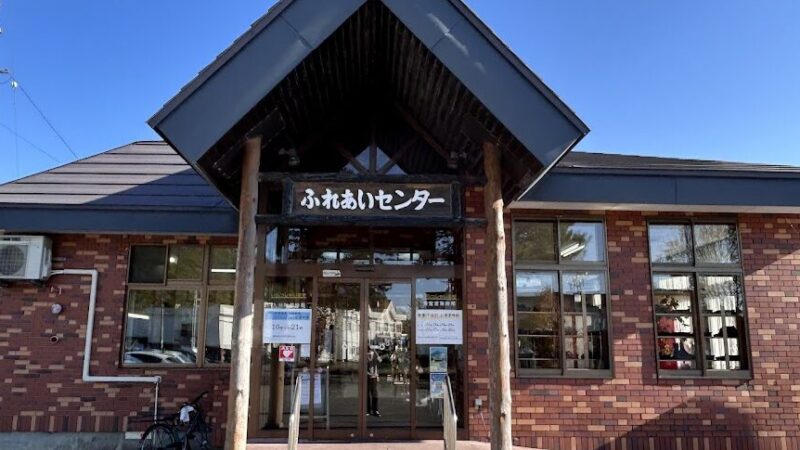
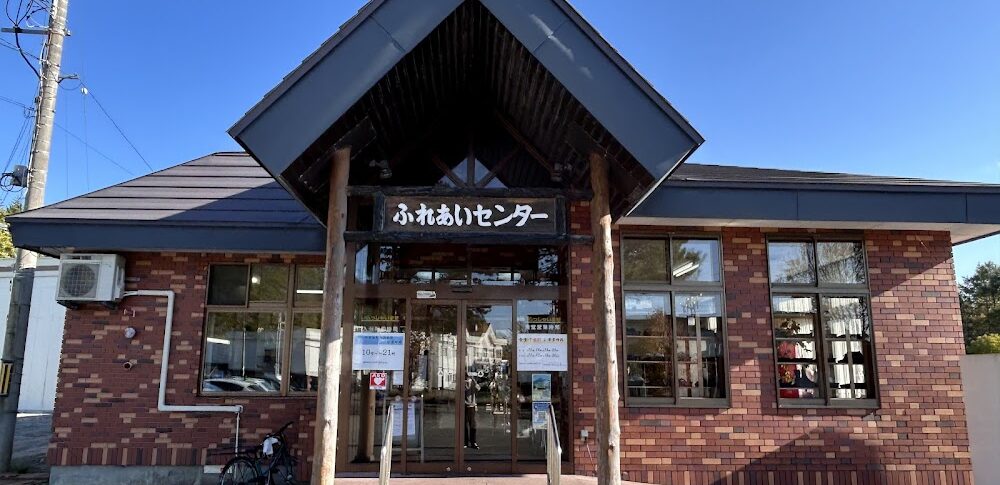
Fureai Center
The central public bathhouse of Toyotomi Hot Springs, used widely by local residents and tourists alike. You can enjoy Toyotomi Hot Springs at relatively reasonable rates, making it recommended for first-time visitors.
- Operating hours: 8:30 AM – 9:30 PM (varies by season)
- Closed: Mondays (or the following day if it’s a holiday)
- Fee: Approximately 500 yen for adults
- Facilities: Large public bath, sauna, rest area, gift shop
Accommodation Facilities
Hotel Toyotomi
One of the representative accommodation facilities of Toyotomi Hot Springs. While the hot spring is heated, the spring quality remains unchanged, and sauna and cold bath are also equipped. Rooms are spacious and clean, accommodating long-term stays as well.
- Location: 1510-2 Kami-Sarovetsu, Toyotomi Town, Teshio District, Hokkaido
- Facilities: Large public bath, sauna, cold bath, restaurant
- Features: Spacious rooms, hot spring therapy plans available
Kawashima Ryokan
A long-established ryokan where you can enjoy a natural oil bath. With a homey atmosphere, it is popular among long-term hot spring therapy guests. Meals feature dishes prepared with fresh Hokkaido ingredients.
Onsen-Kaku
A hotel accommodating a wide range of guests from business users to families. Renovations are underway toward the 100th anniversary in 2026, with comfortable accommodation environments being prepared.
Yu-Kai-Shuku
A facility specializing in long-term stays aimed at hot spring therapy. With self-catering facilities equipped, long-term stays can be done at reduced costs.
Restaurants and Dining Establishments
Ajisai
A dining establishment in the hot spring town where you can enjoy dishes made with local ingredients. It is used as a dining option when taking a day-use bath or as a place to eat out for those staying at facilities with self-catering equipment.
Gift Shops and Other Facilities
The hot spring town also has gift shops where you can purchase bathing supplies, local specialty products, and daily necessities. Services for long-term residents are also well-equipped.
Access Methods
Access to Toyotomi Hot Springs
Toyotomi Hot Springs, Japan’s northernmost hot spring resort, takes some time to reach, but the value is definitely worth it.
Access by Airplane
Nearest airport: Wakkanai Airport
- Tokyo (Haneda Airport) → Wakkanai Airport: Approximately 1 hour 55 minutes
- Wakkanai Airport → Toyotomi Hot Springs: Approximately 40 minutes by car
Car rental from Wakkanai Airport is convenient.
Access by JR
Nearest station: JR Toyotomi Station (Soya Main Line)
- Sapporo Station → Toyotomi Station: Approximately 4 hours 30 minutes by limited express
- Asahikawa Station → Toyotomi Station: Approximately 2 hours 30 minutes by limited express
- Toyotomi Station → Toyotomi Hot Springs: Approximately 10 minutes by bus or taxi
Access by Bus
Route buses operate from Toyotomi Station to the hot spring town, but with limited frequency, it is recommended to check the timetable in advance.
Access by Car
From Sapporo:
- Approximately 4 hours 30 minutes via Doo-Ooh Expressway and Fukagawa-Rumoi Expressway
- Heading north via National Route 275 and National Route 40
From Asahikawa:
- Approximately 2 hours 30 minutes heading north via National Route 40
Car Rental Information
If you want to move freely including sightseeing in the surrounding areas, it is recommended to rent a car from Wakkanai or Asahikawa Airport. In winter, there is a possibility of road icing, so choose a vehicle with studless tires installed and drive with extreme caution.
Nearby Tourist Spots and Leisure
Sarobetsu Moor
A vast wetland area spreading immediately west of Toyotomi Hot Springs. In summer, various alpine plants bloom, making it ideal for hiking and nature observation. It forms part of Rishiri-Rebun-Sarobetsu National Park, Japan’s northernmost national park.
- Highlights: Wetland flowers, bird watching, boardwalk trails
- Best season: June to August
- Time required: 1 to 3 hours
Sarobetsu Wetland Center
A facility where you can learn about Sarobetsu Moor’s nature and ecosystem. You can learn about Sarobetsu’s appeal through exhibits and videos.
Wakkanai City Area
Located approximately 1 hour by car from Toyotomi Hot Springs, it is Japan’s northernmost city. There are many spots where you can experience being “the northernmost,” such as Cape Soya, Wakkanai Port, and Cape Noshappu.
Rishiri and Rebun Islands
Offshore islands accessible by ferry from Wakkanai. The majestic landscape of Mount Rishiri and alpine plants on Rebun Island are tourist destinations worth visiting along with Toyotomi Hot Springs.
Soya Hills
A scenic area featuring unique rolling hills. The white road (Soya Hills Foot Path Course) is an excellent photo spot.
How to Spend Your Time at Toyotomi Hot Springs
Day-Use Bathing Plan
If time is limited, day-use bathing at Fureai Center is recommended. After bathing, a course that explores the Sarobetsu Moor and enjoys nature is popular.
Sample itinerary:
- Sarobetsu Moor walk in the morning (2 hours)
- Lunch (at places such as Ajisai)
- Hot spring bathing in the afternoon (1 to 2 hours)
- Purchase souvenirs at the gift shop
One Night, Two Days Plan
By staying at hotels such as Hotel Toyotomi or Kawashima Ryokan and bathing twice (evening and morning), you can better experience the effects of the hot spring. Evening meals feature dishes made with Hokkaido’s seafood and local ingredients.
Hot Spring Therapy Stay Plan
For those aiming to improve skin diseases, a stay of at least one week or longer is recommended. By using facilities such as Yu-Kai-Shuku where self-catering is available, long-term stays can be done at reduced costs.
Points for hot spring therapy:
- Bathing 2 to 3 times per day
- Each bathing session approximately 15 to 20 minutes
- Consistency is important
- Don’t forget to drink water before and after bathing
Precautions When Visiting Toyotomi Hot Springs
Notes on Bathing
- About the petroleum smell: There is a distinctive odor, but this is a characteristic of the spring quality
- Towel discoloration: White towels may become yellowed due to oil
- Shower after bathing: To maximize efficacy, it is said not to use a rinsing shower
- Beware of prolonged bathing: Because the efficacy is strong, avoid long bathing sessions
Accommodation Reservations
Especially during the summer season (June to August), early reservations are necessary due to crowding. Many visitors come for long-term hot spring therapy stays, so desired facilities may be fully booked. Telephone inquiries and reservations are recommended.
Winter Visits
Because it is located in Japan’s northernmost region, winters are extremely cold with heavy snowfall. If you plan to visit from November to March:
- Prepare thoroughly with cold-weather clothing
- Winter tires are essential for vehicle travel
- Consider the possibility of traffic disruptions due to blizzards
- Facility operating hours may change
Latest Information and Events at Toyotomi Hot Springs
Toward the 100th Anniversary of Opening
As Toyotomi Hot Springs approaches its 100th anniversary in May 2026, commemorative events and facility renovations are being planned. The latest information can be found on the official website of Toyotomi Town and the official “Mirai no Touji” website.
Regularly Held Events
Various events are held in the hot spring town by season:
- Sarobetsu Moor nature observation sessions (summer)
- Hot spring therapy experience programs
- Cooking classes using local ingredients
- Hot spring festival (check dates)
Hot Spring Therapy Consultation
A consultation service is provided for those taking hot spring therapy for the first time regarding bathing methods and stay plans. Consultation is available by phone or email.
List of Accommodation Facilities Around Toyotomi Hot Springs
There are multiple accommodation facilities in the hot spring town, each with its own characteristics:
| Facility Name | Type | Features | Recommended For |
|——–|——–|——|————-|
| Hotel Toyotomi | Hotel | Full facilities, sauna available | Those prioritizing comfort |
| Kawashima Ryokan | Ryokan | Homey, delicious meals | Those wanting to experience a traditional hot spring ryokan |
| Onsen-Kaku | Hotel | Business-friendly | Those combining business travel with hot springs |
| Yu-Kai-Shuku | Hot spring therapy inn | Self-catering available, for long-term stays | Long-term hot spring therapy visitors |
| Fureai Center | Day-use facility | No overnight accommodation, bathing only | Day-use visitors |
Toyotomi Town Hall and Tourism Information Office
Toyotomi Town Hall Commercial and Tourism Division
Official information about Toyotomi Hot Springs and tourism guidance is handled by the Commercial and Tourism Division of Toyotomi Town Hall.
- Phone number: 0162-82-1001 (main line)
- Reception hours: Weekdays 8:30 AM – 5:15 PM
- Official website: Toyotomi Town Official Website
Tourism Information and Inquiries
For inquiries about accommodation availability, event information, access methods, and other tourism-related questions, you can consult with the Commercial and Tourism Division by phone. Professional consultations regarding hot spring therapy are also available.
Conclusion: The Appeal of Toyotomi Hot Springs
Toyotomi Hot Springs holds a unique value as Japan’s northernmost hot spring resort and as a renowned hot spring with spring quality containing oil, which is rare even globally. Its great appeal lies in its history continuing from the Taisho period, its high efficacy for atopic dermatitis and psoriasis, the nature of the vast Sarobetsu Moor, and the warm hot spring therapy culture.
Toyotomi Hot Springs can be enjoyed in various styles, from day-use bathing to long-term hot spring therapy. While access takes some time, you can all the more enjoy relaxing your mind and body away from daily life. Whether you suffer from skin diseases or simply want to enjoy Hokkaido’s grand nature and hot springs, this is definitely a hot spring resort worth visiting.
As Toyotomi Hot Springs looks forward to its 100th anniversary in 2026, further development is anticipated. Why not consider it as your next travel destination?