Tsuetatsu Onsen Kumamoto Prefecture Complete Guide | Charm of a Historic Hot Spring Resort and Access Information
Located in Oguni Town, Aso County, Kumamoto Prefecture, Tsuetatsu Onsen is one of Kyushu’s most renowned hot springs, boasting approximately 1,800 years of history. Formed along the Tsuetatsu River gorge flowing along the border between Kumamoto and Oita prefectures, the hot spring town retains strong Showa-era charm, and its picturesque landscape with rising steam captivates visitors. This article introduces all the attractions of Tsuetatsu Onsen, from its history and water quality to tourist spots and access information.
History and Origin of Tsuetatsu Onsen
Legend of 1,800 Years of Hot Spring Discovery
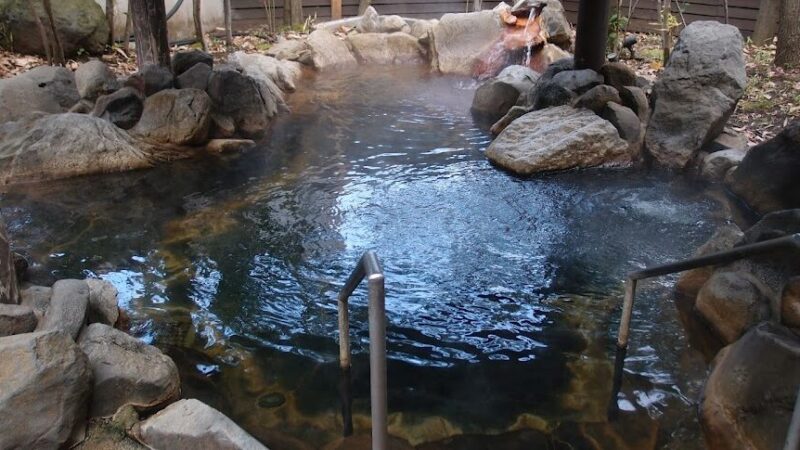
The history of Tsuetatsu Onsen is ancient, dating back approximately 1,800 years. According to legend, Empress Jingu gave birth to Emperor Ojin in Tsukushi (present-day Fukuoka Prefecture), and it is said that she used the spiritual spring water gushing from Tsuetatsu as the baby’s first bath. This historic site still has a free outdoor bath called “Motoyu” today, beloved by local residents and tourists alike.
Origin of the Name “Tsuetatsu”
The hot spring’s name “Tsuetatsu” has a fascinating origin. It is said to derive from a poem composed by Kobo Daishi when he visited this place during the Heian period. The name conveys the meaning: “People who arrive here using walking sticks forget to take them when they leave after bathing in the hot spring, such is its healing power.” This legend demonstrates that Tsuetatsu Onsen had long been highly regarded as a hot spring resort for therapeutic purposes.
Development as a Hot Spring Resort
From the Edo period through the Meiji, Taisho, and Showa eras, Tsuetatsu Onsen flourished as the inner sanctum of Kyushu’s hot springs. It became particularly known as a hot spring resort where guests stayed for extended periods, with many people visiting for illness recovery and health improvement. The inns lining the gorge retain strong Showa-retro atmosphere today, creating a landscape that evokes the area’s former prosperity.
Water Quality and Effects of Tsuetatsu Onsen
Extremely High Temperature Source Spring of 98 Degrees
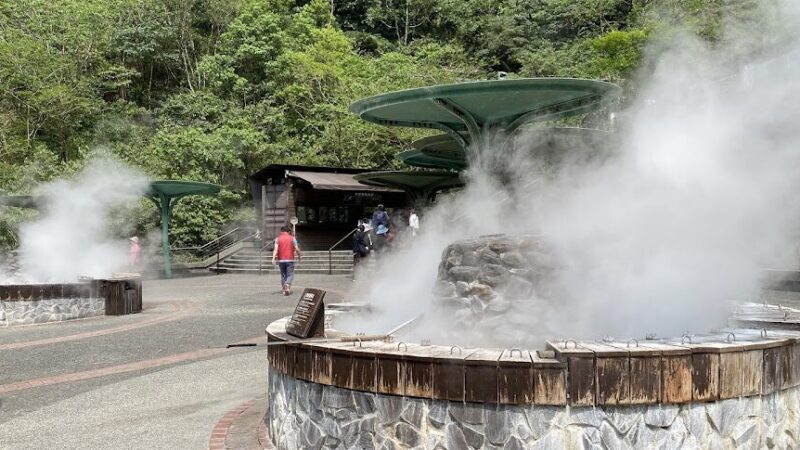
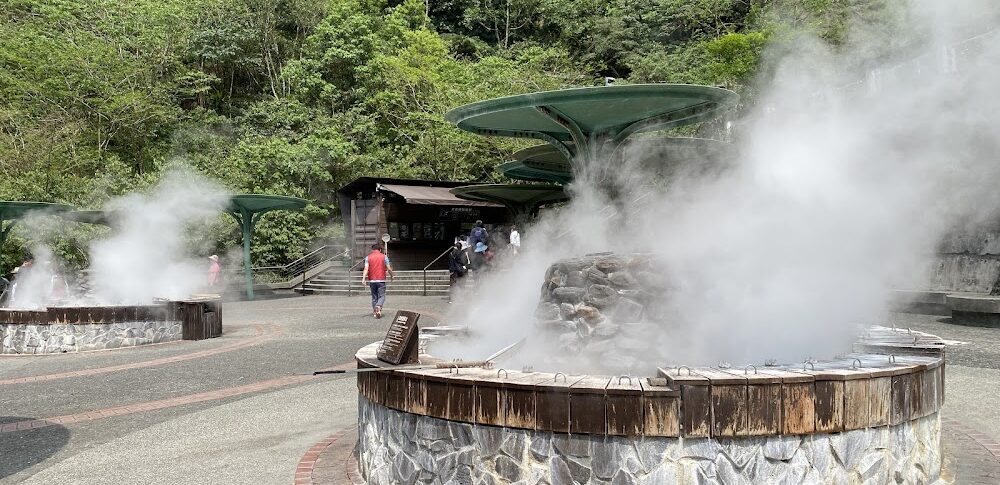
The greatest characteristic of Tsuetatsu Onsen is that its source spring temperature is approximately 98 degrees Celsius, making it exceptionally hot. This high-temperature self-spouting spring is known as one of Japan’s finest quality hot springs. Twenty-six source springs are scattered throughout the hot spring town, boasting abundant hot water supply. The steam rising throughout the town is produced by this high-temperature hot water, creating a landscape unique to Tsuetatsu Onsen.
Characteristics of Water Quality
Tsuetatsu Onsen’s water quality consists mainly of simple hot spring water and sodium-chloride springs. It is colorless and transparent with a smooth texture, earning it evaluation as a “beauty spring.” Since the high-temperature source is cooled to an appropriate temperature before use, the hot spring minerals are preserved in concentrated form, and skin becomes silky smooth after bathing.
Expected Health Benefits
Tsuetatsu Onsen’s therapeutic benefits are diverse. It is said to be effective for neuralgia, muscle pain, joint pain, frozen shoulder, motor paralysis, joint stiffness, bruises, sprains, chronic digestive disorders, hemorrhoids, poor circulation, post-illness recovery, fatigue recovery, and health promotion. Its long history of use as a therapeutic hot spring resort proves the effectiveness of its benefits.
Steam Bath Culture and the Charm of the Hot Spring Town
Notable “Steam Bath” and “Steam Rooms”
Unique to Tsuetatsu Onsen is the “steam bath” and “steam room” culture that utilizes the high temperature and abundant hot water of the source springs. The steam bath is a sauna-like facility using hot spring steam, allowing the body to warm from within. In steam rooms scattered throughout the town, visitors can use hot spring steam to cook vegetables, eggs, steamed buns, and more, making it a popular tourist experience.
June 4th “Steamed Bath Day”
Tsuetatsu Onsen designates June 4th as “Tsuetatsu Onsen Steam Bath Day.” Special events related to steam baths are sometimes held on this day, providing an excellent opportunity to experience the traditional culture of Tsuetatsu Onsen. Steam bath culture is one of the identities of Tsuetatsu Onsen, forming a unique charm found in no other hot spring resort.
Showa-Retro Hot Spring Town Scenery
The inns lining both banks of the Tsuetatsu River retain strong Showa-era character. Narrow alleyways, steep stairs, charming wooden architecture, and steam rising everywhere create a nostalgic atmosphere. In recent years, this Showa-retro landscape has been reevaluated, attracting attention from younger generations. Simply strolling through the hot spring town offers a sensation of time travel.
Tsuetatsu Onsen Koinobori Festival
Birthplace of Japan’s Koinobori Festivals
Tsuetatsu Onsen is said to be the birthplace of the nationwide koinobori (carp streamer) festival tradition. Each spring, approximately 3,500 koinobori swim above the Tsuetatsu River, creating an overwhelming sight. This festival began in the 1980s as part of regional revitalization efforts and has become established as Tsuetatsu Onsen’s signature spring event.
Highlights of the Koinobori Festival
The sight of countless koinobori swimming through the Tsuetatsu River gorge is truly spectacular. Colorful koinobori swaying in the breeze is popular as a photogenic spot. Evening illumination is also provided, allowing visitors to enjoy a fantastical atmosphere. The hot spring town comes alive with visitors during the festival period.
Festival Dates and Event Information
The koinobori festival is typically held from late March to early May. The Golden Week period draws especially large numbers of visitors. In addition to koinobori displays, local food stalls and various events are often held during the festival period. When planning a visit, it is recommended to check the latest information on the Tsuetatsu Onsen Tourism Association’s official website.
A Hot Spring Resort Spanning Kumamoto and Oita Prefectures
Hot Spring Town at the Prefectural Border
One interesting characteristic of Tsuetatsu Onsen is that it is located at the border between Oguni Town in Aso County, Kumamoto Prefecture, and Hita City, Oita Prefecture. Part of the hot spring town extends into Oita Prefecture, and accommodations spanning both prefectures exist. This geographic feature gives Tsuetatsu Onsen a unique character.
Enjoying the Charm of Both Prefectures
Taking advantage of its border location, Tsuetatsu Onsen offers easy access to tourism resources from both Kumamoto and Oita. Visitors can enjoy Aso’s natural beauty from the Kumamoto side and Hita’s historical and cultural attractions from the Oita side. Being able to experience the charms of two prefectures while staying at a single hot spring resort is a privilege unique to Tsuetatsu Onsen.
Tourist Spots Around Tsuetatsu Onsen
Nature and Tourist Attractions in Oguni Town
Oguni Town, where Tsuetatsu Onsen is located, is blessed with abundant natural beauty. The area features beautiful natural landscapes such as Nabe Falls and Yusuikyo Valley. Nabe Falls in particular is known as a “reverse-view waterfall” where visitors can see it from behind and has become a popular tourist attraction after being used as a commercial filming location.
Access to the Aso Area
Approximately one hour by car from Tsuetatsu Onsen lies Mount Aso, boasting one of the world’s largest calderas. Aso offers abundant attractions including its majestic scenery, Kusasenri Grassland, and Aso Shrine. A plan to use Tsuetatsu Onsen as a base for Aso sightseeing is popular.
Tourism in the Hita Area
On the Oita Prefecture side, Hita City features Mameda Town with preserved Edo period architecture from when it flourished as a Tokugawa shogunate territory. Visitors can enjoy walking through the old town streets. Additionally, other hot springs such as Hita Onsen and Amagazake Onsen are nearby, making it possible to enjoy hot spring hopping.
Recommended Inns and Hotels at Tsuetatsu Onsen
Large Inn “Hizenya”
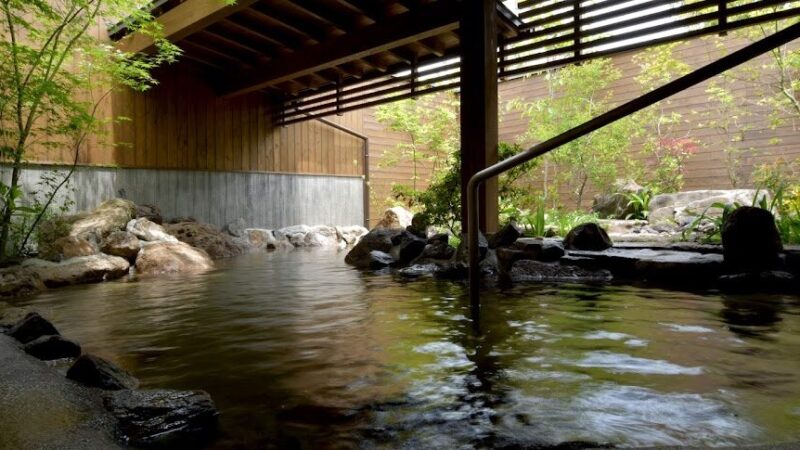
A major inn representing Tsuetatsu Onsen is “Tsuetatsu Onsen Hizenya.” It boasts 143 guest rooms divided into “Kumamoto Wing” and “Oita Wing.” The property has 11 abundant source springs, and offers a remarkable 41 natural hot spring baths for men and women across four bathing facilities. Seasonal natural scenery visible through windows adds to its charm.
Historic Inns and Small Accommodations
Tsuetatsu Onsen has several historic inns over 100 years old. At family-run small inns, visitors can enjoy hot springs in a friendly atmosphere. Each inn possesses its own source spring and offers different bathing experiences, allowing visitors to choose according to their stay style and budget.
Day-Trip Bathing Facilities
Many inns accept day-trip visitors. Additionally, the free “Motoyu” outdoor bath welcomes both locals and tourists. Foot bath spots accessible during hot spring town strolls allow visitors to fully enjoy Tsuetatsu Onsen’s waters even on a day trip.
Access Methods to Tsuetatsu Onsen
Access by Automobile
When visiting Tsuetatsu Onsen by car, the nearest interchange is Hita IC on the Oita Expressway. It takes approximately 50 minutes from Hita IC to Tsuetatsu Onsen. From the Kumamoto area, it takes approximately 90 minutes from Kumamoto IC on the Kyushu Expressway via the Aso Outer Rim mountains. Entering “Tsuetatsu Onsen” or “Shimoshiro, Oguni Town, Aso County, Kumamoto Prefecture” into a navigation system ensures smooth arrival.
The journey involves mountain roads, so caution is necessary regarding road surface freezing during winter. The hot spring town also has narrow roads in many places, requiring careful driving. Each inn provides parking, but advance confirmation is recommended during busy periods.
Access by Public Transportation
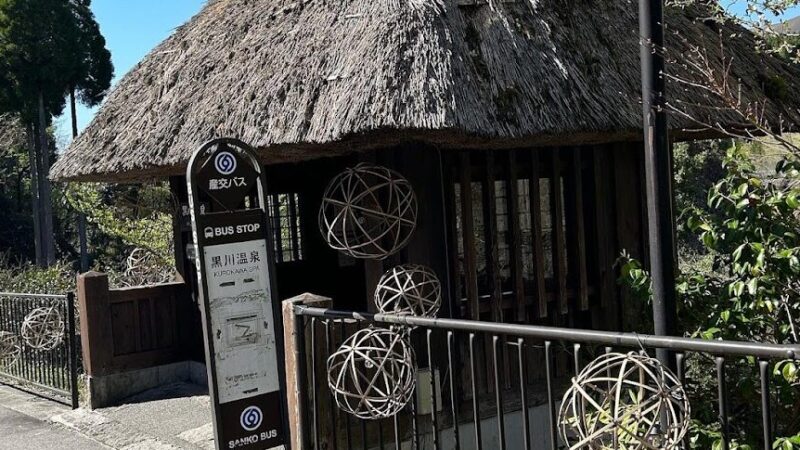
JR Hisao Main Line’s Hita Station is the nearest station. From Hita Station, passengers board the Hita Bus heading for Tsuetatsu Onsen, arriving in approximately 40 minutes. However, bus service is limited, making it essential to check the timetable in advance. Renting a car is convenient when arriving from Fukuoka or Kumamoto airports.
Shuttle Services
Some inns provide shuttle services from Hita Station and surrounding areas. Confirming shuttle availability and conditions during accommodation booking makes access by public transportation smoother.
Tsuetatsu Onsen Through the Seasons and Ways to Enjoy It
Spring: Koinobori Festival Season
Spring at Tsuetatsu Onsen is the busiest season due to the koinobori festival. From late March to early May, approximately 3,500 koinobori swimming above the Tsuetatsu River create an overwhelming sight. The contrast between fresh green mountains and colorful koinobori is popular among photography enthusiasts. The moderate spring climate makes this an ideal season for hot spring town strolling.
Summer: Lush Gorge Valley and Coolness
Summer at Tsuetatsu Onsen offers cooling through the Tsuetatsu River’s clear flow and lush gorge vegetation. Located in a high-altitude mountainous area, it remains relatively cool compared to other Kyushu regions. Outdoor bathing while listening to the river’s murmur is exceptional. Steamed eggs and vegetables made at steam rooms tempt the appetite even in summer heat.
Autumn: Autumn Foliage and Quiet Hot Spring Town
In autumn, mountains surrounding Tsuetatsu Onsen are painted with beautiful fall colors. Late October to mid-November marks peak foliage season, allowing visitors to enjoy the luxury of bathing while viewing colored mountains. The quiet hot spring town after the koinobori festival’s excitement provides an ideal atmosphere for relaxing therapeutic hot spring bathing.
Winter: Steam and Snowy Landscape
In winter, Tsuetatsu Onsen’s steam rises more intensely, wrapping the area in a fantastical atmosphere. When snow falls, the harmony between the white world and the hot spring town creates beautiful scenery. Winter’s cold makes the warmth of high-temperature source springs especially satisfying. Many inns offer special plans for year-end and New Year periods, making this ideal for family and friend hot spring trips.
Current Status and Challenges of Tsuetatsu Onsen
Showa’s Glory and Decline
Tsuetatsu Onsen flourished greatly as Kyushu’s inner sanctum during the Showa era but experienced decline after the bubble economy’s collapse, like many other hot spring resorts. The area faced various challenges including decreased tourism, inn closures, and aging hot spring town populations. Local residents and inn associations continue implementing various revitalization measures.
Regional Revitalization Efforts
The koinobori festival was initiated as one effort to revitalize the declining hot spring town. Building on this success, Tsuetatsu Onsen continues deploying various events and tourism promotions. Efforts include social media information sharing, youth-targeted initiatives, and experiential tourism leveraging regional resources.
Showa-Retro Boom and Reevaluation
The recent Showa-retro trend has led to reevaluation of Tsuetatsu Onsen’s charming old-fashioned hot spring town atmosphere. The landscape, intentionally avoiding large-scale development and preserving Showa character, has paradoxically gained freshness and value. Younger tourists are increasing, bringing new vitality to the hot spring town.
Suggested Ways to Spend Time at Tsuetatsu Onsen
One Night, Two Days Sample Course
Day 1:
- Afternoon: Arrival at Tsuetatsu Onsen, inn check-in
- Evening: Hot spring town strolling, foot bath hopping
- Dinner: Multi-course meal using local ingredients at the inn
- Night: Leisurely bathing in private or large bath
Day 2:
- Early morning: Morning bath and breakfast
- Morning: Motoyu and steam room experiences
- After checkout: Nabe Falls or Oguni Town area sightseeing
- Return journey
Two Nights, Three Days Therapeutic Hot Spring Plan
For those wanting authentic therapeutic bathing, stays of two nights or three days or longer are recommended. Longer stays allow greater appreciation of hot spring benefits and provide deeply relaxing time away from daily bustle. Some inns offer extended-stay plans, so inquiries are worthwhile.
Day-Trip Hot Spring Plan
For time-limited visitors, day-trip bathing is recommended. Arriving in the morning, strolling the hot spring town, enjoying lunch and bathing at a day-trip-accepting inn, then afternoon local sightseeing is a popular plan. Using the free Motoyu outdoor bath or foot baths allows casual experience of Tsuetatsu Onsen’s waters.
Food Culture of Tsuetatsu Onsen
Cuisine Utilizing Local Ingredients
Tsuetatsu Onsen’s inns serve dishes featuring ingredients nurtured by nature in Aso and Oguni Town. Oguni Jersey beef, local fowl, wild plants, and river fish decorate dining tables. Oguni Jersey beef particularly stands out, featuring low-fat content with rich flavor, often served as steak or sukiyaki.
Steam-Cooked Hot Spring Cuisine
Unique to Tsuetatsu Onsen is steam-cooked hot spring cuisine. Vegetables, eggs, and buns cooked using hot spring steam bring out ingredient flavors, offering distinctive taste. Some inns allow guests to experience preparing steam cuisine themselves, creating memorable souvenirs.
Hot Spring Town Dining Spots
Dining establishments and souvenir shops using local ingredients are scattered throughout the hot spring town. Hot spring buns, local sake, and sweets using Jersey milk offer Tsuetatsu Onsen-specific gourmet experiences. Strolling while eating is one hot spring town pleasure.
Tsuetatsu Onsen Water Quality Data and Bathing Etiquette
Detailed Water Quality Information
- Water Type: Simple hot spring water, sodium-chloride springs, etc. (varies by source)
- Source Temperature: Approximately 98 degrees Celsius
- pH Value: Weakly alkaline
- Flow Volume: Abundant (self-spouting)
- Number of Sources: 26 throughout the hot spring town
Bathing Precautions
With Tsuetatsu Onsen’s high-temperature source springs, bath temperatures may be set relatively high. Always rinse your body before bathing, gradually acclimating to the temperature. Avoid prolonged soaking and drink water frequently. At source-fed baths, basic bathing etiquette such as not placing towels in the bath preserves water freshness.
Bathing in the Water
Drinking the hot spring water is possible at some sources. Drinking hot spring water allows internal absorption of thermal minerals, reportedly effective for digestive system improvements. However, drinking possibility varies by source, so always follow facility guidance.
Conclusion: Experience Tsuetatsu Onsen’s Charm
Tsuetatsu Onsen is Kumamoto Prefecture’s premier hot spring, boasting approximately 1,800 years of history. Its unique attractions include a 98-degree high-temperature source spring, a Showa-retro hot spring town with rising steam, the spring koinobori festival, and distinctive steam bath culture found nowhere else.
Located at the border between Kumamoto and Oita prefectures, its geography provides easy access to both prefectures’ tourism resources. Combined with surrounding attractions—Aso’s nature, Oguni Town’s beautiful scenery, and Hita’s historical culture—visitors can create comprehensive travel plans.
Recently, the Showa-retro boom has brought attention from younger generations, creating renewed vitality. Tsuetatsu Onsen, preserving history and tradition while promoting new appeal, proves to be a hot spring resort worth visiting.
Escaping daily bustle to refresh body and mind in a quiet hot spring town with rising steam—consider experiencing such luxury at Tsuetatsu Onsen. We invite you to personally experience the charm of the hot spring once called Kyushu’s inner sanctum.