Complete Guide to Zao Onsen | The Charm, Access, and Recommended Accommodations of Yamagata Prefecture’s Premier Hot Spring
What is Zao Onsen? Yamagata Prefecture’s Historic Famous Hot Spring
Zao Onsen (ざおうおんせん) is a representative hot spring resort of the Tohoku region, located at an elevation of approximately 900 meters on the western foothills of the Zao mountain range in the southeastern part of Yamagata City, Yamagata Prefecture. According to tradition, the hot spring was opened in 110 AD and is known as one of Japan’s oldest hot springs with approximately 1,900 years of history.
A legend remains that it was discovered by Kibi no Takayuki, who accompanied Yamato Takeru no Mikoto during his eastern conquest. It was once called “Takayu” (high hot spring). During the Edo period, it flourished with visitors paying respects to Zao Gongen and people seeking thermal cures, and after the Meiji period, it developed as a summer retreat and therapeutic destination.
Today, in addition to the hot spring itself, Zao attracts many domestic and international tourists as a mountain resort offering diverse activities throughout the year, including winter skiing at Zao Ski Resort, ice-sculpture viewing, and summer mountain climbing and trekking.
Zao Onsen’s Spring Quality and Effects | Beauty Effects of Highly Acidic Sulfur Hot Springs
Characteristics of the Spring Quality
The greatest characteristic of Zao Onsen is its highly acidic sulfur hot spring with a pH of 1.25 to 1.6, one of the most notable in Japan. This strong acidity dissolves old keratin and smooths the skin, earning it the affectionate nickname “hot water for making beauties.”
Main Spring Quality Data:
- Spring quality: Acidic, sulfur-containing aluminum sulfate chloride hot spring
- pH value: 1.25 to 1.6 (highly acidic)
- Source temperature: 45 to 66°C
- Flow rate: approximately 8,700 liters per minute
The white turbid, milky-colored water is characterized by the scent of sulfur, with the entire hot spring town enveloped in the smell. This unique atmosphere further enhances the hot spring experience.
Expected Health Benefits
The highly acidic sulfur hot spring of Zao Onsen is expected to provide the following health benefits:
Skin Effects:
- Improvement of chronic skin diseases
- Skin smoothing through keratin softening effects
- Improvement of acne and skin eruptions through bactericidal action
- Symptom relief for atopic dermatitis
Other Health Benefits:
- Chronic gynecological diseases
- Diabetes
- Hypertension
- Arteriosclerosis
- Neuralgia and muscle pain
- Joint pain
- Chronic gastrointestinal diseases
- Hemorrhoids
- Poor circulation
- Fatigue recovery
The beauty effects on skin are particularly highly regarded, with many people reporting that “skin becomes silky smooth after bathing.” However, since it is highly acidic, people with sensitive skin should shorten their bathing time and take appropriate precautions.
Zao Onsen’s Appeal | Ways to Enjoy Beyond the Hot Spring
Winter Ice Sculpture Viewing
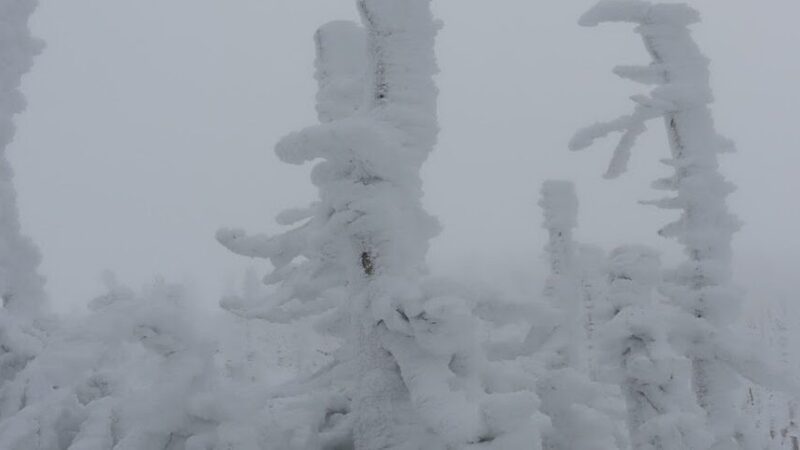
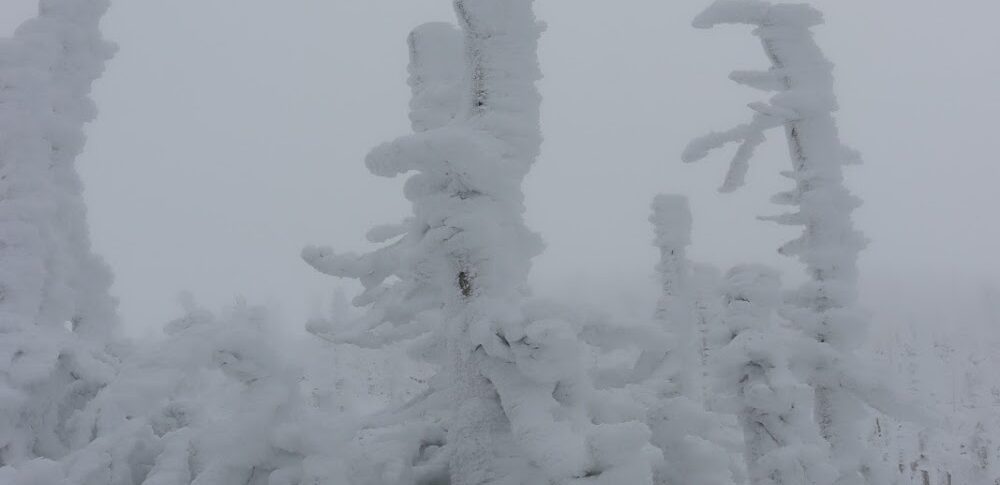
The greatest winter attraction of Zao Onsen is the “ice sculptures” (juhyo), a rare natural phenomenon in the world. Ice sculptures form when snow and ice accumulate on Aomori spruce trees, creating “snow monsters” that produce a fantastical landscape.
Ways to View Ice Sculptures:
- Zao Ropeway: Takes about 17 minutes to reach the Jizo Mountain Summit Station, where you can observe the ice sculpture groups up close
- Ice Sculpture Illumination: Limited-period nighttime illumination offers a mystical atmosphere different from daytime viewing
- Snow Vehicle Night Cruiser: A special tour that runs through the ice sculpture field, allowing you to experience the ice sculptures more closely
The best viewing period is typically late January through late February, during which time many domestic and international tourists visit.
Zao Ski Resort
Zao Onsen Ski Resort is the largest ski resort in the Tohoku region, with diverse courses suitable for both beginners and advanced skiers.
Ski Resort Characteristics:
- Total area: approximately 305 hectares
- Number of courses: 26
- Longest run: approximately 10 kilometers
- Lifts and gondolas: 41
High-quality powder snow and abundant snowfall, combined with the “skiing and hot spring” combination, make it popular. The luxury of soothing tired muscles in a hot spring after skiing is unique to Zao.
Summer Mountain Climbing and Trekking
In the summer season, Zao transforms into a lush mountain resort. Hiking and trekking in the Zao mountain range offer the opportunity to enjoy alpine plants and “Okama,” a volcanic crater lake.
Recommended Spots:
- Okama: An emerald green crater lake and symbolic landmark of Zao
- Dokko Pond: A beautiful pond where alpine plants bloom profusely
- Iroha Pond: A trekking course with multiple small ponds scattered about
From the summit of Mount Kumano at 1,841 meters, on clear days, you can enjoy spectacular views stretching to Mount Gassan, Mount Chokaj, and even the distant Pacific Ocean.
Hot Spring Town Strolling
The Zao Onsen hot spring town retains the atmosphere of a traditional therapeutic hot spring village with picturesque streetscapes.
Highlights:
- Zao Dairo Rotenburo (Great Outdoor Bath): An open-air bath along a mountain stream (closed in winter)
- Sukegawa Onsen Shrine: A shrine dedicated to the protective deity of the hot spring
- Jizo Statue: A stone statue of Jizo watching over ski slope safety
- Foot Bath Spots: Multiple free foot baths where you can casually enjoy the hot spring
The hot spring town features restaurants serving local cuisine and souvenir shops scattered throughout, allowing visitors to enjoy local flavors while strolling.
Zao Onsen’s Day-Trip Bathing Facilities
Zao Onsen offers plenty of facilities where visitors can easily enjoy the renowned hot spring on a day-trip basis.
Zao Onsen Dairo Rotenburo (Great Outdoor Bath)
This is the representative day-trip bathing facility of Zao Onsen, featuring an open-air outdoor bath set along a natural mountain stream.
Facility Information:
- Operating period: Late April to early November (closed in winter)
- Operating hours: 6:00 AM to 7:00 PM (varies by season)
- Admission: Adults ¥700, children ¥400
- Features: Gender-separated large outdoor baths where you can experience oneness with nature
This rustic outdoor bath surrounded by mountains on all sides is a true delight of Zao Onsen.
Zao Onsen Kamitakumi Shared Bath House
A shared bathhouse used by local residents, offering the traditional atmosphere of a therapeutic hot spring village.
Facility Information:
- Operating hours: 6:00 AM to 10:00 PM
- Admission: Adults ¥250, children ¥150
- Features: A locally-oriented bathhouse with hot-spring-source fed flowing water at a high temperature
There are also multiple other shared baths such as “Kawara-yu Shared Bath House” and “Shitayu Shared Bath House,” each available for around ¥200-300.
Zao Onsen Day-Trip Hot Spring Center
A relatively new day-trip bathing facility featuring indoor and outdoor baths.
Facility Information:
- Operating hours: 10:00 AM to 6:00 PM
- Admission: Adults ¥800, children ¥500
- Facilities: Relaxation room and dining facility included
The facility is equipped with visitor-friendly amenities and is convenient to stop by after skiing or sightseeing.
Zao Onsen’s Recommended Accommodations
Luxury Ryokan and Hotels
Sakaiya Mori no Hotel Valtberg
- Features: European-style resort hotel
- Hot spring: Observation outdoor bath with panoramic views of the Zao mountain range
- Cuisine: Choice of French or Japanese cuisine
- Price range: ¥20,000 and up per person, 2 meals included
Zao International Hotel
- Features: One of the largest resort hotels in Zao Onsen
- Hot spring: Large bath “Hachie-mon no Yu” offers 100% pure source-fed flowing water
- Cuisine: Kaiseki dinner featuring local ingredients such as Yamagata beef
- Price range: ¥15,000 and up per person, 2 meals included
Mid-Range Ryokan
Miyama-so Takamiya
- Features: Historic ryokan established over 300 years ago
- Hot spring: Four natural hot springs with nine baths offering a “bath-hopping” experience
- Cuisine: Kaiseki featuring Yamagata regional cuisine
- Price range: ¥12,000 and up per person, 2 meals included
Omiya Ryokan
- Features: Homey, family-friendly atmosphere
- Hot spring: Source-fed flowing indoor and outdoor baths
- Cuisine: Homemade feel with satisfying home-style cooking
- Price range: ¥10,000 and up per person, 2 meals included
Budget-Friendly Accommodations
Pension Putaro
- Features: Casual pension-style accommodation
- Hot spring: Shared bath access (within walking distance)
- Cuisine: Generous Western-style menu
- Price range: ¥8,000 and up per person, 2 meals included
Various Minshuku and Lodges
- Price range: Room only from ¥5,000; 2 meals included from ¥7,000
- Features: Many casual accommodations catering to skiers
Most accommodations charge higher rates during the winter ski season and ice-sculpture viewing season. Off-season periods (spring and autumn) offer relatively affordable rates, making them ideal for hot-spring-focused trips.
Access to Zao Onsen
Access by Train and Bus
From Tokyo:
- Approximately 2 hours 40 minutes from Tokyo Station to Yamagata Station via the Yamabiko Shinkansen
- Approximately 40 minutes from Yamagata Station to Zao Onsen via bus
From Sendai:
- Approximately 1 hour 10 minutes from Sendai Station to Yamagata Station via the Senzan Line
- Approximately 40 minutes from Yamagata Station to Zao Onsen via bus
Bus Information:
- Operator: Yamakou Bus
- Fare: Yamagata Station to Zao Onsen ¥1,000 one way
- Frequency: Approximately 10 buses per day (varies by season)
- Travel time: Approximately 40 minutes
Access by Automobile
From Tokyo:
- Tohoku Expressway → Yamagata Expressway “Yamagata Zao IC” exit → National Route 286, approximately 30 minutes
- Total distance: Approximately 360 kilometers
- Travel time: Approximately 4 hours 30 minutes
From Sendai:
- Tohoku Expressway “Murata JCT” → Yamagata Expressway “Yamagata Zao IC” exit → National Route 286, approximately 30 minutes
- Total distance: Approximately 70 kilometers
- Travel time: Approximately 1 hour 20 minutes
Parking Information:
- Multiple paid and free parking lots in the hot spring town
- Most accommodations have dedicated parking
- Winter requires studless tires or chains
Access from Airports
From Yamagata Airport:
- Airport to Yamagata Station via connecting bus, approximately 30 minutes
- Yamagata Station to Zao Onsen via bus, approximately 40 minutes
From Sendai Airport:
- Airport to Sendai Station via train, approximately 25 minutes
- Sendai Station to Zao Onsen via Yamagata Station
Best Season for Zao Onsen Tourism
Winter (December to March)
Greatest Appeal: Ice Sculptures and Skiing
- Late January to late February: Peak ice sculpture season
- Ski resort operates from early December to early May
- The combination of hot spring and snowy scenery is exceptional
- Caution: Dress warmly, be careful of snow and frozen roads
Spring (April to May)
Fresh Greenery and Affordable Rates
- Late April: Great Outdoor Bath opens
- Fresh green landscape beautiful after snowmelt
- Accommodations offer off-season pricing
- Caution: Early April still has remaining snow
Summer (June to August)
Appeal as Summer Retreat
- Cool climate at 900-meter elevation
- Peak season for mountain climbing and trekking
- Ideal time for Okama sightseeing
- Caution: Weekends and summer holidays can be crowded
Autumn (September to November)
Spectacular Autumn Foliage
- Late September to mid-October: Peak fall foliage season
- Fall foliage viewing from the Zao Ropeway is popular
- The combination of hot spring and autumn leaf viewing is appealing
- Caution: Great Outdoor Bath closes in early November
Most Recommended Times:
- Early to mid-February (peak ice sculpture season)
- Early October (peak fall foliage season)
- July to August (summer retreat and mountain climbing)
Tourist Attractions Around Zao Onsen
Within Yamagata City
Yamadera (Risshakuji Temple)
- Approximately 40 minutes by car from Zao Onsen
- Ancient temple associated with Matsuo Basho
- Spectacular views from the top after climbing 1,015 stone steps
Yamagata Castle Ruins (Kasumi Castle Park)
- Approximately 30 minutes by car from Zao Onsen
- Famous as a cherry blossom viewing spot
- Yamagata City Local History Museum offers regional history exhibits
Bunkoshokan (Former Yamagata Prefecture Government Building)
- Beautiful Taisho-era Western-style building
- Free admission
- Evening illumination also available
Nearby Hot Springs
Kaminoyama Onsen
- Approximately 30 minutes by car from Zao Onsen
- Hot spring town with remaining castle-town atmosphere
- Well-equipped day-trip bathing facilities
Tendo Onsen
- Approximately 40 minutes by car from Zao Onsen
- Famous as a center of shogi piece production
- Hot spring town themed around shogi
Dining Spots
Imoni
- Yamagata regional cuisine
- Served at restaurants throughout the hot spring town
Tama Konnyaku
- Yamagata specialty of skewered konnyaku
- Available for purchase at hot spring town shops
Yamagata Beef
- Premium brand beef
- Can be savored in evening meals at hot spring ryokan
Hiyashi Ramen
- Yamagata’s famous summer noodle dish
- Available at specialty shops in Yamagata City
Practical Information for Enjoying Zao Onsen
Items to Bring and What to Wear
For Hot Spring Bathing:
- Towel (rental available for a fee)
- Toner and moisturizing cream (post-bath care is important due to high acidity)
- Plastic bag (for wet towels)
Winter Clothing:
- Heavy outerwear (down jacket, thick coat)
- Warm hat, gloves, scarf
- Waterproof, non-slip shoes
- Disposable hand warmers
Summer Clothing:
- Light clothing acceptable (higher elevation means cool mornings and evenings)
- Trekking shoes if mountain climbing
- Sunscreen, hat
Precautions
When Bathing in Hot Springs:
- Avoid prolonged bathing due to high acidity (10-15 minutes recommended)
- Rinse body with fresh water after bathing or dry thoroughly with towel
- Remove metal accessories as they may discolor
- Patch test recommended for those with sensitive skin
Winter Precautions:
- Pay close attention to icy road surfaces
- Studless tires are essential
- Avoid going outside during blizzards
- Take comprehensive cold-weather precautions
High Altitude Precautions:
- Elevation of 900 meters warrants caution for those with hypertension
- Avoid sudden exercise
- Hydrate regularly
Budget Estimates
Day-Trip Hot Spring:
- Shared bath: ¥200-300
- Day-trip bathing facility: ¥700-1,000
- Lunch: ¥1,000-2,000
- Total: ¥2,000-4,000
1 Night 2 Days (per person):
- Accommodation: ¥8,000-20,000
- Transportation (from Tokyo): Round trip approximately ¥20,000
- Lunch and other expenses: ¥3,000
- Total: ¥31,000-43,000
2 Nights 3 Days (per person):
- Accommodation: ¥16,000-40,000
- Transportation: Round trip approximately ¥20,000
- Lunch and sightseeing: ¥6,000
- Total: ¥42,000-66,000
Souvenir Information
Recommended Souvenirs:
- Hot Spring Cosmetics: Toners and creams using Zao Onsen source water
- Tama Konnyaku: Yamagata specialty in vacuum-sealed packaging
- Juhyo Roman: Zao-exclusive confection
- Yamagata Cherry Products: Jams, jellies, wine
- Kokeshi Dolls: Zao Takayu-style kokeshi are traditional crafts
- Local Sake: Various Yamagata sake brands
Available for purchase at hot spring town souvenir shops, accommodation gift shops, and the Zao Onsen Tourism Association shop.
Zao Onsen’s History and Culture
Legend of Opening and History
Zao Onsen’s opening dates back to 110 AD during the eastern conquest of Yamato Takeru no Mikoto. It was reportedly discovered by his attendant Kibi no Takayuki, and was initially called “Takayu.”
Historical Transitions:
- Ancient Times: Used as therapeutic waters since discovery
- Heian Period: Developed as a site of ascetic mountain religion
- Edo Period: Developed as a thermal bath site for Kaminoyama Domain, visited by many literati
- Meiji Period: Developed as a summer retreat and therapeutic destination
- Early Showa Period: Year-round resort development following ski slope opening
- Modern Era: Development as an international mountain resort
Hot Spring Culture
Traditional hot spring bathing culture remains alive in Zao Onsen today.
Bathing Traditions:
- Long-term stay therapeutic bathing
- Existence of accommodations with self-catering facilities
- Community centered around shared bathhouses
Hot Spring Festivals:
- Zao Onsen Ice Sculpture Festival (February): Ice sculpture illumination, torch descent skiing
- Zao Onsen Summer Festival (August): Traditional performing arts, fireworks
Zao Devotion
Mountain religion worshipping Zao Gongen has existed since ancient times, with the hot spring developing as part of this sacred site. Shrines and stone markers dedicated to Zao Gongen remain throughout the hot spring town, conveying the history of this devotion.
Zao Onsen Q&A
Q1: Can Zao Onsen be enjoyed on a day trip?
A1: Yes, absolutely. With well-equipped day-trip bathing facilities and shared baths available for ¥200-300, or the Great Outdoor Bath for around ¥700, you can fully enjoy it. Since it’s accessible by bus round-trip from Yamagata Station, it’s suitable for day-trip tourism.
Q2: I’ve heard Zao Onsen’s water is strong on the skin—will it be alright?
A2: Zao Onsen is indeed highly acidic (pH 1.25-1.6) and can be irritating. For those with sensitive skin, we recommend shorter bathing times (5-10 minutes) and rinsing thoroughly with fresh water or drying well after bathing. If concerned, patch testing on the inside of your arm beforehand is recommended.
Q3: When is the best time to view ice sculptures?
A3: The peak ice sculpture season is from late January through late February. Early to mid-February is particularly impressive. However, this period is extremely cold, with temperatures often dropping below minus 10 degrees Celsius, so comprehensive cold-weather preparation is essential.
Q4: Should I go to Zao Onsen by car or public transportation?
A4: For summer, public transportation is sufficient, but for winter ice-sculpture and skiing enjoyment, a car is convenient. However, winter driving requires studless tires, and those unfamiliar with snow driving should use public transportation. The bus from Yamagata Station runs fairly frequently, and the hot spring town is compact and walkable.
Q5: How many days of stay are needed to enjoy both skiing and hot springs at Zao Onsen?
A5: A minimum of 1 night 2 days is needed, with 2 nights 3 days being ideal. A typical plan would be skiing on day one, then ice sculpture viewing and hot spring hopping on day two. Those wanting to enjoy skiing thoroughly should stay 2 nights or more.
Q6: Can families with children enjoy Zao Onsen?
A6: Yes, they can. The ski resort has a kids’ park, and summer offers ice crater (Okama) sightseeing and ropeway rides popular with children. However, due to the highly acidic hot spring, keep children’s bathing time short and provide thorough post-bath care.
Q7: Are there pet-friendly accommodations?
A7: Some pensions and minshuku accept pets. However, options are limited, so advance confirmation and reservations with the accommodation are recommended.
Q8: Where can I buy cosmetics made with Zao Onsen source water?
A8: They’re available at souvenir shops throughout the hot spring town, accommodation gift shops, and the Zao Onsen Tourism Association shop. Various products including toners, soaps, and bath salts are available and popular as souvenirs.
Summary: Refresh Body and Mind at Zao Onsen
Zao Onsen is a renowned highly acidic sulfur hot spring with approximately 1,900 years of history, cherished as “hot water for making beauties” for its skin-beauty effects. Beyond the hot spring itself, it offers a comprehensive mountain resort experience with winter ice sculptures and skiing, and summer mountain climbing—diverse enjoyment across all seasons.
Summary of Zao Onsen’s Appeal:
- Skin-beauty effects from Japan’s most notable highly acidic sulfur hot spring
- Spectacular rare ice sculpture landscapes
- Tohoku’s largest ski resort
- Diverse lodging options from shared baths to luxury ryokan
- Convenient access approximately 40 minutes from Yamagata Station
- Picturesque hot spring town atmosphere
Whether visiting for a day trip or an overnight stay, Zao Onsen offers distinct pleasures for each travel style. Why not escape the daily routine and spend special time at this representative Tohoku hot spring? The highly acidic waters will smooth your skin, and the majestic nature will soothe your spirit—Zao Onsen is truly a Japanese hot spring worth visiting.