Ginzan Onsen, Yamagata Prefecture: Complete Guide | Charm and How to Enjoy a Hot Spring Town Full of Taisho Romance
Ginzan Onsen, located in Obanazawa City, Yamagata Prefecture, is a hot spring resort where a world full of Taisho-era romanticism unfolds as if you’ve traveled back in time. Wooden three- and four-story hot spring inns standing along both banks of the Ginzan River, the warm light of gas lamps lit at dusk, and beautiful scenery created by nature in each season continue to captivate visitors. This article provides a detailed introduction to everything about Ginzan Onsen, from its history and charm to how to access it and recommended ways to enjoy it.
What is Ginzan Onsen | A Nostalgic Town Exuding Taisho Romance
Ginzan Onsen is a hot spring resort located in Obanazawa City, Yamagata Prefecture, and as its name suggests, it is a historic hot spring town that originated with the discovery of silver mines. The hot spring town is approximately 300 meters long, and within this short distance, the worldview of Taisho romanticism condensed there deeply moves all who visit.
The characteristic feature of the hot spring town is, above all, the cluster of wooden multi-story hot spring inns lined along the Ginzan River. These buildings, constructed from the Taisho era through the early Showa period, are characterized by a fusion of Japanese and Western architectural styles, incorporating plaster decorations called “kote-e” (trowel paintings) and Western designs. The buildings themselves possess value as works of art.
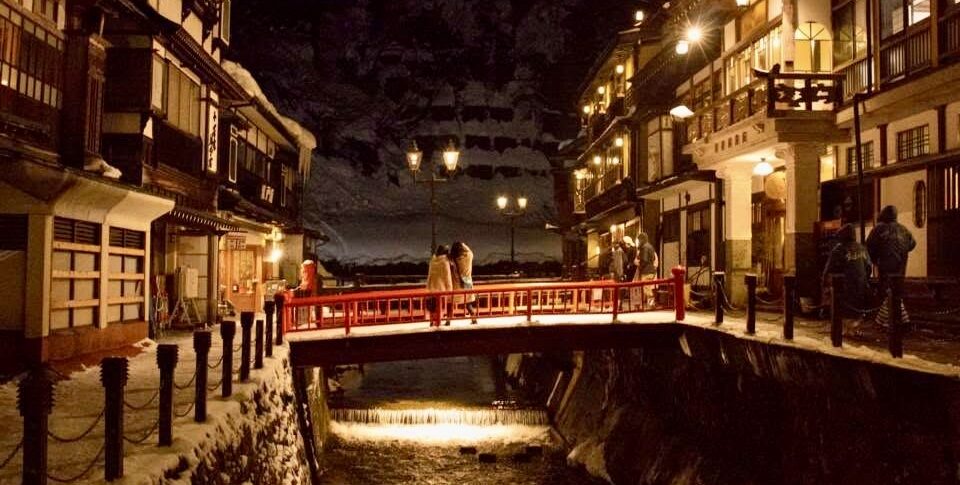
When dusk arrives, gas lamps light up throughout the hot spring town, and the sight of their soft light reflecting on the river’s surface is nothing short of magical. This emotionally rich scenery is known as the setting for the NHK asadora (morning drama) “Oshin,” and has gained nationwide popularity.
History of Ginzan Onsen | From Silver Mine Discovery to Development as a Hot Spring Resort
Discovery and Prosperity of Noborisawa Silver Mine
The history of Ginzan Onsen dates back to Koushou 2 (1456). It is said to have begun when silver ore was discovered by Gigazaemon, a person from Kanazawa in the province of Kaga. Subsequently, in Genwa 8 (1622), full-scale development proceeded under the shogunate’s direct control, and Noborisawa Silver Mine flourished greatly.
It is said that during its peak, the number of households reached 49,000 and the population reached 220,000, giving a glimpse of the prosperity of that time. The hot spring that became the origin of Ginzan Onsen was discovered during the Keichō era (1596-1615) by miners who had enriched themselves through silver mining.
Decline of Silver Mining and Rebirth as a Hot Spring Resort
In the mid-Edo period, silver production decreased, and Noborisawa Silver Mine gradually declined. However, the hot spring remained, continuing meagerly as a therapeutic bathing destination. From the Meiji to Taisho periods, improvements to the hot spring resort proceeded, and the foundation of the hot spring town as seen today was formed.
The hot spring town suffered devastating damage from a major flood in Taisho 2 (1913), but during the subsequent reconstruction, characteristic wooden multi-story inn buildings were constructed one after another. The buildings constructed during this period have created the nostalgic landscape of Ginzan Onsen that exists today.
Charm of Ginzan Onsen | Changing Appearances with Each Season
The greatest charm of Ginzan Onsen is the beauty of nature that displays a different face with each of the four seasons and the landscape of the hot spring town that enhances it. Truly, the seasonal changes created by nature captivate all who visit, which can be called the art created by nature.
Ginzan Onsen in Spring | Fresh Greenery and Clear Mountain Streams from Snowmelt
Spring in Ginzan Onsen is the season of fresh green foliage that arrives with snowmelt. From April to May, the surrounding mountains gradually turn green, and the volume of water in Ginzan River increases. The murmuring of clear streams flowing with snowmelt water and the fresh greenery of budding trees bring an atmosphere full of vitality to the hot spring town.
This season has relatively few tourists, making it recommended for those who wish to enjoy the hot spring quietly. It’s also a time when you can enjoy spring wild vegetable cuisine, and you can savor dishes made with local ingredients.
Ginzan Onsen in Summer | A Summer Retreat Seeking Coolness
Summer in Ginzan Onsen is attractive for its coolness characteristic of mountainous areas. While the plains are wrapped in summer heat, the Ginzan Onsen area maintains a relatively comfortable climate. The mountains changing from fresh green to deep green and the cool murmuring of the river provide coolness to visitors.
Summer is an ideal season for strolling, and it’s also recommended to walk the hiking trail continuing from the hot spring town and visit nearby spots such as the Shirogane Waterfall and the Kawakashi Bridge. The elegance of walking through the hot spring town in a yukata to enjoy the cool of the evening is a way to enjoy this season uniquely.
Ginzan Onsen in Autumn | Spectacular Views Colored by Autumn Leaves
Autumn is the season when Ginzan Onsen is most vividly colored. From mid-October to early November, the surrounding mountains turn red and yellow, and the entire hot spring town is enveloped in autumn foliage. The contrast between the Taisho-era buildings and the autumn leaves has become a popular subject for photography enthusiasts.
Many tourists visit during the autumn foliage season, so it’s recommended to make reservations early. It’s also a season to enjoy autumn flavors such as Yamagata’s imoni (potato stew) and mushroom dishes.
Ginzan Onsen in Winter | A Magical Landscape of a Silver World and Gas Lamps
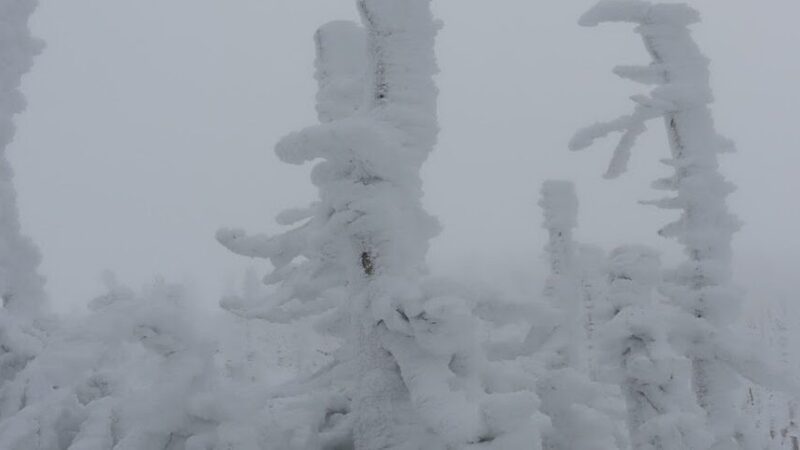
Winter in Ginzan Onsen is the season that displays the most magical beauty of the year. From December to March, the hot spring town is covered in deep snow, and a world of white silver unfolds. The sight created by the snow-clad wooden inns and the warm light of gas lamps is like a beautiful painting.
When night falls, the combination of snow light and gas lamp light creates an even more romantic atmosphere. Enjoying a snow-viewing bath is a luxury unique to this season. However, during winter, attention must be paid to road accumulation and freezing, and the equipment of studless tires and chains becomes essential.
Hot Spring Quality and Efficacy of Ginzan Onsen
The hot spring water at Ginzan Onsen is a sodium-chloride/sulfate hot spring characterized by colorless and transparent water. The source spring temperature is approximately 63 to 65 degrees Celsius, and many facilities use it without heating or dilution.
Main Efficacies
- Neuralgia, muscle pain
- Joint pain, frozen shoulder
- Motor paralysis, joint stiffness
- Bruises, sprains
- Chronic gastrointestinal disorders
- Hemorrhoids, coldness
- Convalescence period, fatigue recovery
- Health promotion
- Cuts, burns
- Chronic skin diseases
The hot spring town has a public bath “Shirogane Yu” and foot baths, where visitors can casually enjoy the hot spring through day-use bathing or foot soaking.
Access to Ginzan Onsen | Convenient Using the Yamagata Shinkansen
Ginzan Onsen is located in a mountainous area of Obanazawa City, Yamagata Prefecture, so access takes some time, but in return, you can experience a sense of a hidden gem and escape from the everyday.
Access by Train and Bus
Nearest Station: Oishida Station (Yamagata Shinkansen)
- From Tokyo Station, approximately 3 hours 30 minutes on the Yamagata Shinkansen “Tsubasa” to Oishida Station
- From Oishida Station, approximately 40 minutes by route bus (Hanagasa Bus) to Ginzan Onsen
- Or from Oishida Station by shuttle bus from each inn (reservation required)
As buses run only a few times daily, it’s recommended to check the timetable in advance. During winter, the number of runs may decrease, so special attention is required.
Access by Car
From Tokyo area
- Approximately 4 hours on the Tohoku Expressway/Tohoku Central Expressway from Murata JCT to Higashine IC
- Approximately 40 minutes from Higashine IC to Ginzan Onsen via National Route 347
From Sendai area
- Approximately 100 minutes from Furukawa IC on the Tohoku Expressway via National Routes 47 and 347
From within Yamagata City
- Approximately 1 hour 30 minutes via National Routes 13 and 347
During winter, pay careful attention to snowfall and road surface freezing, and studless tire installation is essential. The hot spring town has limited parking, so you’ll need to use parking lots at each inn or shared parking lots.
Recommended Hot Spring Inns and Accommodations
Ginzan Onsen has hot spring inns lined up, each with its own unique charm. Here we introduce some representative inns.
Notoya Ryokan
A historic inn representing Ginzan Onsen, its four-story wooden building is designated as a national registered tangible cultural property. The exterior with kote-e decorations is awe-inspiring, and it stands as a symbol of Ginzan Onsen. The interior strongly retains the atmosphere of Taisho romanticism, with period furnishings arranged throughout.
Koyamakaku
A historic inn founded in Taisho 10, featuring a three-story wooden building. Its retro atmosphere combined with modern comfort makes it popular, and guests can view the clear flow of Ginzan River from the windows.
Senkyo no Yado Ginzan-so
A large inn located on a high ground slightly away from the hot spring town. It boasts an abundant supply of hot water with a spacious public bath and open-air bath as its pride, and its view overlooking the Ginzan Onsen landscape is its charm. Day-use bathing is also accepted, making it easy to enjoy the hot spring casually.
Kosekiya Bekkan
There is a main building and a separate building, each with a different atmosphere. The separate building is relatively new, featuring a space that fuses modern facilities with traditional atmosphere. The food is also highly regarded, with kaiseki cuisine utilizing local ingredients.
Fujiya
A ryokan with modern design created by architect Kengo Kuma, it stands out distinctly in the traditional hot spring town. The Japanese-modern spatial design and attention to detail create new charm in Ginzan Onsen.
Reservations are possible through each inn’s official website or major accommodation reservation sites. Especially during busy periods such as weekends, autumn foliage season, and year-end holidays, early reservation is recommended.
How to Enjoy Ginzan Onsen | Hot Spring Town Strolls and Events
Hot Spring Town Strolling
The basic way to enjoy Ginzan Onsen is, of course, strolling through the hot spring town. The approximately 300-meter hot spring town can be walked completely in about 30 minutes, but time passes quickly when you take photos or peek into shops while walking.
Recommended strolling times
- Dusk: When gas lamps begin to light up is the most beautiful
- Early morning: Few tourists, allowing you to have the quiet hot spring town to yourself
- Snowy night: The magical atmosphere reaches its peak
Foot Baths and Public Baths
The hot spring town has a free foot bath called “Waraku Foot Bath,” where you can casually enjoy hot spring water during your stroll. Additionally, the public bath “Shirogane Yu” offers day-use bathing, allowing you to experience Ginzan Onsen’s water inexpensively.
Rental Costume Taisho Romance Experience
Some inns and shops offer rental services for Taisho-era clothing and yukata. Walking through the hot spring town dressed in retro clothing further enhances the time-travel experience. The photogenic appeal is outstanding, and it’s particularly popular with women.
Seasonal Events
Various events are held in Ginzan Onsen according to the season.
- Ginzan Onsen Summer Festival: Held in early August, featuring fireworks and bon odori dancing
- Snow Lantern Festival: Held in winter, the hot spring town is enveloped in the warm light of snow lanterns
- Hinamatsuri (Doll Festival): In March, hinamatsuri dolls are displayed at inns and shops
Event information can be confirmed on the Ginzan Onsen official website.
Nearby Spots | Places to Visit Along with Ginzan Onsen
Shirogane Waterfall
Located a 20-minute walk from the hot spring town, this waterfall has a drop of 22 meters. A hiking trail is maintained, allowing you to enjoy nature in each season while hiking. Particularly beautiful during fresh green and autumn foliage seasons, it’s a spot where you can absorb plenty of negative ions.
Noborisawa Silver Mine Tunnel
A facility where you can view the remains of the Noborisawa Silver Mine tunnel, which gave Ginzan Onsen its name. It allows you to learn about how silver was mined during the Edo period and helps you understand the history of Ginzan Onsen more deeply.
Setokoi Shokudo
A popular dining spot in the hot spring town serving dishes with Obanazawa beef and local soba. It’s recommended as a dining spot for day tourists.
Nogawa Tofu Shop
A shop famous for handmade tofu and soy milk soft-serve ice cream. It’s ideal for stopping by during your stroll, and the soy milk soft-serve ice cream is said to be exquisite.
Izu Kokeshi Workshop
A workshop for kokeshi dolls, a traditional craft of Yamagata Prefecture, where you can also experience the craft-making. It’s ideal for selecting souvenirs and offers a rare opportunity to see the craftsmanship up close.
Dining at Ginzan Onsen | Obanazawa Beef and Soba
When visiting Ginzan Onsen, you should definitely try dishes made with local ingredients.
Obanazawa Beef
A brand beef representing Obanazawa City, Yamagata Prefecture, characterized by fine marbling and tender meat quality. Many inns serve steaks or sukiyaki using Obanazawa beef in their kaiseki dinner courses. The melting texture and deep umami are unforgettable tastes.
Soba
Yamagata Prefecture is known as a soba production area, and delicious soba can be eaten in the Obanazawa area. There are shops around Ginzan Onsen that serve hand-made soba using local soba flour, which you can enjoy together with the hot spring.
Mountain Vegetable Cuisine
From spring through early summer, dishes made with wild vegetables harvested locally appear in inn meals. Enjoying seasonal bounty like fatsia shoots, aralia shoots, and ostrich ferns is a charm unique to mountain hot spring resorts.
Day-Use Bathing and Casual Hot Spring Bathing
For those who wish to enjoy Ginzan Onsen without staying overnight, day-use bathing is recommended.
Public Bath “Shirogane Yu”
Located in the center of the hot spring town, this public bath allows you to enjoy Ginzan Onsen’s water at reasonable prices. With its simple atmosphere used by local residents, it’s popular with tourists.
Operating hours: Usually 8:00-17:00 (varies by season)
Fee: Around 500 yen for adults
Day-Use Bathing at Each Inn
Some inns such as Ginzan-so accept day-use bathing. It’s recommended to confirm and make reservations by phone in advance. Some inns also offer plans with meals, allowing for a more fulfilling day-use hot spring experience.
Accommodation Plans at Ginzan Onsen and Reservation Tips
Best Timing for Reservations
Since Ginzan Onsen is a popular hot spring resort, especially weekends, holidays, autumn foliage season, and year-end holidays require early reservations. Ideally, reservations should be made 2-3 months in advance, and for popular inns, half a year in advance is recommended.
Benefits of Weekday Accommodation
Weekdays have relatively easier reservations and are often priced lower than weekends. Additionally, fewer tourists mean you can quietly enjoy the hot spring town.
Booking from Official Websites
Booking directly from each inn’s official website offers benefits such as added perks and real-time room availability confirmation. While reservation sites like Rakuten Travel and Jalan.net are convenient, it’s also recommended to check official websites.
Precautions When Visiting Ginzan Onsen
Winter Equipment
When visiting in winter, cold-weather clothing and non-slip shoes are essential. The hot spring town often has accumulated snow and icy road surfaces, so shoes with grip or simple ice spikes should be brought for safety.
Parking Availability
If arriving by car, parking in the hot spring town is limited. Check the parking available at your accommodating inn in advance, and also note the location of shared parking lots. During peak seasons, parking lots may become full.
Mobile Phone Reception
Being in a mountainous area, mobile phone reception is weak in some places. Especially with some carriers, areas may be out of range, so it’s recommended to complete important calls beforehand.
Cash Preparation
Some small shops and facilities may not accept credit cards or electronic money. Bringing extra cash is reassuring.
Tourist Attractions Around Ginzan Onsen
It’s also recommended to make Ginzan Onsen your base and tour nearby tourist spots.
Mogamikyo Basho Line Boat Ride
Located about 1 hour by car from Ginzan Onsen, this boat ride on the Mogami River is a scenic spot visited by poet Matsuo Basho. While listening to the boatman’s commentary, you can enjoy approximately one hour of boat riding.
Yamadera (Risshaku-ji Temple)
Located between Yamagata City and Sendai City, Yamadera is an ancient temple famous for Matsuo Basho’s “Shidzukesa ya/Iwa ni shimiiru/Semi no koe” (Stillness—penetrating the rocks, the cry of cicadas). Located about 1 hour 30 minutes by car from Ginzan Onsen, 1,015 stone steps lead to spectacular views at the top.
Zao Onsen
Another famous hot spring in Yamagata Prefecture, characterized by strongly acidic sulfur water. Located about 2 hours by car from Ginzan Onsen, it’s recommended for those wishing to enjoy hot spring hopping.
Souvenirs and Shops at Ginzan Onsen
Ginzan Onsen Curry Pan
A popular hot spring town delicacy with freshly fried curry bread perfect for eating while strolling. With crispy exterior and curry stuffed inside, it’s perfect as a strolling companion.
Haikara-san’s Curry Pan
A curry bread specialty shop themed on Taisho romanticism, with retro packaging also popular. Frozen curry bread is also sold for souvenirs.
Local Sake
Yamagata Prefecture is known as a sake production area, and local brewery sake from the Ginzan Onsen area can be purchased. Often served at inns, the pairing with food is outstanding.
Kokeshi Dolls
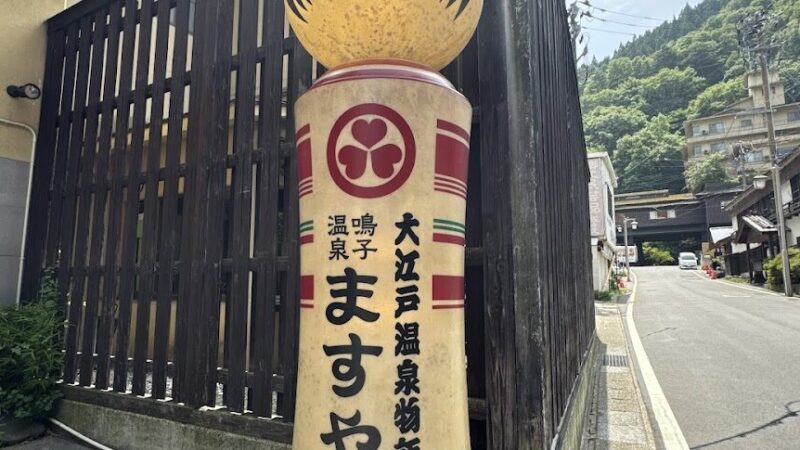
Kokeshi dolls, traditional crafts of Yamagata Prefecture, are popular souvenirs from Ginzan Onsen. Various designs are sold at shops in the hot spring town, with handcrafted warmth unique to artisan work.
Conclusion | Travel to the Taisho Romance World at Ginzan Onsen
Ginzan Onsen in Obanazawa City, Yamagata Prefecture, is a hot spring resort with nostalgic charm of Taisho-era romanticism and the beauty of nature in each season. You can savor what can be called the art created by nature, including wooden multi-story inns lining the Ginzan River, the warm light of gas lamps lit at dusk, and autumn foliage or silver snow landscapes.
With strolling through the historic hot spring town, high-quality hot spring water, delicious cuisine like Obanazawa beef, and touring nearby tourist attractions, there are diverse ways to enjoy yourself. While day trips are possible from Tokyo using the Yamagata Shinkansen, we highly recommend staying overnight to leisurely savor the magical atmosphere of the hot spring town with gas lamps lit at night.
Make reservations early, and consider visiting Ginzan Onsen in your preferred season to experience its charms across all four seasons. A trip to the Taisho romanticism world will surely become an unforgettable memory.
Frequently Asked Questions (FAQ)
Q1: Is a day trip to Ginzan Onsen possible?
A1: Yes, it’s possible. Using the Yamagata Shinkansen from Tokyo, you can enjoy it as a day trip. However, since the nighttime scenery with lit gas lamps is most beautiful, staying overnight if possible is recommended. For day trips, you can use the public bath “Shirogane Yu” or day-use bathing at some inns.
Q2: What is the best season to visit Ginzan Onsen?
A2: Each season has different appeals, but particularly popular are autumn foliage (mid-October to early November) and winter snow scenes (December to March). Winter offers the most magical Ginzan Onsen experience with the combination of gas lamps and snow. However, winter requires attention to snowfall and road surface freezing. For those wishing to avoid crowds, spring and summer with fresh foliage are recommended.
Q3: What is the approximate accommodation cost at Ginzan Onsen?
A3: Costs vary by inn and season, but a typical range is 15,000 to 40,000 yen per person for one night with two meals. Historic or popular inns and special rooms may cost more. Weekdays are often cheaper than weekends, so weekday stays are recommended for budget-conscious visitors.
Q4: Can I access Ginzan Onsen without a car?
A4: Yes, access by public transportation is possible. Route buses (Hanagasa Bus) run from Oishida Station on the Yamagata Shinkansen, reaching Ginzan Onsen in approximately 40 minutes. Additionally, some accommodating inns provide shuttle service from Oishida Station, so confirm this when making reservations.
Q5: What times are best for photography at Ginzan Onsen?
A5: The most recommended time is dusk (around sunset). The “magic hour” when natural light and gas lamp light mix as lamps begin to light is most beautiful for photography. Also, early morning (around 6:00-7:00 AM) has few tourists, allowing for photography of the quiet hot spring town. Winter mornings after snowfall are also prime opportunities for magical photography.
Q6: Can Ginzan Onsen be enjoyed by families with children?
A6: Yes, it can be enjoyed. The hot spring town stroll is short-distance and manageable for small children, and foot baths and public baths are available. However, winter snow and freezing require special attention for families with small children. Some inns offer family-friendly services or private baths, so confirm when making reservations.
Q7: Are there restaurants where I can eat in the Ginzan Onsen area?
A7: Yes, several dining spots exist in the hot spring town. “Setokoi Shokudo” serves Obanazawa beef and local soba. Also popular are eating-while-strolling foods like curry bread. However, many are small-scale with limited operating hours, and some may close during winter, so advance confirmation is recommended.
Q8: Do the inns at Ginzan Onsen have parking?
A8: Most inns have dedicated parking, but due to the hot spring town’s layout, parking is often distant from the inn. Concierge staff guide guests to parking and may carry luggage. Shared parking also exists at the hot spring town entrance. Winter snow may limit parking spaces, so confirm when making reservations.