Naruko Onsen Miyagi Prefecture Complete Guide | Exploring the Charm of Oshu’s Three Famous Hot Springs and 8 Types of Spring Quality Explained in Detail
Naruko Onsen, located in Osaki City, Miyagi Prefecture, is one of the premier hot spring destinations in the Tohoku region, boasting a history of over 1200 years. Of the 11 types of hot spring water quality found throughout Japan, an impressive 9 types are concentrated here, with over 370 hot springs providing abundant hot water. Along with Iizaka Onsen in Fukushima Prefecture and Akiu Onsen in Miyagi Prefecture, it is counted among the “Oshu’s Three Famous Hot Springs,” and has long been cherished as a hot spring therapy destination by many people.
This article comprehensively conveys the charm of Naruko Onsen, covering its history, characteristics of its spring quality, the 5 hot springs that comprise the Naruko Onsen region, tourist attractions, and access methods.
What is Naruko Onsen | Oshu’s Three Famous Hot Springs with 1200 Years of History
Naruko Onsen is located in Naruko Onsen, Osaki City, Miyagi Prefecture, and is a national health and recuperation hot spring area within the Kurikoma Quasi-National Park. It is said that the hot spring was discovered approximately 1200 years ago in the early Heian period, in 837 CE (Jowa 4), when the Toriyagamori (Naruko Volcano) erupted.
The name of the hot spring area comes from a legend that when the son of Minamoto no Yoshitsune was born in this place, the baby’s crying voice resonated through the land, causing it to be called “Nakiko” (crying child), which later became “Naruko.”
During the Edo period, the Sendai Clan’s Date family established their imperial hot spring bath here, and the area flourished as a recuperation spot for the clan’s lords and samurai. As an important point on the Dewa Kaido, it was also busy as a post town. Even today, the hot spring town retains glimpses of that era, with wooden inns and souvenir shops lining the streets, allowing visitors to enjoy retro hot spring atmosphere.
Naruko Onsen’s Spring Quality | A Hot Spring Paradise Where 9 of Japan’s 11 Types Converge
Naruko Onsen’s greatest feature is its remarkable diversity of spring qualities. Of the 11 types of hot spring water quality defined in Japan, an impressive 9 types exist in this region. This is extremely rare nationwide, which is why it is called a “hot spring department store.”
9 Types of Hot Spring Quality Enjoyed at Naruko Onsen
- Simple Hot Spring – Gentle on skin with minimal stimulation
- Chloride Spring – High heat retention effect, called “hot spring of heat”
- Bicarbonate Spring – Beauty effects, known as “beauty spring”
- Sulfate Spring – Promotes wound healing
- Carbon Dioxide Spring – Promotes blood circulation
- Iron-Rich Spring – Effective for anemia treatment
- Sulfur Spring – Characterized by white cloudy water
- Acidic Spring – High sterilization effect
- Radioactive Spring – Therapeutic spring containing radon
The sulfur spring is particularly representative of Naruko Onsen, and the sight of white cloudy water cascading as a hot spring waterfall is spectacular. Some springs change color from transparent to white to green depending on time and temperature—”mysterious hot springs” that captivate visitors.
With over 370 hot springs and abundant hot water volume, many accommodations offer source-fed, continuously flowing hot springs. Enjoying fresh, uncirculated and unfiltered hot springs is also a major appeal of Naruko Onsen.
Naruko Onsen Region | A Hot Spring Area Comprising 5 Unique Hot Spring Destinations
The area generally referred to as “Naruko Onsen” actually refers to the “Naruko Onsen Region,” which is composed of 5 hot spring areas. Each possesses distinct characteristics and charm, allowing visitors to enjoy hot spring hopping.
1. Naruko Onsen
The central area of the Naruko Onsen Region, it is the largest and most lively. Centered around JR Riku-u East Line’s Naruko Onsen Station, inns, hotels, souvenir shops, and restaurants are concentrated.
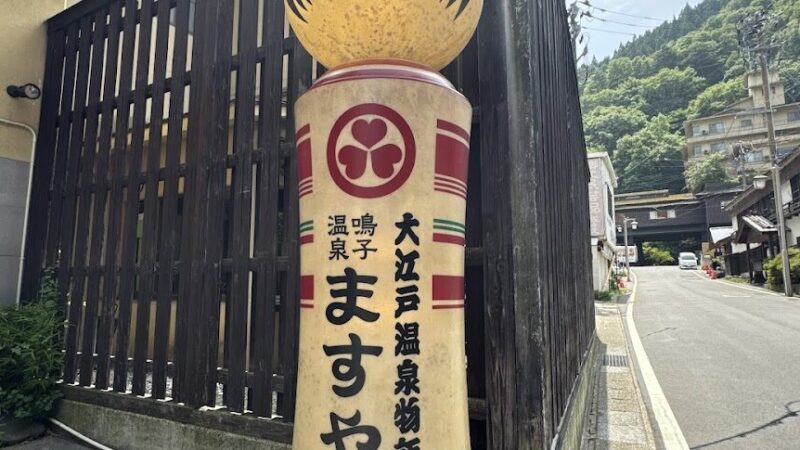
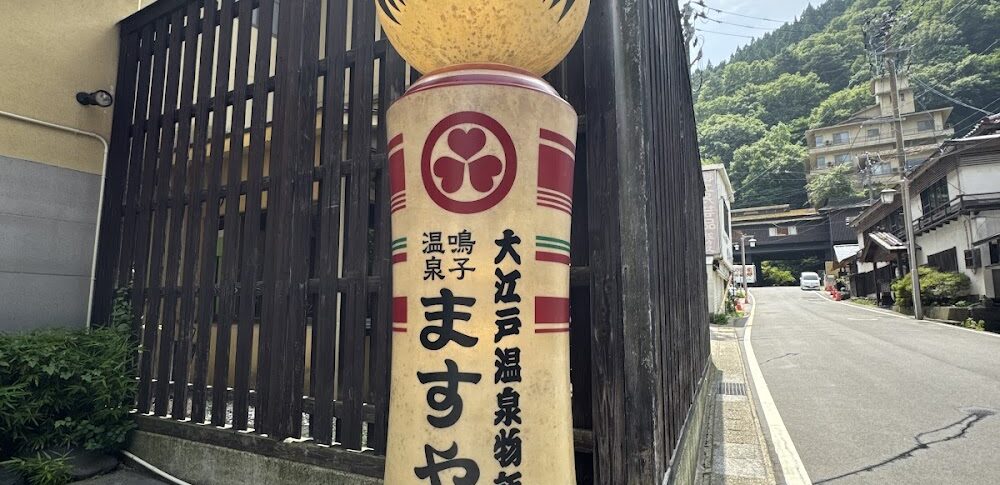
Rising hot spring steam and the aroma of sulfur, narrow alleyways lined with wooden inns evoke traditional hot spring atmosphere. Multiple public bathhouses are available for casual use by locals and tourists alike. It is also famous as a production center for Naruko kokeshi dolls, with doll workshops and specialty shops scattered throughout.
2. Higashi-Naruko Onsen
A quiet hot spring area located approximately 3 km east of Naruko Onsen. Hot spring therapy culture remains strong here, with many long-term accommodation facilities.
The spring quality is primarily sodium bicarbonate sulfate spring, known for high beauty effects. Renowned as a “beauty spring,” its silky-smooth water is sometimes described as being like beauty serum. Many inns accept day visitors, allowing easy enjoyment of the famous waters.
3. Kawatabi Onsen
A hot spring area said to be so effective for neuralgia and muscle pain that it earned the name “Kakke Kawatabi.” Located at the eastern end of the Naruko Onsen Region, it is surrounded by rural scenery with a peaceful atmosphere.
The spring quality is primarily simple hot spring, characterized by colorless and transparent, gentle water. During the agricultural off-season, it becomes busy with hot spring therapy visitors, allowing enjoyment of interaction with locals. The hot spring town is relatively compact and suitable for walking tours.
4. Nakayamadaira Onsen
Located in the western part of the Naruko Onsen Region, hot spring inns are scattered along National Route 47. It is characterized by hot springs called “eel spring” with a slippery, silky feel on the skin, said to have high beauty effects.
The surrounding area includes tourist attractions such as Naruko Gorge and Naruko Dam. The area becomes busy with many tourists during autumn foliage season. Visitors can enjoy leisurely time in a nature-rich environment.
5. Onikoube Onsen
Located in the innermost part of the Naruko Onsen Region, in a highland area at approximately 300 meters elevation. The geyser “Benten” and “Unryu” are famous, allowing visitors to feel the power of nature.
During winter, it becomes busy as a ski resort, allowing for combined enjoyment of hot springs and winter sports. Spring quality is primarily sulfur spring, and many open-air baths with a wild, primitive character are a distinctive feature.
Hot Spring Hopping Tickets for Hot Spring Indulgence | Enjoy Naruko Onsen Region Economically
The Naruko Onsen Region sells “hot spring hopping tickets” allowing use of multiple hot spring facilities. Using these tickets, visitors can enjoy hot springs at member facilities throughout all 5 areas of the Naruko Onsen Region, allowing efficient hot spring hopping.
Characteristics of Hot Spring Hopping Tickets
- Available Facilities: Member inns and hotels in the 5 areas of Naruko Onsen Region
- Validity Period: Typically several days from date of purchase
- Purchase Locations: JR Naruko Onsen Station, tourist information centers, member accommodation facilities, etc.
- Benefits: More affordable than paying individual day-use bath fees, ability to experience various spring qualities
With ticket in hand, “hot spring hopping” visiting different springs with different qualities and atmospheres is an enjoyment unique to the Naruko Onsen Region. It is possible to experience multiple hot springs in a day or to take time hopping through them over several days.
Naruko Kokeshi | Fusion of Traditional Crafts and Hot Spring Culture
One cannot discuss Naruko Onsen without mentioning “Naruko kokeshi.” Said to have begun being made in the late Edo period, Naruko kokeshi is a traditional craft of the Tohoku region known nationally.
Characteristics of Naruko Kokeshi
- Rotating Head: Unlike other kokeshi types, the head rotates with a squeaking sound
- Realistic Patterns: Floral patterns such as chrysanthemums and plum blossoms are often depicted
- Stable Silhouette: The body is relatively thick for stability
- Diverse Expressions: Individual artisans create kokeshi with distinctive expressions
The hot spring town has multiple kokeshi workshops where visitors can watch production demonstrations and try hand-painting. The Japan Kokeshi Museum displays kokeshi from the Naruko style and all national styles, allowing visitors to touch the depth of kokeshi culture.
Naruko Onsen, where two traditional cultures—hot springs and kokeshi—fuse, can be called a precious tourist destination where one can experience Japanese culture.
Tourist Attractions Around Naruko Onsen
Beyond hot springs, various attractive tourist spots are scattered throughout the surrounding area.
Naruko Gorge
A V-shaped gorge approximately 100 meters deep located near Nakayamadaira Onsen. It is especially spectacular during autumn foliage season (mid-October to early November), with beautiful contrast between trees dyed red and yellow and the rocky cliff faces. Well-maintained walking paths allow close appreciation of the gorge’s beauty.
Gata-numa
A caldera lake approximately 10 minutes by car from Naruko Onsen. Characterized by its beautiful emerald-green water surface that changes color with season and weather. A walking path of approximately 2 km circumference allows for pleasant strolling.
Japan Kokeshi Museum
A museum displaying approximately 5000 traditional kokeshi from throughout Japan. All 11 styles of kokeshi can be viewed, beginning with the Naruko style. Demonstration corners and hand-painting experiences are also popular.
Naruko Dam
An arch concrete dam 94.5 meters tall, also known as an autumn foliage spot. The scenery of the dam lake, Lake Arao, is also beautiful and popular as a photography spot.
Access Methods to Naruko Onsen
Naruko Onsen is accessible by train, car, express bus, and various other methods.
Train Access
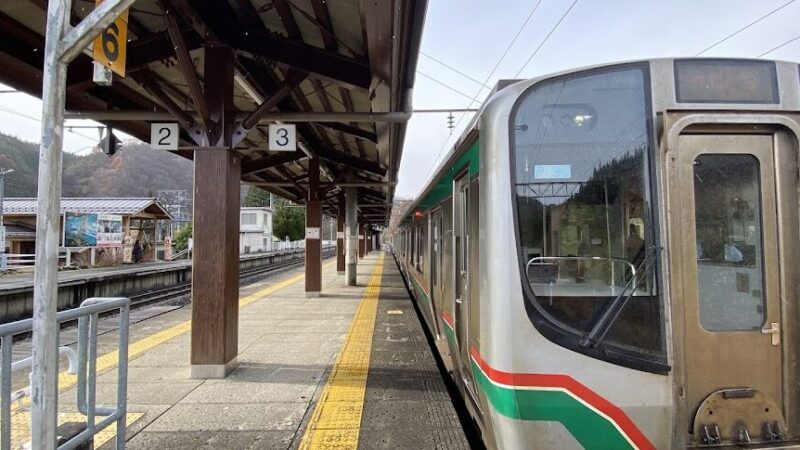
JR Riku-u East Line “Naruko Onsen Station” is the nearest station.
- From Sendai Area: JR Tohoku Shinkansen to Furukawa Station (approximately 11 minutes) → Transfer to JR Riku-u East Line to Naruko Onsen Station (approximately 40 minutes)
- From Tokyo Area: JR Tohoku Shinkansen to Furukawa Station (approximately 2 hours 10 minutes) → Transfer to JR Riku-u East Line to Naruko Onsen Station (approximately 40 minutes)
- From Yamagata Area: JR Riku-u East Line from Shinjo Station to Naruko Onsen Station (approximately 1 hour)
From Naruko Onsen Station to the hot spring town center is approximately 5-10 minutes on foot. Some accommodations offer shuttle service from the station.
Car Access
- From Tohoku Expressway Furukawa IC: Via National Route 47, approximately 40 minutes (approximately 40 km)
- From Sendai City: Via National Routes 48 and 47, approximately 1 hour 30 minutes (approximately 80 km)
- From Yamagata City: Via National Routes 13 and 47, approximately 1 hour 30 minutes
Public parking areas and accommodation parking are available throughout the hot spring town. During peak tourist seasons such as autumn foliage, early arrival is recommended due to congestion.
Express Bus Access
Express buses also operate from Sendai Station to the Naruko Onsen area (seasonal operation in some cases). Travel time is approximately 1.5 to 2 hours.
Recommended Accommodations at Naruko Onsen
Various types of accommodations are available throughout the Naruko Onsen Region.
Historic Inns
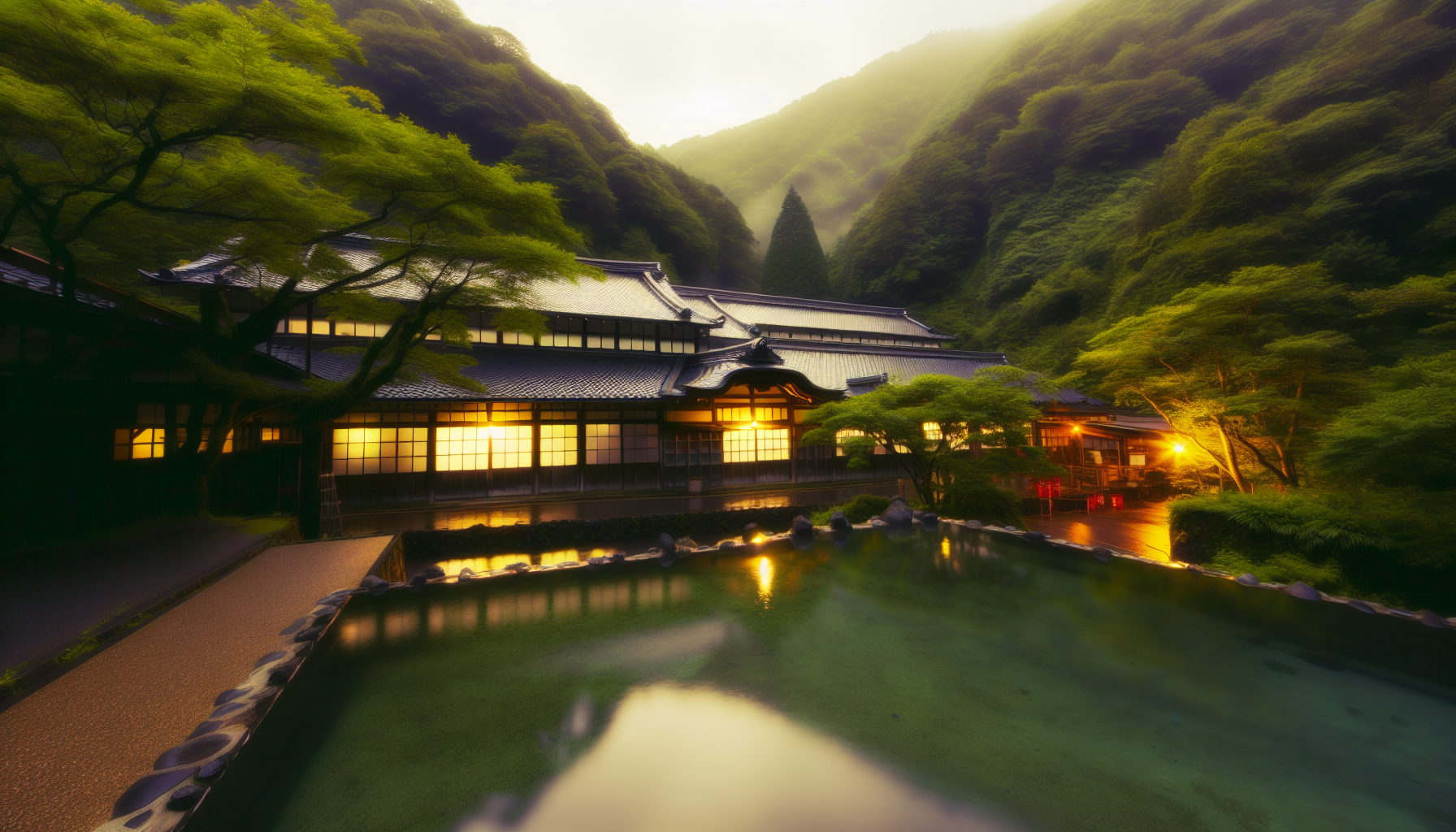
Historic inns with over 100 years of history offer traditional Japanese inn hospitality and architectural beauty. Many possess their own hot springs and allow guests to savor carefully selected hot springs.
Hot Spring Therapy Inns
Self-catering hot spring therapy inns allow long-term stays for hot spring therapy. Perfect for those wishing to experience traditional hot spring therapy culture. Reasonable pricing is also appealing.
Resort Hotels
Modern hotel-type accommodations offer comprehensive facilities and services. Large public baths, open-air baths, spas, restaurants, and other complete amenities allow for comfortable stays.
Public Bathhouses and Day-Use Hot Springs
Visitors can casually enjoy hot springs at public bathhouses and day-use facilities without staying overnight. Interaction with locals is also an attraction.
Four Seasons at Naruko Onsen and Enjoyment Methods
Naruko Onsen displays a different face with each season, each possessing distinct charm.
Spring (March to May)
New green foliage begins to sprout in the mountains with snowmelt. Cherry blossoms in the hot spring town also come into bloom, making hot spring bathing particularly special while sensing the arrival of spring.
Summer (June to August)
Surrounded by lush green mountains, visitors can enjoy the cool highland climate. Firefly viewing is possible at certain spots, becoming a summer tradition.
Autumn (September to November)
The peak season for the Naruko Onsen Region. Famous autumn foliage spots such as Naruko Gorge come into their prime, allowing simultaneous enjoyment of hot springs and foliage viewing. Mid-October to early November is peak foliage season.
Winter (December to February)
Hot spring bathing in a snow-covered landscape is deeply atmospheric, with many enjoying winter hot spring therapy. Onikoube Onsen allows combined enjoyment of skiing and hot springs.
Hot Spring Efficacy at Naruko Onsen and Hot Spring Therapy Culture
Naruko Onsen has long been known as “Tohoku’s hot spring therapy destination,” with various effects expected.
Main Efficacies
- Neuralgia and Muscle Pain: Kawatabi Onsen particularly famous
- Joint Pain and Frozen Shoulder: Effective with sulfur springs and chloride springs
- Chronic Skin Conditions: Sterilization action of sulfur springs
- Beauty Effects: “Beauty spring” bicarbonate springs
- Cold Sensitivity and Blood Circulation Promotion: Heat retention effect of chloride springs
- Fatigue Recovery: Combined effects of various spring qualities
Ways to Enjoy Hot Spring Therapy
Traditional hot spring therapy involves staying for over a week, bathing in hot springs several times daily to regulate one’s condition. In modern times, “mini hot spring therapy” of 2-3 night stays is popular.
Hot spring therapy inns allow guests to use self-catering facilities at their own pace. Enjoying cuisine made with local ingredients while slowly engaging in hot spring therapy is the true essence of hot spring therapy.
Cuisine and Specialty Products of Naruko Onsen
Gourmet offerings and specialty products unique to hot spring areas are also attractions of Naruko Onsen.
Hot Spring Buns
As a famous product of the hot spring town, various shops sell hot spring buns of their own creation. Freshly made warm buns are exquisite.
Chestnut Dumplings
Chestnut dumplings made with locally sourced chestnuts are popular for their simple sweetness. They are also appreciated as souvenirs.
Local Sake
Miyagi Prefecture is a renowned sake production region, with multiple sake breweries in the Naruko Onsen area. Enjoying local sake with hot springs is recommended.
Mountain Vegetable Cuisine
From spring through early summer, fresh local mountain vegetables are available in cuisine. Enjoy seasonal bounties such as butterbur sprouts, bracken, and ostrich fern.
Naruko Kokeshi
A signature specialty product of Naruko along with hot springs. A variety of works are available, from traditional kokeshi to contemporary designs.
Naruko Onsen Tourism Model Courses
A model course for enjoying Naruko Onsen over a 1-night 2-day stay is presented below.
Day 1
- 12:00 Arrive at JR Naruko Onsen Station
- 12:30 Walk around hot spring town, lunch
- 14:00 Visit Japan Kokeshi Museum
- 15:30 Check in to inn, hot spring bath
- 18:00 Dinner
- 20:00 Evening hot spring town walk, public bathhouse hot spring hopping
Day 2
- 07:00 Morning bath
- 08:00 Breakfast
- 10:00 After checkout, visit Naruko Gorge
- 12:00 Day-use bath at Nakayamadaira Onsen and lunch
- 14:00 Gata-numa sightseeing
- 15:30 Return trip from Naruko Onsen Station
Precautions When Visiting Naruko Onsen
Autumn Foliage Season Crowds
The autumn foliage season from mid-October through early November is extremely crowded. Early reservations at accommodations are essential, and parking areas may become full.
Winter Snow Accumulation
Snow accumulates from December through March. When traveling by car, winter tires or chains are necessary.
Caution Against Hot Spring Oversaturation
Because many hot springs have strong effects, prolonged bathing or multiple daily bathings may cause hot spring oversaturation. Be mindful of appropriate bathing time and rest periods.
Public Bathhouse Etiquette
Local people also use public bathhouses. Observe basic bathing etiquette such as not placing towels in the bathwater and not speaking loudly.
Conclusion | Experiencing Sublime Hot Springs at Naruko Onsen
Naruko Onsen in Osaki City, Miyagi Prefecture, is a premier hot spring representing Tohoku, fusing 1200 years of history, 9 diverse spring qualities, abundant hot water volume, and traditional culture. The Naruko Onsen Region, comprising Naruko Onsen, Higashi-Naruko Onsen, Kawatabi Onsen, Nakayamadaira Onsen, and Onikoube Onsen, allows efficient enjoyment of hot springs with distinct individual characteristics through hot spring hopping tickets.
Source-fed fresh hot springs, traditional crafts such as Naruko kokeshi, spectacular Naruko Gorge scenery, and warm hospitality. Naruko Onsen contains all the charm needed to fully experience Japanese hot spring culture.
Whether for day visits or overnight stays, for therapy or sightseeing, Naruko Onsen can be enjoyed in each visitor’s preferred manner. With convenient access from Sendai and Tokyo, it is ideal for weekend short trips. By all means, once visit this Naruko Onsen, one of Oshu’s Three Famous Hot Springs, and experience the diverse spring qualities and hot spring-filled atmosphere of the town.
Natural seasonal beauty, the blessings of hot springs, and culture nurtured by 1200 years of history will surely provide profound healing to all who visit.