Atsumi Hot Spring Complete Guide | Charm and How to Enjoy This Historic Hot Spring in Yamagata Prefecture
About Atsumi Hot Spring
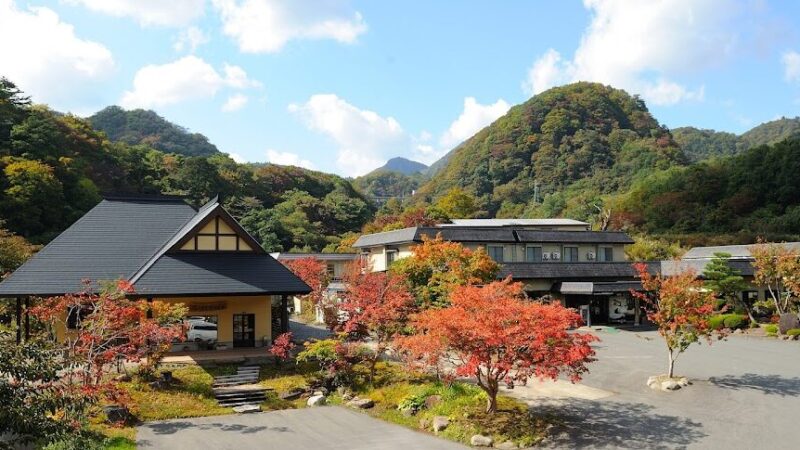
Atsumi Hot Spring (Atsumi Onsen) is a historic hot spring resort located in the Atsumi district of Tsuruoka City, Yamagata Prefecture. Along the Atsumi River, ryokans and shops line the streets, making it known as a picturesque hot spring town that conveys the nostalgic charm of traditional hot spring culture.
The hot spring is said to have opened approximately 1,300 years ago, and a legend remains that an injured crane healed its wounds in the hot spring. During the Edo period, it prospered as a hot spring resort for the Shonai clan and was cherished by literati and artists, making it a renowned hot spring with a rich history.
Spring Quality and Therapeutic Benefits of Atsumi Hot Spring
The spring quality of Atsumi Hot Spring is sodium calcium chloride/sulfate spring, colorless and transparent with a faint sulfur aroma and a gentle touch on the skin. The source spring temperature is approximately 65 to 70 degrees, boasting abundant water volume.
Main therapeutic benefits:
- Neuralgia, muscle pain
- Arthralgia, shoulder pain
- Motor paralysis, joint stiffness
- Bruises, sprains
- Chronic digestive disorders, hemorrhoids
- Poor circulation, post-illness recovery period
- Fatigue recovery, health promotion
- Cuts, burns
- Chronic skin diseases, frail children
- Chronic gynecological disorders
Because the spring contains salt, a thin film forms on the skin after bathing, providing excellent heat retention effects, which is why it is also called “hot spring.” A characteristic feature is that you don’t catch a chill easily.
History and Culture of Atsumi Hot Spring
Opening Legend and History
Atsumi Hot Spring is said to have opened approximately 1,300 years ago, around Yoro 2 (718 AD). The most famous legend is the origin of “Crane Spring,” which tells that the hot spring was discovered when an injured crane was found healing its wounds by the riverbank.
It was already known as a hot spring during the Heian period, and during the Kamakura period, it was used as a hot spring resort by mountain ascetics. During the Edo period, it received protection from the Shonai clan and developed as a hot spring resort for the daimyo and samurai.
A Hot Spring Beloved by Literati and Artists
Atsumi Hot Spring has long been loved by many literati and artists. Akiko Yosano visited this place in 1925 (Taisho 14) and left a poem titled “Atsumi Hot Spring.” In addition, renowned authors representing the Showa period, such as Toshiyuki Yokomitsu, Motojiro Kajii, and Yasushiro Takeda, also visited this hot spring, and it was depicted as the setting for their works.
Literary monuments and stone tablets are scattered throughout the hot spring town, allowing you to enjoy a literary walking tour.
Attractions in Atsumi Hot Spring Town
Morning Market (Asaichi)
The signature attraction of Atsumi Hot Spring is the “morning market.” Every morning from April to November, local farm women sell fresh vegetables, wild vegetables, homemade pickles, and more along the hot spring town’s street.
Details of the morning market:
- Operating period: April~November (closed in winter)
- Operating hours: Around 5:30 AM to 7:30 AM
- Location: Hot spring town street
- Features: Locally produced fresh vegetables, wild vegetables, pickles, folk crafts, etc.
Interaction with local people is also enjoyable, and it’s a popular spot where you can feel the hot spring atmosphere. Waking up early and taking a stroll is recommended.
Atsumi River and Foot Bath
Along the Atsumi River flowing through the center of the hot spring town are free foot bath spots. You can casually enjoy the hot spring between strolls while listening to the murmuring of the river.
The foot bath is available 24 hours, and bringing your own towel is the basic expectation. At night, you can also soak in the foot bath while gazing at the illuminated hot spring town, enjoying a romantic atmosphere.
Hot Spring Shrine
Located on a hilltop in the hot spring town, the Hot Spring Shrine is revered by local people as the protective deity of the hot spring. From the shrine grounds, you can overlook the entire hot spring town, and the scenery at dusk is spectacular.
While climbing stone steps is necessary, you can visit in a quiet atmosphere, making it an ideal spot to pray for safety and health during your hot spring trip.
Rose Garden and Flower Locations
Atsumi Hot Spring has a rose garden where colorful roses bloom in early summer. Along the walking path in the hot spring town, seasonal flowers are planted, allowing you to enjoy nature throughout the year.
Particularly during June’s rose season and autumn’s foliage season, many tourists visit.
Recommended Ryokans and Hotels
Luxury Ryokans
Tachibanaya
A historic luxury ryokan representing Atsumi Hot Spring. Its founding dates back to the Edo period, and it offers an elegant space that blends traditional Japanese architecture with modern comfort. The kaiseki cuisine featuring abundant seafood and mountain produce from Shonai is exquisite, and the winter cold cod soup is particularly famous.
Mankokuya
Another representative luxury ryokan is Mankokuya. It boasts spacious public baths, outdoor baths, and abundant hot spring water with source spring flowing baths. Guest rooms are mainly Japanese-style, with options including rooms with private outdoor baths.
Mid-Range Ryokans
Atsumi Hot Spring also has many family-run mid-range ryokans with warmth. You can enjoy hot springs and cuisine at reasonable prices, with a homey atmosphere being its charm.
- Tachibanaya
- Yusuitekii Isagoya
- Atsumiiso
Each has its own characteristics, and many are popular with repeat visitors.
Day-Trip Bathing Facilities
Shared Public Bath
There is a shared public bath in the hot spring town that locals also use, and tourists can use it as well. The fee is approximately 200-300 yen, very reasonable, allowing you to experience local hot spring culture.
- Shomen no Yu
- Shita no Yu
There are multiple shared public baths.
Access to Atsumi Hot Spring
Access by Train
By JR:
- From Tokyo:
- Tokyo Station→(Joetsu Shinkansen)→Niigata Station→(Limited Express Inaho)→Atsumi Hot Spring Station (approximately 4 hours 30 minutes)
- Tokyo Station→(Yamagata Shinkansen)→Shinjo Station→(Riku-u West Line)→Amori Station→(Uetsu Main Line)→Atsumi Hot Spring Station (approximately 5 hours)
- From Sendai:
- Sendai Station→(Senzan Line)→Yamagata Station→(Ou Main Line)→Shinjo Station→(Riku-u West Line)→Amori Station→(Uetsu Main Line)→Atsumi Hot Spring Station (approximately 4 hours)
- From Yamagata City:
- Yamagata Station→(Ou Main Line)→Shinjo Station→(Riku-u West Line)→Amori Station→(Uetsu Main Line)→Atsumi Hot Spring Station (approximately 3 hours)
From Atsumi Hot Spring Station to the hot spring town is about 5 minutes by car via bus or taxi. Many ryokans provide shuttle services, so please confirm in advance.
Access by Car
Travel time from major cities:
- From Tokyo: Tohoku Expressway→Yamagata Expressway→Nihonkai-Tohoku Expressway→Atsumi Hot Spring IC (approximately 5 hours 30 minutes)
- From Sendai: Tohoku Expressway→Yamagata Expressway→Nihonkai-Tohoku Expressway→Atsumi Hot Spring IC (approximately 3 hours)
- From Niigata: Nihonkai-Tohoku Expressway→Atsumi Hot Spring IC (approximately 1 hour 30 minutes)
- From Yamagata City: National Route 112→National Route 7 via (approximately 1 hour 30 minutes)
From Atsumi Hot Spring IC to the hot spring town is about 5 minutes. Parking facilities are provided at each ryokan.
Access by Highway Bus
Highway buses also serve the Shonai region. You can take a highway bus to Tsuruoka Station or Sakata Station, then head to Atsumi Hot Spring Station by local line.
Nearby Tourist Attractions
Tsuruoka City Tourist Destinations
Kamo Aquarium (Jellyfish Dream Hall)
Located about 30 minutes by car from Atsumi Hot Spring, Kamo Aquarium is famous as an aquarium boasting the world’s largest number of jellyfish displays. It displays over 50 species of jellyfish, and in particular the “Jellyfish Dream Theater” tank with a 5-meter diameter is impressive.
Haguro-san
One of the Dewa Three Mountains, Haguro-san is a sacred site of mountain asceticism with high spirituality. It is packed with attractions including a National Treasure five-story pagoda, 2,446 stone steps, and a cedar avenue with centuries-old trees. It’s about 1 hour by car from Atsumi Hot Spring.
Zenpō-ji
An ancient Soto Zen temple enshrining the Dragon God, known for maritime safety and prayer for good catch. The vast temple grounds contain a five-story pagoda and Dragon King Hall, and you can visit in a quiet atmosphere.
Attractions in the Atsumi District
Nenzu Gate Site
Nenzu Gate was a checkpoint once established at the border between Echigo and Dewa provinces. It is historically important, and a walking path is maintained in the surrounding area.
Yakihata Atsumi Turnip
“Yakihata Atsumi Turnip” is famous as a specialty of Atsumi Hot Spring. This red turnip is cultivated using traditional slash-and-burn farming methods and is popular as a pickle. You can purchase it at the morning market and souvenir shops in the hot spring town.
Nezumi-ga-seki
About 15 minutes by car from Atsumi Hot Spring, Nezumi-ga-seki is a port town facing the Sea of Japan. Restaurants featuring fresh seafood are lined up, and raw oysters (summer season) are particularly exquisite.
Shonai Food Culture Experience
Shonai Rice
The Shonai Plain is one of Japan’s leading rice-producing regions, producing brand rice such as “Tsuyahime” and “Yukyakumaru.” You can taste delicious Shonai rice in the meals at ryokans.
Japanese Sake
The Shonai region has many sake breweries where high-quality sake is produced. Many ryokans in Atsumi Hot Spring allow you to enjoy local sake.
Seasonal Ways to Enjoy Atsumi Hot Spring
Spring (March~May)
Spring in Atsumi Hot Spring is a season when activity returns to the hot spring town with the snowmelt. The morning market begins in April, with abundant wild vegetables on display. Cherry blossoms typically bloom around mid-April, and you can enjoy cherry blossoms around the hot spring town.
Spring highlights:
- Morning market wild vegetables (ostrich fern, butterbur shoots, aralia shoots, etc.)
- Cherry blossom viewing
- Spring wild vegetable cuisine
Summer (June~August)
Summer is a season to enjoy lush nature. In June, the rose garden comes into full bloom, and the hot spring town becomes vibrant. You can also enjoy summer delicacies from the Sea of Japan, such as raw oysters.
Summer highlights:
- Rose garden
- Raw oysters
- River play
- Summer festivals
Autumn (September~November)
Autumn at Atsumi Hot Spring is a season of beautiful fall foliage. The Atsumi River riverside and surrounding mountains turn colors, deepening the hot spring atmosphere further. Autumn delicacies are also abundant, with mushrooms, chestnuts, new rice, and more culinary pleasures.
Autumn highlights:
- Autumn foliage viewing (late October~early November)
- Autumn delicacies (mushrooms, chestnuts, new rice)
- Taro soup gathering
Winter (December~February)
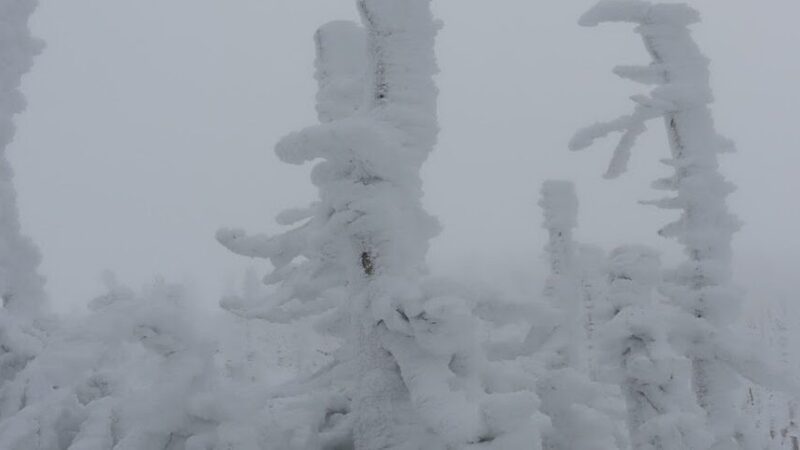
Winter at Atsumi Hot Spring is a season of beautiful snowy scenery, and the warmth of the hot spring is felt even more deeply. Cold cod soup and snow crab decorate the ryokan meals with winter flavors from the Sea of Japan.
Winter highlights:
- Snow-viewing hot spring bathing
- Cold cod soup
- Snow crab
- Local sake heated
Ways to Spend Time at Atsumi Hot Spring
1 Night, 2 Days Model Itinerary
Day 1:
- 12:00 Arrival at Atsumi Hot Spring
- 12:30 Ryokan check-in, lunch
- 14:00 Hot spring town exploration (foot bath, hot spring shrine, etc.)
- 16:00 Hot spring bathing at ryokan
- 18:00 Dinner (kaiseki cuisine)
- 20:00 Evening stroll through hot spring town
- 21:00 Hot spring bath before bed
Day 2:
- 6:00 Morning market viewing (April~November)
- 7:30 Breakfast
- 9:00 Hot spring bathing
- 10:00 Checkout
- 10:30 Nearby sightseeing (Kamo Aquarium, Nezumi-ga-seki, etc.)
- 15:00 Return trip
2 Nights, 3 Days Model Itinerary
If staying two nights, you can incorporate sightseeing of the Dewa Three Mountains and attractions within Tsuruoka City. A visit to Haguro-san, viewing of Zenpō-ji, driving through the Shonai Plain, etc., allow for a more fulfilling itinerary.
Souvenir Information
Recommended Souvenirs
Yakihata Atsumi Turnip Pickles
A specialty product of Atsumi Hot Spring, these red turnip pickles are cultivated using traditional slash-and-burn farming methods. Characterized by a spicy bite and distinctive flavor, they pair perfectly with rice.
Shonai Rice
Shonai-produced brand rice such as “Tsuyahime” and “Yukyakumaru” are popular as souvenirs. You can purchase them at souvenir shops and roadside stations in the hot spring town.
Local Sake
Japanese sake from the Shonai region is of high quality and makes an excellent souvenir. Famous sake from local breweries such as “Hatsuko,” “Kamigen,” and “Tohoku Izumi” are available.
Folk Crafts
Traditional crafts and folk art from the Atsumi region are also popular. Bamboo crafts, woodwork, hand towels, and other handmade items with warmth can be found.
Seafood Products
Processed seafood products caught at nearby Nezumi-ga-seki are also recommended. Dried fish, salted fish roe, seaweed, and more allow you to bring home gifts of the Sea of Japan.
Hot Spring Bathing Etiquette
Basic Hot Spring Bathing Etiquette
- Rinse with water first: Always rinse your body with water before entering the bath.
- Don’t put towels in the bath: Keep towels and washcloths out of the bath.
- Tie up long hair: Tie long hair up so it doesn’t enter the water.
- Maintain quiet: Avoid loud talking or making noise.
- Don’t swim: Don’t swim or dive in the bath.
Effective Ways to Bathe in Hot Springs
Since Atsumi Hot Spring has a high-temperature source spring, the following bathing methods are recommended:
- Start with short duration: Begin with about 5 minutes of bathing initially.
- Take breaks: Repeating bathing and resting (“split bathing”) is effective.
- Hydrate: Drink plenty of water before and after bathing.
- Lightly rinse after bathing: Since the spring contains salt, lightly rinsing after bathing helps retain the heat retention effect.
Frequently Asked Questions
Q: When is the peak season for Atsumi Hot Spring?
A: Golden Week, Obon, the fall foliage season (late October~early November), and the year-end/New Year period are busy. Weekdays and winter (January~February) are relatively quieter.
Q: Can you enjoy day-trip bathing?
A: Yes, many ryokans offer day-trip bathing. Fees are approximately 500-1,000 yen. Also, shared public baths are available for 200-300 yen.
Q: Can families with children enjoy it?
A: Yes, Atsumi Hot Spring is popular with families. There are spots that children can enjoy, such as exploring the hot spring town, soaking in foot baths, and viewing the morning market. However, since shared public baths are small, choosing a ryokan with a private family bath is recommended.
Q: How much snow accumulates in winter?
A: Since Atsumi Hot Spring is located on the Sea of Japan side, there is snowfall during winter. From December to March there is considerable snow, particularly from January to February when the landscape becomes truly snowy. If visiting by car, studless tires are essential.
Q: Are there ryokans with English support?
A: Some large ryokans may have English-speaking staff, but most ryokans primarily offer Japanese language only. It is recommended to confirm this at the time of booking.
Summary
Atsumi Hot Spring is a historic and atmospheric hot spring resort located in the Shonai region of Yamagata Prefecture. With 1,300 years of history as a renowned hot spring, the charm of the hot spring town including the morning market, abundant nature, and delicious Shonai cuisine, it has diverse attractions.
Located near the Sea of Japan, you can enjoy an even more fulfilling trip by combining sightseeing with the Dewa Three Mountains and attractions within Tsuruoka City. Spring wild vegetables, summer raw oysters, autumn foliage, and winter cold cod soup offer seasonal pleasures.
While access from Tokyo or Sendai requires some time, you can thereby savor a quiet and serene hot spring atmosphere. For those seeking to escape the hustle and bustle of daily life and spend leisurely time, it is an ideal hot spring resort.
Please consider Atsumi Hot Spring as a candidate for your next hot spring trip. A wonderful hot spring experience awaits where you can refresh both body and mind.