Hakubone Hot Spring Complete Guide | Charm, History, Access, and Recommended Accommodations in Matsumoto City, Nagano Prefecture
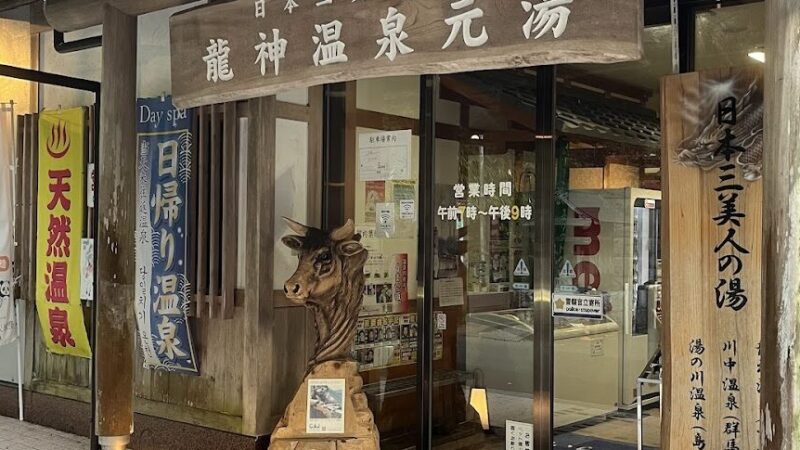
Hakubone Hot Spring, located in Azumi, Matsumoto City, Nagano Prefecture, is a hidden gem hot spring resort nestled in the mountains at an altitude of approximately 1,400 meters on the eastern slope of Norikura Peak, a famous mountain in the Northern Alps. Known as a sacred spring with the saying “If you soak for three days, you won’t catch a cold for three years,” it has healed countless visitors as a therapeutic bathing destination since the Kamakura period.
This article provides a comprehensive introduction to the charm of Hakubone Hot Spring, including its history and water quality, recommended accommodations, day-trip bathing spots, surrounding tourist information, and access methods.
History and Origin of Hakubone Hot Spring
A Tradition of Therapeutic Bathing Continuing Since the Kamakura Period
The history of Hakubone Hot Spring is ancient, with legends tracing its emergence to the Kamakura period. Over centuries, it quietly welcomed therapeutic bathing guests as a hidden gem in the mountains. Originally called “Hakusen Hot Spring,” the current name “Hakubone Hot Spring” originated when it appeared in Nakazato Kaisan’s novel “Daibosatsu Toge” (The Sword of Daibosatsu) during the Taisho period.
A Hot Spring Loved by Literati and Artists
Hakubone Hot Spring has long been cherished by many literary figures and artists. Starting with the Yumoto Saito Inn, where Nakazato Kaisan stayed while writing “Daibosatsu Toge,” many cultural figures visited this location and made it a base for their creative work. The serene environment, removed from the hustle and bustle of the mundane world, likely stimulated their creative drive.
Designation as a National Health Promotion Hot Spring
Hakubone Hot Spring is located within the Chubu Sangaku National Park area and is designated as a National Health Promotion Hot Spring. This designation is given to hot springs that meet the conditions of suitable water quality, environment, and therapeutic qualities, and it serves as public recognition of Hakubone Hot Spring’s value.
Water Quality and Health Benefits of Hakubone Hot Spring
Distinctive Milky-White Waters
The greatest characteristic of Hakubone Hot Spring is its beautiful milky-white waters. This unique color is a natural phenomenon caused by hot spring minerals coming into contact with air, and the shade varies day by day depending on weather and the number of guests. The process of transparent water gradually turning cloudy as it comes into contact with air is a charm unique to Hakubone Hot Spring.
Water Quality and Hot Spring Composition
The water quality of Hakubone Hot Spring is primarily sulfur-containing calcium-magnesium-bicarbonate spring water. It is characterized by a gentle sulfur aroma, with a source temperature of approximately 40-50 degrees Celsius. Most accommodations have their own private springs and offer 100% source water circulation.
The hot spring composition has the following characteristics:
- Sulfur components: Have sterilizing properties and are effective for skin diseases
- Bicarbonate: High beautifying effects, also known as “beauty water”
- Calcium and magnesium: Effective in relieving neuralgia, muscle pain, and joint pain
Health Benefits and Therapeutic Effects
The saying “If you soak for three days, you won’t catch a cold for three years” speaks to the high efficacy of Hakubone Hot Spring. Main benefits include:
- Neuralgia, muscle pain, joint pain
- Fatigue recovery, health improvement
- Chronic skin diseases, cuts, burns
- Chronic gastrointestinal diseases, hemorrhoids
- Cold sensitivity, arteriosclerosis
Some facilities also offer drinking spring water, which is said to be effective in improving gastroenterological diseases and constipation.
Recommended Accommodations at Hakubone Hot Spring
Awa no Yu Ryokan
One of the representative inns at Hakubone Hot Spring is Awa no Yu Ryokan. Its greatest feature is a mixed-gender large outdoor bath boasting the highest water volume in Nagano Prefecture. You can fully enjoy the hot spring while surrounded by the nature of the Northern Alps in an open-air setting. For those uncomfortable with co-bathing, women-only time slots are also provided for peace of mind.
The wooden building with a charming atmosphere and abundant source water circulation are appealing features, making it recommended even for first-time visitors to Hakubone Hot Spring.
Yumoto Saito Inn
A historic inn known for being where Nakazato Kaisan stayed while writing “Daibosatsu Toge.” It has four private springs and provides 100% source water circulation of high-quality water suitable for drinking. While maintaining the traditional atmosphere of a therapeutic bathing inn, it is equipped with facilities for comfortable stays, offering an accommodation experience that blends history with modern comfort.
Konashi no Yu Sasaya
Sasaya, situated in a quiet environment surrounded by white birch forest, is one of the few inns at Hakubone Hot Spring with a private outdoor bath. You can fully enjoy source water circulation hot spring with gentle sulfur aroma in a private setting.
With both men’s and women’s private baths, it is especially recommended for family and couple stays.
Oyado Tsuruya
This inn prides itself on naturally occurring hot spring water that circulates 100% from its own private spring. The milky-white waters show different appearances each visit, changing in appearance depending on the day’s weather and number of guests.
A welcoming atmosphere and cuisine utilizing local ingredients are also highly regarded.
Hakusen Grand Hotel
A relatively large accommodation facility in the Hakubone Hot Spring area. While equipped to accommodate group guests, it allows you to enjoy the milky-white waters characteristic of Hakubone Hot Spring. Its spacious public bath and comprehensive in-house facilities are attractive features.
Day-Trip Bathing Spots
Hakubone Hot Spring Public Open-Air Bath
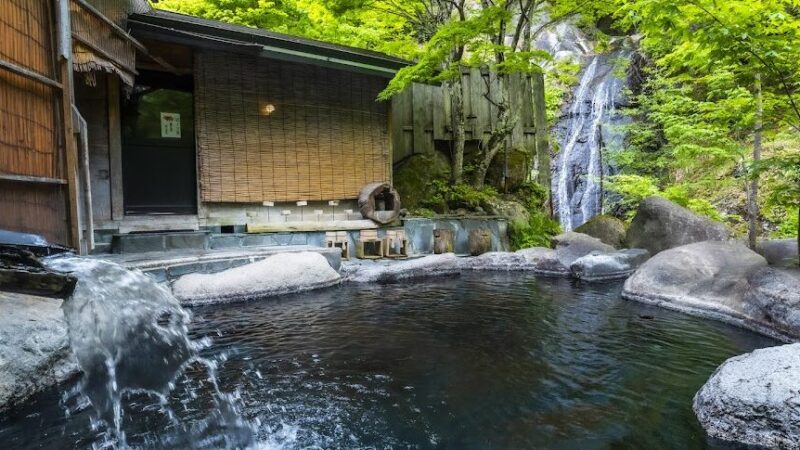
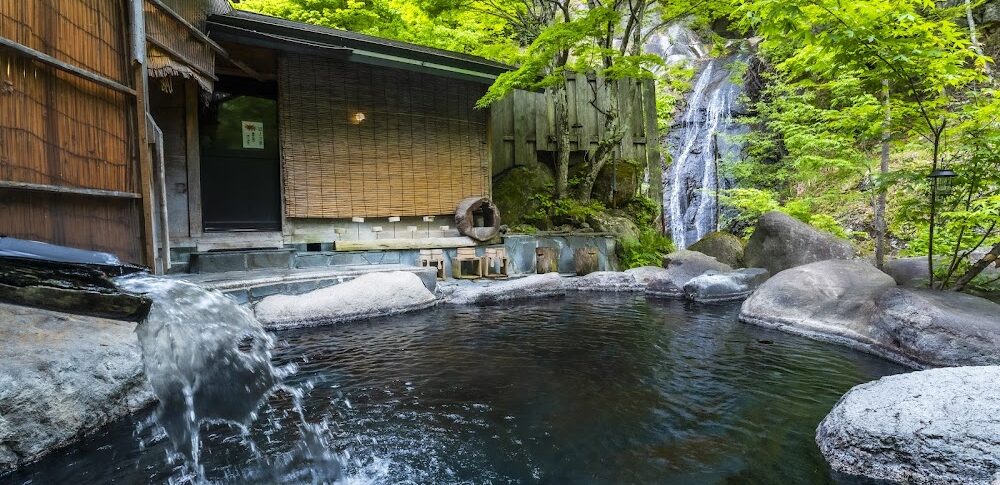
A representative day-trip bathing facility at Hakubone Hot Spring. An open-air bath surrounded by nature where you can fully enjoy milky-white source water circulation. The reasonable rates make it ideal for those wanting to experience Hakubone Hot Spring casually.
Operating hours and fees may vary by season, so it’s recommended to confirm in advance.
Baikoan
A day-trip bathing facility with a calm atmosphere. Equipped with both an indoor bath and outdoor bath, allowing for leisurely relaxation. It also has an on-site dining area, making it possible to enjoy both hot spring bathing and meals.
Inn Drop-In Bathing
Many inns such as Awa no Yu Ryokan and Konashi no Yu Sasaya accept day-trip bathing. While guest priority may limit time slots, it’s a valuable opportunity to casually experience each inn’s characteristic hot springs.
It’s recommended to call ahead to confirm operating status and reception times before visiting.
Tourist Spots Around Hakubone Hot Spring
Norikura Peak
A famous mountain in the Northern Alps accessible by car from Hakubone Hot Spring. With Kengamine Peak as its main summit at 3,026 meters elevation, buses can reach approximately 2,700 meters during summer. A treasure trove of alpine plants, it offers opportunities for mountaineering and hiking.
Kamikochi
Kamikochi, a representative mountain resort in Japan, is also located relatively close to Hakubone Hot Spring. With the clear stream of Azusa River, Kappa Bridge, and Myojin Pond, you can fully enjoy grand natural scenery. A tourism plan combining Hakubone Hot Spring is also recommended.
Yugawa Valley Stroll
Hakubone Hot Spring is positioned in Yugawa Valley, and walking paths are maintained around the hot spring town. You can enjoy nature changing through the seasons while listening to the babbling of clear streams. The scenery is especially exquisite during the fresh green season and autumn foliage periods.
Matsumoto City Tourism
Matsumoto City, the gateway to Hakubone Hot Spring, has abundant attractions including the National Treasure Matsumoto Castle, the Former Kaitoku School Building, and Nakamachi Street. It’s also recommended to incorporate Matsumoto sightseeing before or after your hot spring trip.
Access Methods to Hakubone Hot Spring
Access by Car
From Tokyo:
- Approximately 60 minutes from “Matsumoto IC” on the Chuo Expressway
- Via National Route 158, turning onto Hakubone Hot Spring Line (Route 300) from Yugawa Ferry
From Nagoya/Osaka:
- Approximately 60 minutes from “Matsumoto IC” via the Nagano and Chuo expressways
- Or approximately 60 minutes from “Takayama IC” on the Tokai-Hokuriku Expressway
During winter, snow and ice are possible, making studless tires or chains essential.
Access by Public Transportation
Train and Bus:
- From JR Matsumoto Station via the Matsumoto Electric Railway Kamikochi Line to “Shinshimajima Station” (approximately 30 minutes)
- From Shinshimajima Station via Alpico Kaidocho Bus to “Hakubone Hot Spring” (approximately 60 minutes)
Direct Bus:
- Direct buses from Matsumoto Station to Hakubone Hot Spring are also operated (seasonal service)
Bus operating hours and frequency vary by season, so it’s recommended to confirm the schedule in advance.
Shuttle Service
Many accommodations provide shuttle service from Shinshimajima Station and Matsumoto Station. Confirming and utilizing this service when booking can smooth out your transportation.
Tips for Enjoying Hakubone Hot Spring
Best Seasons to Visit
Hakubone Hot Spring has charm throughout all four seasons:
Spring (May–June): Fresh greenery is beautiful, with striking contrast between residual snow on the Northern Alps
Summer (July–August): Ideal as a summer retreat; a good base for mountaineering and hiking
Autumn (September–October): Beautiful autumn foliage, the most popular season
Winter (November–March): Snow-viewing hot springs are enjoyable, with a charming quiet atmosphere
Recommended Length of Stay
Day-trip bathing is enjoyable enough, but to experience the true charm of Hakubone Hot Spring, a stay of two days or longer is recommended. To experience the therapeutic effects, a stay of three days or longer is ideal.
Clothing and Items to Bring
At an altitude of 1,400 meters, temperatures are lower than at sea level. Even in summer, it can be cool in the mornings and evenings, so bring a jacket. If you plan to enjoy walks, comfortable walking shoes are also necessary.
How to Bathe
Since Hakubone Hot Spring contains sulfur components, metal accessories may discolor. Remove them before bathing. While the milky-white waters are gentle on the skin, be cautious about prolonged soaking. Aim for moderate bathing duration and don’t forget to stay hydrated.
Dining and Souvenirs at Hakubone Hot Spring
Cuisine Utilizing Local Ingredients
The accommodations at Hakubone Hot Spring offer cuisine utilizing Shinshu ingredients. You can enjoy the local flavors of mountain vegetables, freshwater fish, Shinshu beef, soba, and pickled tsukemono.
Dining Establishments
Dining spots in the hot spring town can be used in combination with day-trip bathing. They are valuable places to casually enjoy local flavors.
Recommended Souvenirs
Popular souvenirs from Hakubone Hot Spring and the Matsumoto area include:
- Hot spring steamed buns
- Shinshu soba
- Nozawana pickles
- Apple-based processed products
- Local sake
You can purchase these at shops in the hot spring town or in Matsumoto City on your way back.
Making the Most of Hakubone Hot Spring’s Charm
Hakubone Hot Spring is a historic hot spring resort continuing since the Kamakura period, nestled in the mountains of Azumi, Matsumoto City, Nagano Prefecture. At the foot of Norikura Peak in the Northern Alps, at an elevation of 1,400 meters, this location brings a tranquil, otherworldly atmosphere far removed from the chaos of everyday life.
The milky-white source water circulation bath, the high efficacy said to prevent colds for three years if soaked for three days, the history beloved by literati and artists, natural beauty changing through the seasons, and warm hospitality—all of these combine in harmony to form the unique charm of Hakubone Hot Spring.
A diverse collection of accommodations awaits, each with its own character, including Awa no Yu Ryokan, Yumoto Saito Inn, Konashi no Yu Sasaya, and Oyado Tsuruya, with well-established day-trip bathing facilities such as Hakubone Hot Spring Public Open-Air Bath and Baikoan.
Hakubone Hot Spring, accessible by car in about 60 minutes from Matsumoto IC or Takayama IC, or by bus from Matsumoto Station, is an ideal place to escape urban hustle and bustle and refresh body and mind. Tourism plans combining nearby Norikura Peak and Kamikochi are also popular.
Seeking a moment to return to your true self, by all means visit Hakubone Hot Spring. The sound of clear streams, swaying trees, nostalgic rural mountain scenery, and healing hot waters will quietly welcome you.
Frequently Asked Questions (FAQ)
Q1: What is the water quality of Hakubone Hot Spring like?
A1: The water quality of Hakubone Hot Spring is primarily sulfur-containing calcium-magnesium-bicarbonate spring water. It features distinctive milky-white waters with a gentle sulfur aroma. It has benefits for neuralgia, muscle pain, skin diseases, and fatigue recovery, with the long-standing saying “If you soak for three days, you won’t catch a cold for three years.”
Q2: Please tell me the access methods to Hakubone Hot Spring.
A2: By car, it’s about 60 minutes from Matsumoto IC or Takayama IC. By public transportation, take the Matsumoto Electric Railway from JR Matsumoto Station to Shinshimajima Station, then take a bus for about 60 minutes. Many accommodations also offer shuttle service. In winter, roads become snowy, so studless tires or chains are necessary.
Q3: Is day-trip bathing possible?
A3: Yes, it is. There are day-trip bathing facilities such as Hakubone Hot Spring Public Open-Air Bath and Baikoan. Also, many inns including Awa no Yu Ryokan and Konashi no Yu Sasaya accept day-trip bathing. However, time slots may be limited, so it’s recommended to confirm in advance.
Q4: What is the recommended season to visit Hakubone Hot Spring?
A4: Hakubone Hot Spring has charm throughout all four seasons. Spring’s fresh greenery, summer’s comfort as a summer retreat, autumn’s beautiful foliage, and winter’s snow-viewing hot springs each have their own appeal. Particularly popular is the autumn foliage season from September to October.
Q5: What are the tourist attractions around Hakubone Hot Spring?
A5: There are Norikura Peak, a famous mountain in the Northern Alps, Kamikochi, a representative mountain resort in Japan, and walking paths in Yugawa Valley. Additionally, Matsumoto City has many historic tourist spots including National Treasure Matsumoto Castle and the Former Kaitoku School Building. A tourism plan combining the hot spring is recommended.
Q6: Please tell me about the history of Hakubone Hot Spring.
A6: Hakubone Hot Spring is a hot spring with centuries of history, said to have emerged during the Kamakura period. Originally called “Hakusen Hot Spring,” the current name “Hakubone Hot Spring” originated when it appeared in Nakazato Kaisan’s novel “Daibosatsu Toge” during the Taisho period. Long cherished by literati and artists, it is also designated as a National Health Promotion Hot Spring.