Nozawa Onsen, Nagano Prefecture Complete Guide | History, Access, Charm of Hot Spring Town and How to Enjoy
Nozawa Onsen, located in northern Nagano Prefecture, is one of Japan’s premier hot spring destinations with a history spanning over 1,300 years since the Nara Period. It is also internationally known as a ski resort, and a unique culture blending hot springs and winter sports thrives here. This article provides a comprehensive introduction to the charm of Nozawa Onsen, covering its history, hot springs, tourist spots, and access methods.
History and Origins of Nozawa Onsen
1,300 Years of Hot Spring Culture
The discovery of Nozawa Onsen dates back to 724 AD (Jinki 1) in the Nara Period. A legend tells of its discovery by the monk Gyoki, and it was known as a therapeutic bathing place during the era of Emperor Shomu. During the Edo Period, it received patronage from the Iiyama Domain and developed as a proper hot spring destination.
Formation of Sotoyou Culture
The most distinctive feature of Nozawa Onsen is its “sotoyou” (outdoor bath) culture. Thirteen public bathhouses managed cooperatively by villagers remain free to use today, which is rare nationwide. Each outdoor bath is cleaned and maintained by local resident organizations called “yu-nakama,” preserving a tradition spanning over 600 years.
Development as a Ski Resort
Development as a ski area began in the 1930s, and during the 1998 Nagano Olympics, it served as a biathlon venue. Currently, as “Nozawa Onsen Ski Resort,” it has become a world-class resort attracting over one million skiers annually from Japan and abroad.
Hot Spring Quality and Benefits of Nozawa Onsen
Characteristics of Hot Springs
Nozawa Onsen boasts over 30 hot springs with a copious supply of approximately 6,000 liters per minute. The spring types are primarily three:
- Sulfur-containing sodium-calcium-sulfate-chloride hot spring: The most common type with excellent skin-beautifying effects
- Simple sulfur spring: Characterized by sulfur aroma, effective for skin diseases
- Simple hot spring: Mild irritation, gentle on the body
Source temperatures range from 60 to 90 degrees Celsius. The “Ogama” (hemp pot) spring in particular is known for its high temperature of approximately 90 degrees.
Benefits of the Hot Springs
Nozawa Onsen waters are said to be effective for:
- Neuralgia, muscle pain, joint pain
- Frozen shoulder, motor paralysis, joint stiffness
- Bruises, sprains, chronic digestive disorders
- Hemorrhoids, poor circulation, post-illness recovery
- Fatigue recovery, health enhancement
- Chronic skin diseases, chronic gynecological disorders
- Cuts, burns, arteriosclerosis
Due to its abundant sulfur content, it is particularly renowned for skin-beautifying effects and is known as a “bath for beautiful skin.”
Complete Guide to 13 Outdoor Baths
Nozawa Onsen village has 13 outdoor baths, all free to use (donations are welcome). Each has an individual atmosphere and benefits.
1. Ooyu
An iconic symbol of Nozawa Onsen, centrally located in the hot spring town. Features a beautiful exterior recreating Edo Period bathhouse architecture. With two bathing pools, it is recommended for those who prefer hot water.
2. Kawaharaya
Located near Ooyu, this is relatively lukewarm and easy to enter. Beloved as a social gathering place for locals.
3. Kuma no Teahiraiya
According to legend, it is named after a bear that healed its wounds here. Although intimate, it has considerable charm.
4. Matsuban no Yu
Located on a high point of the hot spring town, it offers a quiet environment for enjoying the hot spring. A hidden gem used mainly by locals.
5. Kamitera Yu
Named for its location near a temple. With higher temperatures, it is popular with serious hot spring enthusiasts.
6. Taki no Yu
One of the oldest outdoor baths in Nozawa Onsen, located near a waterfall. Said to be particularly effective for neuralgia and muscle pain.
7. Ogama no Yu
Located near the high-temperature Ogama spring source, it features exceptionally hot water. Short bathing is the basic approach.
8. Shinden no Yu
A relatively new outdoor bath with a sense of cleanliness, popular with tourists. Offers comfortable temperatures for longer soaking.
9. Shinyu
True to its name meaning “real hot water,” it is considered the origin point of Nozawa Onsen.
10. Yokoochi no Yu
Positioned at the edge of the hot spring town, its quiet environment is its appeal. Used daily by locals.
11. Nakao no Yu
Close to the ski area, it attracts many ski guests. Particularly busy during winter.
12. Akiba no Yu
Located near Akiba Shrine, it is cherished locally alongside the shrine, which enshrines a fire-prevention deity.
13. Juuoudou no Yu
Built where a Juuoudou hall once stood, it has historical significance.
Manners and Tips for Outdoor Bath Tours
- Bathing hours: Approximately 5:00 AM to 11:00 PM (varies by bath)
- Admission fee: Free (donations welcomed)
- What to bring: Towel, soap, shampoo (some baths lack supplies)
- Etiquette: Remember these are part of local life and use quietly
- Temperature: Many baths are extremely hot; acclimate gradually with rinse water
- Crowds: Avoid morning and evening when locals bathe for comfort
Ogama and Hot Spring Culture Experience
What is Ogama
Ogama is an iconic spring of Nozawa Onsen, a natural hot spring pot emitting about 90-degree hot water. Since the Edo Period, it has been used by villagers to boil vegetables and make hot spring eggs.
Experience at Ogama
Tourists can also experience making hot spring eggs and cooking vegetables at Ogama. Purchase eggs or vegetables at nearby shops, place them in a net, and immerse them in the hot water. Beautiful hot spring eggs develop in about 10-15 minutes.
Birthplace of Nozawa Greens
Nozawa Onsen is also known as the birthplace of “nozawa-na” (nozawa greens). Around Ogama in autumn, nozawa green washing scenes appear, becoming a seasonal landmark. Washing with Ogama hot spring water is said to make nozawa greens soft and delicious.
Charm of Nozawa Onsen Ski Resort
Scale and Characteristics of the Ski Resort
Nozawa Onsen Ski Resort boasts one of Japan’s largest scales: 1,085m elevation change, 10km longest run, and 297 hectares total area. With 36 courses for everyone from beginners to advanced skiers, “Yamabiko Gelandle” and “Paradise Gelandle” are particularly popular with beginners.
Appeal of Powder Snow
Located in a heavy snow region, quality powder snow can be enjoyed throughout the season. Highly regarded by foreign skiers as “NOZAWA,” it attracts many visitors from Australia and Europe.
After-Ski Enjoyment
A unique Nozawa Onsen experience is warming up in outdoor baths after skiing. The luxury of soothing tired bodies with hot springs after descending is an appeal found nowhere else.
Tourist Spots of Nozawa Onsen
Hot Spring Town Stroll
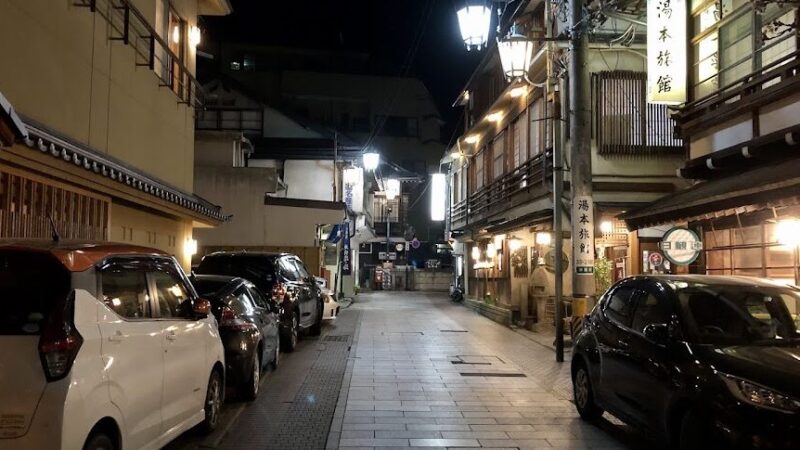
The stone-paved hot spring town retains historic hot spring atmosphere with beautiful scenery. Inns, souvenir shops, and restaurants line the streets, offering the pleasure of strolling in yukata (casual kimono). At night, gas lamps glow, creating a romantic atmosphere.
Japan Ski Museum
This museum teaches the history of Nozawa Onsen’s ski culture. Ancient ski equipment, photographs, and Olympic-related exhibits allow visitors to understand the evolution of ski culture.
Kenmei Temple
A temple on a high point overlooking the hot spring town, revered as guardian temple of Nozawa Onsen. The grounds offer beautiful views of the hot spring town.
Dosojin Festival
Held annually on January 15, this fire festival is designated as an Important Intangible Folk Cultural Property of Japan. With a 20-meter-tall “shrine building” defended by men in their 42nd year and attacked by men in their 25th year who attempt to set it ablaze, this solemn festival is a winter landmark of Nozawa Onsen.
Cuisine and Specialty Dishes
Nozawa Greens Pickles
Nozawa greens, originating in Nozawa Onsen, are a representative pickle of Nagano Prefecture. Available at inns and souvenir shops with various flavors from light to aged.
Hot Spring Buns
Multiple hot spring bun shops line the hot spring town, offering freshly made buns for eating while walking. Perfect as snacks between outdoor bath tours.
Shinshu Soba
As a soba-producing region, Nagano offers authentic Shinshu soba in Nozawa Onsen. Cold “zaru-soba” and hot “kakigori,” as well as “mountain vegetable soba” using local ingredients are popular.
Local Cuisine
- Sasa-sushi: Sushi wrapped in bamboo leaves, a folk dish developed as preserved food
- Oyaki: Small wheat flour dough baked with nozawa greens or vegetables, a famous Nagano specialty
- Horse meat sashimi: Nagano has a horse meat culture with fresh horse sashimi available
Local Sake
As a sake-producing region, Nagano offers local brewery sake at Nozawa Onsen. The combination of hot springs and local sake creates blissful moments.
Access Methods
Train Access
From Tokyo:
- Hokuriku Shinkansen from Tokyo Station to Iiyama Station in about 1 hour 50 minutes
- Nozawa Onsen Liner (bus) from Iiyama Station in about 25 minutes
From Nagoya:
- About 3 hours on the Chuo Main Line to Nagano Station
- Hokuriku Shinkansen from Nagano to Iiyama Station in about 15 minutes
- Nozawa Onsen Liner from Iiyama Station in about 25 minutes
Car Access
From Tokyo:
- Kan’etsu Expressway → Joetsu Shinkansen Expressway, exit “Toyoda Iiyama IC,” about 25 minutes (approximately 180km, about 3 hours)
From Nagoya:
- Chuo Expressway → Nagano Expressway → Joetsu Shinkansen Expressway, exit “Toyoda Iiyama IC” (approximately 260km, about 4 hours)
Bus Access
During winter season, direct express buses operate from Tokyo, Osaka, Nagano, and other cities. Using night buses allows enjoying hot springs or skiing from morning.
Moving Around the Village
Nozawa Onsen village is compact and walkable. Shuttle buses to the ski area operate from various locations throughout the village.
Choosing Accommodation
Inns and Hotels
Nozawa Onsen has approximately 150 accommodations, ranging from large hotels to small family-run inns.
Luxury Inns:
- Many have private springs with room-attached open-air baths
- Kaiseki multi-course Japanese cuisine available
- Rates: approximately 15,000-30,000 yen per night including two meals
Pensions:
- Friendly atmosphere, popular with skiers
- Reasonable rates
- Rates: approximately 7,000-12,000 yen per night including two meals
Foreign Guest Lodges:
- As an international ski resort, accommodations for foreign guests increase
- English-compatible with diverse meal options
Day-Use Hot Spring Facilities
Enjoy hot springs without overnight stays:
- Furusato no Yu: Large day-use facility with indoor and outdoor baths
- Inn day-use bathing: Many inns accept day-use (reservation required)
Best Seasons and Enjoyment Methods
Winter (December to March)
Ski Season:
- Nozawa Onsen Ski Resort fully open
- Enjoy both outdoor bath tours and skiing in the best season
- January 15 Dosojin Festival is a must-see
- Snow-covered hot spring town most beautiful
Spring (April to May)
Snowmelt Season:
- Ski area operates until mid-April
- Snowmelt swells rivers, conveying nature’s power
- Mountain vegetables appear in inn cuisine
Summer (June to August)
Summer Resort:
- High altitude provides cool climate ideal for summer refuge
- Popular as base camp for trekking and mountaineering
- Outdoor bath tours enjoyable at leisure
- “Lantern Festival” held in July
Autumn (September to November)
Autumn Foliage Season:
- Mid-October to early November best for viewing
- Mountains surrounding hot spring town turn colors with spectacular views
- Nozawa greens harvest season with visible washing at Ogama
- Relatively fewer tourists allow relaxed hot spring enjoyment
Model Courses
Day Trip Course
Morning:
- 10:00 Arrive at Nozawa Onsen
- 10:30 Ogama observation and hot spring egg-making experience
- 11:30 Hot spring town stroll and lunch (Shinshu soba)
Afternoon:
- 13:00 Outdoor bath tours (Ooyu, Kawaharaya, Kuma no Teahiraiya)
- 15:00 Souvenir shopping (nozawa greens, hot spring buns)
- 16:00 Depart Nozawa Onsen
One-Night Two-Day Course
Day 1:
- 14:00 Arrive at Nozawa Onsen, check in
- 15:00 Begin outdoor bath tours (3-4 baths)
- 18:00 Dinner at inn
- 20:00 Evening hot spring town stroll, night bath experience
Day 2:
- 6:00 Early morning outdoor bath tours (local interaction)
- 8:00 Breakfast at inn
- 10:00 Ogama observation, hot spring town stroll
- 12:00 Lunch before departure
Two-Night Three-Day Ski & Hot Spring Course (Winter)
Day 1:
- Afternoon arrival, accommodation check-in
- Ski equipment rental
- Evening: soothe fatigue with outdoor baths
Day 2:
- Full day skiing/snowboarding
- Lunch at slope restaurant
- After-ski: outdoor bath tours
- Evening: hot spring town dining with local sake
Day 3:
- Morning skiing
- Afternoon: hot spring town stroll, souvenir shopping
- Evening departure
Four-Season Events at Nozawa Onsen
January: Dosojin Festival (January 15)
A solemn fire festival designated as Important Intangible Folk Cultural Property. A 20-meter-tall, 15-meter-wide “shrine” is defended by 42-year-old men in their unlucky year while 25-year-old men attack to set it ablaze.
February: Snow Festival
The hot spring town is decorated with snow lanterns, creating an enchanted atmosphere. Snow sculpture contests and fireworks displays also occur.
July: Lantern Festival
Hundreds of lanterns decorate the hot spring town, illuminating summer nights. Carnival games and bon odori dances provide summer landmarks.
November: Nozawa Greens Harvest Festival
Celebrates the nozawa greens harvest with tasting and sales of nozawa green cuisine. Live nozawa green washing demonstrations at Ogama are visible.
Tourist Spots Around Nozawa Onsen
Iiyama City
About 30 minutes by car from Nozawa Onsen, Iiyama is known as a “temple town” with over 20 temples. Beautiful old townscape retains snowy region character.
Togari Onsen Ski Area
About 15 minutes by car from Nozawa Onsen, this ski area offers quieter skiing atmosphere.
Sakae Village
One of Japan’s heaviest snow areas where snow culture can be experienced. “Sakae Club Ski Area” and hidden hot springs in Akiyama Gorge are popular.
Hokuryu Lake
In Iiyama, this beautiful lake offers spring cherry blossoms, summer greenery, and autumn foliage. Lakeside hot spring facilities exist.
Hot Spring Etiquette and Precautions at Nozawa Onsen
Basic Bathing Etiquette
- Rinse before entering: Wash body before entering the bath
- Keep towels out: Place towels outside the bath, not in it
- Tie up long hair: Bind or wrap long hair
- Maintain quiet: Remember these are part of local life
- Avoid extended soaking: Due to high temperature, 5-10 minutes is appropriate
Outdoor Bath-Specific Etiquette
- Respect cleaning schedules: Early mornings may have local staff cleaning
- Donations encouraged: 100-200 yen contributions are appreciated
- No taking supplies: Buckets and chairs are communal
- Photography restraint: Be considerate of other bathers
Health Precautions
- High temperature waters: Heart strain risk, no overexertion
- Hydration: Drink sufficient water before and after bathing
- Avoid bathing after alcohol: Accident prevention
- Don’t bathe if unwell: Especially for hypertension sufferers
Nozawa Onsen Souvenirs
Standard Souvenirs
- Nozawa greens pickles: Various types from light to aged
- Hot spring buns: Different flavors by shop offer tasting opportunities
- Local sake: Nagano sake is nationally acclaimed
- Nozawa greens products: Nozawa greens crackers, seasoning
- Hot spring cosmetics: Water-based lotions and creams
Unique Souvenirs
- Dosojin goods: Festival-themed merchandise
- Ski goods: Nozawa Onsen original ski wear and equipment
- Handcrafted items: Local artist pottery and woodwork
Tips for Maximizing Enjoyment of Nozawa Onsen
Reservation Tips
- Book early: Especially winter ski season and holidays fill months ahead
- Weekday use: Lower rates and fewer crowds than weekends
- Multi-night discounts: Many accommodations offer discounts for 2+ nights
Outdoor Bath Tour Tips
- Early morning recommended: Local interaction possible, fewer crowds
- Use bath maps: Obtain free maps at tourist information offices
- Spread over multiple days: Avoid rushing all 13 baths
- Understand temperature differences: Find baths matching your preference
Cost-Saving Methods
- Use outdoor baths: Supplement accommodation facilities with free public baths
- Self-catering accommodations: Choose pensions/hostels with cooking facilities
- Early/late discounts: Check booking site special offers
- Rental cars: More economical than public transport for multiple people
Summary
Nozawa Onsen is a rare Japanese destination blending 1,300 years of hot spring culture with a world-class ski resort. The unique culture of 13 outdoor baths remaining free reflects the warm hospitality of local residents.
Winter offers skiing and hot springs, summer provides summer refuge and hot springs, autumn brings foliage and hot springs, with distinct charms throughout four seasons. Hot spring vegetable culture as nozawa greens birthplace and traditional Dosojin festivals enhance visitation value.
With improved access via Hokuriku Shinkansen from Tokyo, day trips are feasible, but at least one night is recommended to experience morning quiet outdoor baths and evening hot spring town atmosphere. Interaction with locals is among Nozawa Onsen’s greatest appeals.
For those wanting deep experience of Japanese hot spring culture, seeking skiing and hot springs together, or wishing to touch authentic Japanese rural life, Nozawa Onsen is an ideal destination. By all means, visit this historic hot spring town once and feel its charm firsthand.