Yudanaka Shibu Hot Spring Resort Complete Guide | 9 Hot Spring Towns and the Charm of Rotenburo Hopping in Yamanouchi Town, Nagano Prefecture
Yudanaka Shibu Hot Spring Resort, located in Yamanouchi Town, Shimotakai District, Nagano Prefecture, consists of 9 hot spring towns scattered throughout the Yomase River, Kakuma River, and Yokoyu River watersheds, making it Shinshū’s premier hot spring resort. Situated on the western foothills of the Shiga Highlands, this hot spring destination boasts a history of over 1,300 years since its opening and has prospered as a thermal cure spa with abundant hot spring water and diverse mineral compositions.
This article provides a comprehensive introduction to the charm of Yudanaka Shibu Hot Spring Resort, including the characteristics of each hot spring town, popular rotenburo hopping, access methods, and nearby tourist attractions.
What is Yudanaka Shibu Hot Spring Resort?
Yudanaka Shibu Hot Spring Resort is a collective term for hot spring destinations spreading across Yamanouchi Town, Shimotakai District, Nagano Prefecture, and consists of the following 9 hot spring towns.
- Yudanaka Onsen
- Shin-Yudanaka Onsen
- Shibu Onsen
- Ajiro Onsen
- Kambayashi Onsen
- Jigokudani Onsen
- Kakuma Onsen
- Hoshikawa Onsen
- Honami Onsen
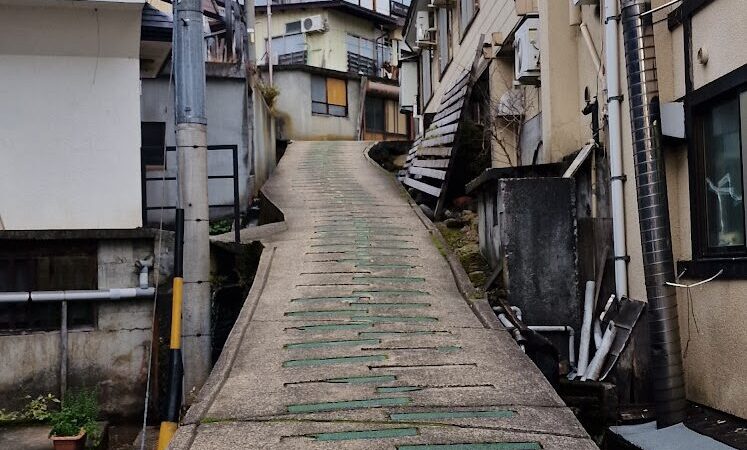
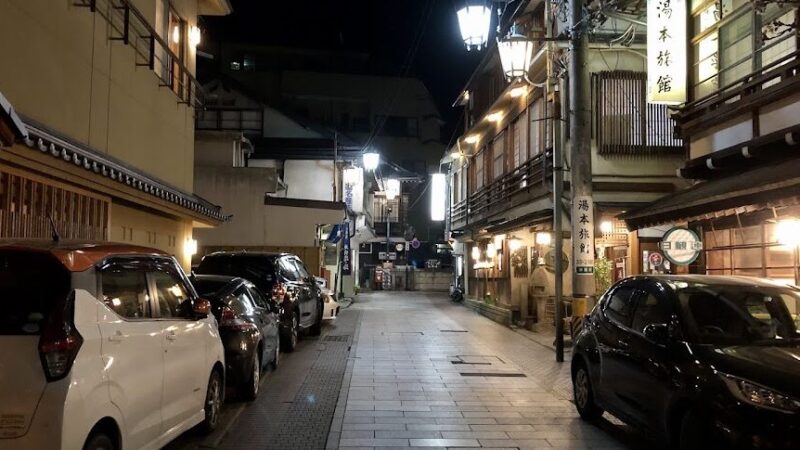
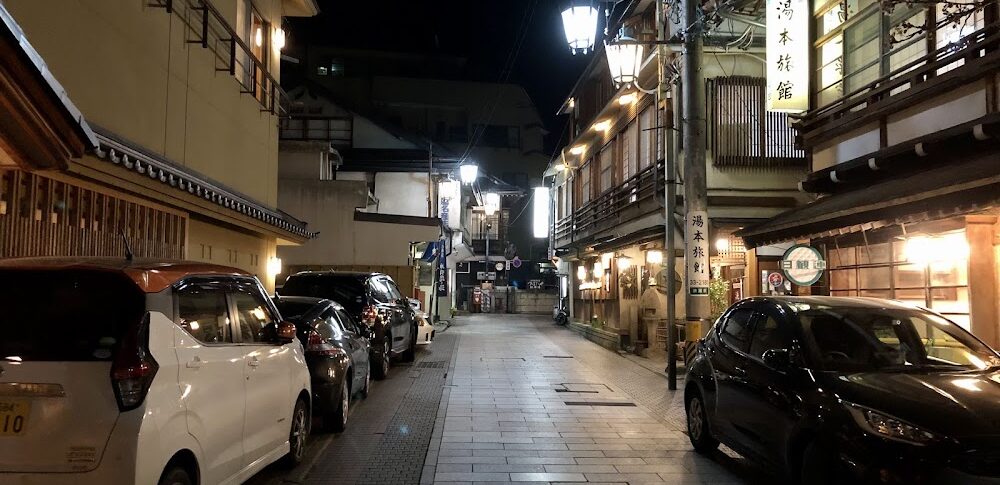
These hot spring towns are situated in the foothills leading to the Shiga Highlands, scattered across locations at varying elevations. They retain strong characteristics as thermal cure spas to this day, with stone-paved hot spring streets and wooden ryokan buildings conveying the atmosphere of bygone eras.
History and Culture
The history of Yudanaka Shibu Hot Spring Resort is ancient, with the oldest records indicating it was discovered around 1,300 years ago by the Buddhist monk Gyoki. During the Edo period, it was cherished by many as a thermal cure spa in Shinshū, and the haiku poet Kobayashi Issa is known to have visited this area and loved its hot springs. Issa praised the Yudanaka Onsen as “the hot spring of longevity and long life” and left many haiku poems.
After the Meiji period, it developed as a health resort along with improvements in transportation, and during the Showa period, it greatly developed as the gateway to the ski resort and Shiga Highlands. Today, many long-established ryokans remain, making it a precious hot spring resort where visitors can experience traditional thermal cure culture.
Characteristics of 9 Hot Spring Towns
Each of the 9 hot spring towns comprising Yudanaka Shibu Hot Spring Resort has its own unique characteristics and appeal.
Yudanaka Onsen
Yudanaka Onsen, the central hub of the hot spring resort, is a representative thermal spa of Shinshū with a history exceeding 1,350 years since opening. It is located within walking distance from Nagano Electric Railway’s Yudanaka Station, offering excellent accessibility. It boasts abundant hot spring water, with the hot spring source being primarily sodium-calcium chloride spring, said to be effective for neuralgia, muscular pain, and joint pain.
The hot spring town features a diverse array of accommodation facilities ranging from large ryokans to small inns, with well-equipped day-use bathing facilities. During summer, matsuri festivals are held every evening for more than a month, attracting many overnight guests.
Shin-Yudanaka Onsen
Shin-Yudanaka Onsen, adjacent to Yudanaka Onsen, is a relatively new hot spring town with modern hotels and ryokans lined up. While possessing the same mineral composition as Yudanaka Onsen, it is characterized by offering a quieter environment for enjoying hot springs.
Shibu Onsen
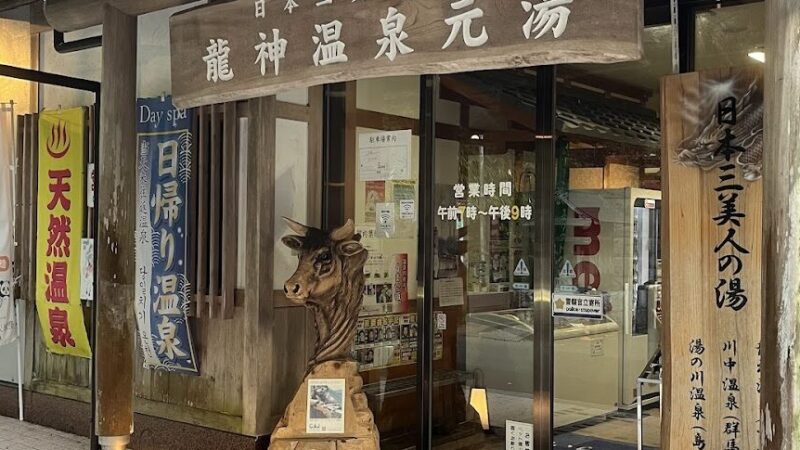
Among the hot spring towns in Yudanaka Shibu Hot Spring Resort, Shibu Onsen is particularly popular. Wooden ryokans line the stone-paved hot spring town, creating a retro atmosphere. Its greatest charm is the 9 rotenburo (outdoor hot springs) that only overnight guests can enjoy for free.
Each rotenburo has different therapeutic benefits, and visiting them in order from 1 to 9 is said to “wash away the nine sufferings and bring good fortune.” The experience of strolling through the stone-paved hot spring town in a yukata and wooden sandals is unique to Shibu Onsen.
Shibu Onsen’s 9 Rotenburo and Their Benefits
- Hatsu no Yu (First Hot Spring): Known as the stomach hot spring, said to be effective for digestive system disorders
- Sasanomi Yu (Bamboo Leaf Hot Spring): Effective for eczema, herpetic infections, and post-illness recovery
- Wata no Yu (Cotton Hot Spring): Said to be effective for skin diseases
- Takenomi Yu (Bamboo Hot Spring): Beneficial for gout
- Matsunomi Yu (Pine Hot Spring): Effective for neuralgia and post-illness recovery
- Meaishinomi Yu (Eye-Washing Hot Spring): Effective for eye diseases and known as a beauty hot spring
- Shichikunomi Yu (Seven Times Hot Spring): Said to completely cure illness after soaking seven times
- Shinmei Fall Hot Spring: Beneficial for gynecological diseases and fertility
- Oyu (Large Hot Spring): Said to cure all ailments, the finishing hot spring for wish fulfillment
These rotenburo are available to overnight guests with provided keys and are carefully maintained by local residents.
Ajiro Onsen
Located along the Yomase River, Ajiro Onsen is characterized by its quiet environment. With small ryokans scattered throughout, visitors can enjoy hot springs in a calm atmosphere.
Kambayashi Onsen
Located along the road heading toward Shiga Highlands, Kambayashi Onsen is attractive for its high elevation and natural surroundings. It also offers good access to Jigokudani Monkey Park and serves as a base for snow monkey tourism.
Jigokudani Onsen
Adjacent to the world-famous Jigokudani Monkey Park, Jigokudani Onsen is known for allowing visitors to see wild Japanese macaques bathing in hot springs. With an atmosphere of a hidden mountain hot spring, visitors can enjoy bathing in nature.
Kakuma Onsen
Located along the Kakuma River, Kakuma Onsen is particularly quiet among the hot spring towns in Yudanaka Shibu Hot Spring Resort. With a small number of ryokans, its appeal lies in its hideaway-like atmosphere.
Hoshikawa Onsen
Located along the Yomase River, Hoshikawa Onsen, though small, possesses high-quality hot springs. It is characterized by a simple atmosphere loved by local residents.
Honami Onsen
Honami Onsen is a relatively new hot spring town in the resort, featuring a fusion of modern facilities and traditional hot spring culture.
Hot Spring Mineral Composition and Therapeutic Benefits
The hot springs of Yudanaka Shibu Hot Spring Resort are characterized by numerous hot spring sources, abundant water volume, and diverse mineral compositions. The main mineral compositions are as follows.
Primary Mineral Compositions
- Sodium-Calcium Chloride Spring: The most commonly found mineral composition with high thermal retention, effective for neuralgia, muscular pain, joint pain, and chills
- Simple Hot Spring: Low irritation and skin-friendly mineral composition
- Sulfur Spring: Found in Jigokudani Onsen and others, effective for skin diseases and chronic gynecological diseases
Source temperatures range widely from 40 to 90 degrees Celsius, adjusted to appropriate temperatures at each facility. Many facilities employ source hot spring free-flowing systems, allowing visitors to enjoy fresh hot spring water.
How to Enjoy Yudanaka Shibu Hot Spring Resort
Rotenburo Hopping
The greatest charm of Yudanaka Shibu Hot Spring Resort is undoubtedly rotenburo hopping. In particular, the experience of hopping the 9 rotenburo in Shibu Onsen has become the representative experience of the hot spring resort.
Strolling through the stone-paved hot spring town in a yukata and wooden sandals while visiting each rotenburo is a precious opportunity to genuinely experience Japanese hot spring culture. When rotenburo hopping, bring the key and hand towel provided by your ryokan, and respect the etiquette of each bathing facility.
The Three Happiness Statue Tour
Yudanaka Shibu Hot Spring Resort has a cultural tradition called the “Three Happiness Statue Tour,” which involves visiting three Buddhist statues scattered throughout the hot spring towns to pray for health, longevity, and happiness. Enjoying this together with rotenburo hopping allows for deeper engagement with the hot spring resort’s culture.
Day-Trip Bathing
Even without staying overnight, visitors can enjoy the hot springs of Yudanaka Shibu Hot Spring Resort using day-use bathing facilities. Each hot spring town has facilities available for day-trippers, allowing visitors to experience hot springs casually. However, the 9 rotenburo in Shibu Onsen are reserved for overnight guests only, so overnight accommodation is necessary to enjoy rotenburo hopping.
Hot Spring Town Strolling
Simply strolling through the stone-paved hot spring towns allows visitors to fully experience the charm of Yudanaka Shibu Hot Spring Resort. The retro architecture, the sight of steam rising from the hot springs, and interactions with local residents offer the unique ambiance of a hot spring town.
Particularly from dusk into the evening, lights illuminate the hot spring towns, creating a fantastical atmosphere. Many overnight guests in yukata can be seen strolling about, creating a sense of time travel.
Nearby Tourist Attractions
Yudanaka Shibu Hot Spring Resort is not only rich in hot springs but also offers abundant nearby tourist attractions.
Jigokudani Monkey Park (Snow Monkeys)
The world-famous Jigokudani Monkey Park is the only place where visitors can observe wild Japanese macaques bathing in hot springs up close. Particularly in winter, the sight of monkeys soaking in hot springs amid snowy landscapes has become popular overseas as “snow monkeys.”
Accessible on foot from Kambayashi Onsen and Jigokudani Onsen, it has become the flagship attraction of Yudanaka Shibu Hot Spring Resort tourism. Operating year-round, visitors can enjoy nature and monkeys in every season.
Shiga Highlands
Yudanaka Shibu Hot Spring Resort serves as the gateway to Shiga Highlands, one of Japan’s premier ski resorts. In winter, visitors can enjoy skiing and snowboarding; in summer, hiking and trekking in this mountain resort with elevations of 2,000 meters and above.
Shiga Highlands has multiple ski slopes and served as a venue for the 1998 Winter Olympics in Nagano. Combinations of hot spring bathing and winter sports are popular.
Obuse
Approximately 30 minutes by car from Yudanaka Shibu Hot Spring Resort, the town of Obuse in Obuse Town is known for its chestnut products and historic character. It offers abundant attractions including the townscape retaining Edo-period charm, art museums associated with ukiyo-e artist Katsushika Hokusai, and long-established chestnut confectionery shops.
Zenkoji Temple
Zenkoji Temple in Nagano City is a representative temple of Shinshū with numerous cultural properties including its National Treasure main hall. Accessible from Yudanaka Shibu Hot Spring Resort via Nagano Electric Railway and on foot in approximately one hour, many tourists combine a visit here with their hot spring vacation.
Nakano City and Iiyama City
During snowy seasons, tourism to nearby Nakano City and Iiyama City is convenient. Nakano City is known as a production center for clay dolls and clay figurines, while Iiyama City holds distinctive appeal as a snowy region culture and temple town.
Access Methods
Here are the access methods to Yudanaka Shibu Hot Spring Resort.
Train Access
From Tokyo
- Approximately 1 hour 30 minutes on the Hokuriku Shinkansen from Tokyo Station to Nagano Station
- Approximately 45 minutes on the Nagano Electric Railway limited express from Nagano Station to Yudanaka Station
- From Yudanaka Station to each hot spring town via bus or taxi
Nagano Electric Railway’s Yudanaka Station serves as the gateway to the hot spring resort, with Yudanaka Onsen within walking distance and Shibu Onsen approximately 5 minutes by bus.
From Nagoya and Osaka
- Approximately 3 hours from Nagoya to Nagano Station via Hokuriku Shinkansen; approximately 4 hours from Osaka
- Same as above from Tokyo
Access by Car
From Tokyo
- Approximately 3 hours via the Kanetsu and Joshin Expressways to Shinshū Nakano IC
- Approximately 15 minutes on National Route 292 from Shinshū Nakano IC
From Nagoya
- Approximately 3.5 hours via the Chuo and Nagano Expressways to Shinshū Nakano IC
- Same as above from Tokyo
Parking is available at each hot spring town and ryokan, though some areas like Shibu Onsen have narrow roads, making it advisable to contact your accommodation in advance.
Bus Access
Direct buses operate between Nagano Station and Yudanaka Shibu Hot Spring Resort. High-speed buses also run from Narita and Haneda airports, used by foreign tourists.
Accommodation Facilities
Yudanaka Shibu Hot Spring Resort offers diverse accommodation options ranging from traditional wooden ryokans to modern hotels.
Long-Established Ryokans
Long-established ryokans dating back to the Edo or Meiji periods offer traditional Japanese architecture and distinguished hospitality. Guests can fully experience Japanese hot spring ryokan culture through rustic wooden guest rooms, kaiseki cuisine using local ingredients, and free-flowing source hot springs.
Mid-Size Ryokans
Family-operated mid-size ryokans offer homey atmospheres and heartfelt service. With reasonable pricing, they are suitable for families, extended stays, and thermal cure vacations.
Modern Hotels
Modern hotels with up-to-date facilities are located in areas like Shin-Yudanaka Onsen. Offering barrier-free design and Western-style rooms, they accommodate a wide range of needs.
Minshuku and Pensions
Minshuku and pensions in the surrounding area offer more casual accommodation experiences. They are convenient when combined with Shiga Highlands activities.
Food Culture
Yamanouchi Town, home to Yudanaka Shibu Hot Spring Resort, is blessed with abundant local ingredients.
Local Ingredients
- Shinshū Soba: A representative Nagano Prefecture specialty served at many ryokans and restaurants
- Apples: Yamanouchi Town and its vicinity are apple-producing regions offering fresh apples and apple-based desserts
- Mushrooms: Autumn mushroom dishes appear in ryokan meals
- River Fish: River fish dishes from the Yomase River and other waterways are local specialties
- Nozawana Pickles: A Nagano Prefecture representative pickle, essential to ryokan breakfasts
Hot Spring Buns
Hot spring bun shops dot the hot spring towns, adding to the pleasure of strolling. Each shop competes with unique flavors, making taste comparisons enjoyable.
Best Seasons
Yudanaka Shibu Hot Spring Resort offers charm throughout the four seasons and can be enjoyed year-round.
Spring (March–May)
As snow melts, fresh greenery emerges to announce spring’s arrival in the hot spring town. With fewer tourists, visitors can enjoy hot springs in a leisurely manner.
Summer (June–August)
The Yudanaka Onsen summer festival runs for over a month with nightly festivities. Combining Shiga Highlands hiking with hot spring bathing is a popular way to escape summer heat.
Autumn (September–November)
Autumn foliage is beautiful as mountains from the Shiga Highlands to the hot spring towns display vibrant colors. With abundant seasonal ingredients, visitors enjoy autumn flavors including mushrooms and fresh buckwheat noodles.
Winter (December–February)
The ski season brings crowds eager to enjoy winter sports at Shiga Highlands combined with hot spring bathing. Snow-covered hot spring towns have special charm, with snow monkeys at Jigokudani Monkey Park at their best. The blissful experience of warming one’s body, chilled from play, in the hot springs is incomparable.
The Present and Future of Yudanaka Shibu Hot Spring Resort
Yudanaka Shibu Hot Spring Resort, while maintaining a history exceeding 1,300 years, continues to evolve. Efforts are underway to preserve traditional thermal cure culture while responding to modern tourists’ needs.
Inbound Tourism
The overseas popularity of snow monkeys at Jigokudani Monkey Park has spurred a surge in foreign tourists. Efforts to provide multilingual support and information for foreign visitors are establishing the resort as an international hot spring destination.
Sustainable Tourism
The resort is working toward sustainable tourism where local residents and tourists coexist. Work continues on rotenburo maintenance, hot spring town scenery preservation, and environmental conservation to pass hot spring culture to future generations.
Creation of New Attractions
While preserving tradition, the resort actively creates new appeal. These efforts include hot spring and art fusion events, development of new cuisine using local ingredients, and establishment of workation-compatible facilities, continuing evolution suited to modern times.
Conclusion
Yudanaka Shibu Hot Spring Resort in Yamanouchi Town, Nagano Prefecture, is Shinshū’s premier hot spring resort where 9 hot spring towns create diverse appeal. With a history exceeding 1,300 years since opening, abundant hot spring water and diverse mineral compositions, stone-paved hot spring towns and rotenburo hopping, plus nearby attractions like Jigokudani Monkey Park and Shiga Highlands, the resort possesses multifaceted charm.
Strolling through stone-paved hot spring towns in a yukata, hopping 9 rotenburo, and bathing in the “longevity hot spring” that even haiku poet Kobayashi Issa loved—these are experiences through which visitors can fully engage with Japanese hot spring culture.
Easily accessible from Tokyo via Hokuriku Shinkansen and Nagano Electric Railway, the resort accommodates various styles from day trips to extended stays. Seasonal nature, cuisine using local ingredients, and warmhearted hospitality provide comfort to all visitors.
Why not enjoy a hot spring vacation at Yudanaka Shibu Hot Spring Resort, where tradition and innovation coexist, to refresh both body and mind?