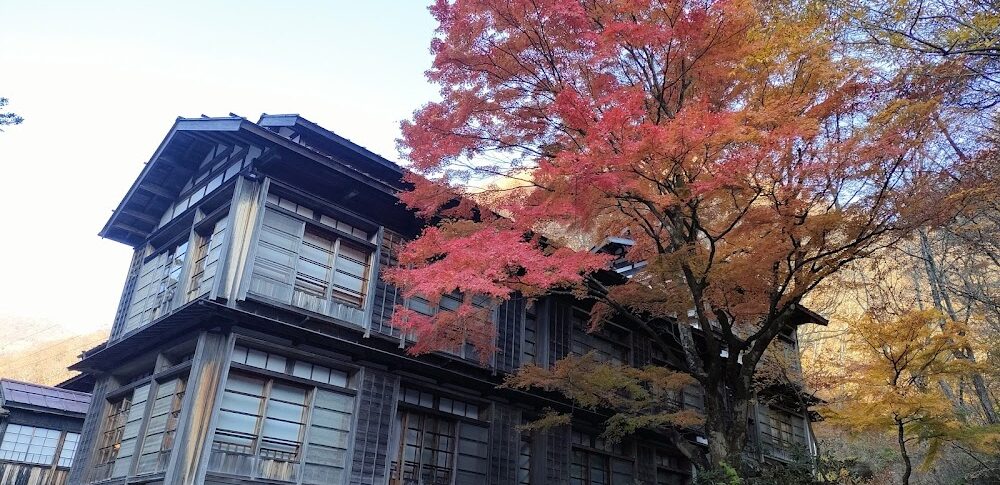
Hoshi Onsen, Gunma Prefecture: Complete Guide to “Chojukan,” a Hidden Hot Spring Inn【National Registered Tangible Cultural Property】
Located at 650 Nagai, Minakami-cho, Tone-gun, Gunma Prefecture, Hoshi Onsen is one of Japan’s finest hidden hot springs, nestled in a deep valley within the Joshin’etsu Kogen National Park. “Hoshi Onsen Chojukan,” founded in Meiji 8 (1875), continues to operate as the only inn, and its historic structures and naturally sourced hot spring water welling up from the bottom of the bath have captivated countless hot spring enthusiasts and literary figures.
This article provides comprehensive information about Hoshi Onsen’s history, hot spring characteristics, facility information, and access methods—everything you should know before visiting.
History and Origins of Hoshi Onsen
The Legend of Kobo Daishi and the Discovery of the Hot Spring
The name “Hoshi Onsen” derives from a legend that Kobo Daishi (Kukai), during his travels throughout the country, discovered the hot spring. According to the legend, Kobo Daishi found the hot spring by the Hoshi Stream flowing through a deep valley at Mikunitoge Pass and communicated its benefits to people.
From this legend, the name “Hoshi Onsen” was given, and it has long been cherished by local people as a spa resort. While Gunma Prefecture has numerous famous hot springs, Hoshi Onsen is known as a particularly hidden gem among hidden hot springs.
Chojukan: Carrying History from the Meiji Era
The current Hoshi Onsen Chojukan was founded in Meiji 8 (1875). The main building maintains the structure from its founding, and its entirely wood-constructed architecture is characterized by its simple and warm atmosphere.
In Meiji 28 (1895), the famous large public bath “Hoshi no Yu” was constructed. This building incorporated the architectural style of the Rokumeikan with its blend of Japanese and Western design, which was extremely modern for its time and retains its charming appearance today.
In Heisei 18 (2006), the large public bath, annex, and main building were designated as National Registered Tangible Cultural Properties, recognized as valuable structures transmitting Japanese hot spring culture.
A Hot Spring Beloved by Literary Figures
Hoshi Onsen has been loved by many literary and artistic figures for its serene environment and simple character.
- Akiko Yosano: The poet Akiko Yosano visited Hoshi Onsen and left many works behind
- Yasunari Kawabata: The Nobel Prize-winning author Yasunari Kawabata also visited Hoshi Onsen and is said to have composed a poem while sitting by the large hearth beside the entrance
These literary figures engaged in creative activities in the unique atmosphere of Hoshi Onsen and amid its natural surroundings.
Hoshi no Yu: The Famous Large Public Bath
A Space Where Architectural Beauty and Hot Springs Merge
The greatest appeal of Hoshi Onsen is undoubtedly the large public bath “Hoshi no Yu” built in Meiji 28. This bath has a simple exterior like an enlarged charcoal-burning hut, with a unique structure of logs stacked together and a roof thatched with cedar bark.
The interior features the Rokumeikan style blending of Japanese and Western design, with an open space where natural light streams in from high ceilings. The warmth inherent to wood construction and the weight of history blend beautifully in harmony.
Naturally Sourced Hot Spring Water Welling Up from the Bottom of the Bath
The greatest characteristic of Hoshi no Yu is that hot spring water naturally wells up directly from the bottom of the bath. All four bathtubs are filled with this naturally sourced hot spring water.
In modern times, many hot springs supply water from the source through pipes to the bath, but at Hoshi Onsen, rain and snow that fell approximately 60 years ago circulates deep underground and naturally wells up from directly beneath the bathtub.
Through this method of welling up, the effective components of the hot spring do not touch air nor are lost, being absorbed efficiently into the human body. This is an extremely rare hot spring where you can enjoy the benefits of hot spring bathing to their fullest.
Gaining National Fame Through the Full Moon Poster
Hoshi no Yu was once used as the filming location for the Japanese National Railways (now JR) “Full Moon Poster.” This poster generated significant impact and became the catalyst for Hoshi Onsen becoming known nationwide.
With the rarity of a mixed-gender public bath, the beauty of Meiji-era architecture, and naturally sourced hot spring water all together, Hoshi no Yu has become a dream destination for many hot spring enthusiasts.
The Spring Quality and Efficacy of Hoshi Onsen
Spring Quality Information
The spring quality of Hoshi Onsen is calcium-sodium sulfate spring (gypsum spring). It is colorless and transparent with a faint sulfur scent, offering gentle bathing water.
- Spring Temperature: Approximately 43°C (at source)
- pH Value: Weakly alkaline
- Discharge Volume: Abundant natural spring flow
As fresh hot spring water constantly wells up from the bottom of the bath, it is completely source hot spring flowing, with no recirculation, heating, or dilution whatsoever.
Efficacy of the Hot Spring
Hoshi Onsen is expected to be effective for the following conditions:
- Neuralgia
- Muscle pain
- Joint pain
- Frozen shoulder
- Motor paralysis
- Joint stiffness
- Bruises
- Sprains
- Chronic gastrointestinal disease
- Hemorrhoids
- Cold sensitivity
- Convalescence period after illness
- Fatigue recovery
- Health promotion
In particular, fresh hot spring components from natural sourcing directly contacting the skin allow the effective components of the hot spring to be absorbed efficiently into the body.
Facility Information for Hoshi Onsen Chojukan
Hot Spring Facilities
Hoshi Onsen Chojukan provides multiple bathing areas:
Large Public Bath “Hoshi no Yu”
- Built in Meiji 28, National Registered Tangible Cultural Property
- Four bathtubs (all naturally sourced from the bath bottom)
- Mixed bathing (women-only hours available)
- Rokumeikan-style blended Japanese and Western architecture
Medium Bath
- Men and women on rotating schedule
- Includes open-air bath
- More tranquil atmosphere
Small Bath
- Men and women on rotating schedule
- Ideal for families and couples
All bathing areas feature naturally sourced, source-flowing hot spring water.
Accommodation Facilities
The entirely wood-constructed Chojukan comprises the following buildings:
- Main Building: Built in Meiji 8, National Registered Tangible Cultural Property
- Annex: National Registered Tangible Cultural Property
- Horyu-den: Relatively newer accommodation building
Guest rooms are primarily traditional Japanese-style tatami rooms, featuring simple and calm atmosphere. The space prioritizes conveying history and nature over modern amenities.
Day-Use Hot Spring Bathing Information
Hoshi Onsen Chojukan also accepts day-use bathing:
- Business Hours: 11:00~13:30 (Reception closes)
- Closed Days: Wednesdays, plus other irregular closures
- Fee: Please inquire directly for details
※Day-use bathing may have limited reception depending on congestion. It is recommended to confirm in advance by phone.
The Large Hearth by the Entrance
A large hearth is cut into the space beside the entrance, which is another famous feature of Hoshi Onsen. It is said that Yasunari Kawabata sat by this hearth and composed a poem, serving as a symbol warmly welcoming visitors.
Access Methods
Location
〒379-1401 650 Nagai, Minakami-cho, Tone-gun, Gunma Prefecture
TEL: 0278-66-0005
Access by Train and Bus
Using JR Joetsu Shinkansen
- Get off at Jomokogun Station
- Take bus heading to “Sarugakyo” for approximately 40 minutes
- Get off at “Sarugakyo”
- Take bus heading to “Hoshi Onsen” for approximately 15 minutes
- Get off at “Hoshi Onsen,” then walk approximately 1 minute
※Since bus service is limited, it is recommended to confirm the timetable in advance. Shuttle service for guests may be available; please confirm at the time of booking.
Access by Automobile
Using Kanetsu Expressway
- Approximately 40km from Tsukiyono Interchange (approximately 60 minutes)
- Head toward Sarugakyo, then proceed on Prefectural Route 63 toward Mikunitoge Pass
Parking Lot
- Free parking available
Notes Regarding Access
Since Hoshi Onsen is located in the mountains deep within Joshin’etsu Kogen National Park, the following points require attention:
- Winter: Snow accumulation and icy road surfaces are possible; studless tires or chains are essential
- Road Conditions: Prefectural Route 63 is a mountain road; caution is necessary for those unfamiliar with mountain driving
- Mobile Phones: In some areas, cellular signal reception may be poor
- Gasoline: Few gas stations in the surrounding area; fill up in advance
Tourism Information Around Hoshi Onsen
Tourist Attractions in Minakami-cho
Minakami-cho, where Hoshi Onsen is located, is a representative tourist destination in Gunma Prefecture:
- Mount Tanigawa: One of Japan’s 100 Famous Mountains; enjoy superb views by ropeway
- Suwa Gorge: A scenic area where you can enjoy the valley beauty of the Tone River
- Takumi no Sato: A tourism facility offering traditional craft experiences
- Sarugakyo Onsen: The hot spring town closest to Hoshi Onsen
Mikunitoge Pass and Joshin’etsu Kogen National Park
Hoshi Onsen is located directly below Mikunitoge Pass, which marks the border between Gunma and Niigata Prefectures. The surrounding area is designated as Joshin’etsu Kogen National Park, featuring a natural environment surrounded by primeval forest.
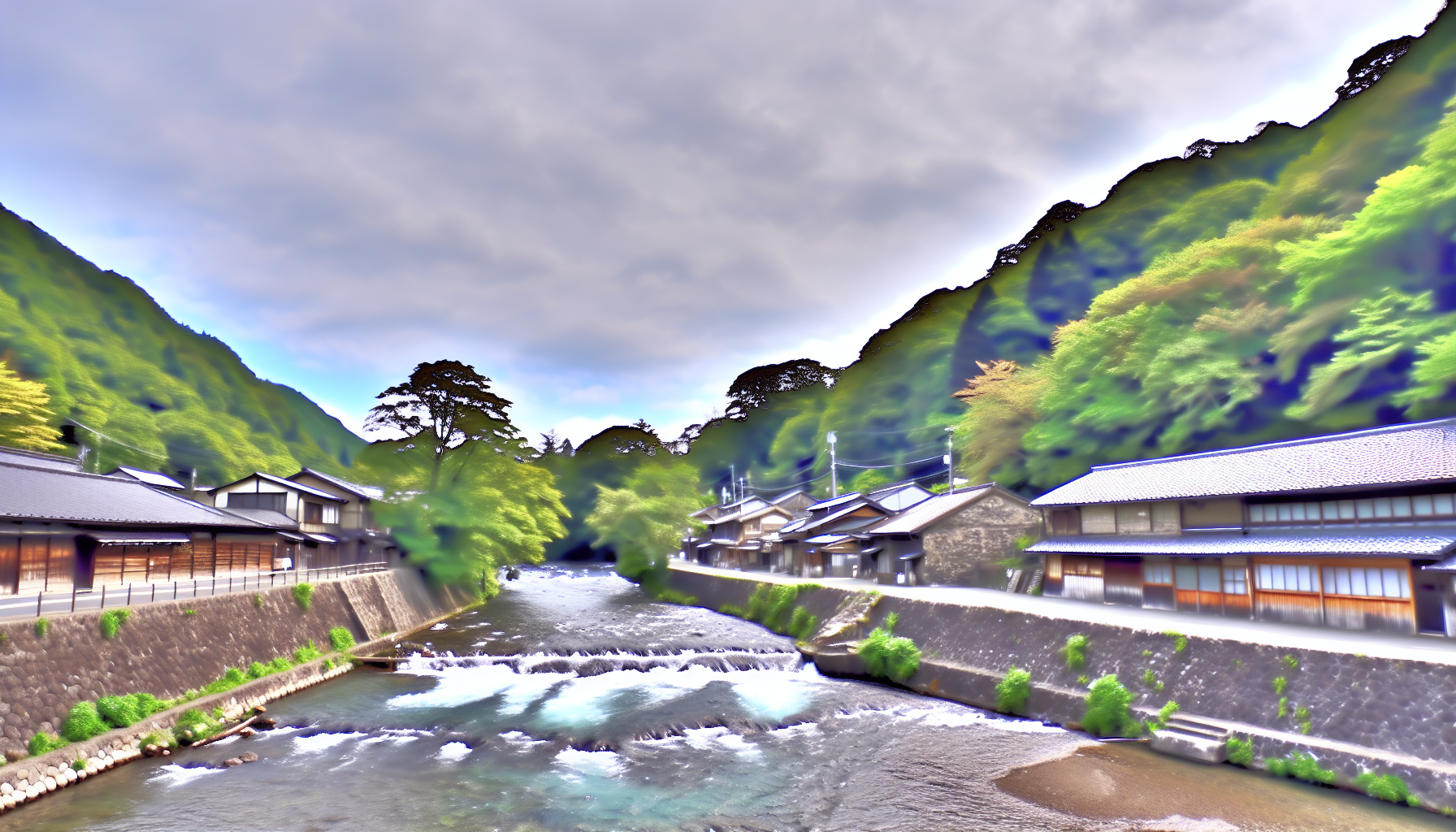
The Hoshi Stream flowing through the valley shows beautiful scenery in each season:
- Spring: Fresh greenery and alpine flowers
- Summer: Deep green and refreshing streams
- Autumn: Spectacular autumn foliage
- Winter: Snow-covered landscapes and silence
Designation as a National Health and Wellness Hot Spring
Hoshi Onsen was designated as a National Health and Wellness Hot Spring on April 20, 1999, along with Yushuku and Kawako hot springs. This is a designation by the Minister of the Environment for areas where sufficient benefits from hot spring use can be expected and which are appropriate as healthy recreational areas to promote public use of hot springs.
Accommodation Reservations and Usage Notes
Reservation Methods
Reservations for Hoshi Onsen Chojukan can be made through the following methods:
- Official Website: Direct reservations available
- Phone Reservations: 0278-66-0005
- Travel Booking Sites: Available through major sites including Jalan.net, Rakuten Travel, and JTB
As this hidden hot spring is popular, it is recommended to reserve early, especially during fall foliage season and weekends.
Precautions Regarding Accommodation
Regarding Mixed Bathing
Hoshi no Yu is essentially mixed bathing, though women-only bathing hours are provided. Confirm details upon arrival. Those uncomfortable with mixed bathing can also use the medium or small bath.
Mobile Phones and Internet
Due to its location in the mountains, mobile phone signal reception is not good. It is recommended to come prepared to enjoy digital detox.
Surrounding Facilities
Hoshi Onsen is a completely standalone inn, with no convenience stores or shops nearby. Prepare any necessary items in advance.
Summary of Hoshi Onsen’s Appeal
Hoshi Onsen possesses the following attractions, making it one of Japan’s finest hidden hot springs:
- Historical Significance: Wood construction continuing from the Meiji era and National Registered Tangible Cultural Property status
- Naturally Sourced Hot Spring: A rare hot spring naturally welling up from the bath bottom
- Hidden Hot Spring Atmosphere: A standalone inn within Joshin’etsu Kogen National Park
- Cultural Background: A hot spring beloved by literary figures including Akiko Yosano and Yasunari Kawabata
- Architectural Beauty: Rokumeikan-style blended Japanese and Western design and simple wood construction
- Source Hot Spring Flowing: 100% natural hot spring with no recirculation or heating
Removed from the tumult of modern society, Hoshi Onsen offers an experience of both the spirit of the Meiji era and the gifts of nature—a place that true hot spring enthusiasts should certainly visit.
This hidden hot spring nestled at 650 Nagai, Minakami-cho, Tone-gun, Gunma Prefecture will provide an unforgettable special experience. For those wishing to experience Japanese hot spring culture, those interested in historic buildings, and those seeking both physical and mental refreshment, Hoshi Onsen Chojukan should prove the finest choice.