Shima Hot Spring, Gunma Prefecture Complete Guide | Thorough Explanation of History, Effects, Tourist Spots, and Access Information
Shima Hot Spring, located in Nakanojo Town, Agatsuma District, Gunma Prefecture, is a famous hot spring that boasts a history of over 1,000 years since its opening in the Heian period. Named after the legend of “a miraculous spring that cures 40,000 ailments (Shima),” this hot spring resort is surrounded by the rich nature of the Joshin’etsu Highland National Park, with a hot spring town spreading along the clear waters of the Shima River. This article provides a comprehensive introduction to the charm of Shima Hot Spring, including its history, mineral composition, tourist spots, and access methods.
History and Origins of Shima Hot Spring
A Legendary Miraculous Spring Continuing from the Heian Period
Shima Hot Spring is believed to have been opened in 989 (Eien 3). According to legend, Hinata-no-Kami Usui Sadamitsu, a governor, fell ill while traveling from Echigo to Joshu. That night, following the divine message that appeared in a dream, he discovered the hot spring, and immediately after soaking in the waters, his illness was cured.
From this legend, it was named “a miraculous spring that cures 40,000 ailments (Shima),” and has long been loved by many people as a bathing resort. The Jomo Karuta includes the verse “Shima Hot Spring washes away the dust of the world,” and it is widely known as a hot spring resort representative of Gunma Prefecture.
First National Health and Wellness Hot Spring
In 1954 (Showa 29), Shima Hot Spring was designated by the Ministry of the Environment as the first “National Health and Wellness Hot Spring” in Japan. This designation is only given to hot spring resorts that meet strict criteria, including excellent hot spring mineral composition, good natural environment, and well-equipped facilities suitable for recuperation.
With this recognition, Shima Hot Spring established its position as a representative health and wellness hot spring resort in Japan, and continues to welcome many bathing therapy visitors and tourists today.
Mineral Composition and Effects of Shima Hot Spring
42 Springs Creating Rich Waters
Shima Hot Spring has a total of 42 springs, of which 39 are naturally occurring springs, making it a blessed hot spring location. The source water temperature is approximately 40-80°C, and many inns allow guests to enjoy pure hot spring water without addition or circulation. This abundant water volume and naturally occurring spring water are major attractions of Shima Hot Spring.
Mineral Composition and Effects
The mineral composition of Shima Hot Spring is primarily sodium, calcium chloride, and sulfate springs. The water is colorless and transparent, characterized by soft water with a slight sulfur aroma.
Primary Effects:
- Gastrointestinal disorders (particularly chronic gastritis and reduced gastrointestinal function)
- Neuralgia and muscle pain
- Joint pain and frozen shoulder
- Poor circulation and fatigue recovery
- Skin conditions and skin beautification effects
- Chronic gynecological disorders
The effectiveness for gastrointestinal ailments has been known since ancient times, and it is counted as one of “Japan’s Three Major Gastrointestinal Hot Springs.” Drinking the spring water is also recommended, with drinking springs situated throughout the hot spring town. Drinking the water is expected to regulate gastrointestinal function and promote health from within the body.
Shima Blue and Skin-Beautifying Effects
The waters of Shima Hot Spring are praised as “beneficial to the stomach when drunk and good for the skin when bathed in.” With a pH value close to neutral and skin-friendly mineral composition, even those with sensitive skin can bathe safely. Additionally, the “Shima Blue,” a unique blue color visible in the Shima River waters, is a mystical phenomenon created by hot spring components and the natural environment, captivating many tourists.
Composition and Area Introduction of Shima Hot Spring Town
A Hot Spring Town Divided into Five Districts
Shima Hot Spring is a hot spring town stretching approximately 4 km along the Shima River, divided into five districts from downstream to upstream.
1. Onsen-guchi (Hot Spring Entrance)
Located at the entrance to the hot spring town, with bus stops and parking areas. This area serves as the starting point for exploring the hot spring town.
2. Yamaguchi (Mountain Entrance)
The center of Shima Hot Spring, with numerous inns and shops in this lively area. Large inns such as Shima Yamaguchi-kan are located here.
3. Araya (New Spring)
An area developed in the early Showa period, with modern inns lined up. Shima Grand Hotel is among others here.
4. Yuzuriha
An area with a quiet atmosphere, allowing for peaceful stays.
5. Hinatami (Sun View)
The most remote area with a rich history. Historic structures such as Hinatami Yakushi-do and Sekizenkan Honkan are preserved here.
Recommended Route for Hot Spring Town Strolls
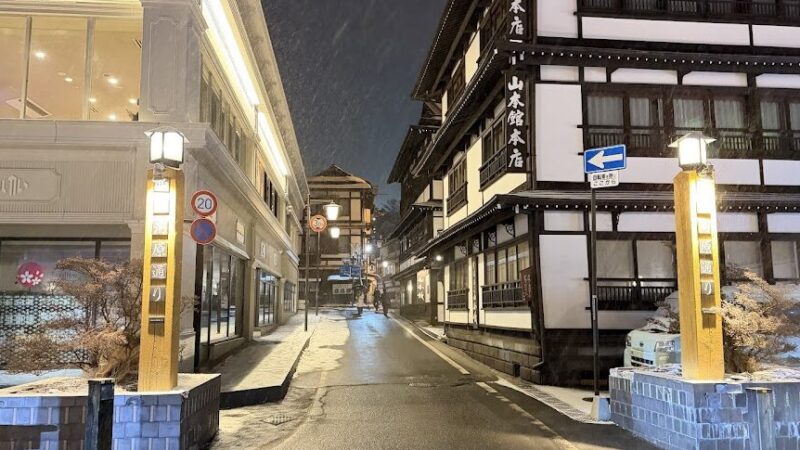
A stroll through the hot spring town is recommended along a roughly 700-meter section from Kirinoki-daira through the front of Sekizenkan to Ochiai-dori. The retro-styled shopping street features scattered cafes, lunch spots, and souvenir shops, allowing visitors to fully experience the hot spring atmosphere.
With shooting galleries and old-fashioned game halls, visitors can enjoy a Showa-era retro atmosphere, which is also part of Shima Hot Spring’s charm. A stroll through the hot spring town in yukata will further enhance the nostalgic feeling.
Recommended Inns and Accommodations
Shima Tamura
A long-established inn boasting a history of over 500 years of operation. With seven source springs, it features diverse bathhouses throughout the facility. The “Gomuso-no-yu,” in particular, is popular as a large public bath with an open, spacious feeling. Guest rooms are primarily Japanese-style, with rooms featuring private outdoor baths also available, allowing guests to fully enjoy private bathing time.
Sekizenkan
A historic inn founded in 1694 (Genroku 7), with its main building designated as a Registered Tangible Cultural Property of Japan. The “Genroku-no-yu,” rumored to be one model for the film “Spirited Away,” is a historically significant bathhouse characterized by its tile-lined bathing basin. As an inn where visitors can fully experience a retro atmosphere, it is popular with many tourists.
Shima Grand Hotel
A large inn where hot spring water from seven sources is supplied 24 hours without addition or circulation. The inn is known for its approximately 50-variety Japanese, Western, and Chinese buffet, making it ideal for family and group stays. All 99 guest rooms are surrounded by Shima’s nature, with diverse room types to choose from.
Shima Yamaguchi-kan
The inn, called the “Hot Spring Mist-Covered Street,” is wrapped in the joy of visiting a carnival fair. Features include the Omokuza large outdoor bath, the streamside outdoor bath “Shima River Waters,” and the Yakushi Bath, among diverse bathing options. Cuisine using local ingredients such as Gunma prefectural high-altitude vegetables and brand meats is also highly regarded.
Toyoshimaya
The only inn in Shima Hot Spring where 100% pure hot spring water without heating, water addition, or circulation can be enjoyed. With three private source springs, it features a streamside outdoor bath and private bathing facilities, as well as rooms with outdoor baths. Situated alongside the Shima River, this inn is known for its spectacular views of the stream.
Nakamuraya
Known as an inn with a passion for local sake, it stocks an abundance of Japanese sake produced in Gunma Prefecture. This inn offers an experience of hot springs combined with local sake and cuisine using local ingredients, with the atmosphere of a sophisticated hideaway.
Tourist Spots of Shima Hot Spring
Oku-Shima Lake (Shima River Dam)
Oku-Shima Lake, an iconic symbol of Shima Hot Spring, is an artificial lake created by the Shima River Dam. Characterized by its distinctive cobalt-blue water surface called “Shima Blue,” the color changes with the season, weather, and time of day.
A walking path has been developed around the lakeshore, which can be completed in approximately one hour. Visitors can enjoy the beautiful nature of each season: new green in spring, deep green in summer, autumn foliage, and snowy landscapes in winter.
Shima Potholes (Ouketsu)
Designated as a National Natural Monument, the Shima potholes are circular holes formed in the riverbed rock over long periods by water flow and rotating stones. Eight potholes are connected in series, with the largest measuring 3 meters in diameter and 1.5 meters deep.
Visitors can observe the beautiful work of nature up close, making it a valuable tourist spot from a geological perspective as well.
Sekizenkan Main Building and Genroku Bath
The main building of Sekizenkan, Gunma Prefecture’s oldest wooden bathhouse structure, is a charming building constructed in the Taisho period. Designated as a Registered Tangible Cultural Property, the exterior alone is worth viewing.
The “Genroku-no-yu” within the building is a historic bathhouse continuing from the Genroku era, with an arched window and tile-lined bathing basin creating a unique atmosphere. Day-trip bathing is available for non-residents (confirmation required).
Hinatami Yakushi Hall
Located in the Hinatami district, said to be the birthplace of Shima Hot Spring, Yakushi Hall is designated as a National Important Cultural Property. A precious historic structure retaining Muromachi-period architectural style, it is revered by local people as the guardian deity of the hot spring.
Near the Yakushi Hall is a public bathhouse called “Gomuso-no-yu,” where admission is free (donations welcome). This is a hot spring atmosphere-filled spot where interaction with local residents can be enjoyed.
Maya Waterfall
A beautiful waterfall with a 20-meter drop located about a 15-minute walk from the hot spring town. The walking path to the waterfall is well-maintained, allowing visitors to enjoy forest bathing while strolling. It is popular as a refreshing spot where visitors can absorb plenty of negative ions.
Momotaro Waterfall
A small waterfall near the entrance to the hot spring town, named after the Momotaro folktale legend. The shape of the waterfall basin is said to resemble a peach, hence the name. It is a convenient spot to visit during a stroll through the hot spring town.
Shima River Walking Path
Multiple walking paths have been developed along the Shima River, allowing visitors to enjoy nature walks while listening to the murmur of the stream. Visitors can savor the natural beauty of each season: spring mountain cherries, summer deep green, autumn foliage, and winter snow scenes.
Tourist Spots Around Shima Hot Spring
Kusatsu Hot Spring
Located approximately one hour by car from Shima Hot Spring, Kusatsu Hot Spring is known as one of Japan’s three premier hot springs. With numerous tourist attractions including the Yubatake and hot water stirring shows, a “hot spring hopping” combining Shima and Kusatsu is also popular.
Tomioka Silk Mill
A UNESCO World Heritage site, the Tomioka Silk Mill is approximately one hour and 30 minutes by car from Shima Hot Spring. As a Meiji-era modern industrial heritage site, it is a valuable spot for learning Japanese history.
Fukiware Waterfall
Called the “Niagara of the Orient,” Fukiware Waterfall is approximately one hour by car from Shima Hot Spring. A spectacular waterfall 30 meters wide and 7 meters high, it is designated as a National Natural Monument.
Akaiwa District (Important Traditional Building Preservation District)
The Akaiwa district of Nakanojo Town is an area preserving traditional sericulture farmhouses, designated as an Important Traditional Building Preservation District. Approximately 30 minutes by car from Shima Hot Spring, it offers an experience of rural scenery from the Edo period through the early Showa period.
Megane Bridge (Usui Third Bridge)
Approximately one hour and 30 minutes by car from Shima Hot Spring, this beautiful red-brick arch bridge is designated as a National Important Cultural Property. Particularly beautiful in autumn foliage season, it is popular as a photography spot.
Access Methods to Shima Hot Spring
Access by Train and Bus
From Tokyo:
- Take the limited express “Kusatsu” from JR Ueno Station for approximately 2 hours to Nakanojo Station
- Take a route bus to Shima Hot Spring from Nakanojo Station for approximately 40 minutes (Kan’etsu Transportation)
Using Shinkansen:
- Take the Joetsu Shinkansen from Tokyo Station to Takasaki Station for approximately 50 minutes
- Transfer to JR Agatsuma Line at Takasaki Station to Nakanojo Station for approximately 1 hour
- Take a route bus to Shima Hot Spring from Nakanojo Station for approximately 40 minutes
Direct Bus:
Direct buses to Shima Hot Spring operate from Tokyo Station, Kawagoe Station West Exit, and Haneda Airport Garden (operation varies by season and day, so confirmation is required). As reservations are required, contact the Shima Hot Spring Association or travel agencies in advance.
Access by Car
Using the Kan’etsu Expressway:
- From Syakugan Ikaho IC, proceed via National Routes 17 and 353 for approximately 39 km, approximately 60 minutes
- Proceed to Shima Hot Spring via Nakanojo
Using the Joshin’etsu Expressway:
- From Usui Karuizawa IC, proceed via National Routes 18, 145, and 353 for approximately 80 km, approximately 90 minutes
Parking is available at each inn and also at public parking areas in the hot spring town. However, some roads in the hot spring town are narrow, so careful driving is necessary.
Model Courses to Enjoy Shima Hot Spring
Day Trip Course (Approximately 6 hours)
10:00 Arrive at Shima Hot Spring, park at Onsen-guchi parking area
10:30 Stroll through hot spring town, rest at a cafe
12:00 Lunch using local ingredients
13:30 Drive to Oku-Shima Lake, stroll around the lakeshore
15:00 Day-trip bathing (Sekizenkan or Toyoshimaya, etc.)
16:30 Purchase souvenirs
17:00 Depart from Shima Hot Spring
1 Night, 2 Days Course
[Day 1]
14:00 Arrive at Shima Hot Spring, check into inn
15:00 Stroll through hot spring town (Sekizenkan Main Building, Hinatami Yakushi Hall, etc.)
17:00 Dinner at inn
19:00 Bathe in inn’s multiple bathhouses
21:00 Stroll through lit-up hot spring town at night
[Day 2]
7:00 Morning bath
8:00 Breakfast
10:00 Check out
10:30 Visit Oku-Shima Lake and Shima potholes
12:00 Nearby sightseeing (Kusatsu Hot Spring or Tomioka Silk Mill, etc.)
16:00 Begin return journey
2 Nights, 3 Days Bathing Therapy Course
[Day 1]
Arrive in the afternoon, check in, and slowly soak in hot springs to ease travel fatigue
[Day 2]
Morning stroll through hot spring town and visit tourist attractions
Spend afternoon leisurely at the inn, enjoy hot springs throughout the day
Drink spring water at drinking spring locations for internal health benefits
[Day 3]
Refresh with morning bath
After check-out, enjoy nearby sightseeing before returning home
Ways to Enjoy Shima Hot Spring
Hot Spring Indulgence
The greatest charm of Shima Hot Spring is its abundant springs and diverse bathhouses. Beyond just the inn’s hot springs, utilizing day-trip bathing and public bathhouses to enjoy multiple hot springs through “hot spring hopping” is recommended.
Since each inn has different mineral compositions and atmospheres, experiencing multiple hot springs reveals the depth of Shima Hot Spring. Additionally, early morning or nighttime outdoor baths offer different charms depending on the time of day.
Drinking Spring Water Experience
Shima Hot Spring is suitable for drinking, with drinking springs situated throughout the hot spring town. This is believed to regulate gastrointestinal function, and hopping between drinking springs during morning walks is an experience unique to Shima Hot Spring.
Drinking spring water should be limited to approximately one cup per visit, up to three times daily. Avoid drinking too much.
Nature Walks
Located within the Joshin’etsu Highland National Park, Shima Hot Spring is a treasure trove of nature. With abundant spots for enjoying nature, including the Oku-Shima Lake walking path, strolls along the Shima River, and trekking to Maya Waterfall, natural enjoyment is abundant.
Spring’s new green and autumn foliage seasons are particularly spectacular, attracting numerous tourists. Refresh with forest bathing while savoring the natural beauty of each season.
Culinary Experience
Gunma Prefecture has a deep-rooted “flour-based food culture,” and various regional dishes can be enjoyed around Shima Hot Spring.
- Joshu-brand Baked Buns: A Gunma representative delicacy with sweet miso sauce
- Mizusawa Udon: One of Japan’s three major udon types, known for its firm texture
- Okkirikomi: Thick noodles and vegetables simmered together, a regional dish
- Konjac Cuisine: Gunma Prefecture leads Japan in konjac production
- Joshu Beef: A brand beef from Gunma Prefecture
Beyond inn meals, local gourmet experiences at hot spring town cafes and restaurants are another pleasure of Shima Hot Spring.
Retro Experience
The hot spring town has shooting galleries, smart balls, and pachinko parlors retaining Showa-era retro atmosphere. Strolling in yukata while experiencing old-fashioned entertainment creates a time-travel sensation.
Retro-style cafes and kissaten (traditional tea houses) are also scattered about, offering leisurely time in a nostalgic atmosphere.
Four Seasons of Shima Hot Spring
Spring (March to May)
As snow melts, mountains begin budding, welcoming the new green season. From late April through early May, mountain cherries bloom splendidly, coloring the hot spring town. It is an ideal season for enjoying hot springs while sensing spring’s arrival.
Summer (June to August)
Surrounded by deep green, Shima Hot Spring is popular as a summer resort. With higher elevation and temperatures 5-10°C lower than Tokyo, visitors can enjoy cool, comfortable weather. Activities abound, including river play in the Shima River and canoe experiences on Oku-Shima Lake.
Autumn (September to November)
Autumn foliage at Shima Hot Spring peaks from mid-October through early November. The Oku-Shima Lake and Shima River walking paths feature trees beautifully colored in red and yellow, becoming ideal photography locations. Visitors can enjoy the luxury of soaking in hot springs while viewing autumn foliage.
Winter (December to February)
A snow-covered hot spring town is wrapped in a mystical atmosphere. Enjoying snow-viewing baths in outdoor hot springs is a luxury unique to winter. The contrast between cold air and warm hot spring water is pleasant, warming the body from its core.
Accommodation Plans and Reservation Information at Shima Hot Spring
Plan Types
Various accommodation plans are offered at Shima Hot Spring inns.
1. Standard Plan
Basic accommodation plan, typically including one night with two meals. Guests enjoy standard inn cuisine and accommodations.
2. Gourmet Plan
Plans featuring special cuisine using Joshu beef and local ingredients. Recommended for anniversaries and special trips.
3. Bathing Therapy Plan
Economical plans for multi-night stays, with options like room-only or breakfast-included stays. Ideal for those wishing to enjoy extended bathing therapy.
4. Private Bath Plan
Plans utilizing private baths or rooms with outdoor baths. Allows guests to fully enjoy private bathing time.
5. Direct Bus Plan
Plans bundling accommodation with direct buses from Tokyo Station or Haneda Airport. Convenient for those without cars, offering good transportation.
Reservation Methods
Shima Hot Spring inn reservations can be made through:
- Inn Official Websites: Latest information and original plans
- Accommodation Reservation Sites: Rakuten Travel, Jalan, Ikyu.com, etc.
- Shima Hot Spring Association: Information about the entire resort and reservation support
- Travel Agencies: Convenient for package tours and group travel
- Phone Reservations: Direct contact with inns for booking
Early reservations are recommended during peak seasons (autumn foliage, Golden Week, year-end/New Year). Popular inns especially may be fully booked months in advance.
Precautions and Etiquette at Shima Hot Spring
Hot Spring Etiquette
- Always pour water over yourself before entering the bath
- Do not put towels into the bathing basin
- Tie up long hair
- Avoid bathing after heavy drinking
- Be cautious of prolonged bathing (15-20 minutes per session is ideal)
- Remember to hydrate after bathing
Drinking Spring Water Precautions
- Limit drinking spring water to approximately one cup per occasion
- Maximum of three times daily
- Avoid drinking on an empty stomach
- Consult with a physician if advised to restrict water intake
Hot Spring Town Stroll Precautions
- Drive carefully as some roads are narrow
- When strolling in yukata, wear a light jacket for consideration
- To protect nature, carry away trash or dispose in designated areas
- Wear comfortable shoes as some walking paths can be slippery
Conclusion: Refresh Body and Mind at Shima Hot Spring
Shima Hot Spring, representative of Gunma Prefecture, is a renowned hot spring with over 1,000 years of history, characterized by its abundant springs, excellent mineral composition, and beautiful natural environment. True to its legend of “a miraculous spring that cures 40,000 ailments,” it is particularly effective for gastrointestinal ailments and has long been cherished as a bathing therapy destination.
Abundant tourist attractions including Oku-Shima Lake’s Shima Blue, the historic Sekizenkan, and the clear Shima River allow visitors to enjoy both hot springs and nature. Its convenient access from Tokyo in approximately three hours makes it ideal for weekend getaways.
Soaking in pure hot spring water, savoring local gourmet cuisine, and strolling through a retro hot spring town—at Shima Hot Spring, one can forget daily hustle and bustle, refreshing both body and mind in luxurious time.
Why not choose Shima Hot Spring as your next travel destination? The miraculous spring that cures 40,000 ailments surely awaits to welcome you warmly.