
Kawayuonsen, Hokkaido Complete Guide | Access, Sightseeing, and Accommodation Information Summary
Located in Teshikaga Town in eastern Hokkaido, Kawayuonsen is a historic hot spring resort within Akan Mashu National Park. It is beloved by many travelers as a base for eastern Hokkaido tourism due to its strongly acidic hot spring water with source flow and excellent access to scenic spots such as Lake Mashu and Lake Kussharo. This article provides a detailed introduction from the attractions of Kawayuonsen to specific travel planning.
What is Kawayuonsen? Characteristics of Hokkaido’s Premier Hot Spring
Kawayuonsen is a hot spring resort in Kawakami District, Teshikaga Town, Hokkaido, with a history of approximately 130 years. Steam rises from the river flowing through the center of the hot spring town, which is the origin of its name—it means “hot water flowing from the river,” hence “Kawayuonsen” (Kawa = river, Yu = hot water).
Spring Quality and Benefits of Kawayuonsen
The greatest characteristic of Kawayuonsen is its strongly acidic water quality. With a pH of 1.8–2.0, it demonstrates strong acidity, which is among the highest in Japan.
Spring Quality Characteristics:
- Spring type: Acidic sulfurous spring, acidic alum spring
- pH value: 1.8–2.0 (strongly acidic)
- Source temperature: Approximately 50–70 degrees Celsius
- Characteristics: Colorless and transparent to milky white, sulfur aroma
Main Health Benefits:
- Skin diseases (atopic dermatitis, chronic eczema, etc.)
- Rheumatism and neuralgia
- Diabetes
- Chronic gastrointestinal disorders
- Fatigue recovery
- Beautifying effects on skin
Due to its strong acidity, it has the effect of removing old skin cells and is known as a “beauty hot spring.” However, those with sensitive skin are advised to rinse with fresh water after bathing.
Luxury of Source Flow Hot Spring
Most accommodations in Kawayuonsen offer the luxury of 100% source flow hot spring bathing. Pure hot spring water that undergoes no water adjustment, heating, or circulation allows guests to fully experience the original effects of hot spring therapy. With an abundant flow of approximately 1,500 liters per minute, visitors can always soak in fresh hot spring water.
How to Access Kawayuonsen
Kawayuonsen is located in eastern Hokkaido and offers multiple access methods.
Access by Airplane
Via Memanbetsu Airport:
- Approximately 90 minutes by car from Memanbetsu Airport (approximately 70 km)
- Car rental is convenient
- Airport shuttle bus and local bus transfer also possible (approximately 2 hours 30 minutes)
Via Nakashibetsu Airport:
- Approximately 60 minutes by car from Nakashibetsu Airport (approximately 50 km)
- Car rental is recommended
Via Kushiro Airport:
- Approximately 90 minutes by car from Kushiro Airport (approximately 80 km)
- Akan Bus airport shuttle service available (advance reservation required)
Access by JR and Bus
By JR:
- Get off at “Kawayuonsen Station” on the JR Senmo Main Line
- Approximately 6 km from station to hot spring town (approximately 10 minutes by car)
- From station use local bus or taxi
Travel Time from Major Cities:
- From Sapporo: JR Express approximately 5 hours (via Kushiro)
- From Kushiro: JR Senmo Main Line approximately 1 hour 40 minutes
- From Abashiri: JR Senmo Main Line approximately 1 hour
Access by Car
Travel Time from Major Cities:
- From Kushiro City: Via National Route 391, approximately 90 minutes (approximately 80 km)
- From Abashiri City: Via National Route 243, approximately 90 minutes (approximately 70 km)
- From Obihiro City: Via National Routes 241 and 243, approximately 2 hours 30 minutes (approximately 140 km)
- From Sapporo City: Via Doo Central Expressway and national routes, approximately 5 hours 30 minutes (approximately 370 km)
During winter, studless tires are essential due to possibility of icy roads and snowstorms.
Tourist Attractions Around Kawayuonsen
Kawayuonsen is ideally located as a gateway to the leading tourist destinations of eastern Hokkaido.
Lake Mashu (Approximately 20 minutes by car)
A mystical caldera lake boasting one of the world’s highest levels of transparency. Known as “Misty Lake Mashu,” the view from the observation deck is spectacular.
Highlights:
- First Observation Deck: Most accessible with parking
- Third Observation Deck: Closer views of the lake
- Ura-Mashu Observation Deck: Access from Nakashibetsu side, quiet atmosphere
- Unique blue color known as “Mashu Blue”
Best Season:
- Summer (June–August): Relatively high clear weather rate
- Autumn (September–October): Beautiful autumn foliage
- Winter (December–February): Diamond dust and frost flowers visible at times
Lake Kussharo (Approximately 15 minutes by car)
Japan’s largest caldera lake with free open-air baths and sand baths along the shore.
Activities:
- Sunayuyu (sand bath): The unique experience of digging in the lake shore sand to have hot spring water bubble up
- Kotan Onsen: Free open-air bath on the lake shore (mixed bathing, swimwear recommended)
- Canoe and kayak experiences
- Sightseeing boat cruise
- Winter: Fully frozen lake ideal for smelt fishing
- White swan migration spot (winter)
Iosan (Sulfur Mountain) (Within walking distance)
An active volcano approximately 15 minutes walking or 3 minutes by car from Kawayuonsen town center.
Features:
- Continues to show fumarolic activity, an impressive sight
- Visible sulfur crystals
- Well-maintained walking trail for close observation
- Admission: 500 yen for adults (as of 2024)
- Also the source of Kawayuonsen hot spring
Precautions:
- Sulfur gas is present; those with weak respiratory systems should be cautious
- Gas may be intense depending on wind direction
- Pet companionship is not recommended
Other Nearby Attractions
Kaminoko Pond (Approximately 40 minutes by car):
- A mysterious blue pond fed by subterranean flow from Lake Mashu
- High transparency allows viewing of the pond bottom
- Circumference 220 m, depth 5 m
900 Grassland (Approximately 30 minutes by car):
- Vast pastureland extending to the horizon
- Excellent panoramic views from observation deck
- Famous location for movie and commercial filming
Bihoro Pass (Approximately 40 minutes by car):
- Scenic viewpoint overlooking Lake Kussharo
- Panoramic view from 525 m elevation pass
- Rest area facilities with roadside station
Recommended Accommodations in Kawayuonsen
Kawayuonsen offers various types of lodging from luxury inns to affordable guesthouses.
Luxury Inns and Hotels
Features:
- Large baths and open-air baths with source flow hot spring
- Multi-course cuisine using local ingredients
- Spacious guest rooms
- Hospitality service
Average Rate:
One night with two meals approximately 15,000–30,000 yen
Budget-Friendly Accommodations
Guesthouses and Pensions:
- Homey atmosphere
- Home-style cooking
- One night with two meals approximately 8,000–12,000 yen
Business Hotels:
- Lodging-only plans available
- Convenient as tourism base
- One night approximately 5,000–8,000 yen
Tips for Choosing a Hot Spring Accommodation
- Source flow hot spring: Choose a 100% source flow inn to experience Kawayuonsen at its best
- Meal content: Check if the inn offers Hokkaido seafood and mountain delicacies
- Location: Consider access to tourist attractions
- Room type: Choose according to preference—Japanese-style, Western-style, or rooms with private open-air baths
- Reservation timing: Book early for peak seasons (summer vacation and autumn foliage season)
How to Spend Time in Kawayuonsen and Model Itineraries
1 Night, 2 Days Model Itinerary
Day 1:
- 12:00 Arrival at Kawayuonsen, check-in
- 13:00 Lunch (local cuisine at hot spring town eatery)
- 14:00 Iosan (Sulfur Mountain) visit (by foot or car)
- 15:30 Lake Kussharo and Sunayuyu exploration
- 17:00 Return to inn and relax in hot spring
- 18:00 Dinner (enjoying Hokkaido seafood and mountain specialties)
- 20:00 Hot spring town stroll or additional bathing
Day 2:
- 6:00 Morning bath to wake refreshed
- 7:30 Breakfast
- 9:00 Check-out
- 9:30 To Lake Mashu First Observation Deck
- 11:00 Kaminoko Pond visit (optional)
- 13:00 Lunch then return trip
2 Nights, 3 Days Model Itinerary
In addition to the 1 night 2 days itinerary:
- Lake Akan sightseeing (approximately 1 hour by car)
- Extension to Shiretoko area (approximately 2 hours by car)
- Kushiro Wetlands sightseeing (approximately 1 hour 30 minutes by car)
- Deeper enjoyment of eastern Hokkaido nature
Food and Gourmet Information in Kawayuonsen
Local Specialty Dishes
Seafood Dishes:
- Fresh scallops, crab, salmon roe
- Fish from Kushiro Port
- Seafood rice bowls, assorted sashimi
Mountain Delicacies:
- Hokkaido beef
- Ezo deer meat (game cuisine)
- Mountain vegetable dishes (spring only)
Dairy Products:
- Fresh milk from Teshikaga Town
- Cheese, yogurt
- Soft serve ice cream
Hot Spring Town Eating Establishments
The Kawayuonsen hot spring town has restaurants and eateries using local ingredients.
Recommendations:
- Ramen shops (Mashu soba, Teshikaga ramen, etc.)
- Set meal restaurants (seafood sets, jingisukan)
- Cafes (sweets using locally produced milk)
Operating Hours: Most establishments 11:00–14:00 and 17:00–20:00
Closed Days: Irregular closures; advance confirmation recommended
Four-Season Appeal of Kawayuonsen
Spring (April–May)
- Fresh green scenery as snow melts
- Mountain vegetables in season
- Fewer tourists allow for quiet hot spring retreats
- Temperature: 5–15 degrees Celsius
- Note: Remaining snow possible; warm clothing needed
Summer (June–August)
- Peak tourist season
- Lake Mashu has relatively high clear weather rates
- Lake Kussharo activities abundant
- Temperature: 15–25 degrees Celsius
- Note: Early accommodation reservation essential, insect repellent recommended
Autumn (September–October)
- Gorgeous autumn foliage season with scenic views
- Clear air provides crisp visibility
- Abundant ingredients make meals delicious
- Temperature: 5–15 degrees Celsius
- Note: Morning and evening chill; warm clothing needed
Winter (November–March)
- Beautiful contrast between snowy landscape and hot spring
- White swan observation at Lake Kussharo
- Winter Lake Mashu is mystical
- Diamond dust visible at times
- Temperature: -15–0 degrees Celsius
- Note: Full winter gear necessary; watch for icy roads
Recommended Seasons: Autumn foliage season (mid-September to early October) and clear weather period in summer (July–August)
Precautions and Advice for Kawayuonsen Travel
Notes on Hot Spring Use
- Strongly Acidic Spring Quality: Those with sensitive skin should rinse with fresh water after bathing
- Metal Accessories: May discolor; remove before bathing
- Bathing Time: Limit to 10–15 minutes due to strong stimulation
- Drinking the Water: Some facilities allow hot spring water drinking; consult doctor beforehand
Clothing and Items
Spring and Autumn:
- Layerable clothing
- Warm jacket, fleece
- Comfortable walking shoes
Summer:
- Long-sleeved shirt (insect prevention, sun protection)
- Hat, sunglasses
- Insect repellent spray
Winter:
- Warm coat, down jacket
- Gloves, scarf, hat
- Insulated shoes with non-slip soles
- Hand warmers
Budget Estimate
1 Night, 2 Days (per person):
- Accommodation: 8,000–30,000 yen
- Transportation: Car rental 5,000 yen/day, gas 3,000 yen+
- Meals: Lunch 1,000–2,000 yen × 2 times
- Tourist attraction admission: 1,000–2,000 yen
- Total: Approximately 20,000–50,000 yen
Booking Tips
- Early Reservation: 2–3 months ahead recommended for peak seasons
- Weekday Stays: Cheaper and less crowded than weekends
- Multi-Night Discounts: Some inns offer discounts for 2+ nights
- Last-Minute Deals: Direct bookings may yield special rates if rooms are available
History and Culture of Kawayuonsen
Hot Spring Discovery and Development
Kawayuonsen’s history dates to the Meiji period. The hot spring was discovered in 1886 (Meiji 19) at the foot of Iosan, followed by development. Initially utilized as a therapeutic spa, it attracted those seeking treatment for skin diseases and other conditions.
Connection with Ainu Culture
This region was an ancient home to the Ainu people. “Mashu” means “Kamui-to” (God’s Lake) in Ainu language, and “Kussharo” means “Kutcharo” (throat). The hot spring was also known and used by the Ainu people since ancient times.
National Park Designation
In 1934 (Showa 9), the area was designated as Akan National Park (now Akan Mashu National Park), balancing nature conservation with tourism development. Today it has developed into a leading hot spring resort representing eastern Hokkaido.
Environmental Conservation and Kawayuonsen
Protection of Natural Environment
The Kawayuonsen area is within Akan Mashu National Park where precious natural environments are protected.
Protected Natural Elements:
- Virgin forest and alpine plants
- Wildlife (Ezo deer, Kit fox, red-crowned crane, etc.)
- Volcanic terrain and geology
- Pristine lakes
Sustainable Tourism
The region implements efforts to enjoy tourism while protecting natural environment.
Visitor Requests:
- Always take trash with you
- Stay on designated trails
- Do not feed wildlife
- Do not collect plants
- Refrain from smoking outside designated areas
Kawayuonsen Travel Q&A
Q1: Can you do day trips to Kawayuonsen hot springs?
A: Yes, many accommodations offer day-use bathing. Rates are approximately 500–1,000 yen, with towel rental or purchase available separately. Operating hours vary by facility but typically around 12:00–15:00. Advance phone confirmation is recommended.
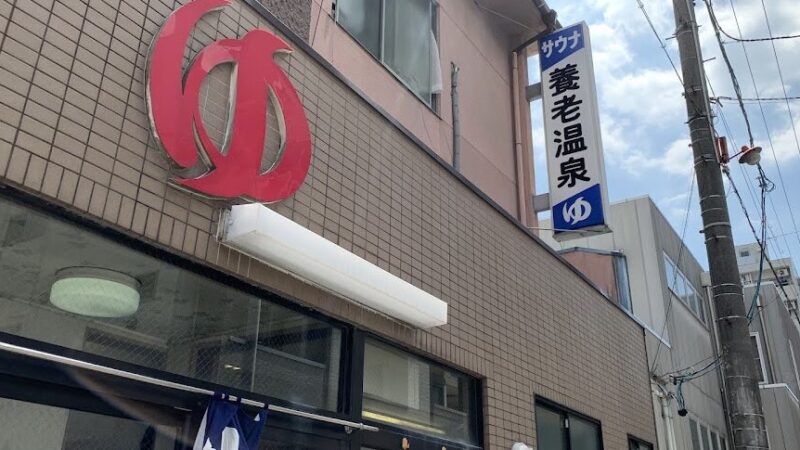
Q2: Are there public hot spring facilities in Kawayuonsen?
A: Yes, there is “Kawayuonsen Public Bath.” A communal bathhouse used by locals, admission is approximately 250 yen—very reasonable. Guests can enjoy authentic source flow hot spring casually. However, shampoo and soap must be brought.
Q3: Is sightseeing possible during winter?
A: Yes, possible. Winter Kawayuonsen is also appealing, offering snowy landscape contrasts with hot spring, white swan observation at Lake Kussharo, and winter Lake Mashu mystique. Diamond dust may be visible. However, preparation for road freezing and snowstorms is necessary. Car rental requires winter driving experience.
Q4: Can families with children enjoy the area?
A: Yes, family-friendly options exist. Iosan viewing and Lake Kussharo sand bath experiences appeal to children. However, due to strongly acidic spring quality, children’s bathing times should be shorter and rinsing with fresh water recommended afterward. Note that Iosan has sulfur gas; small children require caution.
Q5: Can pets stay at accommodations?
A: Some accommodations offer pet-friendly plans. However, acceptable pet types, sizes, additional fees vary by facility—confirm details during booking. Some attractions like Iosan discourage pet companionship.
Q6: Is English spoken?
A: Large hotels and inns typically offer basic English service; smaller inns and restaurants usually operate in Japanese only. Tourist information offices may provide English pamphlets. Translation apps are recommended.
Q7: How long does it take to Lake Akan and Shiretoko from Kawayuonsen?
A: Lake Akan takes approximately 1 hour by car; Shiretoko (Utoro) takes approximately 2 hours. Kawayuonsen serves as a base for touring multiple eastern Hokkaido destinations. Winter travel times may be longer due to road conditions.
Q8: What is the recommended length of stay?
A: Two to three nights are ideal to thoroughly enjoy Kawayuonsen and surroundings. One night, two days allows main attractions, though a leisurely hot spring vacation benefits from 2+ nights. Three to four days accommodates comprehensive eastern Hokkaido touring.
Conclusion: Experience Ultimate Hokkaido Travel at Kawayuonsen
Kawayuonsen is a hot spring resort offering the appeal of strongly acidic source flow bathing and excellent access to scenic Lake Mashu and Lake Kussharo. It serves as an ideal base for eastern Hokkaido tourism, providing simultaneous experiences of nature’s grandeur and hot spring’s soothing qualities.
Summary of Kawayuonsen’s Appeal:
- Among Japan’s top acidic hot springs with skin-beautifying effects
- Luxury of source flow bathing
- Scenic Lake Mashu and Lake Kussharo nearby
- Close views of Iosan’s impressive volcanic activity
- Seasonal natural beauty
- Hokkaido-specific gourmet cuisine
- Tranquil hot spring town atmosphere
Spring’s fresh green, summer’s refreshing climate, autumn’s foliage, and winter’s snowy landscape each offer distinct charms. Autumn foliage season especially combines hot spring and scenic beauty perfectly.
When planning Kawayuonsen travel, remember early accommodation reservation, season-appropriate clothing, and car rental arrangements. Fully savor eastern Hokkaido’s deep nature and hot spring blessings for thorough physical and mental refreshment.
Create unforgettable hot spring vacation memories experiencing Kawayuonsen’s accessible Hokkaido charm.