Kinosaki Onsen, Hyogo Prefecture Complete Guide | 1,300 Years of History and the Charm of the 7 Outdoor Bath Tour
Kinosaki Onsen, located in Kinosaki Town, Toyooka City, Hyogo Prefecture, is one of Japan’s foremost hot spring resorts with a history spanning over 1,300 years since its opening. Known as “the finest spring under heaven,” it is recognized alongside Arima Onsen and Yumura Onsen as one of Hyogo Prefecture’s representative hot springs. The landscape of willow trees and stone arched bridges spreading along the Otani River continues to captivate many tourists as a scenery symbolizing Japanese hot spring atmosphere.
This article introduces the charm of Kinosaki Onsen comprehensively, covering its history, the characteristics of the 7 outdoor baths, access methods, recommended accommodations, gourmet information, tourist attractions, and seasonal pleasures.
History and Origin of Kinosaki Onsen
Ancient Hot Spring with Over 1,300 Years of History
The history of Kinosaki Onsen is extremely old, with its origins tracing back to before the Nara period. According to the oldest records, approximately 1,400 years ago, the hot spring “Kono-no-Yu” was opened after discovering a stork healing its injured leg in the spring. This legend symbolizes the origins of Kinosaki Onsen, where nature and humans have coexisted.
In 717 (Yoro 1), it is said that the Buddhist priest Dochi Shonin opened “Mandara-Yu” after completing 1,000 days of ascetic practice. By the Heian period, it was already known as a hot spring resort, with nobility and Buddhist priests visiting for therapeutic bathing.
“The Finest Spring Under Heaven” and Prosperity in the Edo Period
During the Edo period, the Confucian scholar Shigetsugu Kagawa praised Kinosaki Onsen as “Kainai-daiichi-sen” (the finest spring within Japan), and its reputation spread nationwide. During this era, “Ichi-no-Yu” was developed, establishing the foundation for the hot spring town. Today, a stone monument with the inscription “Kainai-daiichi-sen” remains in the hot spring town, allowing visitors to feel the weight of this history.
A Hot Spring Resort Beloved by Literati
Kinosaki Onsen has been cherished by many literary figures. In particular, Naoya Shiga’s novel “At Kinosaki” is known as a work that made Kinosaki Onsen famous nationwide. Numerous other writers, including Fujio Shimazaki and Ryotaro Shiba, have visited this place and made it the setting for their works. As a hot spring resort rich in literary atmosphere, it continues to attract many literature enthusiasts today.
The 7 Outdoor Baths of Kinosaki Onsen
The greatest charm of Kinosaki Onsen is the “outdoor bath tour,” visiting the 7 outdoor baths (public bathhouses) scattered throughout the hot spring town. Each outdoor bath has its own unique character and therapeutic properties, and the essence of Kinosaki Onsen is experiencing a leisurely stroll in a yukata and wooden clogs, listening to their distinctive clacking sounds.
Sato-no-Yu
The outdoor bath closest to Kinosaki Onsen Station, this relatively new facility opened in 2000. It features both Japanese and Western-style public baths, each equipped with an open-air bath and sauna. The rooftop outdoor observation bath particularly offers exceptional views overlooking the Kinosaki town streets. Located approximately a 5-minute walk from the station, it allows for easy access to hot spring bathing immediately upon arrival.
Operating Hours: 7:00 AM–11:00 PM (last admission 10:30 PM)
Closed: Mondays (or the following day if a national holiday)
Benefits: Neuralgia, muscle pain, joint pain, fatigue recovery
Jizo-Yu
Known as the hot spring for “household peace” and “memorial services for deceased children,” this bath is named for the six Jizo statues enshrined there and is cherished by local residents. Despite its compact size, the bathhouse offers a calm atmosphere where one can enjoy the hot spring in a relaxed manner.
Operating Hours: 7:00 AM–11:00 PM (last admission 10:30 PM)
Closed: Fridays (open if a national holiday)
Benefits: Neuralgia, muscle pain, joint pain, coldness
Yanagi-Yu
This outdoor bath is characterized by a garden-style bath inspired by the famous Chinese scenic spot “West Lake.” Known as the “bath for conception,” it is popular among couples wishing for children. Located in the center of the hot spring town, it offers the picturesque experience of bathing while viewing the willow trees lining the Otani River.
Operating Hours: 3:00 PM–11:00 PM (last admission 10:30 PM)
Closed: Thursdays (open if a national holiday)
Benefits: Neuralgia, muscle pain, joint pain, gynecological diseases
Ichi-no-Yu
The representative outdoor bath of Kinosaki Onsen, called “the finest under heaven” in the mid-Edo period. A cave bath is its distinctive feature, offering the unique experience of soaking in hot spring water inside a rock cavern. Known as the hot spring for “passing exams” and “traffic safety,” it attracts students praying for success and travelers seeking safe journeys.
Operating Hours: 7:00 AM–11:00 PM (last admission 10:30 PM)
Closed: Wednesdays (open if a national holiday)
Benefits: Neuralgia, muscle pain, joint pain, bruising
Gosho-no-Yu
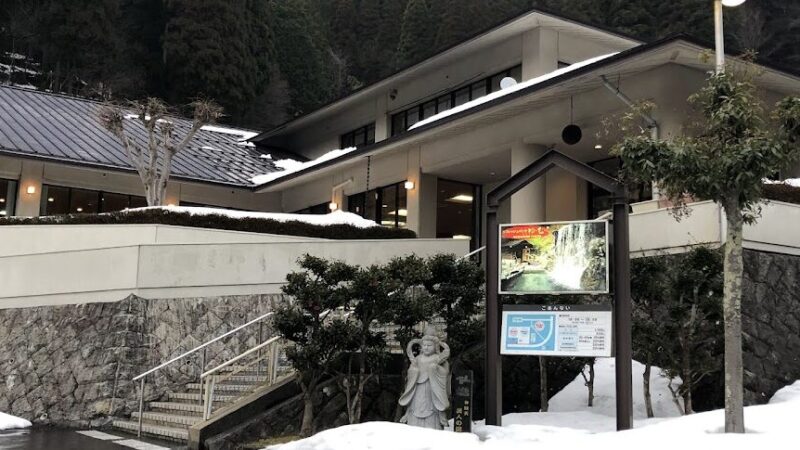
An outdoor bath with distinguished history, said to have been visited by Ankamon-in, the elder sister of Emperor Gofukakawa. The building exudes an elegant atmosphere reminiscent of the Imperial Palace in Kyoto, with a popular open-air bath featuring a waterfall. Known as the “beauty bath” and “fire prevention hot spring,” it is especially popular among female visitors seeking beautiful skin effects.
Operating Hours: 7:00 AM–11:00 PM (last admission 10:30 PM)
Closed: First and third Thursdays (open if a national holiday)
Benefits: Neuralgia, muscle pain, joint pain, beautiful skin
Mandara-Yu
One of the most historically significant outdoor baths in Kinosaki Onsen, believed to have been opened by Buddhist priest Dochi Shonin in 717. Known as the hot spring for “business prosperity” and “abundant harvest,” it features unique interior design inspired by mandala. Located in the center of the hot spring town, it is convenient to visit between shopping and dining.
Operating Hours: 3:00 PM–11:00 PM (last admission 10:30 PM)
Closed: Wednesdays (open if a national holiday)
Benefits: Neuralgia, muscle pain, joint pain, chronic digestive disorders
Kono-no-Yu
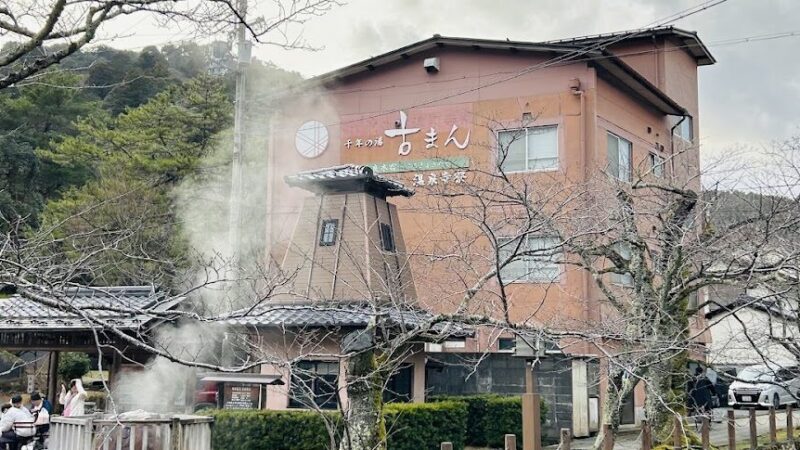
The oldest outdoor bath, considered the birthplace of Kinosaki Onsen. Named after the legend of a stork healing its wound, it is cherished as the hot spring for “marital harmony” and “eternal youth and longevity.” Located in a quiet area somewhat removed from the hot spring town, it allows for relaxed bathing while viewing the garden.
Operating Hours: 7:00 AM–11:00 PM (last admission 10:30 PM)
Closed: Tuesdays (open if a national holiday)
Benefits: Neuralgia, muscle pain, joint pain, fatigue recovery
Tips for Enjoying the Outdoor Bath Tour
Here are some points to maximize enjoyment of the outdoor bath tour.
Purchasing Bath Tickets: Lodging guests can purchase “Yume-pa” (outdoor bath tour tickets) at their inns. A day pass allows access to all outdoor baths. Day visitors can purchase bath tickets at each outdoor bath.
Yukata and Wooden Clogs: It is traditional to do the outdoor bath tour in yukata and wooden clogs at Kinosaki Onsen. Many inns offer the service of selecting from a variety of colorful yukatas.
Bringing a Towel: While towels are available for purchase at each outdoor bath, bringing one from your lodging is convenient.
Time Management: Visiting all 7 baths takes approximately 3–4 hours. Enjoy them at your own pace without rushing.
Confirming Closure Days: Since each outdoor bath has designated closure days, it is recommended to confirm this information in advance.
Access to Kinosaki Onsen
Access by Train
Train access to Kinosaki Onsen is convenient. JR Kinosaki Onsen Station serves as the gateway to the hot spring town.
From the Osaka area:
- Limited express “Kounotori” from JR Osaka Station: approximately 2 hours 50 minutes
- Limited express “Kounotori” from Shin-Osaka Station: approximately 2 hours 40 minutes
From the Kyoto area:
- Limited express “Kinosaki” from JR Kyoto Station: approximately 2 hours 30 minutes
- Via Fukuchiyama Line with transfer at Fukuchiyama Station
From the Kobe area:
- Limited express “Kounotori” from JR Sanomiya Station: approximately 2 hours 30 minutes
From the Himeji area:
- Via Bantan Line and Sanin Main Line from JR Himeji Station: approximately 2 hours 30 minutes to 3 hours
From Kinosaki Onsen Station to the hot spring town is approximately 10–15 minutes on foot. Most inns offer shuttle services from the station.
Access by Car
From the Osaka area:
- Chugoku Expressway → Maizuru-Wakasa Expressway → Kitakinki Toyooka Expressway “Tajima Airport IC” approximately 25 minutes
- Approximately 3 hours
From the Kyoto area:
- Kyoto縦貫 Expressway → Maizuru-Wakasa Expressway → Kitakinki Toyooka Expressway “Tajima Airport IC” approximately 25 minutes
- Approximately 2 hours 30 minutes
From the Kobe area:
- Bantan Liaison Road → Kitakinki Toyooka Expressway “Tajima Airport IC” approximately 25 minutes
- Approximately 2 hours 30 minutes
Each inn has its own parking lot, and public parking areas are available in the hot spring town. During peak seasons, congestion is common, so it is recommended to confirm with your inn in advance.
Access by Airplane
Tajima Airport (Kounotori Tajima Airport) is approximately 20 minutes away by car. Two flights daily operate from Itami Airport. Rental cars, taxis, and buses are available from Tajima Airport.
Recommended Accommodations at Kinosaki Onsen
Kinosaki Onsen has various types of inns, each with its own characteristics.
Historic Ryokan
Nishimuraya Honkan: A long-established ryokan with over 160 years of history. Its appeal lies in its Japanese gardens and refined hospitality. Guest rooms are in pure Japanese style, and guests can enjoy kaiseki cuisine prepared with local ingredients such as Tajima beef and matsuba crab.
Nishimuraya Hotel Shogetsutei: A luxury resort inn in the Nishimuraya group. Located on expansive grounds of 50,000 tsubo with a Japanese garden, it features modern guest rooms and large public baths.
Mikiya: Famous as the inn where Naoya Shiga stayed and wrote “At Kinosaki.” It allows guests to feel the history of literature and offers traditional hospitality.
Modern Ryokan
Miyama: A ryokan renovated with a Taisho-era romantic atmosphere while maintaining modern appeal. The stylish guest rooms are popular with younger visitors.
Kobayashi-ya: A luxury inn featuring all guest rooms with private open-air baths. Guests can enjoy hot springs in a private space.
Budget-Friendly Accommodations
Guest House Kinosaki Wakashiro: A guesthouse created from a renovated traditional house. Guests can enjoy Kinosaki Onsen at an affordable price.
Higashiyama-so: An inn where guests can enjoy the outdoor bath tour and strolling through the hot spring town at reasonable rates. It is characterized by a homey atmosphere.
Inn Selection Tips
Cuisine: Inns in Kinosaki Onsen offer cuisine featuring local ingredients such as matsuba crab in winter and Tajima beef year-round. Those prioritizing food should confirm the meal plans.
Guest Rooms: Various room types are available, including pure Japanese-style, Japanese-modern, and rooms with private open-air baths.
Location: Choose based on preference, whether you prefer the center of the hot spring town or a quieter location.
Budget: Accommodations with two meals included range from approximately 15,000 yen to 50,000 yen per night, offering a wide price range.
Gourmet in Kinosaki Onsen
Kinosaki Onsen offers delicious cuisine prepared with ingredients nurtured by Tajima’s rich nature.
Matsuba Crab
Matsuba crab is the signature winter gourmet of Kinosaki Onsen. From the opening of crab fishing on November 6 through March, fresh matsuba crab can be enjoyed. It can be prepared in various ways, including crab sashimi, grilled crab, crab hot pot, and crab paste. Many inns offer crab kaiseki dinner plans.
Tajima Beef
Tajima beef is the origin of Kobe beef, a premium Japanese wagyu. At Kinosaki Onsen, Tajima beef can be enjoyed in various forms, including steak, sukiyaki, and shabu-shabu. Several specialty Tajima beef restaurants in the hot spring town offer casual lunch and dinner options.
Seafood Cuisine
Facing the Sea of Japan, Kinosaki Onsen features fresh seafood. Various fish and shellfish can be enjoyed seasonally, including horse mackerel, squid, alfonsino, and capelin.
Hot Spring Town Gourmet Spots
Kinosaki Vinegar: Drinks and soft ice cream made with persimmon vinegar from local persimmons are popular.
Genbu-do: A café famous for “hot spring egg soft ice cream.”
Okesho Fresh Fish: A popular shop offering fresh seafood bowls and sushi.
Kinosaki Gelato Café Chaya: Gelato made from Tajima milk can be enjoyed here.
Mikuniya: A butcher shop famous for Tajima beef croquettes—ideal for eating while walking.
Local Sake
The Tajima region is home to excellent sake breweries. Local sake such as “Kozumitura” and “Kono-tomo” pair well with Kinosaki Onsen cuisine. Local sake can be enjoyed at sake shops and izakayas throughout the hot spring town.
Tourist Attractions around Kinosaki Onsen
Kinosaki Onsen Ropeway
A ropeway connecting the hot spring town to the summit of Daishi Mountain in approximately 7 minutes. From the mountain-top station, a panoramic view of the Kinosaki hot spring town, the Sea of Japan, and the Maruyama River unfolds. The summit station features Onsen Temple and an observation deck; the spring cherry blossoms and autumn foliage seasons offer particularly beautiful scenery.
Operating Hours: 9:10 AM–5:10 PM (varies by season)
Admission: Round trip: adults 900 yen, children 450 yen
Onsen Temple
A temple with a history exceeding 1,300 years, serving as the guardian temple of Kinosaki Onsen. It enshrines the founder of the hot spring, Buddhist priest Dochi Shonin, and houses the Eleven-Faced Kannon Bodhisattva in its main hall. Located approximately a 5-minute walk from the ropeway mountain-top station.
Literary Arts Museum
A facility exhibiting materials related to literary figures and artists connected to Kinosaki Onsen. Original manuscripts of Naoya Shiga’s “At Kinosaki” and works and letters from many writers including Fujio Shimazaki and Ryotaro Shiba are displayed. A must-see spot for literature enthusiasts.
Kinosaki Straw Handicraft Transmission Museum
A facility displaying and offering experiences of kinosaki straw handicrafts, a traditional craft of Kinosaki Onsen. This handicraft tradition dates to the Edo period and is characterized by beautiful work made from straw. An experience classroom allows visitors to create their own unique works.
Otani River Riverside Stroll
Strolling along the Otani River, which flows through the center of the hot spring town, is the essence of Kinosaki Onsen sightseeing. The willow trees and stone arched bridges along with inns and souvenir shops lining the riverside create a hot spring atmosphere. At dusk, as lights are lit, the area becomes wrapped in a mystical ambiance.
Kounotori Tajima Airport Park
A park located approximately 20 minutes by car from Kinosaki Onsen. Adjacent to Tajima Airport, it allows close viewing of aircraft takeoffs and landings. With extensive grass fields and play equipment, it is popular with families.
The Four Seasons of Kinosaki Onsen
Spring (March to May)
Spring is a beautiful season for cherry blossoms in Kinosaki Onsen. Cherry blossoms bloom in profusion along the Otani River and around Onsen Temple, and the entire hot spring town is enveloped in a cheerful atmosphere. Peak bloom is early April, with evening illumination also held. Spring is also a season to enjoy spring seafood such as flounder and turban shell.
Summer (June to August)
From late July through August, “Yume-Hanabi” (Dream Fireworks) are launched nightly at Kinosaki Onsen. The fireworks illuminating the summer night sky are a cherished summer tradition. Additionally, various events are held in August as part of “Kinosaki Onsen Summer Story.” Summer also allows for beach swimming; Takeno Hama Beach is approximately 20 minutes by car.
Autumn (September to November)
Autumn is a season of beautiful autumn foliage. The foliage at Onsen Temple and Daishi Mountain is spectacular, and the views of autumn leaves from the ropeway are breathtaking. The peak season is from late October through mid-November. Additionally, with the opening of crab fishing on November 6, the matsuba crab season begins.
Winter (December to February)
Winter at Kinosaki Onsen is the busiest season, coinciding with the matsuba crab season. The snow-covered hot spring town has a picturesque quality, and the outdoor bath tour becomes even more enjoyable. The warmth of the hot spring is particularly felt in the cold winter. From January through February, various events are held as part of “Crab Kingdom.”
Tourist Attractions around Kinosaki Onsen
Genbu-do Park
Located approximately 10 minutes by car from Kinosaki Onsen, this is a designated National Natural Monument. Columnar jointing formed by volcanic activity approximately 1.6 million years ago is magnificent, with hexagonal basalt columns arranged in regular patterns. The park consists of five caves: Genbu, Seiryu, Byakko, Nan-Suzaku, and Kita-Suzaku caves, with established walking courses.
Izushi Castle Town
Located approximately 40 minutes by car from Kinosaki Onsen, this “little Kyoto of Tajima” retains the appearance of an Edo-period castle town. The townscape is beautiful, with tourist attractions including Izushi Castle ruins and Tatsutoku Tower. Izushi soba is also famous as a representative Tajima gourmet.
Kounotori’s Sato Park
A facility dedicated to the protection and breeding of the Oriental stork, a designated Special National Natural Treasure. Visitors can observe wild-release storks, and exhibition facilities provide information on stork ecology. Located approximately 20 minutes by car from Kinosaki Onsen.
Takeno Coast
Located approximately 20 minutes by car from Kinosaki Onsen, this beautiful coastline features transparent water and white sandy beaches. Summer offers ocean swimming, and other seasons allow coastal walks. It has been selected as one of Japan’s 100 Finest Beaches.
Kannabe Highlands
A highland resort located approximately 40 minutes by car from Kinosaki Onsen. Winter offers skiing, while summer provides outdoor activities such as paragliding and camping.
Model Courses for Kinosaki Onsen
Day-Trip Course (6 hours)
10:00 AM Arrival at Kinosaki Onsen Station, luggage stored in coin locker
10:30 AM First outdoor bath experience at “Sato-no-Yu”
11:30 AM Hot spring town sightseeing, walk along Otani River
12:30 PM Lunch (Tajima beef steak or seafood rice bowl)
1:30 PM Take Kinosaki Onsen Ropeway to mountain top
2:30 PM Visit Onsen Temple
3:00 PM Descent and bathing at “Gosho-no-Yu” or “Ichi-no-Yu”
4:00 PM Souvenir shopping, café time in hot spring town
5:00 PM Depart from Kinosaki Onsen Station
1 Night 2 Day Course
Day 1
2:00 PM Arrival at Kinosaki Onsen Station, inn check-in
3:00 PM Change into yukata and begin outdoor bath tour (Sato-no-Yu, Jizo-Yu)
5:00 PM Hot spring town sightseeing, souvenir shop visits
6:00 PM Dinner at inn (crab kaiseki or Tajima beef kaiseki)
8:00 PM Evening outdoor bath tour (Yanagi-Yu, Ichi-no-Yu)
9:30 PM Sleep at inn
Day 2
7:00 AM Morning outdoor bath tour (Gosho-no-Yu, Mandara-Yu)
8:30 AM Breakfast at inn
10:00 AM Check-out
10:30 AM Kinosaki Onsen Ropeway
11:30 AM Visit Literary Arts Museum or Straw Handicraft Transmission Museum
12:30 PM Lunch
1:30 PM Final outdoor bath “Kono-no-Yu”
3:00 PM Depart from Kinosaki Onsen Station
2 Night 3 Day Course
Adds sightseeing of surrounding areas to the 1 night 2 day course.
Day 2 Afternoon Sightseeing at Genbu-do Park, Kounotori’s Sato Park
Day 3 Morning Enjoy Izushi soba in Izushi Castle Town
Alternatively, a plan enjoying activities at Takeno Coast or Kannabe Highlands is also recommended.
Hot Spring Quality and Benefits of Kinosaki Onsen
The hot spring quality of Kinosaki Onsen is “Sodium-Calcium Chloride Hot Spring.” It is colorless and transparent with a slight salty taste. The source water temperature ranges from approximately 37 to 83 degrees Celsius and is adjusted to suitable temperatures at each outdoor bath and inn.
Primary Benefits
- Neuralgia
- Muscle pain
- Joint pain
- Frozen shoulder
- Motor paralysis
- Joint stiffness
- Bruising
- Sprains
- Chronic digestive disorders
- Hemorrhoids
- Coldness
- Post-illness recovery
- Fatigue recovery
- Health promotion
- Cuts
- Burns
- Chronic skin disease
- Developmental disorders in children
- Chronic gynecological disease
Chloride hot springs are characterized by high heat retention effects, keeping the body warm even after bathing. Additionally, salt deposits on the skin suppress sweating, reducing heat loss after bathing.
Tips for Enjoying Kinosaki Onsen
Enjoy the Outdoor Bath Tour in Yukata
The greatest charm of Kinosaki Onsen is the “leisurely stroll” through the hot spring town in yukata and wooden clogs. Many inns offer the service of selecting from a variety of colorful yukatas, allowing visitors to choose their preferred yukata for the outdoor bath tour. Walking while listening to the distinctive clacking of wooden clogs on the pavement is a uniquely Kinosaki Onsen experience.
Hot Spring Town Stroll at Twilight
Twilight is a particularly beautiful time in Kinosaki Onsen. As lights illuminate the willow trees lining the Otani River and the inns, the area becomes wrapped in a magical atmosphere. The outdoor bath tour during this time period is also recommended.
Early Morning Quiet Hot Spring Town
Early morning at Kinosaki Onsen is quiet and offers a different charm. Some outdoor baths open from 7 AM, making early morning bathing possible. A morning hot spring in the clear, fresh morning air is exceptional.
Walking Food
The hot spring town has abundant walking food. Tajima beef croquettes, hot spring egg soft ice cream, crab buns, and gelato can all be enjoyed between outdoor baths.
Souvenir Shopping
Kinosaki Onsen souvenirs include local sake, crab crackers, straw handicrafts, and hot spring sweets. Many souvenir shops line the hot spring town, and exploring while shopping for souvenirs is enjoyable.
Precautions When Visiting Kinosaki Onsen
Peak Season Reservations
Winter crab season (November through March), Golden Week, Obon, and autumn foliage season (November) are extremely crowded. Weekend and holiday bookings especially require advance reservations. Booking several months in advance is recommended.
Outdoor Bath Closure Days
Each outdoor bath has designated closure days. Confirm this information on the Kinosaki Onsen Tourism Association website before visiting. Temporary closures for maintenance may also occur.
Clothing
Yukata and wooden clogs are standard for the outdoor bath tour, but winter is cold, so bring an overcoat. Many inns lend hanten (short jackets). On rainy days, wooden clogs are difficult to walk in, so bringing shoes is convenient.
Luggage
When doing the outdoor bath tour, one must carry valuables and change of clothes. A small bag or backpack is useful. Towels can be brought from your inn or purchased at each outdoor bath.
Parking
When visiting by car, the hot spring town has narrow roads and many one-way streets, so using the inn’s parking lot is standard. Day visitors should use public parking areas, but parking may be full during peak seasons, so arriving early is recommended.
Conclusion
Kinosaki Onsen in Toyooka City, Hyogo Prefecture, is one of Japan’s foremost hot spring resorts with a history spanning over 1,300 years since its opening. The outdoor bath tour of seven springs, leisurely strolls in yukata, the picturesque scenery of the Otani River, gourmet experiences such as matsuba crab and Tajima beef, and the warm-hearted hospitality continue to captivate visitors.
A famous hot spring once called “the finest spring under heaven,” cherished by such literary figures as Naoya Shiga, this literary-rich hot spring town attracts many literature enthusiasts. With distinctive beauty in each of the four seasons, new discoveries await with each visit.
Whether visiting for a day or staying overnight, Kinosaki Onsen can be enjoyed fully. Why not stroll through the hot spring town while listening to the distinctive clacking of wooden clogs, savoring leisurely, flowing time? Special moments awaiting to soothe both body and mind, away from everyday hustle and bustle, are waiting for you at Kinosaki Onsen.