
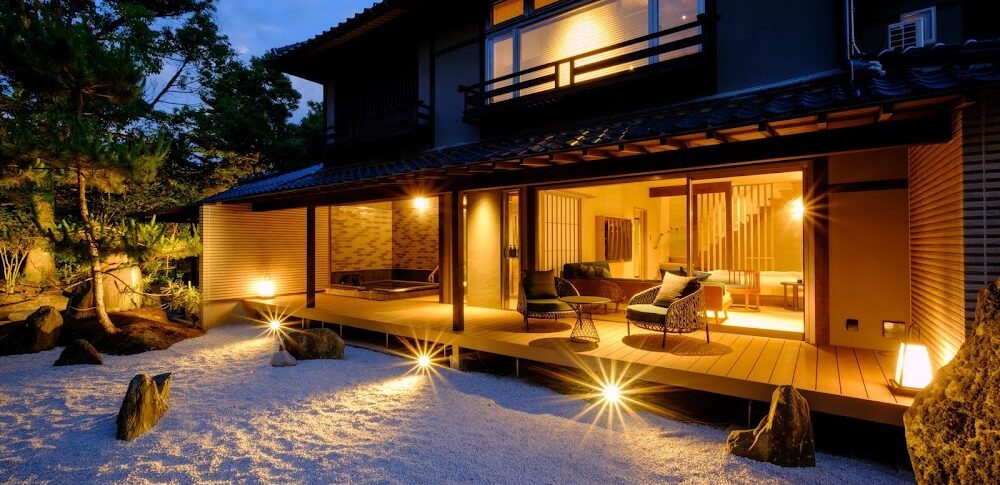
Misasa Onsen, Tottori Prefecture Complete Guide|The World-Class Radon Spring and Charm of a Historic Hot Spring Spa Town
What is Misasa Onsen? Tottori Prefecture’s World-Class Radioactive Spring
Misasa Onsen (三朝温泉) is a hot spring resort located in Misasa Town, East Hoki District, Tottori Prefecture, with a history spanning over 850 years. Ryokans line the banks of the clear Mitoku River, preserving the atmosphere of a hot spring town reminiscent of Japan’s original landscape.
The name “Misasa” derives from a legend that says “if you greet three mornings here, any illness will be cured.” Since ancient times, it has been a therapeutic hot spring destination attracting many visitors from across the nation. Today, it has become one of Tottori Prefecture’s representative hot springs, welcoming approximately 400,000 tourists annually.
The greatest characteristic of Misasa Onsen is that it is a radioactive spring containing radon at levels among the world’s highest concentrations. The “hormesis effect” brought about by this radon spring is expected to improve immune function and activate the body’s natural healing ability, making it known as an ideal hot spring destination for therapeutic stays and health promotion.
History and Legend of Misasa Onsen’s Discovery
Discovery by the Retainer of Minamoto no Yoshitomo
The discovery of Misasa Onsen is associated with a legend relating to Minamoto no Yoshitomo, a military commander from the late Heian period. According to tradition, when one of Yoshitomo’s retainers visited Mitoku Mountain for worship, he was guided by a white wolf to discover the hot spring. This white wolf was actually the manifestation of Myoken Bodhisattva, and the retainer is said to have enshrined Myoken Bodhisattva in gratitude for the hot spring’s efficacy.
Over 850 Years of Bathing Tradition
The official opening of the spring is said to have occurred in 1164 (the second year of Chokuan), and it has soothed the body and mind of people for over 850 years since. During the Edo period, it flourished as a hot spring spa for the Tottori Domain, and after the Meiji period, it developed as a hot spring destination attracting spa-goers from across the nation.
Particularly from the Taisho through early Showa periods, the efficacy of the radon spring began to receive scientific attention, and the number of people staying long-term for therapeutic purposes increased. Today, it remains one of the few hot spring destinations where bathing culture persists, with multiple ryokans offering traditional hot spring accommodations and spa treatment plans.
World-Class Radon Spring|Misasa Onsen’s Spring Quality and Benefits
Radioactive Spring with High Radon Concentration
Misasa Onsen’s spring quality is classified as sodium chloride spring, radioactive spring. Its greatest characteristic is the extremely high content of radon (Rn), boasting levels that rank among the world’s finest.
Radon is a colorless, odorless gas produced when radium decomposes, emitting weak radiation. The amount of radon contained in one liter of spring water at Misasa Onsen reaches a maximum of 683.3 Mache (a German unit of radioactivity), which is an exceptionally high figure even when compared to radon springs of international fame such as Bad Gastein in Austria.
What is the Hormesis Effect?
One reason Misasa Onsen receives attention is the “hormesis effect.” The hormesis effect refers to a phenomenon wherein substances harmful at high concentrations can produce beneficial effects on living organisms when present in low concentrations or trace amounts.
By exposing the body to trace amounts of radiation (radon) contained in hot spring water, the following effects are expected:
- Activation of Metabolism: Cell function is stimulated, promoting metabolic activity
- Enhancement of Immune Function: The body’s immune functions are activated, increasing resistance to illness
- Strengthening of Natural Healing Power: The body’s inherent healing ability is drawn out
- Antioxidant Action: The activity of enzymes that eliminate active oxygen becomes more active
“Good for Soaking, Good for Inhaling, Good for Drinking”—Misasa’s Three Waters
Misasa Onsen is called “good for soaking, good for inhaling, good for drinking,” referring to three methods of enjoying the spring.
Good for Soaking: By bathing in the hot spring, radon is absorbed through the skin, providing effects such as improved circulation and relief of muscle pain.
Good for Inhaling: Steam rising from the hot spring contains vaporized radon, which is taken into the body through the lungs by breathing. This allows for effects on the respiratory system.
Good for Drinking: Drinking springs are established at Misasa Onsen, and consuming the spring water provides expected benefits to the digestive system. However, it is important to observe appropriate quantities when drinking.
Main Benefits
The following symptoms are expected to benefit from Misasa Onsen’s therapeutic properties:
- Rheumatic diseases
- Gout
- Hypertension
- Arteriosclerosis
- Diabetes
- Chronic skin diseases
- Chronic gynecological conditions
- Neuralgia
- Muscle pain
- Joint pain
- Cold sensitivity
- Fatigue recovery
Due to these benefits, people from across the nation visit for treatment and recuperation, and many pursue extended spa treatments.
Major Hot Spring Inns and Ryokans of Misasa Onsen
Misasa Onsen features various types of accommodations, from large ryokans to small spa treatment inns. Here we introduce representative ryokans.
Misasakan
One of the representative large ryokans of Misasa Onsen. It possesses three private hot spring sources on its grounds and boasts the highest water volume in Misasa. Its pride is a thousand-tsubo expansive garden open-air bath, where one can luxuriously enjoy natural hot spring water flowing directly from the source. Multiple bathing areas are arranged, allowing one to enjoy hot spring hopping within the inn.
Iyasanro Iwasaki
An established ryakan founded in 1920 (Taisho 9), with over 100 years of history. It is equipped with twelve large and small public baths and open-air baths of varying character, as well as a radium steam bath (mist sauna), making it the most abundantly equipped hot spring facility in Misasa Onsen. It is an inn where one can feel the history and tradition of Misasa Onsen, recognized as a Japanese Heritage site.
Seiryusou (Yamaza Rotenburo Seiryusou)
A hot spring inn that operates on the concept of “competing only on the quality of hot spring water,” with two private hot spring sources. The open-air bath listening to the murmur of the Mitoku River is popular, and spa treatment plans are well-developed. Particularly recommended for those prioritizing hot spring quality.
Keisenkaku
A public inn operated by the Tottori Prefecture Municipal Employees’ Mutual Aid Association, where one can enjoy Misasa Onsen at reasonable rates. It provides high-concentration radon springs sourced and flowing directly, earning popularity as an inn with excellent cost performance.
Misasa Onsen Tougonkan
A hot spring inn where one can enjoy 100% natural hot spring water sourced directly. Located near Mitoku Mountain, a Japanese Heritage site, it is also conveniently positioned as a tourism base. While maintaining the atmosphere of a traditional spa town, it offers comfortable amenities for one’s stay.
Ryokan Oohashi
An established rykan positioned at the base of Misasa Bridge in the center of Misasa Onsen. With convenient access for exploring the hot spring town, one can experience the atmosphere of a traditional Japanese inn.
Other Accommodations
- Chikuma Ryokan
- Yugoku Resort Saiki Bessou
- Okegaya Ryokan
- Misasa Onsen Yakushi no Yu Bansuirou
- Misasa Onsen Kouraku
- Historic Good Hot Spring Inn Kiya Ryokan
And many other diverse accommodations are available, allowing selection according to budget and purpose.
Day-Trip Hot Spring and Public Bath Information
Hot spring facilities and public baths allowing enjoyment of Misasa Onsen without overnight accommodation are also well-equipped.
Kabyu (Kabu Bath)
A public bathhouse often called a symbol of Misasa Onsen. Positioned at the base of Misasa Bridge in the center of the hot spring town, it features high-temperature water flowing directly from the source, and is loved by local residents as a shared bath. Admission fees are extremely reasonable, allowing easy experience of Misasa’s waters.
Kawara Bath
An open-air bath constructed on the banks of the Mitoku River. Available 24 hours free of charge, it allows bathing while listening to the river’s murmur and is a popular spot. However, as it is a mixed bath with no changing area, swimwear is recommended.
Day-Trip Bathing at Various Ryokans
Many ryokans offer day-trip bathing plans. Advance reservation may be necessary in some cases, and it is recommended to call ahead before visiting. Some ryokans offer plans combining day-trip bathing with lunch.
Tourist Spots Around Misasa Onsen
Mitoku Mountain Sanbutsuji Nioujidou (National Treasure)
A national treasure recognized as a Japanese Heritage site, located approximately 10 minutes by car from Misasa Onsen. The Nioujidou, built on steep cliff faces at an altitude of 900 meters, employs construction methods whose secrets remain mysterious to this day, and is also called “Japan’s Most Dangerous National Treasure.”
Visiting the temple requires climbing challenging mountain paths, and mountaineering equipment is necessary. However, its mystical appearance is well worth viewing.
Misasa Onsen Town Stroll
The hot spring town centered on Misasa Bridge is a strolling destination where old-fashioned atmosphere remains. The hot spring town features scattered souvenir shops, cafes, and restaurants where one can enjoy a leisurely walk.
Kajika Bridge and Koitani Bridge
Bridges spanning the Misasa hot spring town, with Koitani Bridge in particular known as the “Bridge of Love.” The bridge’s handrails have spaces for hanging prayer plaques, attracting couples and those wishing for romantic fulfillment.
Misasa Violin Museum
A museum displaying valuable violins from around the world. Concerts are held regularly and is recommended for music enthusiasts.
Curie Square and Radium Square
Small squares in the hot spring town where, in reference to radon hot springs, stands a monument introducing the achievements of Madame Curie. A drinking spring is also installed where one can enjoy Misasa’s waters.
Kurayoshi White Wall Storehouse District
A tourist spot in Kurayoshi city approximately 20 minutes by car from Misasa Onsen. With white-walled storehouses from the Edo and Meiji periods standing in rows, one can enjoy a retro atmosphere.
Tottori Sand Dunes
Located approximately one hour by car from Misasa Onsen, these are Japan’s largest sand dunes. Many tourists combine a visit to Misasa Onsen with exploring these dunes, making it a representative tourist destination in Tottori Prefecture.
Access Methods to Misasa Onsen
Access by Train
When Using JR:
- Get off at “Kurayoshi Station” on the JR Sanin Main Line
- Approximately 20 minutes by bus from Kurayoshi Station
- Board a Nihon Kotsu bus heading to “Misasa Onsen”
Travel Time from Major Cities:
- From Osaka: Approximately 2 hours 30 minutes to Kurayoshi Station via Limited Express Super Hakuto
- From Kyoto: Approximately 3 hours to Kurayoshi Station via Limited Express Super Hakuto
- From Okayama: Approximately 2 hours to Kurayoshi Station via Limited Express Yakumo
Access by Car
Using Expressways:
- Approximately 1 hour from Inshoji IC on the Chugoku Expressway via National Route 179
- Approximately 50 minutes from Yubara IC on the Yonago Expressway via National Route 313
Distance from Major Cities:
- From Osaka: Approximately 200 km (approximately 3 hours 30 minutes)
- From Okayama: Approximately 120 km (approximately 2 hours)
- From Hiroshima: Approximately 180 km (approximately 3 hours)
Access by Airplane
Using Tottori Airport:
- Approximately 1 hour by car from Tottori Airport
- Alternatively, airport shuttle bus via Kurayoshi Station is available
Using Yonago Airport:
- Approximately 1 hour 20 minutes by car from Yonago Airport
Shuttle Service
Many ryokans offer complimentary shuttle service from Kurayoshi Station. Advance reservation is often necessary, so it is recommended to confirm when making your accommodation reservation.
How to Spend Time at Misasa Onsen—Model Plans
One Night, Two Days Plan
Day 1:
- 14:00 Check-in at ryokan
- 15:00 Hot spring bathing (arrival bath)
- 17:00 Stroll through the hot spring town, experience Kabyu and Kawara baths
- 18:00 Dinner (enjoying Tottori’s seafood and mountain delicacies)
- 20:00 Evening hot spring bathing
- 21:00 Enjoy the hot spring town’s nighttime scenery after bathing
Day 2:
- 6:00 Morning bath
- 8:00 Breakfast
- 10:00 Check-out
- 10:30 Visit Mitoku Mountain Sanbutsuji Nioujidou (approximately 3 hours for worship)
- 14:00 Stroll through Kurayoshi white wall storehouse district
- 16:00 Depart for home
Two Nights, Three Days Spa Treatment Plan
Day 1:
- Check-in and slowly enjoy hot spring bathing
- Take brief baths multiple times to acclimate the body
Day 2:
- Bathe three or more times throughout the day—morning, noon, and evening
- Include drinking spring water
- Light exercise through hot spring town exploration
- Early bedtime for body rest
Day 3:
- Morning bath for refreshment
- Local sightseeing after check-out
For spa treatment, stays of three nights or longer are said to produce better results. Many ryokans offer spa treatment plans, and consecutive night discounts may apply.
Events and Festivals at Misasa Onsen
Misasa Onsen Hanayu Festival
Held in May each year, this is Misasa Onsen’s largest event. A traditional festival expressing gratitude for the hot spring and praying for good health and wellness, featuring various activities including the hot spring blessing ritual and flower bath parade.
Misasa Onsen Summer Festival
Held in August, this summer tradition offers fireworks displays, bon dances, and street stalls, drawing many tourists.
Curie Festival
Held in October, this festival honors Madame Curie, discoverer of radon. It has established itself as an event for reconsidering the value of Misasa Onsen’s radon spring.
Tottori Cuisine Enjoyed at Misasa Onsen
Matsuba Crab
A winter delicacy representing Tottori. The fishing season runs from November to March, and Misasa Onsen ryokans offer dishes using fresh matsuba crab. One can enjoy it in various preparations including crab sashimi, grilled crab, and crab hot pot.
Tottori Beef
A premium beef representing Tottori Prefecture, characterized by fine marbling and tender meat quality. Often served as steak or sukiyaki, it is the highlight of kaiseki dinner courses at hot spring ryokans.
Rock Oysters
A summer delicacy from Tottori’s sea bounty, rock oysters are characterized by their large size and creamy flavor. They can be enjoyed raw or grilled.
Twentieth Century Pears
The Twentieth Century pear, a specialty of Tottori Prefecture, is characterized by its juicy, refreshing sweetness. Abundant sweets and souvenirs made with pears are available.
Local Sake
Tottori Prefecture has many sake breweries producing high-quality sake. One can enjoy local sake at Misasa Onsen ryokans, where the pairing of hot spring and Japanese sake is exceptional.
Methods for Booking Accommodations at Misasa Onsen
Utilizing Reservation Sites
Major accommodation reservation sites allow searching and booking Misasa Onsen ryokans:
- Jalan.net
- Rakuten Travel
- Ikyu.com
- Yahoo! Travel
These sites allow plan comparison, review confirmation, and point utilization, often enabling advantageous bookings.
Direct Reservation from Ryokan Official Websites
Booking directly from each ryokan’s official website may offer official website-exclusive plans and benefits. Additionally, phone reservations allow easier communication of detailed requests.
Points to Confirm When Reserving
- Check-in and check-out times
- Availability and reservation method for shuttle service
- Meal content (allergy accommodations, etc.)
- Room type (Japanese-style, Western-style, rooms with private baths, etc.)
- Cancellation policy
- Whether day-trip bathing is available
Precautions When Visiting Misasa Onsen
Notes on Bathing
- Bathing Frequency: Two to three baths daily are recommended to obtain radon spring benefits, but avoid overly long soaks
- Bathing Duration: Approximately 10 to 15 minutes per bath is the recommended duration
- Hydration: Ensure sufficient water intake before and after bathing
- Drinking Spring Water: At drinking spring locations, approximately one to two cups is an appropriate quantity
Precautions for Visiting Mitoku Mountain Nioujidou
- Clothing and shoes suitable for mountaineering are essential (sandals and high heels are not permitted)
- Mountain entry may be restricted during rainy weather or winter
- Those without confidence in stamina should not overexert themselves
Best Seasons
Misasa Onsen can be enjoyed year-round, but particularly recommended times are:
- Spring (April-May): New greenery is beautiful, and the Hanayu Festival is held
- Autumn (October-November): Autumn foliage is at its best, and matsuba crab fishing season begins
- Winter (December-February): Crab cuisine is at its peak, and snow-viewing baths can be enjoyed
Conclusion: Refresh Body and Mind at Misasa Onsen
Misasa Onsen is Tottori Prefecture’s representative hot spring destination, boasting world-class high-concentration radon spring and over 850 years of history. Known as “good for soaking, good for inhaling, good for drinking,” Misasa’s waters are expected to enhance immune function and activate natural healing ability through hormesis effect, making it ideal for spa treatment and health promotion.
From established ryokans such as Misasakan and Iyasanro Iwasaki to affordable spa treatment inns, diverse accommodations suit various budgets and purposes. Additionally, external baths such as Kabyu and Kawara bath, as well as abundant day-trip bathing plans, make casual visits possible.
Nearby, attractions such as the national treasure Mitoku Mountain Nioujidou and Kurayoshi white wall storehouse district are scattered throughout, allowing enjoyment of enriching travel combining hot springs and sightseeing. Dishes utilizing local ingredients such as Tottori beef and matsuba crab represent another major attraction of Misasa Onsen.
Access is relatively convenient, with approximately 20 minutes by bus from JR Kurayoshi Station and approximately 2-3 hours by car from major cities. Many ryokans provide shuttle service, ensuring safe access by public transportation.
For those wishing to soothe daily fatigue and refresh body and mind, those seeking to experience authentic spa treatment, or those wishing to enjoy the atmosphere of a historically significant hot spring town, Misasa Onsen is an ideal destination. Please experience firsthand the health benefits provided by the world-class radon spring.

