Complete Guide to Mizunashi Kaihin Onsen: A Thorough Explanation of Hakodates Secret Open-Air Hot Spring in Hokkaido
What is Mizunashi Kaihin Onsen?
Mizunashi Kaihin Onsen (水無海浜温泉) is an exceptionally rare open-air hot spring on the coastline located in the Todohokke district of Hakodate City, Hokkaido. Positioned on the eastern slope of the active volcano Mount Esan, facing the Pacific Ocean, the hot spring is heated by volcanic activity and emerges from cracks in the rocks along the coast.
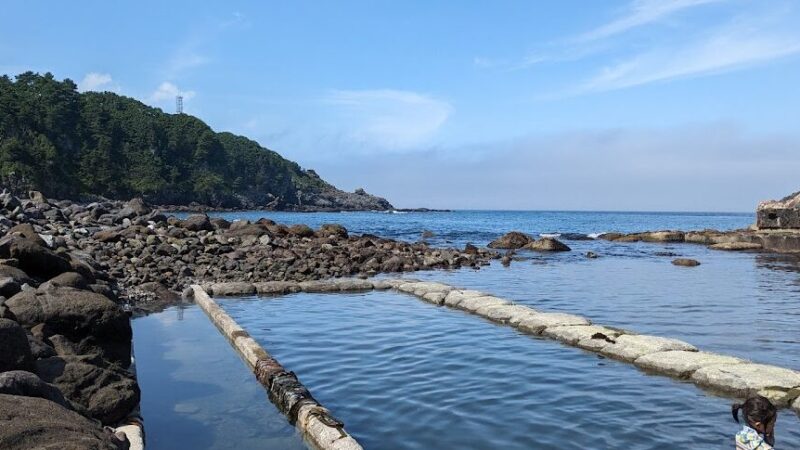
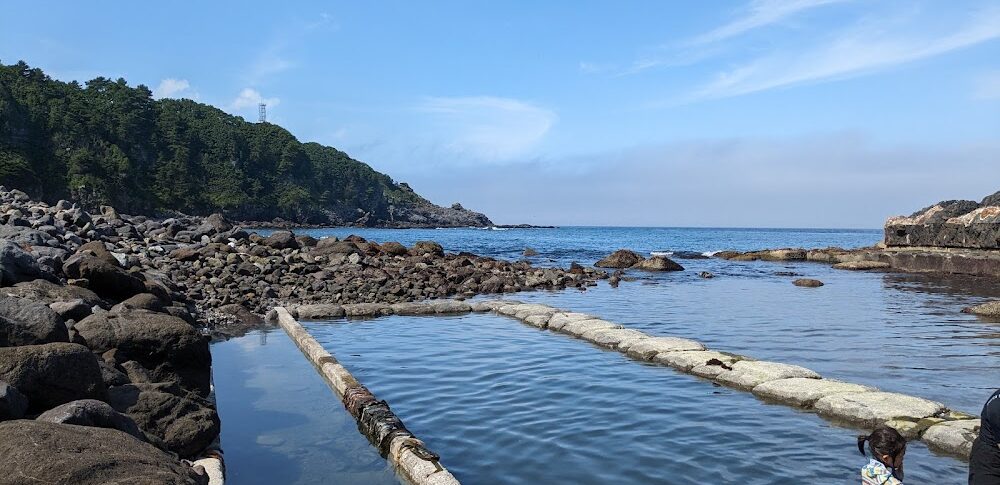
The most distinctive feature of this hot spring is that the bathing pool is integrated with the sea itself. The hot spring wells up from beneath the tub at foot level, mixing with seawater to reach a comfortable temperature. At high tide, the pool becomes completely submerged, making bathing possible only during the two low-tide periods per day—a wild and natural hot spring experience dictated by natural conditions.
Located about one hour by car from Hakodate city center, positioned just below the Esan Cape Lighthouse, this spectacular location offers free bathing and enjoys high popularity among hot spring enthusiasts and secret hot spring fans alike.
History and Origins of Mizunashi Kaihin Onsen
The history of Mizunashi Kaihin Onsen is deeply intertwined with the geothermal activity of Mount Esan. An active volcano still in operation today, Esan’s geothermal heat extends to the coastline, where it emerges as hot spring water from cracks in the rocks.
While known locally for a long time, the hot spring was developed as a tourist destination relatively recently. Today, it is officially managed by Hakodate City, with information provided on bathing times and simple facilities such as changing areas installed.
The origin of the name “Mizunashi” (water-less) has several theories, but the most plausible explanation is that it derives from the fact that at high tide, the spring becomes submerged in the sea and appears “water-less.” This unique name aptly captures the exceptional nature of the hot spring.
Hot Spring Quality and Characteristics
Properties of the Source
Mizunashi Kaihin Onsen’s source exhibits a rare characteristic called “foot-level emergence,” with hot spring water welling up directly beneath the bathing pool. The water is heated by geothermal energy from Mount Esan’s interior, naturally emerging through fractures in the coastal rock strata.
Source temperature varies by location and season, but generally ranges from 60 to 70 degrees Celsius, making it too hot for direct bathing. However, when mixed with seawater, it reaches a comfortable temperature of approximately 40 to 42 degrees Celsius. This natural blending is the defining characteristic of Mizunashi Kaihin Onsen.
Detailed Hot Spring Quality
The hot spring is primarily composed of sodium chloride water, but accurate analysis is difficult due to seawater mixing. As a characteristic of chloride springs, they are known for high heat-retention effects, with the body continuing to warm even after bathing ends—a so-called “warming water.”
The mixture with seawater provides abundant minerals, and the salt deposits on the skin offer moisturizing benefits. The synergistic effects of seawater minerals and hot spring components are believed to promote fatigue recovery and improve circulation.
Health Benefits
As a typical chloride spring, the following effects are expected:
- Relief of neuralgia and muscle pain
- Improvement of joint pain and frozen shoulder
- Improvement of poor circulation
- Fatigue recovery
- Health promotion
- Cuts and burns (chronic stage)
- Chronic skin conditions
However, due to seawater mixing, salt may sting open wounds. Those with high blood pressure should be cautious about salt absorption.
Bathing Hours and Tidal Relationships
Effects of High and Low Tide
The most significant characteristic of Mizunashi Kaihin Onsen, and the most critical consideration when planning a visit, is the rising and falling of tides. At high tide, the bathing pool becomes completely submerged, making bathing impossible. Bathing is only possible for several hours around low tide.
Generally, bathing is possible from approximately two hours before low tide to about two hours after. However, this is merely a guideline, and the following conditions also influence bathing availability:
- Tide height (spring tide, neap tide, etc.)
- Wave height
- Wind direction and speed
- Increased water levels from rainfall
Optimal Bathing Conditions
In reality, even during low tide, if the tide recedes too much, the opposite problem occurs—with insufficient seawater, the hot spring temperature becomes excessively high, making bathing impossible. Optimal bathing conditions are as follows:
- 30 minutes to 1 hour around low tide
- Days with calm waves
- Clear or cloudy weather (dangerous during strong winds or storms)
- Days with appropriately low tide levels (spring tide low tide is ideal)
How to Confirm Bathing Hours
The official website of Hakodate City’s Todohokke Branch regularly updates and publishes bathing hours. We strongly recommend checking this site for the latest information before your visit.
Contact information:
- Hakodate City Todohokke Branch official website
- Phone: 0138-86-2111 (Todohokke Branch)
You can also consult tide tables. Tide information for the Hakodate area is available on the Japan Meteorological Agency website and various tide applications.
Access Methods
Access by Car
Car access is the most convenient way to reach Mizunashi Kaihin Onsen.
From Hakodate Station
- Travel time: Approximately 90 minutes (approximately 60 km)
- Route: National Route 278 toward Esan
- Parking: Free parking near Esan Cape Lighthouse (approximately 10 spaces)
From Hakodate Airport
- Travel time: Approximately 100 minutes (approximately 70 km)
- Route: Via National Route 278
While roads are generally well-maintained, caution is required for snow and ice in winter. Since the road runs along the coast, be careful during strong winds.
Access by Public Transportation
While public transportation access is possible, limited bus frequency makes advance planning essential.
Using Hakodate Bus
- Buses departing from Hakodate Station or Hakodate Terminal to “Todohokke Branch”
- Travel time: Approximately 110 to 140 minutes
- Get off at “Todohokke Branch,” then walk approximately 40 minutes (approximately 3 km)
- Note: Only approximately one bus per morning and evening, with very limited frequency
Bus schedules are available on the Hakodate Bus official website, but considering bathing availability times, same-day visits via public transportation are often difficult. If using public transportation, consider staying overnight in the Todohokke area.
Taxi Use
Taking a taxi from Hakodate Station costs approximately 15,000 to 20,000 yen one-way. With round-trip and waiting time included, costs become substantial, making shared rides among multiple people practical.
Walking Approach
From the parking area or Todohokke Branch bus stop, the hot spring requires a walking approach.
From Esan Cape Lighthouse Parking Area
- Distance: Approximately 500 meters
- Time required: Approximately 7 to 10 minutes
- Path: Uses a maintained coastal promenade
The promenade is well-maintained, though sections include rocky terrain. Wear non-slip footwear—wet rocks are particularly slippery and require careful attention.
Facility Information and Bathing Etiquette
Facility Overview
While Mizunashi Kaihin Onsen is a wild hot spring (natural/developed hot spring), it is managed by Hakodate City as a public hot spring with minimal facilities.
Facilities
- Simple changing rooms (separate for men and women)
- Bathing pool: Natural open-air bath made of arranged rocks
- Fee: Free
- Operating season: Year-round (weather and tide dependent)
Facilities not provided
- Showers, faucets
- Washing area
- Lockers (safeguard valuables yourself)
- Lighting (night bathing not possible)
- Restrooms (nearest facilities near Esan Cape Lighthouse)
Bathing Style and Co-ed Bathing
Mizunashi Kaihin Onsen is a mixed-gender open-air hot spring. However, as a coastal hot spring with an open setting, bathing in swimwear is common.
Bathing styles
- Swimwear: Allowed (sometimes even recommended)
- Towel wrap: Allowed
- Nude bathing: Allowed (however, consideration for other bathers is necessary)
Women may feel more comfortable bathing in swimwear, rash guards, or t-shirts. Men wearing swim trunks or similar are also advisable.
Bathing Etiquette and Precautions
Basic etiquette
- Always take trash with you
- Avoid loud voices or excessive noise
- Absolutely no soap or shampoo use (for environmental protection)
- Refrain from bathing after drinking alcohol
- Be considerate of other bathers’ privacy
- Remember to be considerate when taking photographs
Safety precautions
- Constantly monitor wave conditions
- Know high tide times and exit with time to spare
- Be careful of slippery rocks
- Never lose sight of children
- Avoid bathing during storms or high waves
- Check hot spring temperature before entering (some areas are hotter)
Items to Bring
Essential items
- Towels (at least two: one for drying and one for changing)
- Change of clothes
- Swimwear or bathing clothing (especially for women)
- Beach sandals or water shoes (for rocky terrain)
- Waterproof bag (for valuables)
Convenient items
- Sunscreen (summer)
- Hat
- Drinking water
- Trash bags
- Camera (waterproof type recommended)
- Watch (for bathing time management)
- Tide table notes
Seasonal Enjoyment
Spring (April to June)
Spring at Mizunashi Kaihin Onsen marks the beginning of increased visitors as snow melts. With chilly days still common, the warmth of the hot spring feels especially welcome.
- Temperature: Approximately 5 to 15 degrees Celsius
- Clothing: Cold-weather gear essential
- Characteristics: Sea fog is frequent, creating an ethereal atmosphere
- Caution: Some days have lower water temperatures; check seawater mixing levels
Summer (July to September)
The season with the most visitors. High temperatures make it enjoyable like a sea bath.
- Temperature: Approximately 15 to 25 degrees Celsius
- Clothing: Swimwear, rash guard
- Characteristics: Beautiful contrast between the blue Pacific and the hot spring
- Caution: Sun protection essential, many tourists
Autumn (October to November)
Autumn offers fewer crowds and more peaceful bathing. While little autumn foliage exists, the clear air and sea beauty stand out.
- Temperature: Approximately 5 to 15 degrees Celsius
- Clothing: Cold-weather gear with swimwear
- Characteristics: Clear air provides far-reaching views
- Caution: Early sunset requires careful time management
Winter (December to March)
The most severe season but potentially the most moving experience. Snow-viewing hot spring bathing is extraordinary.
- Temperature: Approximately -5 to 5 degrees Celsius
- Clothing: Complete cold-weather protection essential
- Characteristics: Snow-viewing hot spring, steam rising in a fantastical scene
- Caution: Road frost, cold after changing clothes, risk of hypothermia
Winter requires special preparation and experience; beginners are not recommended.
Nearby Attractions
Esan Cape Lighthouse
A white lighthouse located just near Mizunashi Kaihin Onsen, approximately five minutes walk away. First lit in 1890 (Meiji 23), this historic lighthouse continues to guide maritime traffic today.
The lighthouse area is developed as a park offering panoramic views of the Pacific Ocean. On clear days, you can see as far as Aomori Prefecture’s Shimokita Peninsula.
Mount Esan
An active volcano standing 618 meters tall with established hiking courses. Near the summit, volcanic steam still rises, allowing close experience of volcanic activity.
- Hiking time: Round-trip approximately 3 to 4 hours
- Difficulty: Intermediate
- Points of interest: Crater, fumaroles, alpine plants (famous for azaleas)
- Best season: Late May to early June (azalea bloom season)
Todohokke Area Attractions
Todohokke Motomura Area
- Around Hakodate City’s Todohokke Branch are shops dealing in local specialties
- Fresh seafood is famous, particularly kelp
- Local restaurants serve regional dishes like “Todohokke ramen”
Roadside Station “Natowa Esan”
- Distance: Approximately 15 minutes by car
- Well-stocked with Mount Esan specialties and souvenirs
- Restaurant popular for seafood rice bowls
- Hiking information for Mount Esan available
Hiura Coast
Located approximately 20 minutes by car from Mizunashi Kaihin Onsen, this beautiful coastline features clear waters and striking rock formations. Summer allows ocean swimming.
Nearby Accommodations
To fully enjoy Mizunashi Kaihin Onsen, staying overnight in the Todohokke area or near Mount Esan is recommended.
Accommodations in the Todohokke Area
Guest Houses and Inns
Several guest houses operate in the Todohokke area, proud of cuisine featuring fresh seafood. Many are run by local fishermen, allowing guests to enjoy that day’s catch.
- Rates: Approximately 7,000 to 12,000 yen per night with two meals
- Characteristics: Homey atmosphere, local ingredients
- Reservations: Telephone reservations standard (many don’t offer online booking)
Accommodations Near Mount Esan
Hot spring resorts scattered throughout the Mount Esan hot spring region offer the chance to enjoy different hot spring qualities than Mizunashi Kaihin Onsen.
Hakodate City Center Hotels
Staying in Hakodate city center allows day-trip visits. Early departure enables morning low-tide bathing with afternoon Hakodate sightseeing.
Practical Advice for Visiting Mizunashi Kaihin Onsen
Optimal Visit Timing
While bathing is possible year-round, the following periods are recommended for first-time visitors:
- July to August: High temperatures make changing easy. However, crowds are large.
- May to June: Enjoy Mount Esan’s azaleas together
- September to October: Relatively uncrowded with mild weather
Pre-Visit Preparation Checklist
One Week Prior
- Reserve accommodations (if needed)
- Confirm rough tide information
- Begin weather forecast checking
Previous Day
- Final confirmation of bathing hours on Hakodate City Todohokke Branch website
- Check detailed weather forecasts
- Prepare necessary items
Day of Visit
- Reconfirm weather and sea conditions before departure
- Plan with time margin (arrive 30 minutes before bathing starts)
Points to Avoid Trouble
Alternative Plans if Bathing Becomes Impossible
Prepare these alternative plans in case tides or weather prevent bathing:
- Mount Esan hiking
- Day-trip bathing at Mount Esan hot springs
- Hakodate city sightseeing
- Todohokke seafood cuisine tour
Emergency Contact Numbers
- Hakodate City Todohokke Branch: 0138-86-2111
- Hakodate Fire Department: 119 (emergencies)
- Hakodate Central Police Station: 0138-54-0110
The Appeal of Mizunashi Kaihin Onsen: Why You Should Visit
A Unique Experience
Mizunashi Kaihin Onsen is among Japan’s rare “hot springs integrated with the sea.” The experience of bathing synchronized with nature’s tidal rhythms is unique and unavailable elsewhere.
Soaking in the tub while gazing at the vast Pacific panorama, hearing wave sounds, smelling the salt air, and feeling hot spring warmth—all five senses experience nature in this rare location.
Luxury Enjoyed Free of Charge
That such spectacular views and special experiences are completely free is a major appeal. As a natural blessing rather than commercial facility, equally accessible to all, it represents a true “public treasure.”
Adventure and Secret Spot Mystique
Distant from Hakodate city center, variable bathing conditions dependent on tides, and minimal facilities—all enhance its appeal as a “secret hot spring.” The sense of accomplishment upon arrival after planning and navigating natural conditions is extraordinary.
Instagram-Worthy Scenery
Recently trending on social media, Mizunashi Kaihin Onsen abounds with photogenic scenes: the integrated sea and hot spring, collaboration with Esan Cape Lighthouse, and magic hour sunset moments. Proper photography etiquette and consideration for other bathers remain essential.
Summary: Maximizing Your Enjoyment of Mizunashi Kaihin Onsen
Mizunashi Kaihin Onsen represents a natural treasure of Hakodate, Hokkaido. It offers a unique bathing experience—timed with nature’s tidal rhythms—unavailable elsewhere.
Success hinges on thorough advance research and preparation: confirming bathing hours, checking weather, preparing appropriate equipment. These steps ensure an unforgettable experience.
Whether visiting as part of Hakodate tourism or as a hot spring pilgrimage destination, Mizunashi Kaihin Onsen is truly worth visiting. Why not refresh your body and mind at this rare location where you can feel integrated with nature?
Confirm tide times, hope for favorable weather, and plan your journey to this Hokkaido secret hot spring. Soaking in an open-air bath overlooking the vast Pacific will surely become a special memory among all your hot spring experiences.