
Nyuto Onsen Hot Spring Resort, Akita Prefecture | Complete Guide to Enjoying Seven Hot Springs and Hidden Gems [2026 Edition]
Located deep in the mountains of Senboku City, Akita Prefecture, Nyuto Onsen is highly regarded both domestically and internationally as one of Japan’s premier hidden hot springs. The seven hot spring inns scattered at elevations of 600-800 meters at the foot of Nyuto Mountain within Towada Hachimantai National Park each have their own independent hot spring sources and boast over 10 different types of spring water qualities. With approximately 150,000 visitors annually, this hot spring resort surrounded by abundant beech forests offers supreme hot spring experiences that provide healing for both body and mind alongside beautiful natural scenery throughout the four seasons.
Table of Contents
- Overview and History of Nyuto Onsen
- Thorough Explanation of the Seven Hot Springs
- Characteristics and Benefits of Spring Water Qualities
- Enjoying the Seven Hot Springs with a Hot Spring Visit Booklet
- Access Methods and Transportation Information
- Nearby Tourist Attractions
- Ways to Enjoy Each Season
- Accommodation and Day-Trip Bathing Information
- Frequently Asked Questions (FAQ)
Overview and History of Nyuto Onsen
What is Nyuto Onsen?
Nyuto Onsen (nyutouonsenkyou) is a collective term for hot spring areas in Tazawako, Senboku City, Akita Prefecture. Located at the foot of Nyuto Mountain (elevation 1,478 meters) within Towada Hachimantai National Park, seven hot spring inns are scattered across an elevation range of 600-800 meters. The entire hot spring resort is surrounded by a pristine beech forest, with untouched natural environment being a major characteristic.
A Hot Spring Resort Boasting Over 350 Years of History
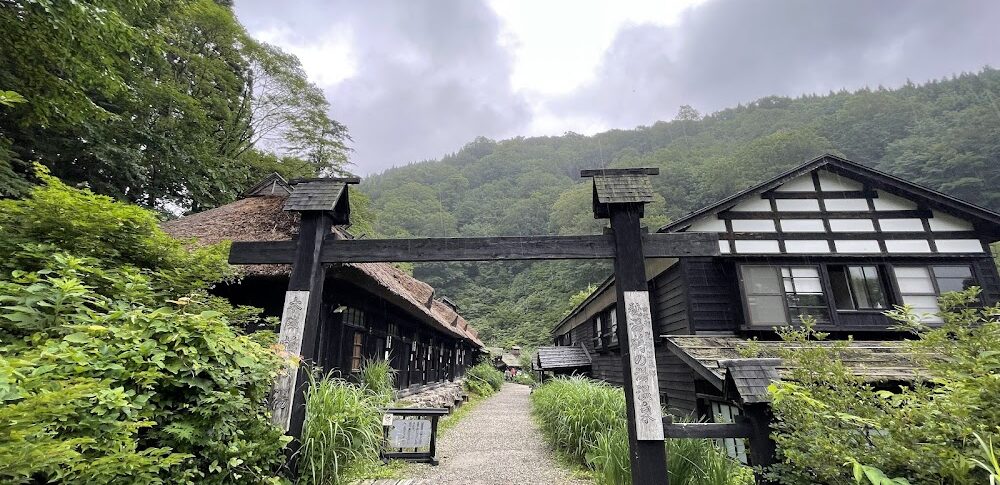
Nyuto Onsen has ancient origins, having been used as a hot spring therapeutic facility since the Edo period over 350 years ago. Most notably, Tsuru no Yu Onsen, the oldest hot spring, thrived as a bathing place for Akita domain lords and still retains thatched-roof buildings from that era that captivate visitors.
The organization of the area as a hot spring resort is relatively recent, with the name “Nyuto Onsen” being unified in the 1960s. Prior to that, each hot spring operated as an independent establishment.
Evaluation as One of Japan’s Premier Hidden Hot Springs
Nyuto Onsen has many member inns of the “Society to Protect Japan’s Hidden Hot Springs,” and its simple, rural atmosphere is highly appreciated. Rather than modern large hotels, it maintains its individuality as independent inn establishments while cherishing harmony with nature, earning strong support from hot spring enthusiasts.
Thorough Explanation of the Seven Hot Springs
The seven hot spring inns that comprise Nyuto Onsen each possess different spring water qualities and characteristics. We introduce each spring’s features in detail.
1. Tsuru no Yu Onsen (Crane Hot Spring)
Basic Information
Tsuru no Yu Onsen is the oldest and most famous hot spring inn in Nyuto Onsen. It is a therapeutic facility dating back to the Edo period and served as a bathing place for Akita domain lord Satake.
Features and Attractions
- Mixed-gender Open-Air Bath: A famous outdoor bath featuring milky-white sulfurous hot spring water. An open space surrounded by seasonal natural beauty
- Thatched-Roof Main Building: A historic structure retaining the appearance of the Edo period
- Spring Water Quality: Contains sulfur, sodium, calcium chloride, bicarbonate hot spring (white bath), and sodium bicarbonate hydrogen sulfide hot spring (black bath) with 4 types of sources
- Day-Trip Bathing: Available (10:00-15:00)
Multiple accommodation buildings including the main thatched-roof building, new main building, east main building, and annexes 2 and 3 offer different atmospheres.
2. Tae no Yu Onsen (Tae Hot Spring)
Features and Attractions
Tae no Yu Onsen is the most modern and popular with female guests among Nyuto Onsen hot springs.
- Japanese-Western Hybrid Interior: Sophisticated space design
- Gold Bath and Silver Bath: Two types of hot spring sources
- Spring Water Quality: Simple hot spring (gold bath), simple sulfurous hot spring (silver bath)
- Views: Spectacular views of the ravine from the open-air bath
- Day-Trip Bathing: Available (10:00-15:00)
Women-only open-air baths and privacy-conscious design are characteristic features.
3. Ganiba Onsen (Crab Hot Spring)
Features and Attractions
A hot spring inn with appeal in its quiet environment surrounded by primeval forests.
- Location in Beech Forest: Experience unity with nature
- Spring Water Quality: Sodium bicarbonate hot spring
- Characteristics: White cloudy hot spring water gentle on skin
- Day-Trip Bathing: Available (9:00-16:30)
The open-air bath provides views of beautiful beech forests throughout the seasons.
4. Kurotyu Onsen (Black Water Hot Spring)
Features and Attractions
A simple single inn standing in a mountain valley, retaining strong hidden hot spring atmosphere.
- Spring Water Quality: Simple sulfurous hot spring
- Characteristics: Black-brown hot spring water giving the name its origin
- Mixed-Gender Open-Air Bath: A rustic rock bath filled with wildness
- Day-Trip Bathing: Available (9:00-16:00)
Winter brings heavy snow, offering a genuine hidden hot spring experience.
5. Mago roku Onsen (Grandson Hot Spring)
Features and Attractions
A hot spring inn with four hot spring sources and abundant hot spring volume.
- Spring Water Quality: Radium mineral hot spring, simple hot spring, and 4 types total
- Characteristics: Called “mountain medicinal bath” for its therapeutic benefits
- Open-Air Bath Along Ravine: Bathing while listening to nature’s sounds
- Day-Trip Bathing: Available (9:00-16:00)
Popular with therapeutic guests, with many choosing extended stays.
6. Oogama Onsen (Large Cauldron Hot Spring)
Features and Attractions
A unique hot spring inn utilizing a closed elementary school building.
- Spring Water Quality: Acidic arsenic-containing sodium chloride and sulfate hot spring
- Characteristics: Building retaining school appearance
- Simple Atmosphere: Unadorned space typical of therapeutic facilities
- Day-Trip Bathing: Available (9:00-16:30)
Enjoy a unique atmosphere with classrooms converted into guest rooms.
7. Kyuka mura Nyuto Onsen
Features and Attractions
A state-operated inn offering the most modern facilities in Nyuto Onsen.
- Spring Water Quality: Two types of natural hot springs (simple sulfurous hot spring, simple hot spring)
- Characteristics: Alternating hot and cold bathing possible with two sources at different temperatures
- Facilities: Barrier-free accessible, family-friendly
- Day-Trip Bathing: Available (11:00-17:00)
Recommended for first-time visitors to Nyuto Onsen and families with small children.
8. Yama no Yado (Tsuru no Yu Annex)
Operating as an annex to Tsuru no Yu, this inn offers quiet relaxation in a different atmosphere from the main building.
Characteristics and Benefits of Spring Water Qualities
Over 10 Diverse Hot Spring Sources
Nyuto Onsen’s greatest characteristic is that each of the seven hot spring inns has its own independent source, with over 10 different spring water qualities existing throughout the entire hot spring resort. Such diversity of spring qualities concentrated in one location is rare in Japan.
Main Spring Water Qualities and Benefits
Simple Sulfurous Hot Spring
- Characteristics: White cloudy hot spring, sulfur aroma
- Benefits: Skin conditions, rheumatism, diabetes, arteriosclerosis
- Corresponding Hot Springs: Tsuru no Yu, Tae no Yu, Kurotyu, Kyuka mura
Sodium Bicarbonate Hot Spring
- Characteristics: “Beauty bath” that leaves skin smooth
- Benefits: Skin conditions, cuts, burns, chronic digestive disorders
- Corresponding Hot Springs: Tsuru no Yu, Ganiba
Simple Hot Spring
- Characteristics: Colorless transparent, low irritation
- Benefits: Fatigue recovery, health promotion
- Corresponding Hot Springs: Tae no Yu, Mago roku, Kyuka mura
Chloride Hot Spring
- Characteristics: Contains salt, high heat-retention effect
- Benefits: Cold sensitivity, cuts, burns
- Corresponding Hot Springs: Tsuru no Yu
Acidic Hot Spring
- Characteristics: Strong sterilizing effect
- Benefits: Skin conditions, athlete’s foot
- Corresponding Hot Springs: Oogama
Origin of “Visiting All Seven Springs Cures All Ailments”
Nyuto Onsen traditionally holds the saying “Visiting all seven springs cures all ailments.” This is based on the belief that bathing in diverse spring water qualities provides multiple therapeutic benefits. Indeed, visiting different spring qualities enables multifaceted approaches to wellness.
Enjoying the Seven Hot Springs with a Hot Spring Visit Booklet
What is a Hot Spring Visit Booklet?
A hot spring visit booklet is a cost-effective ticket allowing day-trip bathing at all seven hot springs within Nyuto Onsen. Purchasable at each inn’s front desk, it remains valid for one year from the purchase date.
Hot Spring Visit Booklet Details
- Price: 1,800 yen (as of 2026)
- Purchase Location: Front desks of each hot spring inn within Nyuto Onsen
- Valid Period: One year from purchase date
- Usage: One day-trip bath per hot spring possible
- Important Note: Only available for inn guests
Tips for Efficient Hot Spring Touring
Touring in One Day
Touring all springs in one day is physically demanding but possible. The following route is recommended.
Recommended Route:
Kyuka mura → Oogama → Ganiba → Mago roku → Kurotyu → Tae no Yu → Tsuru no Yu
Touring Over 2-3 Days
For those wishing to enjoy each spring’s atmosphere leisurely, touring over multiple days is recommended.
Day 1: Tsuru no Yu, Tae no Yu, Ganiba
Day 2: Kurotyu, Mago roku, Oogama
Day 3: Kyuka mura, revisit favorite springs
Utilizing the Hot Spring Tour Bus (Shuttle Bus)
Using the “Hot Spring Tour Bus” circulating through the resort allows efficient touring of each spring.
- Operation Period: Mid-April to early November (winter closure)
- Fare: 600 yen per trip, 1,000 yen all-day pass
- Frequency: Approximately one bus per hour
- Route: Alpa Komakusa → Kyuka mura → Oogama → Ganiba → Mago roku → Kurotyu → Tae no Yu → Tsuru no Yu
Access Methods and Transportation Information
Train Access
From Tokyo
- Akita Shinkansen “Komachi”: Tokyo Station → Tazawako Station (approximately 3 hours)
- Bus Line “Nyuto Line”: Tazawako Station → Alpa Komakusa (approximately 50 minutes)
- Shuttle or Hot Spring Tour Bus: To each hot spring inn
From Sendai
- Akita Shinkansen “Komachi”: Sendai Station → Tazawako Station (approximately 1 hour 40 minutes)
- Thereafter as above
Airplane Access
Using Akita Airport
- Airport Connection Bus: Akita Airport → Tazawako Station (approximately 1 hour 20 minutes)
- Bus Line “Nyuto Line”: Tazawako Station → Alpa Komakusa (approximately 50 minutes)
- Shuttle or Hot Spring Tour Bus: To each hot spring inn
Automobile Access
Via Tohoku Expressway
- From Morioka IC via Route 46 approximately 60km (approximately 1 hour 30 minutes)
Via Akita Expressway
- From Omagari IC via Routes 105 and 46 approximately 70km (approximately 1 hour 40 minutes)
Winter Access Precautions
December through March winter sees heavy snowfall and severe road conditions.
- Studless Tires Essential
- Chains Recommended
- Reduced Bus Service Frequency
- Hot Spring Tour Bus Closed
- Possible Road Closures Due to Weather
When visiting in winter, confirm road conditions beforehand and plan with time margins.
Bus Information from Tazawako Station
- Operating Company: Ugo Kotsu
- Route Name: Nyuto Line
- Travel Time: Approximately 50 minutes
- Fare: 840 yen (one way)
- Frequency: 4-5 buses daily (varies by season)
- Terminal: Alpa Komakusa (entrance to Nyuto Onsen)
Nearby Tourist Attractions
Lake Tazawako
Located approximately 30 minutes by car from Nyuto Onsen, this lake boasts Japan’s greatest depth (maximum depth 423.4 meters).
- Tatsuko Statue: Symbol of Lake Tazawako
- Sightseeing Boat: Enjoy scenic views from the lake
- Cycling: Approximately 20km route around the lake
Kakudate Samurai Mansion District
A historic townscape designated “Little Kyoto of Michinoku” remains as a tourist destination.
- Samurai Mansion Avenue: Edo period samurai residences lined along the street
- Cherry Blossom Avenue: Famous spring cherry blossom viewing spot
- Travel Time: Approximately 40 minutes by car from Nyuto Onsen
Tamagawa Onsen
Known as Japan’s strongest acidic hot spring, famous for its rock bath experience.
- Characteristics: pH 1.2 strong acidic hot spring
- Rock Bath: Utilizing natural geothermal heat
- Travel Time: Approximately 40 minutes by car from Nyuto Onsen
Tazawako Highland
- Tazawako Ski Resort: Winter skiing, summer trekking
- Highland Strolls: Walking through beech forests
- Travel Time: Approximately 20 minutes by car from Nyuto Onsen
Kakaekuri Gorge
A beautiful gorge also called the Yabakei of the Tohoku region.
- Walking Paths: Trails developed along the gorge
- Autumn Foliage: Particularly beautiful in fall
- Travel Time: Approximately 30 minutes by car from Nyuto Onsen
Ways to Enjoy Each Season
Spring (April-June)
Fresh Beech Forest Greenery
As snow melts, the fresh green of beech leaves is beautiful. Newly sprouted young leaves shimmering through sunlight are magnificent.
Mountain Vegetable Cuisine
Spring mountain vegetables are abundant, with each inn offering mountain vegetable dishes.
Lingering Snow and Fresh Green Contrast
Snow remains until May, creating beautiful contrasts with new greenery.
Summer (July-August)
Perfect Summer Retreat
High elevation and cool even in midsummer. Average temperature approximately 20-25 degrees Celsius.
Deep Green Beech Forests
Thick green beech forests provide excellent forest bathing opportunities.
Firefly Viewing
Early to mid-July allows firefly viewing around some hot springs.
Autumn (September-November)
Autumn Foliage Spectacle
From late September through mid-October, beech and maple trees color, enveloping the entire hot spring resort in fall foliage.
Autumn Foliage Viewing Times
- Late September to Early October: Coloring begins at high elevations
- Mid-October: Peak color throughout hot spring resort
- Late October: Leaf fall begins
Mushroom Cuisine
Autumn brings mushroom season. Natural mushroom dishes are provided at each inn.
Winter (December-March)
Snow-Viewing Bath
Soaking in outdoor baths while watching falling snow is a luxury unique to Nyuto Onsen.
Snowfall Amount
January-February bring 2-3 meters of snow, covering everything in white.
World of Silence
Snow absorbs sound, creating a fantastical atmosphere of silence.
Winter-Only Experiences
- Igloo Making: Available at some inns
- Snow Viewing Lanterns: Events lighting lanterns in snow
- Snowshoe Trekking: Walking through snowy forests
Accommodation and Day-Trip Bathing Information
About Accommodation
Reservation Methods
Nyuto Onsen inns are popular, with autumn foliage season and holiday periods booking solid months in advance.
- Recommended Booking Time: 3-6 months prior
- Booking Methods: Phone, official websites, travel reservation sites
- Cancellation Policy: Varies by inn
Accommodation Price Range
- Overnight with Two Meals: Approximately 10,000-20,000 yen
- Room Only: Approximately 7,000-12,000 yen
- Therapeutic Plans: Approximately 6,000-10,000 yen
※Prices vary by inn, room type, and season.
Accommodation Styles
Therapeutic Style:
- Self-cooking facilities available
- Long-stay oriented
- Budget-friendly pricing
Traditional Inn Style:
- Includes two meals
- Enjoy Akita regional cuisine
- Comfortable stay
About Day-Trip Bathing
Available Times
Most springs allow day-trip bathing, though times vary by inn.
- General Time Range: Around 9:00-16:00
- Fee: Approximately 600-800 yen
- Note: Some periods may be unavailable due to congestion or cleaning
Day-Trip Bathing Precautions
- Bring Towels or Purchase Them
- Shampoo and Soap Vary by Inn
- Priority to Overnight Guests; Some Times Unavailable
- Winter Hours May Be Shortened
About Meals
Dinner Characteristics
Each inn serves Akita regional cuisine and dishes using mountain ingredients.
- Kiritanpo Nabe: Akita’s representative regional dish
- Mountain Vegetable Cuisine: Seasonal vegetables
- River Fish: Iwana and yamame
- Akita Sake: Local Japanese alcohol
Breakfast Characteristics
- Japanese Set Meal: Rice, miso soup, grilled fish, etc.
- Hot Spring Rice Porridge: Porridge cooked in hot spring water (some inns)
- Local Ingredients: Akita rice and vegetables
Frequently Asked Questions (FAQ)
Q1: What is the best season to visit Nyuto Onsen?
A1: Each season has different attractions, with autumn foliage in mid-October and snow viewing in January-February being particularly popular. Fresh greenery in May-June is also beautiful and less crowded. Summer offers comfortable temperatures for a summer retreat.
Q2: Which hot spring is recommended for first-time visitors?
A2: For first-timers, “Tsuru no Yu Onsen” for history and atmosphere, or “Tae no Yu Onsen” for modern comfort are recommended. Those seeking hidden spring atmosphere prefer “Kurotyu Onsen” or “Mago roku Onsen.” Families with children benefit from “Kyuka mura Nyuto Onsen’s” equipped facilities.
Q3: Is it possible to visit all hot springs in one day?
A3: Possible but very demanding. Considering leisurely soaking at each spring, touring over 2-3 days is recommended. The visit booklet’s one-year validity allows multiple visits.
Q4: Can I visit in winter? What precautions are needed?
A4: Winter operation is available but requires caution due to heavy snowfall. Studless tires are essential; carry chains. Bus frequency decreases and the tour bus closes. Road closures due to weather are possible, making information confirmation crucial.
Q5: Can families with children enjoy the resort?
A5: Enjoyment is possible, though suitability varies by inn. “Kyuka mura Nyuto Onsen” with barrier-free access and equipped facilities suits families best. Inns emphasizing hidden spring atmosphere may lack amenities for small children. Advance confirmation with inns is recommended.
Q6: Can solo women bathe in mixed-gender open-air baths?
A6: Mixed baths at Tsuru no Yu and Kurotyu may have women-only hours or allow yukata (light robe) wearing. Separate women-only outdoor baths are typically provided. Advance confirmation recommended.
Q7: Is Wi-Fi or cellular signal available?
A7: Mountain location means cellular service is unstable at some inns. Wi-Fi is available at some inns but speeds are limited. Consider this a digital detox opportunity.
Q8: Can credit cards be used?
A8: Varies by inn. Tsuru no Yu and Kyuka mura accept cards; smaller inns may accept cash only. Confirm in advance and carry sufficient cash.
Q9: Can pets stay overnight?
A9: Most inns prohibit pets. Check directly with inns considering pet accommodation.
Q10: Where can the hot spring visit booklet be purchased?
A10: Purchase at each hot spring inn’s front desk within Nyuto Onsen. Only overnight guests may purchase; day-trippers cannot. Inform inns at reservation for smooth purchase.
Summary
Nyuto Onsen in Senboku City, Akita Prefecture is a premier hidden hot spring with over 350 years of history, boasting over 10 diverse spring water qualities. Seven independent hot spring inns scattered at elevations of 600-800 meters at Nyuto Mountain’s foot within Towada Hachimantai National Park each possess unique characteristics and appeal.
The historical thatched-roof building of Tsuru no Yu Onsen, modern atmosphere of Tae no Yu Onsen, hidden spring qualities of Kurotyu and Mago roku Onsen, and comfortable facilities of Kyuka mura offer diversity accommodating various preferences.
Using the “Hot Spring Visit Booklet,” one can tour all springs and enjoy diverse water qualities, experiencing the traditional wisdom “Visiting all seven springs cures all ailments.” Beautiful natural scenery—spring fresh greenery, summer deep green, autumn foliage, winter snow—adds major appeal.
Accessible by bus from Tazawako Station with abundant nearby attractions including Lake Tazawako and Kakudate Samurai Mansion District, Nyuto Onsen offers supreme hot spring experiences providing body and mind healing away from daily life.
With proper advance planning and reservation, enjoy an unforgettable hot spring experience at Akita’s celebrated Nyuto Onsen.

