Shirahama Hot Spring, Wakayama Prefecture | Complete Explanation of the History and Charm of One of Japan’s Three Ancient Hot Springs [2026 Latest Edition]
Shirahama Hot Spring, located in Shirahama Town, Nishi-Muro District, Wakayama Prefecture, is known as one of Japan’s Three Ancient Hot Springs alongside Dogo Hot Spring (Ehime Prefecture) and Arima Hot Spring (Hyogo Prefecture). This historic hot spring, with over 1,300 years of history documented in the Man’yōshū and Nihon Shoki, where Emperor Saimei and Emperor Tenji are recorded to have visited for therapeutic bathing, has developed into one of the Kansai region’s premier hot spring resort destinations, now attracting over 3 million visitors annually.
The greatest appeal of Shirahama Hot Spring lies in enjoying abundant hot springs flowing along the beautiful coastline of Shiraume Beach, comprehensive leisure facilities including Adventure World, and magnificent natural landscapes such as Senjo-jiki and Sandanbeki all at once. The excellent transportation access—approximately 2 hours by express train from Osaka and about 10 minutes by car from Nanki Shirahama Airport—is also a major reason for its popularity among many tourists.
History and Origins of Shirahama Hot Spring
Ancient Hot Spring Continuing from the Man’yōshū Era
The history of Shirahama Hot Spring is as old as the records in the Nihon Shoki documenting that Emperor Saimei and Emperor Tenji visited “Muro-no-Yu” (Muro Hot Spring) in 658, and it is also celebrated in the Man’yōshū as the “ancient hot spring of Muro.” Since ancient times, it was known as a celebrated hot spring that nobles from the capital would travel far distances to visit, and the therapeutic properties of the hot spring and the beauty of the coastal scenery were highly valued.
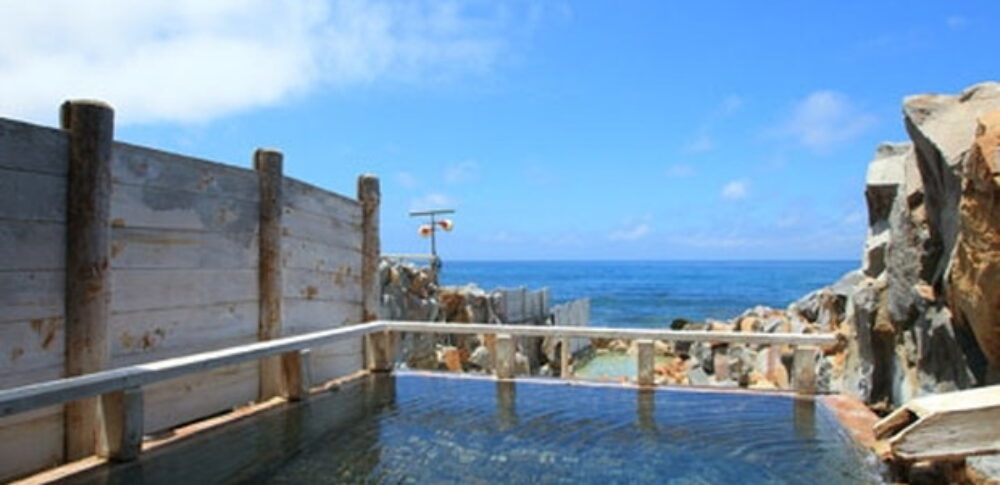
During the Edo period, it received patronage from the Kishu Tokugawa clan and underwent improvements as a hot spring bathing destination. In particular, “Saki-no-yu” is the oldest hot spring basin continuing from the Man’yōshū era and is still used today; the open-air bath located at the wave-washed shore has become a symbolic landmark of Shirahama Hot Spring.
Development into a Modern Hot Spring Resort
After the Meiji period, as railroad connections improved transportation access, Shirahama Hot Spring rapidly developed as the inner sanctum of the Kansai region. From the 1950s onward, large hotels and traditional inns were constructed one after another, establishing the foundation of the hot spring town.
Currently, seven hot spring sources are scattered along the Yunosaki Peninsula coast, collectively known as “Nanki Shirahama Hot Spring.” While preserving traditional hot spring culture, it continues to evolve as a unique hot spring destination that fuses modern resort facilities.
Spring Quality and Therapeutic Benefits of Shirahama Hot Spring
Characteristics of the Seven Hot Springs
Shirahama Hot Spring has multiple hot spring sources centered on the Yunosaki Peninsula, with the following seven main sources being utilized.
Major Hot Spring Source List:
- Saki-no-yu Source: Sodium-chloride spring, source temperature approximately 60°C
- Shirayuyu Source: Sodium-chloride and bicarbonate spring, source temperature approximately 50°C
- Tsunashirazu Source: Sodium-chloride spring, source temperature approximately 70°C
- Kogaura Source: Sodium-chloride spring, source temperature approximately 55°C
- Kanroku-no-yu Source: Sodium-chloride spring, source temperature approximately 65°C
- Kōyutsu Source: Sodium-chloride spring, source temperature approximately 58°C
- Yunosaki Source: Sodium-chloride spring, source temperature approximately 62°C
These sources are primarily sodium-chloride springs, and due to their proximity to the sea, they are characterized by high salinity. They feature high source temperatures and abundant flow rates.
Therapeutic Benefits of the Hot Spring
Sodium-chloride springs, the primary mineral composition of Shirahama Hot Spring, offer the following therapeutic benefits.
Indicated Conditions:
- Neuralgia, muscle pain, joint pain
- Frozen shoulder, motor paralysis, joint stiffness
- Contusions, sprains, chronic gastrointestinal disorders
- Hemorrhoidal diseases, coldness, post-illness recovery periods
- Fatigue recovery, health improvement
- Cuts and abrasions, burns, chronic skin diseases
- Frail infants, chronic gynecological conditions
Chloride springs are also called “hot springs of heat,” and because salt adheres to the skin after bathing and prevents sweat evaporation, they provide high heat-retention effects and warm the body from its core. Combined with the marine climate, an ideal environment for recuperation and relaxation is established.
Recommended Inns and Hotels at Shirahama Hot Spring
Shirahama Hot Spring has a diverse array of accommodations ranging from luxury resort hotels to family-friendly traditional inns. Here we introduce particularly recommended facilities.
Shirahama Koga-no-i Resort & Spa
A luxury resort hotel representing Shirahama, with all guest rooms offering ocean views overlooking the spectacular Pacific Ocean. The facility contains multiple hot spring amenities, and guests can enjoy bathing in open-air baths while watching the sunset sinking below the horizon. The spa facilities are also fully equipped, offering supreme relaxation experiences through esthetics and massage services.
Access: Approximately 10 minutes by car from JR Shirahama Station, approximately 10 minutes by car from Nanki Shirahama Airport
Shirahama Hot Spring Hotel Kawakyu
A luxury hotel characterized by its magnificent, palace-like exterior, highly regarded as an architectural masterpiece. The interior is adorned with artwork and furnishings collected from around the world, offering luxurious accommodation in a non-everyday space. The hot spring uses its own source, with large marble bathtubs for leisurely bathing.
Access: Approximately 15 minutes by car from JR Shirahama Station
Oedo Onsen Monogatari Premium Shirahama Ayaasaraku
Located at an excellent location just a 1-minute walk from Shiraume Beach, this hot spring inn is popular with families and groups. The all-you-can-eat dining format features fresh seafood from Kishu and dishes using local ingredients. The hot spring’s top-floor panoramic bath provides sweeping views of the beautiful Shiraume Beach.
Access: Approximately 15 minutes by bus from JR Shirahama Station
Shirahama Hot Spring Shiraurasō Grand Hotel
A long-established hotel standing directly in front of Shiraume Beach, with all guest rooms overlooking the white sandy beach and blue sea. The hot spring features source-fed hot spring water, and the open-air bath overlooking the sea is popular. The kaiseki cuisine prepared with seasonal Kishu ingredients receives high praise.
Access: Approximately 10 minutes by car from JR Shirahama Station
SHIRAHAMA KEY TERRACE HOTEL SEAMORE
A modern resort hotel that reopened in 2018, featuring stylish design and comfortable facilities. The infinity bath offers a sense of liberation as if merging with the Pacific Ocean. It is particularly popular with young couples and groups of women.
Access: Approximately 12 minutes by car from JR Shirahama Station
TAOYA Shirahama Senjo
A hot spring resort positioned near Senjo-jiki, allowing guests to enjoy magnificent Pacific Ocean views. Characterized by spacious guest rooms and fully-equipped hot spring facilities, it offers leisurely time. The buffet restaurant offers diverse Japanese, Western, and Chinese cuisine.
Access: Approximately 15 minutes by car from JR Shirahama Station
Hamachidori-no-yu Kaifune (Kyoritsu Resorts)
A luxury traditional inn with private open-air baths in every room, allowing guests to fully enjoy hot springs in a private setting. Characterized by meticulous service distinctive to the Kyoritsu Resorts Group and creative Japanese cuisine using local ingredients. Various thoughtful hospitality touches such as late-night ramen service are well-regarded.
Access: Approximately 10 minutes by car from JR Shirahama Station
Oedo Onsen Monogatari Premium Shirahama Goen
Positioned on a hilltop in Shirahama with panoramic views of the Pacific Ocean, this scenic hot spring inn is a premium-class facility within the Oedo Onsen Monogatari Group, offering high-quality service and abundant dining. The open-air bath’s views are exceptional, with the twilight scenery particularly breathtaking.
Access: Approximately 12 minutes by car from JR Shirahama Station
Kishu-Shirahama Hot Spring Musashi
A warm-hearted atmosphere characterizes this hot spring inn, with heartfelt hospitality reflecting family management. Cuisine prepared with fresh seafood features abundant variety and reasonably affordable pricing. This hidden-gem inn features source-fed hot spring water and is beloved by local residents.
Access: Approximately 10 minutes by car from JR Shirahama Station
Day-Use Hot Spring Facilities
Full enjoyment of Shirahama Hot Spring without lodging is also possible thanks to abundant day-use bathing facilities.
Shirahama Hot Spring Saki-no-yu
A public bathhouse known as the oldest hot spring of Shirahama, this historic hot spring basin has continued since the Man’yōshū era. Positioned at the wave-washed shore, the open-air bath allows guests to closely experience the spectacular Pacific Ocean scenery and sea spray directly before them. Due to its exceptional location, it has become a symbolic landmark of Shirahama Hot Spring.
Operating Hours: 8:00–17:00 (April–June, September), 7:00–19:00 (July–August), 8:00–17:00 (October–March)
Fee: ¥500 adults, ¥200 children
Access: Approximately 15 minutes walk from Shirahama Bus Center
Shirahama Hot Spring Shirayuyu
A public bathhouse positioned directly in front of Shiraume Beach, with the second-floor bath offering views of the white sandy beach and blue sea during bathing. Spacious bathing facilities provide a refreshing bathing experience, making it ideal for stopping after swimming.
Operating Hours: 7:00–22:00 (April–June, September), 7:00–23:00 (July–August), 8:00–22:00 (October–March)
Fee: ¥420 adults, ¥140 children
Access: Immediately adjacent to Shiraume Beach bus stop
Shirahama Ginza Foot Bath Yokocho
A free foot bath facility in Shirahama’s hot spring district, allowing casual enjoyment of hot springs. A convenient stop during shopping or sightseeing, it also offers opportunities for interaction with local residents.
Operating Hours: 8:00–22:00
Fee: Free
Access: Approximately 5 minutes walk from Shirahama Bus Center
Access to Shirahama Hot Spring
Shirahama Hot Spring is relatively accessible from major Kansai cities such as Osaka and Kyoto.
By Train
From Osaka:
- Approximately 2 hours 30 minutes from JR Osaka Station via JR Express Kuroshio train to JR Shirahama Station
- From Shirahama Station, approximately 10–15 minutes by local bus to Shirahama Hot Spring, or approximately 10 minutes by taxi
From Kyoto:
- Approximately 3 hours from JR Kyoto Station via JR Express Kuroshio train to JR Shirahama Station
From Nagoya:
- Approximately 4 hours from JR Nagoya Station via limited express Wide View Nanki train to JR Shirahama Station
By Car
From Osaka:
- Via Hanwa Expressway and Kise Expressway to Nanki Shirahama IC, approximately 2 hours
- From Nanki Shirahama IC, approximately 20 minutes via Prefectural Route 34 toward Shirahama Hot Spring
From Nagoya:
- Via Tōmei, Ise, and Kise expressways, approximately 4 hours
By Airplane
Using Nanki Shirahama Airport:
- Approximately 1 hour 10 minutes from Haneda Airport
- From the airport, approximately 10 minutes by car to Shirahama Hot Spring, or approximately 15 minutes by local bus
Nanki Shirahama Airport is the closest airport to Shirahama Hot Spring, providing convenient access from the Tokyo area. Rental cars, taxis, and local buses are available.
Tourist Attractions Near Shirahama Hot Spring
When visiting Shirahama Hot Spring, be sure to tour the surrounding attractions as well.
Shiraume Beach
A beautiful beach symbolizing Shirahama Hot Spring, characterized by pristine white sand and transparent blue waters. The sand extends for approximately 620 meters, creating an atmosphere reminiscent of a tropical resort. Summer brings many ocean-swimming visitors, while winter visitors enjoy strolls despite fewer crowds.
Adventure World
A major leisure facility representing Shirahama, comprising an integrated zoological park, aquarium, and amusement park. Particularly famous for giant panda breeding with Japan’s largest population, it boasts attractions including dolphin and whale shows and safari tours that entertain visitors all day long.
Access: Approximately 15 minutes by car from Shirahama Hot Spring
Senjo-jiki (Thousand Tatami)
A vast rocky plateau carved by the rough Pacific Ocean waves, creating a landscape reminiscent of thousand tatami mats laid out. Also known as a sunset viewing location, the scene of sunset sinking below the horizon against the silhouettes of rocky shores is spectacular.
Access: Approximately 10 minutes by car from Shirahama Hot Spring
Sandanbeki
A scenic area with sea cliffs approximately 50 meters high extending roughly 2 kilometers along the coast. The observation deck provides comprehensive views of the magnificent Pacific scenery, with caves 36 meters underground accessible by elevator for viewing. Inside the cave, visitors can experience the waves crashing nearby firsthand.
Access: Approximately 5 minutes by car from Shirahama Hot Spring
Engetsu Island (Takarajima)
A symbolic island of Shirahama with a crescent-shaped marine erosion cave in its center. The sunset viewed through the cave at dusk, selected as one of the “100 Best Sunsets of Japan,” offers a spectacular sight attracting many photography enthusiasts.
Access: Approximately 5 minutes by car from Shirahama Hot Spring
Tore-tore Market Nanki Shirahama
Japan’s largest seafood market in western Japan, abundantly stocked with fresh seafood and local specialty products. The popular on-site seafood barbecue and sushi, along with abundant gift options, make it ideal for souvenir shopping.
Access: Approximately 5 minutes by car from Shirahama Hot Spring
Energy Land
A theme park offering optical illusions and mysterious experiences, popular with families. Featuring trick art and mystery zones, it is well-equipped with experiential attractions.
Access: Within walking distance of Shirahama Hot Spring
How to Enjoy Shirahama Hot Spring and Sample Itineraries
1-Night, 2-Day Sample Itinerary
Day 1:
- 12:00 PM Arrival at JR Shirahama Station, transfer via rental car or bus
- 12:30 PM Seafood lunch at Tore-tore Market
- 2:00 PM Sightseeing at Senjo-jiki and Sandanbeki
- 4:00 PM Hotel/inn check-in
- 5:00 PM Hot spring bathing (enjoy twilight open-air bath)
- 6:30 PM Dinner (savor Kishu seafood delicacies)
- 8:00 PM Evening hot spring district stroll or foot bath experience
Day 2:
- 7:00 AM Early morning bath
- 8:00 AM Breakfast
- 10:00 AM Check-out
- 10:30 AM Shiraume Beach stroll
- 11:30 AM Day-use bathing at Saki-no-yu or Shirayuyu
- 1:00 PM Adventure World sightseeing
- 5:00 PM Depart for JR Shirahama Station, return journey
Day-Trip Sample Itinerary
Day-trip plan:
- 10:00 AM Arrival in Shirahama
- 10:30 AM Sightseeing at Senjo-jiki and Sandanbeki
- 12:00 PM Lunch at Tore-tore Market
- 1:30 PM Adventure World (or leisurely Shiraume Beach time)
- 4:00 PM Day-use hot spring at Saki-no-yu
- 5:30 PM Depart for JR Shirahama Station, return journey
Seasonal Charms of Shirahama Hot Spring
Spring (March–May)
A pleasant season with mild weather. Cherry blossoms bloom during spring season, with viewing opportunities in the hot spring district. Golden Week brings crowding but offers beautiful green scenery and hot spring enjoyment.
Summer (June–August)
Ocean swimming at Shiraume Beach becomes the main season, drawing crowds of tourists. The beach officially opens in early July, with the Shirahama Fireworks Festival held in early August. A hot spring bath after ocean play is exceptional.
Autumn (September–November)
Summer crowds subside, allowing leisurely hot spring enjoyment. Abundant autumn flavors complement hot spring and dining experiences. Mountain foliage around the region turns beautifully.
Winter (December–February)
An off-season with few tourists, ideal for quiet hot spring enjoyment. The mild climate makes winter relatively comfortable, and open-air bathing under starlight is exceptional. Winter seafood delicacies are superb, with grouper cuisine becoming a winter specialty.
Spring Quality and Bathing Etiquette at Shirahama Hot Spring
Bathing Precautions
As Shirahama Hot Spring is a chloride spring, observe the following points.
Before bathing:
- Rinse your body gradually before entering to acclimate
- Avoid bathing after drinking alcohol or eating meals
- Refrain from bathing if in poor health
During bathing:
- Avoid long immersions; limit each bath to approximately 10–15 minutes
- Remember to stay hydrated
- Avoid high-temperature sources; begin with warm water
After bathing:
- As chloride springs offer high heat retention, rinsing with shower water is unnecessary for maximum benefit
- Those with sensitive skin should lightly rinse
- Ensure adequate hydration and rest after bathing
Effective Bathing Methods
Divided bathing:
Multiple shorter bathing sessions are more effective than single long immersions with less physical strain.
Alternating hot and cold bathing:
Alternating between hot spring and cool water enhances circulation. However, be cautious of cardiac strain and consult physical condition before attempting.
Partial bathing:
Beginning with foot baths or half-body immersion offers an alternative when full-body bathing seems difficult.
Gourmet Delicacies and Local Specialties at Shirahama Hot Spring
Local Seafood
Wakayama Prefecture, where Shirahama Hot Spring is located, is a treasure trove of fresh seafood blessed by the Kuroshio Current.
Grouper cuisine:
Called winter’s king of delicacies, this premium fish is served in hot pots and as sashimi. Rich in collagen for beauty benefits.
Spiny lobster:
Spiny lobsters from nearby waters are firm-fleshed and sweet, enjoyed as sashimi, grilled dishes, and miso soup.
Tuna:
Tuna landed at Katsuura Port boasts exceptional freshness, regularly served at Shirahama inns and hotels.
Abalone and turban shells:
These bivalves with oceanic fragrance are served as sashimi and grilled preparations.
Local Specialties
Pickled plums:
Wakayama Prefecture leads Japan in plum production; Kishu Nanko umeboshi pickled plums are exquisite.
Tangerines:
Sweet tangerines grown in the mild climate make ideal gifts.
Soy sauce:
Traditional sauces like Yuasa soy sauce enhance dish flavors.
Fish cakes:
Processed products using fresh fish are local specialty items.
Budget and Planning for Shirahama Hot Spring Travel
Budget Guidelines
For 1-night, 2-day stay (per person):
- Lodging: ¥10,000–¥50,000 (depending on accommodation grade)
- Transportation: Approximately ¥10,000 round-trip from Osaka (train)
- Meals: ¥3,000–¥5,000 (lunch and light meals)
- Sightseeing: ¥3,000–¥5,000 (admission fees, etc.)
- Souvenirs: ¥3,000–¥10,000
Total: Approximately ¥30,000–¥80,000
Economical Travel Plans
Weekday use:
Weekday accommodation rates are lower than weekends and holidays, with less crowding.
Early reservation discounts:
Many hotels and inns offer early-booking discounts.
Package tours:
Bundled transportation and accommodation tours often cost less than individual arrangements.
Day-use hot spring plans:
Plans combining day-use hot springs and meals without lodging are also available.
Precautions and Advice for Shirahama Hot Spring Tourism
Peak-Season Periods
- Golden Week (late April–early May)
- Summer vacation period (late July–August)
- Obon holidays (mid-August)
- Silver Week (mid-September)
- Year-end and New Year holidays
During these periods, accommodations and attractions are crowded; advance reservations are essential.
Packing Checklist
- Swimsuit (if ocean swimming in summer)
- Sunscreen and hat
- Camera
- Towel (for day-use hot springs)
- Comfortable walking shoes (for sightseeing)
- Rain gear (weather contingency)
Interaction with Local Residents
Shirahama residents are generally warm and helpful, often sharing local information. Foot baths and public bathing houses offer opportunities for community interaction.
Conclusion
Wakayama Prefecture’s Shirahama Hot Spring, one of Japan’s Three Ancient Hot Springs with over 1,300 years of history, is a captivating hot spring resort destination where rich hot spring culture, beautiful natural scenery, and comprehensive leisure facilities converge. Due to excellent accessibility—approximately 2 hours from Osaka—it is ideal for weekend trips and day excursions, drawing countless visitors year-round.
The white sand and blue waters of Shiraume Beach, magnificent natural landscapes such as Senjo-jiki and Sandanbeki, comprehensive tourism facilities including Adventure World, and above all, abundant hot springs flowing from seven sources constitute Shirahama Hot Spring’s major attractions. The sodium-chloride spring water provides excellent heat retention, proving effective for fatigue recovery and health improvement, while open-air bathing overlooking the sea offers an unparalleled experience.
From luxury resorts like Shirahama Koga-no-i and Hotel Kawakyu to Oedo Onsen Monogatari hot spring accommodations and intimate small traditional inns, diverse lodging options accommodate various budgets and purposes. Furthermore, abundant day-use facilities such as Saki-no-yu and Shirayuyu allow casual hot spring enjoyment.
Fresh seafood cuisine, Kishu specialty products, mild climate, and beautiful scenery—Shirahama Hot Spring has become one of Kansai’s premier tourist destinations, offering comprehensive resort experiences beyond hot spring bathing alone. Touching historical hot spring culture while enjoying contemporary resort lifestyle, Shirahama Hot Spring awaits your visit.