Sukagyu Onsen, Aomori Prefecture Complete Guide | Charm and How to Enjoy Japan’s First National Health Promotion Hot Spring
Sukagyu Onsen, nestled at an elevation of approximately 900 meters on the western foot of Mount Hakkoda in Aomori Prefecture, is a representative hot spring resort in Japan boasting approximately 340 years of history. Designated in 1954 (Showa 29) as the “First National Health Promotion Hot Spring” for its superior environment, this hot spring is nationally known for the “Hiba Thousand-Person Bath” built entirely of cypress wood, and remains a secret hot spring representative of Aomori, attracting many hot spring therapy guests and tourists to this day.
This article comprehensively introduces information to fully enjoy Sukagyu Onsen, covering its history and origins, spring quality and therapeutic effects, the charm of the famous Hiba Thousand-Person Bath, access methods, information ranging from day trips to accommodations, and surrounding tourist spots.
History and Origins of Sukagyu Onsen
A Tradition of Hot Spring Therapy Spanning Over 340 Years
The opening of Sukagyu Onsen dates back to Jokyo 1 (1684). It is said that the spring began when a deer was discovered healing its wounds in the hot spring, and since then it has soothed the body and mind of people for over 300 years. It flourished as a hot spring resort from the Edo period and was developed as a full-fledged hot spring inn during the Meiji era.
The name “Sukagyu Onsen” derives, as the name suggests, from its strong acidic spring quality. The strongly acidic sulfur spring with a pH of approximately 2.0 is said to be effective for various conditions and has long been cherished as a “hot spring that cures all diseases.”
Designation as First National Health Promotion Hot Spring
In 1954 (Showa 29), Sukagyu Onsen was designated as Japan’s first “National Health Promotion Hot Spring.” This is a designation system by the Ministry of Environment, designating hot spring areas where sufficient therapeutic effects from hot spring use are expected and which are suitable as healthy health promotion resorts. Sukagyu Onsen became this historic first designated site, establishing itself as a representative of Japanese hot spring culture.
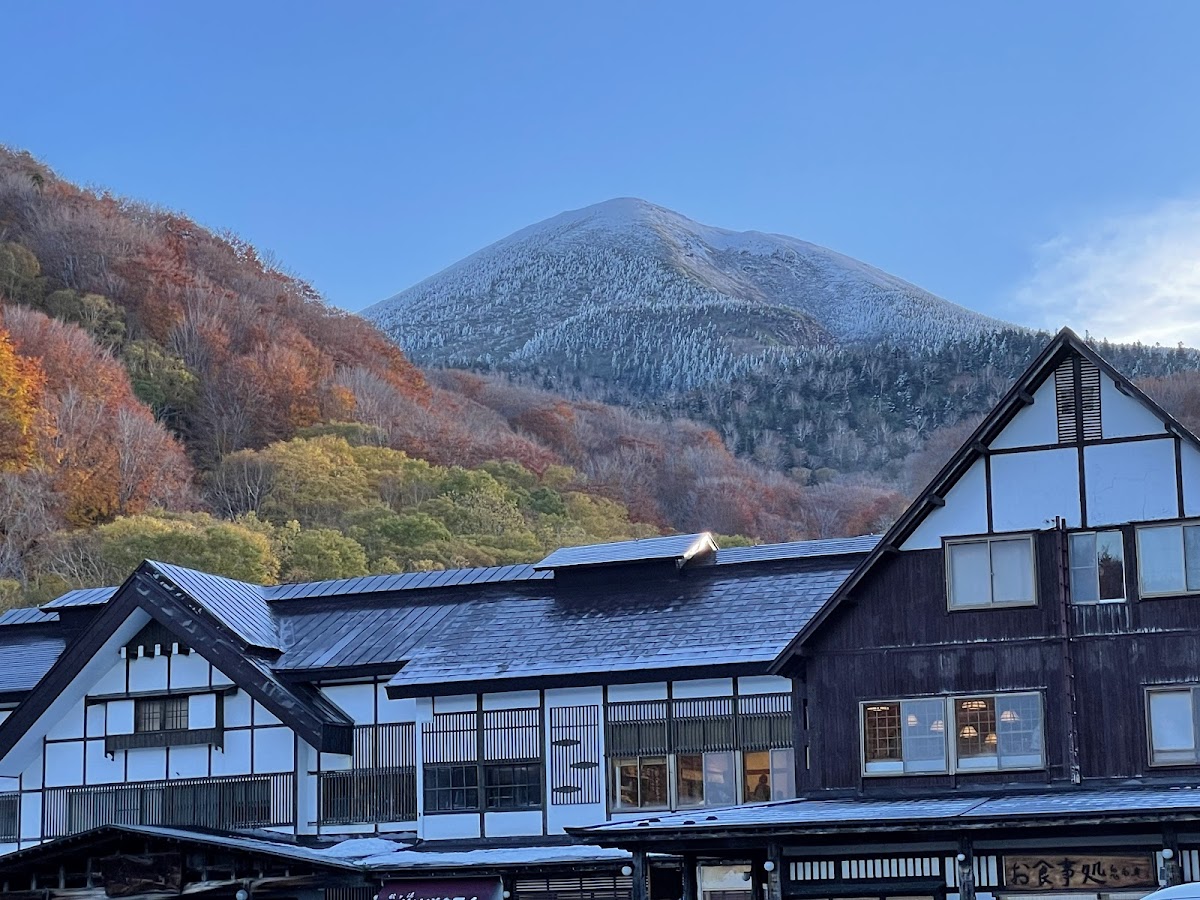
Located within Towada-Hachimantai National Park and blessed with a rich natural environment, Sukagyu Onsen is evaluated as an ideal health promotion resort possessing both high therapeutic efficacy as a medical hot spring and an environment where one can enjoy the spectacular scenery of Mount Hakkoda through all four seasons.
The Charm of the Famous “Hiba Thousand-Person Bath”
Impressively Scaled Thousand-Person Bath Built Entirely of Hiba Wood
In discussing Sukagyu Onsen, one cannot overlook the famous “Hiba Thousand-Person Bath.” The vast bathing facility with a total area of approximately 160 tatami mats (approximately 260 square meters) is built entirely of cypress wood from Aomori Prefecture, with ceiling height reaching approximately 5 meters. The open space without a single supporting pillar to obstruct the view never fails to surprise first-time visitors.
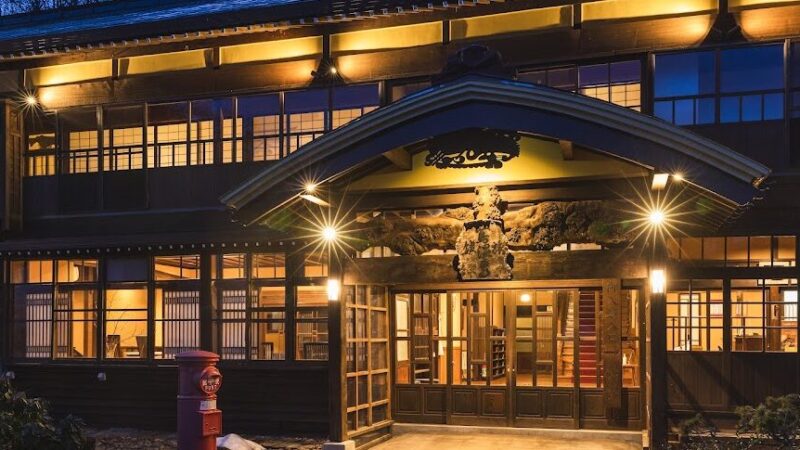
Hiba wood excels in antibacterial properties and durability, emitting a distinctive fragrance. The bathing room where hot spring vapors and the scent of hiba mingle together is a healing space that can be enjoyed with all five senses. The warmth of wooden architecture and retro atmosphere evoking history invite visitors into a world apart from the everyday.
Enjoying a Hot Spring Experience with Four Types of Bathing Pools
The Hiba Thousand-Person Bath has four types of bathing pools: “Hot Water Bath,” “Four-Six Proportioned Bath,” “Deer Bath,” and “Cold Water Bath,” each offering different combinations of temperature and spring quality.
The Hot Water Bath is approximately 46 degrees, warming the body’s core in a short soak. The Four-Six Proportioned Bath at approximately 42 degrees is the most comfortable temperature for extended soaking. The Deer Bath at approximately 41 degrees bears a name derived from the hot spring’s founding legend. The Cold Water Bath at approximately 38 degrees is ideal for alternating hot and cold bathing.
Visiting these bathing pools in sequence, known as “hot spring hopping,” is a unique bathing style of Sukagyu Onsen, said to be effective for promoting blood circulation and regulating the autonomic nervous system.
Mixed Bathing Culture and Women-Only Hours
The Hiba Thousand-Person Bath is fundamentally co-ed, but is operated with consideration for modern needs while preserving the tradition of hot spring therapy culture. Women-only bathing hours are designated from 8:00 to 9:00 each morning, allowing women to fully enjoy the vast thousand-person bath with peace of mind.
During co-ed bathing hours, wearing a special hot spring garment (paid rental available) is recommended, allowing first-time visitors to easily experience traditional mixed bathing culture. Additionally, there is a gender-separated indoor bath “Tama no Yu,” so those who are uncomfortable with mixed bathing can also enjoy the famous hot springs of Sukagyu Onsen.
Spring Quality and Therapeutic Effects | Value as a Therapeutic Hot Spring
Characteristics of Strongly Acidic Sulfur Spring
Sukagyu Onsen’s spring quality is classified as “Acidic Sulfur-containing Sodium Sulfate/Chloride Spring,” characterized by a strong acidity with a pH of approximately 2.0. This strong acidity results from sulfuric acid and hydrochloric acid contained in the hot spring, producing sterilizing action and an effect that removes aged dead skin.
The milky-white turbid water is evidence of rich sulfur content. The source water temperature is approximately 50 degrees, with hot spring from five sources all being acidic sulfur-containing springs. The combination of this strong acidity and sulfur components creates the high therapeutic effects of Sukagyu Onsen.
Diverse Therapeutic Effects and Hot Spring Therapy Benefits
Sukagyu Onsen is recognized as a “therapeutic hot spring” for its high efficacy, with the following conditions said to benefit:
- Skin Conditions: Atopic dermatitis, chronic eczema, psoriasis, etc.
- Neuralgia and Myalgia: Rheumatism, joint pain, lower back pain, stiff shoulders, etc.
- Gynecological Conditions: Menstrual disorders, menopausal symptoms, etc.
- Diabetes: Blood sugar improvement effects
- Hypertension: Blood pressure stabilization
- Arteriosclerosis: Maintenance of vascular health
- Chronic Gastrointestinal Disorders: Improvement of digestive health
The effects on skin conditions are particularly notable, with people continuously visiting from across the country for therapeutic purposes. The strongly acidic water removes aged dead skin, and the sulfur components promote skin metabolism, providing expected improvements for various skin troubles.
Correct Bathing Methods and Precautions
As a strongly acidic hot spring, there are several precautions for bathing.
- Bathing Time: Keep each bathing session to approximately 5-10 minutes, with about 3 sessions daily being appropriate
- Rinsing Off: Do not rinse with fresh water after bathing; it is effective to leave hot spring components on the skin (though rinsing the face with fresh water is recommended)
- Hydration: Do not forget water intake before and after bathing
- Metals: Remove accessories and watches as they may discolor
- Those with Medical Conditions: Those with heart disease or hypertension should consult a physician before bathing
For those visiting for therapeutic purposes, a minimum stay of 3 days, ideally 1 week or longer, is recommended. Many people are said to experience effects from day 3 onward when the body becomes accustomed to the hot spring.
Access Methods | Getting to Sukagyu Onsen from Aomori
Access by Car
Via Tohoku Expressway
- Approximately 40 minutes (approximately 30 km) via Route 103 from “Aomori Central IC” on the Tohoku Expressway
- GPS Setting: Sukagashio-numa 50, Arakawa Minami, Arakawa Mountain National Forest, Aomori City, Aomori Prefecture
During winter (late November to early April), studless tires or chains are essential due to snow and ice. Mount Hakkoda is one of Japan’s heaviest snowfall areas, with accumulated snow sometimes exceeding 3 meters. In winter, check road conditions beforehand and drive with adequate time allowance.
The parking lot accommodates approximately 200 vehicles and is free to use.
Access by Public Transportation
Using JR Buses
- Approximately 80 minutes from JR Aomori Station on “JR Bus bound for Lake Towada,” getting off at “Sukagyu Onsen” bus stop
- Fare: Approximately 1,400 yen one way (as of 2024)
- Bus Frequency: Approximately 4-5 services daily (varies by season)
From Lake Towada Area
- Approximately 60 minutes from Towada-ko Yumori on “JR Bus bound for Aomori Station”
Bus schedules change seasonally, so it is recommended to check the JR Bus Tohoku website beforehand. In winter, there is a possibility of reduced services or temporary closures, requiring particular attention.
Access from Aomori Airport
Aomori Airport is approximately 50 minutes away by car. Car rental is convenient, but if using public transportation, you will need to first travel to Aomori Station and then transfer to a JR bus (approximately 35 minutes from airport to Aomori Station).
Day-Trip Bathing Information
Operating Hours and Fees
Day-Trip Bathing Hours
- 7:00 AM to 5:30 PM (Last admission at 5:00 PM)
- Open year-round (Temporary closures possible)
Bathing Fees
- Adults (Junior High School and above): 1,000 yen
- Children (Elementary School): 500 yen
- Infants: Free
Women-Only Hours
- Co-ed “Hiba Thousand-Person Bath”: 8:00 AM to 9:00 AM women-only
Enjoying Day-Trip Bathing
With day-trip bathing, visitors can use both the famous Hiba Thousand-Person Bath and the gender-separated indoor bath “Tama no Yu.” The facility has rest areas where one can relax comfortably after bathing.
The gift shop sells Sukagyu Onsen original hot spring goods, souvenirs, and Aomori Prefecture specialties. In particular, “Sukagyu Onsen hot spring flowers” is a popular item that allows recreating the Sukagyu bath at home.
The dining establishment “Taste Hall” offers local cuisine and set meals using local ingredients from Aomori. Meals enjoyed while overlooking the natural scenery of Mount Hakkoda further enhance the day-trip bathing experience.
Accommodation Information and Hot Spring Therapy Plans
Characteristics of Accommodations
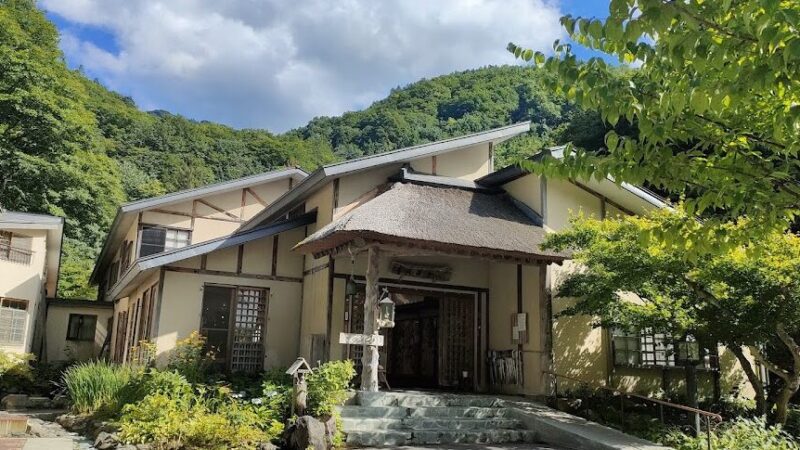
Sukagyu Onsen Inn is characterized by facility design accommodating long-term stays aimed at hot spring therapy. Guest rooms are divided between the main building and therapy lodges, with options suited to various stay styles.
Main Building
- Japanese-style guest rooms offering a calm atmosphere
- One night, two meals packages
- Suitable for tourists and short-term stays
Therapy Lodges
- Simple guest rooms with self-catering facilities
- Meals included or room-only options
- Popular with long-term therapy guests
- Reasonably priced
All rooms offer views of the majestic Mount Hakkoda natural scenery, with landscapes that vary beautifully with the seasons.
Hot Spring Therapy Plans and Long-Term Stays
Sukagyu Onsen offers abundant long-term stay plans allowing visitors to experience traditional hot spring therapy culture.
Hot Spring Therapy Plan Features
- Bookable for 3 or more nights
- Multi-night discounts available
- Self-catering facilities available (therapy lodges)
- Unlimited hot spring access
For therapeutic stays, combining regular sleep-wake rhythms with appropriate bathing and balanced meals achieves physical and mental refreshment and health promotion. Interaction among long-term therapy guests is one of the charms of hot spring therapy culture, fostering a warm community of information sharing and mutual support.
Meals and Aomori’s Culinary Delights
Accommodation plan meals allow guests to enjoy regional cuisine using abundant local Aomori ingredients.
- Local Vegetables: Fresh highland vegetables grown at the base of Mount Hakkoda
- Aomori Prefecture Rice: Varieties including Tsugaru Roman and Masshigura
- Seafood: Fresh fish and shellfish from Aomori Bay and Mutsu Bay
- Local Cuisine: Kenojiru, senbei jiru, ichigo-ni, and other regional dishes
Seasonal menus featuring in-season ingredients are provided, allowing guests to savor Aomori’s culinary offerings alongside hot spring bathing.
Mount Hakkoda Through All Four Seasons and Surrounding Tourism
Spring Greenery and Snow Corridors
From late April through May, around Sukagyu Onsen, a “snow corridor” can be observed. The sight of snow walls several meters high lining both sides of the plowed road is a spring signature of Mount Hakkoda. This season offers beautiful contrast between lingering snow and fresh greenery, making it popular for photography.
From late May through June, alpine plants of Mount Hakkoda bloom en masse. Flowers such as Mizubasho, cotton grass, and Japanese daylilies paint the mountain in various colors.
Summer Retreat and Mountaineering
Located at an elevation of 900 meters, Sukagyu Onsen remains cool even in summer, making it an ideal retreat. The average temperature from July through August is around 20 degrees Celsius, providing perfect escape from urban summer heat.
Mount Hakkoda is renowned for mountaineering, with Sukagyu Onsen serving as a base for many mountain climbers. Using the Hakkoda Ropeway allows even beginners to easily enjoy views from near the mountain summit. A hot spring bath after climbing is incomparable, soothing a weary body.
Autumn Foliage Season
From late September through early October, Mount Hakkoda is enveloped in fiery autumn colors. Beech, Japanese rowan, and maple trees turn red and yellow, creating landscape painting-like beauty across the entire mountain.
The autumn foliage around Sukagyu Onsen is also called “Japan’s earliest autumn leaves,” attracting numerous visitors nationwide. This season draws crowds, so early accommodation reservations are recommended. The luxury of soaking in hot springs while viewing autumn foliage is an experience unique to autumn on Mount Hakkoda.
Winter Snowy Landscapes and Tree Ice Formations
From December through March, Sukagyu Onsen is covered in deep snow. Accumulated snow sometimes exceeds 3 meters, creating a true snow country landscape. Winter at Sukagyu Onsen is a special season for enjoying snow-viewing hot springs.
The tree ice formations (snow monsters) on Mount Hakkoda, alongside those at Zao, represent Japan’s signature tree ice viewing spots. Ascending to near the summit via the Hakkoda Ropeway allows close viewing of the fantastical tree ice forest. Enjoying skiing or snowboarding followed by warming in hot springs represents winter’s supreme pleasures on Mount Hakkoda.
Surrounding Tourist Spots
Hakkoda Ropeway
Located approximately 10 minutes by car from Sukagyu Onsen, the Hakkoda Ropeway is a popular spot offering spectacular Mount Hakkoda views year-round. A roughly 10-minute aerial ride swiftly elevates visitors to near the 1,324-meter summit of Mount Tamoyoke.
From the summit, a panoramic view of the Hakkoda Mountain Range unfolds, with visibility on clear days extending to Aomori city center, Mutsu Bay, and Mount Iwaki. The foliage season and tree ice season are particularly popular, with crowds gathering from early morning.
Lake Towada
Approximately 40 minutes by car from Sukagyu Onsen, Lake Towada is a beautiful caldera lake spanning Aomori and Akita Prefectures. Sightseeing boat docks and tourist facilities line the lakeside, allowing enjoyment of the scenery from the lake surface.
Particularly, the Oirase Gorge, flowing from Lake Towada for approximately 14 kilometers, is among Japan’s representative scenic spots. Well-maintained walking paths allow enjoyment of clear streams and verdant walks.
Aomori City Tourism
Aomori city center is approximately 50 minutes by car from Sukagyu Onsen. The city offers the following tourist attractions.
- Nebuta House Wa-Rasse: A facility for experiencing the history and charm of the Aomori Nebuta Festival
- Aomori Prefectural Museum of Art: Housing works by Chagall and Yoshitomo Nara
- Sanai Maruyama Ruins: A large-scale Jomon-era residential site
- Aomori Bay Area: Markets and dining establishments gathering fresh seafood
Combining a hot spring therapy or hot spring travel at Sukagyu Onsen with Aomori sightseeing plans is also recommended.
Points for Fully Enjoying Sukagyu Onsen
Convenient Items to Bring
- Towels: Available for purchase or rental at the facility, but bringing multiple is convenient for frequent bathing
- Hot Spring Garment: For women wishing to experience mixed bathing (rental available)
- Skincare Products: Essential post-bathing moisturizing due to the strongly acidic hot spring
- Beverages: For hydration before and after bathing
- Winter Clothing: Particularly essential in winter
- Camera: For photographing Mount Hakkoda’s spectacular scenery through all seasons
Reservation Timing
Sukagyu Onsen Inn is highly popular, with early reservations necessary especially during:
- Autumn Foliage Season (late September to early October): 2-3 months ahead
- Golden Week: 2-3 months ahead
- Summer Vacation (late July through August): 1-2 months ahead
- Year-End/New Year Period: 2-3 months ahead
During weekdays or low seasons, reservations typically become available closer to the travel date.
For Experiencing Hot Spring Therapy
For experiencing authentic hot spring therapy, note the following points.
- Length of Stay: Minimum 3 days, ideally 1 week or longer
- Daily Rhythm: Maintain early rising and early sleeping
- Bathing Frequency: Approximately 3 times daily, with regularity
- Meals: Regular, balanced meals
- Rest: Balance between bathing and rest periods
Hot spring therapy is not merely a hot spring vacation but valuable time for resetting body and mind. By stepping away from daily life and surrendering to nature and hot springs, one can recover original health.
Summary | Refresh Your Body and Mind at Sukagyu Onsen
Located at the western foot of Mount Hakkoda in Aomori Prefecture, Sukagyu Onsen, with approximately 340 years of history as the first National Health Promotion Hot Spring designation, continues to be beloved by many today. The “Hiba Thousand-Person Bath” built entirely of cypress wood, through its overwhelming scale and historical value, represents Japanese hot spring culture.
The high therapeutic effects of the strongly acidic sulfur spring help improve various conditions, conveying the hot spring therapy tradition to the present day. Sukagyu Onsen, enjoyable from day-trip bathing to long-term stays in various styles, is an ideal health promotion resort soothing modern people’s weary body and mind.
Mount Hakkoda’s spectacular scenery through all four seasons, Aomori’s rich food culture, and above all the healing effects of hot springs provide visitors with unforgettable experiences. Away from daily hustle and bustle, immersed in nature and hot springs, please experience this luxury of time at Sukagyu Onsen.
Access is convenient, approximately 80 minutes by bus from Aomori Station, with abundant nearby tourist attractions including Lake Towada and the Oirase Gorge. As a base for Aomori travel or a long-term therapeutic stay destination, Sukagyu Onsen is a charming hot spring resort meeting diverse needs.
In this special space woven by the tradition of a historic hot spring therapy resort and the magnificent Mount Hakkoda natural scenery, please enjoy refreshing your body and mind.