Tsuta Onsen, Aomori Prefecture: The Charm of a Secret Hot Spring with a Thousand-Year History and Complete Guide
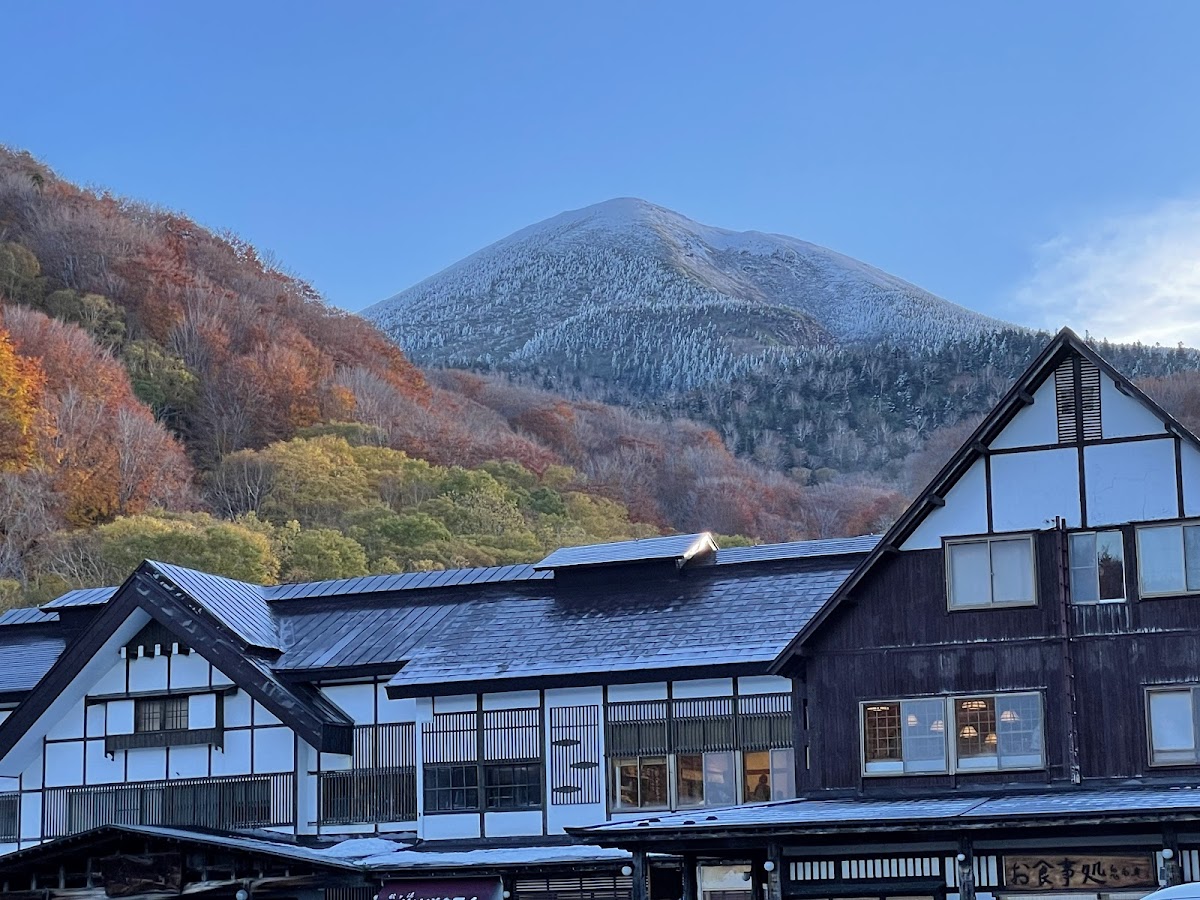
Deep in Towada City, Aomori Prefecture, nestled on the slopes of the South Hakkōda Mountains, Tsuta Onsen is one of Japan’s premier secret hot springs, boasting over a thousand years of history dating back to the Heian period. The single inn “Tsuta Onsen Ryokan,” cradled by a pristine beech forest, is renowned as a rare “hot spring with foot-level gushing,” where hot water wells up from directly beneath the bather’s feet. It has long been cherished by hot spring enthusiasts and cultural figures alike. This article provides detailed information about Tsuta Onsen’s history, hot spring characteristics, facility information, access methods, and surrounding attractions—everything you should know before visiting.
The History of Tsuta Onsen: A Thousand-Year Hot Spring Therapeutic Retreat Continuing from the Heian Period
Tsuta Onsen boasts a long history, with records indicating that therapeutic bathing huts already existed there in Kyuan 3 (1147). This period corresponds to the late Heian period, when hot springs already functioned as places of healing for people.
A Hot Spring Beloved by Cultural Figures
From the Meiji through Taisho periods, Tsuta Onsen was cherished by many cultural figures. In particular, travel writer Keigetssu Ōmachi introduced Tsuta Onsen as one of “Japan’s Three Secret Hot Springs,” spreading its charms to the world. Additionally, literary giants including novelist Yasushi Inoue visited this location and conducted their writing activities in its serene environment.
The Historical Value of the Main Building
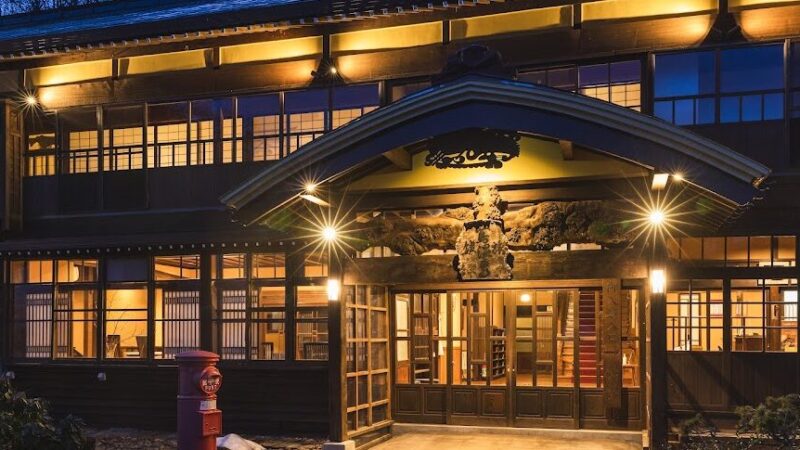
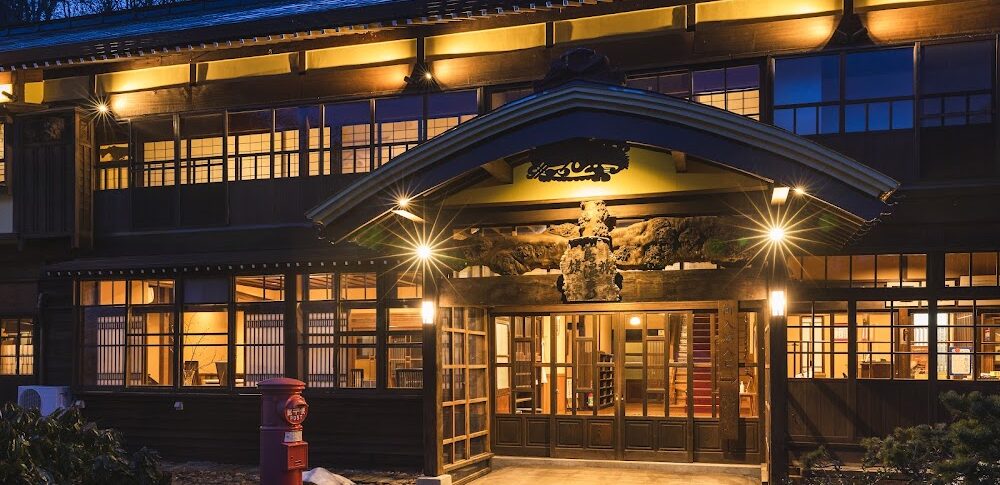
The current main building is a wooden structure built in Taisho 7 (1918), possessing over a hundred years of history. The traditional architectural style, constructed using locally sourced quality wood such as beech and hinoki cypress, still retains its original charm through careful maintenance. The building itself holds considerable cultural heritage value, allowing guests to feel the weight of history with their own senses.
Tsuta Onsen’s Greatest Characteristic: What Is Foot-Level Gushing?
Tsuta Onsen’s most remarkable feature is the extremely rare “foot-level gushing hot spring” found throughout Japan. This is a style in which hot spring water wells up directly from the bottom of the bath, with the bathing pool positioned directly above the spring source.
The Appeal of Foot-Level Gushing
In a foot-level gushing spring, while bathing, one can observe colorless and transparent hot water bubbles rising from beneath one’s feet. The sensation of these water bubbles touching the skin is a unique experience exclusive to Tsuta Onsen. Since the hot spring wells up directly from the source without contacting air, it can be enjoyed in a fresh state, allowing bathers to experience the hot spring with its most concentrated mineral content.
Spring Quality and Therapeutic Benefits
Tsuta Onsen’s spring quality is classified as “sodium sulfate/bicarbonate chloride spring.” It is colorless and transparent with a soft, smooth feel against the skin. With repeated soaking, one becomes increasingly aware of its gentle water quality.
Primary therapeutic benefits:
- Neuralgia
- Muscular pain
- Joint pain
- Frozen shoulder
- Motor paralysis
- Joint stiffness
- Bruising
- Sprains
- Chronic gastrointestinal disorders
- Hemorrhoids
- Cold sensitivity
- Post-illness recovery period
- Fatigue recovery
- Health promotion
The hot spring’s temperature is relatively lukewarm, allowing for extended, leisurely soaking. This permits the body to warm thoroughly from its core, ensuring full benefit from therapeutic bathing.
Tsuta Onsen Ryokan Facility Guide
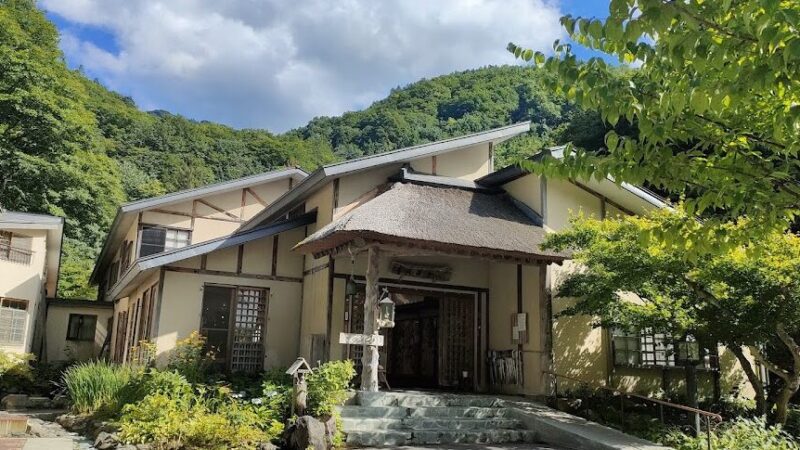
Tsuta Onsen Ryokan, a single inn surrounded by a pristine beech forest, provides a space where tradition and nature harmoniously coexist.
Hot Spring Facilities
Kyuan no Yu (Main Building Public Bath)
“Kyuan no Yu,” located in the main building, is a bathhouse symbolic of Tsuta Onsen’s history. The bathing pool, constructed directly above the spring source, is made from beech and hinoki cypress wood, creating a space where the warmth of wood and the healing of hot springs merge. One can leisurely enjoy the hot spring gushing steadily from the bottom of the pool amid profound silence.
Senkyō no Yu (West Building Public Bath)
The west building features “Senkyō no Yu,” equipped with modern facilities. This bath also features source-fed hot water, and the spacious bathhouse allows for a liberating bathing experience.
Guest Room Types
Tsuta Onsen Ryokan offers various types of guest rooms.
Main Building Guest Rooms
The main building’s guest rooms retain the ambiance of the Taisho era, styled as traditional Japanese rooms. These spaces allow full appreciation of the historic building’s atmosphere, with views of the beech forest from the windows. One can relax in complete tranquility in a quiet environment where time seems to stand still.
West Building Guest Rooms
The west building features relatively newer accommodations that achieve a balance between comfort and tradition. A variety of room types, including spacious Japanese rooms and Japanese-Western hybrid rooms, cater to diverse needs.
Japanese Style Executive Chalet (Special Rooms)
For those seeking a more luxurious stay, the special room “Japanese Style Executive Chalet” is recommended. These private spaces allow guests to spend quality time in seclusion, featuring expansive layouts and refined furnishings ideal for special celebrations or meaningful trips with loved ones.
Cuisine: Traditional Multi-Course Dinners Featuring Local Aomori Ingredients
Tsuta Onsen Ryokan’s cuisine consists of traditional multi-course dinners showcasing Aomori Prefecture’s abundant local ingredients.
Dinner
The menus, which change with the seasons, feature abundant fresh seafood and mountain delicacies from Aomori Prefecture. The table includes dishes prepared with local ingredients such as Himemassu from Lake Towada, scallops from Mutsu Bay, and Aomori-raised beef. Additionally, wild vegetables and mushrooms foraged from the surrounding forest are incorporated into the cuisine.
Breakfast
Breakfast features a gentle Japanese-style set meal. Guests enjoy a breakfast table characteristic of a hot spring inn, complete with small dishes prepared with local vegetables, grilled fish, and hot spring eggs.
Meals are served either in private rooms or common dining areas, allowing guests to savor dishes in a calm atmosphere.
Access Methods to Tsuta Onsen
Since Tsuta Onsen is located in a mountainous area, it is important to confirm access methods beforehand.
Access by Train and Bus
Nearest Station: JR Tōhoku Shinkansen “Shichinohe-Towada Station”
- Tokyo Station to Shichinohe-Towada Station: Approximately 3 hours by shinkansen
- Shin-Aomori Station to Shichinohe-Towada Station: Approximately 20 minutes by shinkansen
Complimentary Shuttle Service
Tsuta Onsen Ryokan offers a complimentary shuttle service from JR Shichinohe-Towada Station to the inn.
- Departure time: 15:00
- Reservation: Required 3 days in advance
- Travel time: Approximately 60 minutes
By utilizing this shuttle service, access to Tsuta Onsen is possible using public transportation alone.
Access by Car
Using the Tōhoku Expressway
- From “Towada IC”: Approximately 40 minutes (approximately 30 km)
- From “Kosaka IC”: Approximately 50 minutes (approximately 35 km)
Via National Route 103
- From Aomori City on National Route 103 toward Lake Towada: Approximately 90 minutes
- From Lake Towada on National Route 103 toward Aomori: Approximately 30 minutes
Parking
The ryokan features complimentary parking with space for approximately 50 vehicles.
Winter Access Precautions
The Tsuta Onsen area is a heavy snowfall region experiencing significant snow accumulation from late November through early April. When accessing the site by car during winter, studless tires are essential. Additionally, roads may be closed depending on weather conditions, so it is recommended to check road information in advance.
Surrounding Attractions: Tsuta Shichisō (Seven Marshes) and Ōirase Gorge
Several natural tourist attractions representative of Aomori Prefecture are scattered around Tsuta Onsen.
Tsuta Shichisō (Seven Marshes/Tsuta Marsh)
“Tsuta Shichisō,” within walking distance of Tsuta Onsen, is a mystical group of marshes surrounded by pristine beech forest. Consisting of seven marshes—Tsuta Marsh, Mirror Marsh, Moon Marsh, Long Marsh, Sedge Marsh, Gourd Marsh, and Red Marsh—each presents a distinct character.
Famous Autumn Foliage Spot
Particularly during autumn foliage season (mid to late October), the scenery is spectacular, with early morning views of “autumn leaves tinted by sunrise” occasionally visible at Tsuta Marsh—a miraculous sight. This period attracts numerous photographers and tourists as a popular destination.
Walking Course
A forest trail encircles Tsuta Shichisō, completable in approximately 1 to 2 hours. A forest bathing walk immensely enriches the pleasures of a hot spring vacation.
Ōirase Gorge
Approximately 20 minutes by car from Tsuta Onsen lies Ōirase Gorge, a roughly 14-kilometer gorge created by clear water flowing from Lake Towada.
Main Attractions
- Chōshi Falls: The largest waterfall in Ōirase Gorge
- Ashura Falls: A spot with beautifully complex water flow
- Kumoi Falls: An elegant waterfall flowing over moss-covered rocks
A forest trail runs along the gorge, allowing hiking while enjoying nature’s seasonal beauty. Whether visiting in spring’s fresh greenery, summer’s cool freshness, autumn’s foliage, or winter’s frozen waterfalls, the gorge offers distinct charm in every season.
Lake Towada
Lake Towada, straddling Aomori and Akita Prefectures, is one of Japan’s premier scenic areas and a caldera lake. Located approximately 40 minutes by car from Tsuta Onsen, the lake offers scenic views from sightseeing boats and surrounding observation decks.
Tips for Enjoying Tsuta Onsen
Ideal Length of Stay
Tsuta Onsen, with its history as a therapeutic retreat, is originally a place for spending several days while leisurely enjoying the hot spring’s benefits. Although one or two nights suffice, a stay of three days and two nights or longer is recommended when possible. Extended stays allow leisurely exploration of surrounding attractions while more fully experiencing the hot spring’s therapeutic effects.
Best Seasons to Visit
Tsuta Onsen holds charm in all four seasons, though particular seasons are especially recommended.
Autumn (Mid to Late October)
Peak foliage season, when spectacular views of Tsuta Shichisō can be enjoyed. However, reservations are extremely difficult to secure during this period, requiring advance booking several months ahead.
Spring (May to June)
The season of fresh greenery, when the beech forest transforms into vibrant green. Relatively uncrowded, this period allows quiet enjoyment of the hot spring.
Winter (December to March)
Bathing in hot springs amid snow is incomparable. One can experience snow-viewing bathing while savoring the stillness of the winter forest. However, access requires careful attention.
Reservation Tips
Since Tsuta Onsen Ryokan is a single inn with limited guest rooms, early reservations are essential, particularly on weekends and during foliage season. Reservations are possible through the official website and major booking sites (Jalan, Rakuten Travel, JTB, etc.).
Last-minute reservations are often difficult, so it is recommended to reserve as soon as travel plans are finalized.
Helpful Items to Bring
- Hiking shoes: Essential for exploring Tsuta Shichisō
- Camera: For photographing natural scenery
- Binoculars: Also suitable for birdwatching
- Insect repellent spray (summer): Insects are abundant in the forest
- Cold-weather clothing (winter): Outdoor areas become extremely cold
Tsuta Onsen’s Appeal: Why It Has Been Beloved for a Thousand Years
Tsuta Onsen’s continued popularity for over a thousand years stems from far more than hot spring quality alone.
Oneness with Nature
The location, surrounded by pristine beech forest, rivals the World Heritage-designated Shirakami Sanchi in natural environment. Complete separation from urban hustle and bustle, spending time in the forest’s silence, represents the ultimate luxury for modern people.
Authentic Therapeutic Bathing Experience
Foot-level gushing, a rare hot spring format, is precisely a place to experience “genuine hot spring” bathing. The experience of immersing oneself in natural, unadulterated hot spring water—unheated, undiluted, and non-circulated—is difficult to obtain elsewhere.
Heritage of History and Culture
The commitment to maintaining Taisho-era architecture and preserving traditional hospitality plays an important role in transmitting Japanese hot spring culture to future generations.
Conclusion: Experiencing Authentic Japanese Hot Spring Culture at Tsuta Onsen
Tsuta Onsen in Towada City, Aomori Prefecture, is one of Japan’s premier secret hot springs with a thousand-year history. Hot spring water welling from beneath one’s feet, pristine beech forest silence, historic architecture, and heartfelt hospitality—all these elements merge to create Tsuta Onsen, a special place where one can experience the essence of Japanese hot spring culture.
Escaping daily bustle, slowly immersing oneself in hot spring water amid nature, and refreshing body and spirit—such is the true pleasure of therapeutic bathing to be experienced at Tsuta Onsen. Why not plan a Tsuta Onsen visit during your next trip?
A single visit will surely reveal why this hot spring has remained beloved for a thousand years. When visiting Aomori Prefecture, be sure to include Tsuta Onsen in your travel plans.