Takayou Onsen, Fukushima Prefecture Complete Guide | Thoroughly Explained: 400 Years of History and the Famous Milky-White Hot Spring
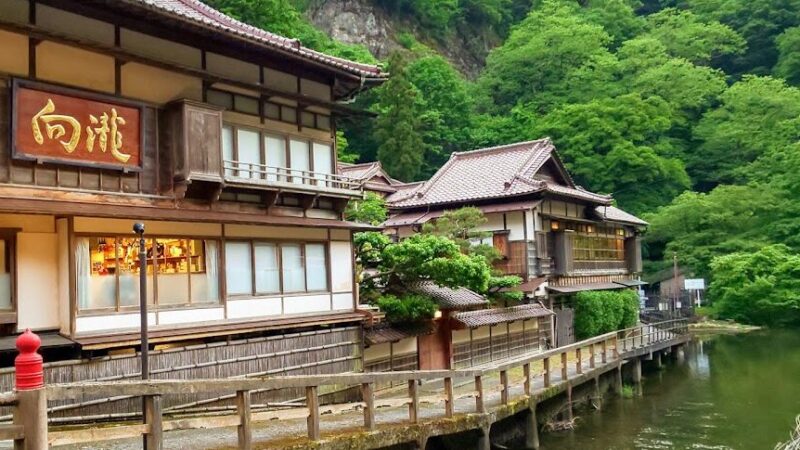
Takayou Onsen, located in Machiniwa-saka, Fukushima City, Fukushima Prefecture, is a hot spring resort situated at an elevation of approximately 750 meters in a high altitude area surrounded by pristine old-growth forests of the Azuma Mountains. With a history of over 400 years since its opening, it has flourished since ancient times as one of the “Three Takayou Hot Springs of Ou” along with Zao Takayou and Shirafu Takayou. The milky-white sulfurous hot spring, also known as the “Kusatsu of Tohoku,” continues to captivate many visitors seeking hot spring treatments with its high medicinal properties and abundant hot spring water.
History and Origin of Takayou Onsen
The history of Takayou Onsen dates back more than 400 years. In ancient times, it was called “Shinobu Takayou,” and it was already widely known as a hot spring treatment destination during the Edo period. In particular, it gained a high reputation for the saying “Tamago-yu is effective for burns,” and many people visited from distant places, as recorded in historical documents.
There is an ancient saying passed down through the ages: “Three days make one round, three rounds make ten days,” which suggests that to fully benefit from the therapeutic effects of Takayou Onsen, a ten-day hot spring treatment was necessary. This phrase speaks to the powerful medicinal effects of the hot spring and the importance of the hot spring treatment culture that heals the body gradually and thoroughly.
Named “Takayou” (high hot spring) from its location at an elevation of 750 meters, it has been beloved by many people across the ages in the rich natural environment of the Azuma Mountains. Even today, while preserving its history and traditions, it continues to inherit the hot spring culture of source water flowing continuously.
Spring Quality and Benefits of Takayou Onsen
Characteristics of the Spring Quality
The most distinctive feature of Takayou Onsen is its beautiful milky-white turbid hot spring water. The spring quality is acidic sulfurous (sulfurous hot spring), with source temperatures ranging from 42°C to 51°C and abundant hot spring water volume. This milky-white color comes from sulfur components, and the abundant minerals contained in the hot spring work gently on the skin.
The hot spring, with its sulfurous aroma, is provided as source water flowing continuously, allowing guests to enjoy “hot spring in its natural state” with minimal water addition and heating. Because it is an acidic hot spring with a low pH value, it also has high sterilization effects and has been said to be effective for skin diseases since ancient times.
Hot Spring Benefits
Takayou Onsen is known for its high medicinal properties, earning the nickname “Kusatsu of Tohoku.” The following conditions are said to be benefited by its main therapeutic effects:
Skin Conditions: acne, heat rash, atopic dermatitis, athlete’s foot, and others
Wounds: burns, cuts, chilblains, and others
Gynecological Issues: gynecological diseases, infertility, and others
Digestive System: gastroenteritis and others
The effectiveness for burns is particularly well-regarded since the Edo period, and the saying “Tamago-yu is effective for burns” continues to be passed down to the present day. The sterilizing action of the acidic sulfurous hot spring and the abundant mineral components are believed to promote skin regeneration.
Continuous Source Water Declaration
Takayou Onsen as a whole has declared a “continuous source water flowing” policy. This is an initiative to maximize the original effects of the hot spring spring by continuously pouring fresh hot spring water into bathing pools without circulating the source water.
By avoiding water addition and heating as much as possible and providing the natural blessing as-is, one can experience the original power of the hot spring. This stance is also a manifestation of the strong intention to preserve the traditions of Takayou Onsen, which have continued for over 400 years, and to pass them on to future generations.
Accommodation Facilities List at Takayou Onsen
Takayou Onsen has various types of accommodation facilities scattered throughout, from historic inns to modern hotels.
Major Inns and Hotels
Tamago-yu
A long-established inn famous for its thatched-roof bathhouse with a 150-year history. Since the Edo period, it has had a high reputation for being “effective for burns” and conveys the atmosphere of a traditional hot spring treatment resort. With multiple source springs, guests can enjoy exquisite source water at bathhouses with different styles. Located at 7 Takayou, Machiniwa-saka, Fukushima City, Fukushima Prefecture.
Adachiya
An inn where guests can enjoy source water flowing continuously at multiple bathhouses. Equipped with newly renovated facilities such as “Nishi-no-yu” and “Taiki-no-yu,” it provides a hot spring experience where tradition and innovation merge.
Kagetsu Highland Hotel
Known as a “hot spring inn in the sky,” it quietly stands on a highland at an elevation of 800 meters. You can enjoy 100% natural hot spring milky-white sulfurous water in an open space.
Other individually distinctive accommodation facilities such as Azumaya, Seishin Sanso, Ryokan Higeno-ie, and Nonbiri-kan form the hot spring town.
Shared Public Bath “Attaka-yu”
Takayou Onsen has a shared public bath called “Attaka-yu” where locals and tourists can easily enjoy themselves. The facility is beloved as a place where one can enjoy authentic source water flowing continuously hot springs at reasonable rates.
Day-use bathing is also available, and many tourists stop by after trekking or sightseeing. It is a valuable facility where one can experience hot spring culture rooted in the community.
Access to Takayou Onsen
Access by Train and Bus
JR Fukushima Station is the nearest station. From Fukushima Station to Takayou Onsen is approximately 18 kilometers away, and access is available through the following methods:
Scheduled Bus: Fukushima Kotsu operates a scheduled bus service from Fukushima Station to Takayou Onsen. The travel time is approximately 40 minutes.
Shuttle Service: Many inns and hotels offer shuttle service from Fukushima Station. Since it is often on a reservation basis, it is recommended to confirm with your accommodation.
Access by Car
From the Tohoku Expressway: Approximately 30 minutes from Fukushima Nishi IC. After exiting the IC, head to Takayou Onsen via National Route 115 and prefectural roads.
From the Yamagata Direction: Approximately 90 minutes by car from the Inawashiro Station area. There is also a route utilizing the Bandai-Asama Skyline.
The Bandai-Asama Skyline, being a high-altitude mountain road, has nighttime closures (17:00 to 8:00) and winter closure periods. Traffic restrictions may also be imposed depending on weather conditions, so it is important to check road information in advance.
Sightseeing Around Takayou Onsen
Bandai-Asama Skyline
The Bandai-Asama Skyline, which continues from Takayou Onsen to Jododaira, is a mountain scenic road approximately 29 kilometers long. Selected as one of “100 Famous Roads of Japan,” you can enjoy a drive while taking in the grand scenery of the Azuma Mountains.
Jododaira is located at an elevation of approximately 1,600 meters, where a desolate landscape unique to volcanic terrain spreads out. With an astronomical observatory and wetlands, you can enjoy observing alpine plants and trekking. However, temperatures can be 10 degrees or more lower than the plains, so cold protection measures are necessary.
Azuma Komafuji
Azuma Komafuji, accessible on foot in about 10 minutes from Jododaira, is a volcano with an elevation of 1,707 meters. There is an “Ochachi Meguri” course that circles the crater, taking about 15 minutes, where you can see the crater with a diameter of approximately 500 meters up close.
The crater has a depth of approximately 70 meters to the bottom, and its impressive landscape is worth seeing. On clear days, you can see the Fukushima Basin and even the distant Pacific Ocean.
Trekking Guide
The area around Takayou Onsen has various trekking courses set up for both beginners and advanced hikers.
For Beginners: The wetland exploration course around Jododaira allows you to observe alpine plants in about one hour. With wooden boardwalks, the course is easy to walk.
For Intermediate Hikers: The climbing course to Isesaki Yama takes about one hour and 30 minutes one way. You can overlook the Goshikinu (Five-Color Pond), called the “Witch’s Eyes.”
For Advanced Hikers: The Azuma Range Traverse Course offers a full-scale mountain trekking experience. Sufficient equipment and experience are necessary.
After enjoying trekking, you can soothe your fatigue in the source water flowing continuously hot spring of Takayou Onsen.
Four Seasons of Takayou Onsen
Spring (April to June)
As snow melts, the area around Takayou Onsen enters a season of fresh green foliage. The Bandai-Asama Skyline typically opens in mid-April, and you can see the “snow corridor.” Driving through towering snow walls several meters high is spectacular.
From May to June, alpine plants bloom one after another, and around Jododaira, you can observe delicate flowers. A soak in the hot spring amid fresh greenery is exceptional, offering a refreshing feeling unique to the budding season.
Summer (July to September)
Takayou Onsen at an elevation of 750 meters remains cool even in summer. It is 5 to 10 degrees cooler than Fukushima City center, offering a comfortable coolness like a natural air conditioner.
From July to August, the most alpine plants around Jododaira are at their best. Komaretsutsu, Iwakagami, Chinguruma, and other colorful flowers bloom in profusion.
At night, you can enjoy a starry sky full of stars, and celestial observation is also possible at Jododaira Astronomical Observatory. The luxury of gazing at the starry sky from an open-air bath on a cool summer night can be experienced uniquely at Takayou Onsen.
Autumn (October to November)
The autumn colors of the Azuma Mountains begin from the peaks in late September to early October and gradually descend toward the foothills. In mid-October, the area around Takayou Onsen reaches the most beautiful autumn foliage season.
Beech trees, Nanakamado, maples, and other trees turn red and yellow, and the entire hot spring town is wrapped in autumn colors. An open-air bath overlooking autumn foliage is a luxury unique to autumn.
The Bandai-Asama Skyline closes for winter in mid-November, so the autumn foliage season sees many tourists.
Winter (December to March)
Winter at Takayou Onsen is severe, with snowfall often exceeding two meters. However, this snow enhances the charm of Takayou Onsen further.
A snow-viewing open-air bath is exceptional, gazing upon gently falling snow while soaking in hot, sulfurous water, an unforgettable memory. The contrast between the milky-white hot spring and pure white snow is beautiful, creating a fantastical atmosphere.
From January to February, the cold is most severe, with temperatures sometimes dropping below minus 10 degrees Celsius, but the warmth of the hot spring is all the more deeply felt. During winter, the Bandai-Asama Skyline is closed, allowing guests to enjoy the quiet hot spring atmosphere.
Accommodation and Rates at Takayou Onsen
Each accommodation facility at Takayou Onsen has its own unique appeal. Rates vary significantly depending on the facility and plan, but here is a general guide.
Accommodation Rate Guide
Standard Plan (1 night with 2 meals): Approximately 12,000 to 20,000 yen
Premium Plan (special rooms or special cuisine): Approximately 25,000 to 40,000 yen
Hot Spring Treatment Plan (room only or self-catering): Approximately 6,000 to 10,000 yen
Many inns have rates that fluctuate depending on the season and day of the week. Rates tend to increase during peak seasons such as autumn foliage season and year-end holidays.
Reservation Methods
You can reserve directly through each inn’s official website, or you can search for availability and make reservations through travel booking sites such as Rakuten Travel, Jalan.net, and Yuko Yuko. Reservations through official websites sometimes come with special benefits.
Popular inns often fill up early, especially on weekends, during holiday periods, and during autumn foliage season, so it is recommended to reserve 2 to 3 months in advance.
Day-Use Bathing
Most inns and hotels accept day-use bathing. Rates are approximately 500 to 1,000 yen, with towels being an additional fee or bring-your-own basis.
Day-use bathing reception hours vary by facility, but are generally between 10:00 and 15:00. Depending on crowding conditions, bathing may be refused, so it is recommended to confirm in advance.
Ways to Spend Time at Takayou Onsen
Hot Spring Treatment Stays
As the saying “Three days make one round, three rounds make ten days” suggests, to experience the true appeal of Takayou Onsen, a stay of several days is recommended. Many inns offer consecutive-night plans, and there are also long-stay hot spring treatment plans available.
The basic principle of hot spring treatment is bathing 2 to 3 times per day. Bathing at different times—morning bath, daytime bath, and evening bath—is said to maximize the benefits of the hot spring.
Meals
Inns at Takayou Onsen serve cuisine that makes use of the rich ingredients of Fukushima Prefecture. You can enjoy local Aizu cuisine, locally harvested mountain vegetables, river fish, and other seasonal flavors.
Particularly in autumn, mushroom dishes, new rice, and in winter, hot pot dishes and other seasonal cuisine are attractions. Some inns also offer in-room dining or private dining rooms, allowing for private time.
Post-Bath Pleasures
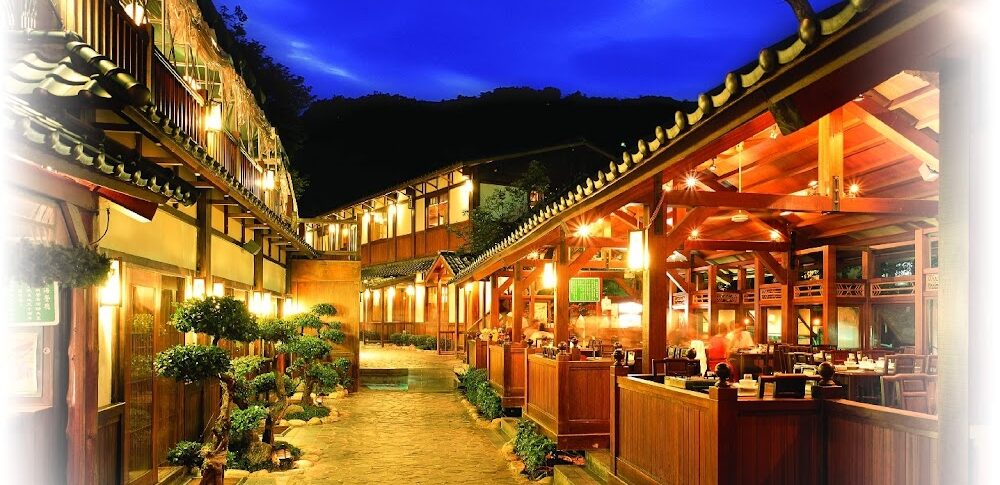
The hot spring town has scenic walking paths and shops selling local specialty products. Walking through the hot spring town in a yukata where sulfurous aromas drift is a chance to experience old-fashioned hot spring ambiance.
At night, stargazing is also recommended. With high elevation and clear air, you can enjoy a sky full of stars. The experience of gazing at the starry sky from an open-air bath is a luxury unique to Takayou Onsen.
Takayou Trivia
Takayou Onsen has various anecdotes and legends that have been cultivated over its long history.
Legend of Hot Spring Discovery
There are various theories about the discovery of Takayou Onsen, but one legend says that a hunter discovered it after seeing a wounded deer soaking in the hot spring water and healing its wounds. This tale of animals intuitively knowing the benefits of hot springs speaks to the high efficacy of the hot spring.
Inheritance of Hot Spring Treatment Culture
The hot spring treatment culture that continues from the Edo period is still carefully preserved in modern times. In the past, during agricultural off-seasons, farmers would stay for long periods to heal their bodies.
The saying “Three days make one round, three rounds make ten days” means that the benefits of the hot spring circulate through the body every three days, and only after ten days does it fully permeate the entire body. This teaching conveys the importance of slowly and carefully healing the body in modern busy life.
The Nickname “Kusatsu of Tohoku”
Takayou Onsen is called the “Kusatsu of Tohoku” because its spring quality and benefits are comparable to Kusatsu Onsen in Gunma Prefecture. It shares the common characteristic of being an acidic sulfurous hot spring, and this nickname was given particularly because of its high effectiveness for skin diseases.
Precautions When Visiting Takayou Onsen
Seasonal Precautions
Winter: Heavy snowfall requires studded tires or chains. The Bandai-Asama Skyline is closed for winter from mid-November to mid-April.
Spring: During snowmelt, road surfaces are often wet, requiring careful driving.
Summer: Due to high elevation, nighttime can be cool. Bring a wrap or sweater.
Autumn: The autumn foliage season is crowded, requiring early reservations and allowing time for your travels.
Hot Spring Bathing Precautions
Takayou Onsen has strong acidity, so the following points require attention:
- Remove metal accessories before bathing as they may discolor
- For those with sensitive skin, keep bathing time short and lightly rinse with fresh water after exiting. This is recommended.
- If you have cuts, they may sting initially, but this is due to the sterilizing action
- Drink plenty of water after bathing
Effects of Elevation
Being at an elevation of 750 meters, some people may feel the effects of air pressure changes. Those with high blood pressure or heart concerns should enjoy the hot spring at a comfortable pace.
Summary
Takayou Onsen is a famous hot spring with a history of over 400 years, nestled in the Azuma Mountains of Fukushima City, Fukushima Prefecture. The milky-white sulfurous hot spring, also known as the “Kusatsu of Tohoku,” is provided as source water flowing continuously, and its high medicinal properties have been widely known since the Edo period.
Located at an elevation of 750 meters, the hot spring resort, surrounded by beautiful nature in four seasons, is an ideal place to escape the hustle and bustle of daily life and heal body and mind. Surrounding sightseeing, such as the Bandai-Asama Skyline and Jododaira, are abundant, allowing you to fully enjoy nature along with the hot spring.
As the saying “Three days make one round, three rounds make ten days” suggests, it is recommended to stay for an extended period to experience the true appeal of Takayou Onsen. The luxury of soaking in continuously flowing hot spring water at a historic inn, savoring Fukushima’s rich food ingredients, and gazing at starry skies is sure to become unforgettable memories.
Ease of access, just approximately 30 minutes by car from JR Fukushima Station, is another attraction. While day-use bathing is possible, the true hot spring charm can only be experienced through overnight stays. For your next holiday, why not spend time refreshing both body and mind at Takayou Onsen?