Complete Guide to Tokachi-dake Onsen | Thorough Explanation of Hokkaido’s Highest Altitude Secret Hot Spring
What is Tokachi-dake Onsen? The Charm of Hokkaido’s Highest Altitude Hot Spring Town
Tokachi-dake Onsen is located on the western mid-slope of the Tokachi-dake mountain range at an altitude of approximately 1,000m to 1,280m, making it Hokkaido’s highest altitude hot spring resort. Embraced by the majestic nature of Daisetsuzan National Park, this hot spring area spreads near the forest line and is known as the hot spring closest to the sky.
About 40 minutes by car from the town center of Kamifurano, the hot spring originates from the geothermal heat of Nukkakushi crater, created by the volcanic activity of Tokachi-dake, providing visitors with an extraordinary experience. The surrounding area is covered with primordial forests of Aka-ezo spruce, displaying different landscapes with each season.
History and Origins of Tokachi-dake Onsen
The history of Tokachi-dake Onsen is deeply intertwined with the volcanic activity of Tokachi-dake. The hot spring generated by the heat of Nukkakushi crater has long been cherished by mountaineers and local residents. Currently, three hot spring inns operate in the area, each with its own private hot spring source, offering unique bathing experiences.
Located within Daisetsuzan National Park, this hot spring resort has developed while maintaining harmony between nature conservation and tourism. Due to its high altitude, winters present a harsh environment, but in return, only those who visit are treated to the special scenery and hot springs available there.
Thorough Comparison of Three Lodging Facilities at Tokachi-dake Onsen
Tokachi-dake Onsen has three hot spring inns: “Furano Shiyuirin,” “Kami-Horo Lodge,” and “Yumoto Ryounkaku,” listed in order of proximity to the Kamifurano town center. Each is positioned at different altitudes and possesses its own hot spring source and individuality.
Yumoto Ryounkaku | The Highest Altitude Hot Spring at 1,280m
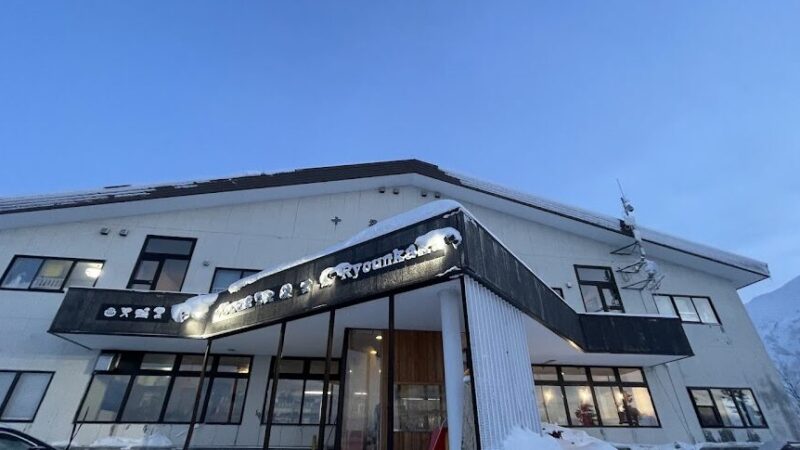
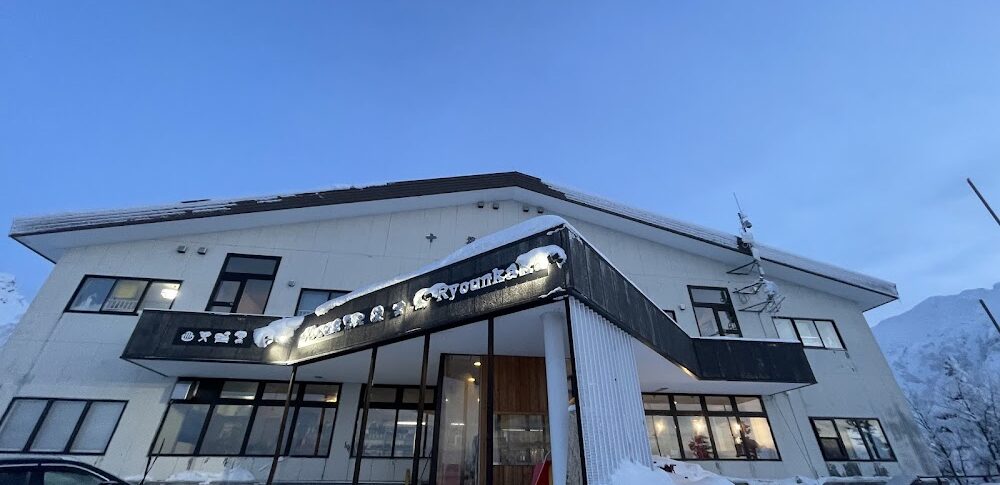
Ryounkaku is the hot spring inn at the highest altitude in Tokachi-dake Onsen at 1,280m. Known as Hokkaido’s highest altitude hot spring inn, it is also a member of the Association to Preserve Japanese Secret Hot Springs.
Characteristics of Ryounkaku’s Hot Spring
The greatest appeal of Ryounkaku is the opportunity to enjoy two different hot spring sources. There is a tea-brown hot spring rich in iron content and a transparent acidic hot spring, each offering different effects and bathing experiences.
The hot springs feature two bathhouses—”Oiwa-no-Yu” and “Koiwa-no-Yu”—which are separated by gender at different times of day. The outdoor bath offers a magnificent panorama of the Tokachi-dake mountain range, allowing guests to enjoy bathing while viewing truly spectacular scenery. The unique high-altitude setting, with mountains standing imposingly right before you, offers an unparalleled special experience found nowhere else.
Positioned with mountains on all sides, this location is ideal for observing sea of clouds and starry skies. In early morning, you can view the sea of clouds spreading below; at night, a blanket of stars stretches across the sky. In this reality-transcending natural environment, you can refresh both body and mind.
Kami-Horo Lodge | A Hot Spring Facility at the Midpoint
Kami-Horo Lodge is situated at the midpoint between Shiyuirin and Ryounkaku. Positioned at approximately 1,200m altitude, it offers views from the mid-slope of the Tokachi-dake mountain range.
The environment surrounded by primordial Aka-ezo spruce forests displays different characteristics in each season. Particularly during the fall foliage season, the surrounding mountains are painted in fiery reds and golden yellows, allowing guests to enjoy spectacular views while soaking in the hot spring.
Furano Shiyuirin | The Hot Spring Inn Closest to Town
Shiyuirin is the hot spring inn positioned closest to the Kamifurano town center among the three facilities. It combines good access and hot spring quality, making it recommended for those visiting Tokachi-dake Onsen for the first time.
Each facility draws from its own private hot spring source, and since water quality and atmosphere differ, enjoying a hot spring tour visiting multiple facilities is one of the highlights of Tokachi-dake Onsen.
Hot Spring Water Quality and Benefits of Tokachi-dake Onsen | The Charm of Diverse Sources
The greatest characteristic of Tokachi-dake Onsen is the opportunity to enjoy diverse water qualities unique to each facility. Hot springs generated by the geothermal heat of Nukkakushi crater each possess unique composition and benefits.
Tea-Brown Hot Spring Rich in Iron
One of the representative water qualities of Tokachi-dake Onsen is the tea-brown hot spring abundant in iron content. This hot spring contains abundant iron ions, which oxidize when exposed to air, creating a distinctive tea-brown color.
Main Benefits
- Improvement of anemia
- Relief of cold sensitivity
- Fatigue recovery
- Alleviation of muscle and joint pain
Iron-rich hot springs are also called “waters for fertility,” and are said to be effective for women-specific concerns. After bathing, the body remains pleasantly warm, with a prolonged warming effect characteristic of these springs.
Transparent Acidic Hot Spring
Another representative water quality is the skin-friendly transparent acidic hot spring. Acidic hot water has bactericidal properties and maintains skin cleanliness.
Main Benefits
- Improvement of skin conditions
- Relief of atopic dermatitis
- Beauty and skin-enhancement effects
- Bactericidal and disinfectant action
Acidic springs are also called “beauty waters,” removing old dead skin and leaving skin smooth. However, those with sensitive skin are advised to rinse with a shower after bathing.
Adaptations and Bathing Precautions
The adaptations for Tokachi-dake Onsen include neuralgia, muscle pain, joint pain, frozen shoulder, motor paralysis, joint stiffness, bruises, sprains, chronic digestive disorders, hemorrhoids, cold sensitivity, post-illness recovery, fatigue recovery, and health promotion.
Due to the high altitude, those with heart or respiratory conditions should consult a physician before bathing. Additionally, the high altitude may affect health through changes in atmospheric pressure, so bathing without overexertion is recommended.
Access Methods to Tokachi-dake Onsen
Access to Tokachi-dake Onsen primarily requires a private vehicle. While public transportation is limited, each method is detailed below.
Access by Car
From Sapporo Area
- Approximately 90km via National Route 237 from “Asahikawa Takasu IC” on the Doo-o Expressway (approximately 2 hours)
- Approximately 100km via National Routes 452 and 237 from “Kasuga IC” on the Doo-o Expressway (approximately 2 hours 15 minutes)
From Asahikawa Airport
- Approximately 50km via National Route 237 (approximately 1 hour)
- Convenient access as the nearest airport
From Kamifurano Town Center
- Approximately 18km via Prefectural Road 291 (Fukiage-Kamifurano Line) (approximately 40 minutes)
- Inputting facility names into car navigation is reliable
During winter (late November to early May), studless tires are essential due to snow accumulation and road icing. Additionally, roads may close due to weather conditions, so checking road conditions in advance is recommended.
Access by Public Transportation
By JR Train
- Get off at “Kamifurano Station” on the JR Furano Line
- Approximately 50 minutes from the station by bus or taxi
By Bus
- Bus service runs from Kamifurano Station to Tokachi-dake Onsen (seasonal operation)
- Schedule and timetables should be confirmed in advance
By Taxi
- Approximately 40 minutes from Kamifurano Station
- Fare approximately 8,000 to 10,000 yen one way
Access by public transportation is limited, making rental car use most convenient. Additionally, some lodging facilities offer shuttle services, so check when making reservations.
Tourist Attractions Around Tokachi-dake Onsen
When visiting Tokachi-dake Onsen, it’s worth enjoying nearby attractions as well. This area surrounded by nature offers numerous fascinating sights.
Tokachi-dake and Furano-dake Climbing
Tokachi-dake Onsen serves as a trailhead for climbing Tokachi-dake and Furano-dake, utilized by many mountaineers. Particularly in summer, climbers can walk beautiful trails where alpine plants bloom.
Tokachi-dake Climbing
- Altitude: 2,077m
- Climbing time: Approximately 6-7 hours round trip
- Difficulty: Intermediate level
- Highlights: Crater, sulfur vents, 360-degree panorama
Furano-dake Climbing
- Altitude: 1,912m
- Climbing time: Approximately 7-8 hours round trip
- Difficulty: Intermediate level
- Highlights: Alpine plants, views of Tokachi-dake mountain range
Nukkakushi Crater Viewing
Nukkakushi crater, located relatively close to Tokachi-dake Onsen, allows visitors to experience the volcanic activity of Tokachi-dake, an active volcano, up close. The sight of sulfur vents rising is dramatic, allowing one to feel the earth’s breath.
Volcanic gas is present around the crater area, so those in poor health or with heart or respiratory conditions should be careful not to approach.
Views of the Furano Basin
The views of the Furano Basin from Tokachi-dake Onsen are spectacular. The outlook from the outdoor bath is particularly exceptional, with the panoramic expanse of the basin below and distant mountain ranges captivating visitors.
A sea of clouds frequently develops in early morning, and the fantastical sight of mountains floating in this sea of clouds can be enjoyed. At night, a starry sky spreads overhead, offering an excellent spot for observing the Milky Way and shooting stars.
Lavender Fields in Kamifurano Town
Kamifurano Town, approximately 40 minutes by car from Tokachi-dake Onsen, is known as the “Lavender Town.” During peak lavender season from mid to late July, purple blankets of flowers color the rolling hills.
Main Lavender Spots
- Flowerland Kamifurano
- Hinode Park
- Miyama Pass
Combining the hot spring with lavender field tours in the Furano area is recommended.
Hill Tours of Biei
Biei Town, approximately 1 hour by car from Tokachi-dake Onsen, is famous for beautiful rural scenery spread across gently rolling hills. Roads like “Patchwork Road” and “Panorama Road” display picture-like scenery.
Popular Spots
- Blue Pond
- Shirogane Hot Spring
- Shikisai no Oka
- Ken and Mary’s Tree
- Seven Stars Tree
A tourism plan combining Tokachi-dake Onsen with the Biei and Furano area has become a standard course for Hokkaido travel.
Seasonal Pleasures of Tokachi-dake Onsen
Tokachi-dake Onsen, positioned above 1,000m altitude, displays different characteristics with each season. Knowing the appeal of each season makes choosing a visit time enjoyable.
Spring (May to June): Season of Snowmelt and New Growth
Spring at Tokachi-dake Onsen arrives late; snow may remain even in May. With snowmelt, alpine plants begin to bud, welcoming a season of beautiful new greenery.
Spring Highlights
- Contrast of remaining snow and new foliage
- Flowers such as Ezo-engo-saku and mizubasho
- Streams created by snowmelt
- Beginning of climbing season
Spring is a relatively quiet period for tourists, making it recommended for those seeking a peaceful hot spring experience.
Summer (July to August): Prime Season for Climbing and Alpine Plants
Summer is the busiest season at Tokachi-dake Onsen. It is peak climbing season with many mountaineers visiting. Alpine plants bloom in profusion, with colorful flowers adorning the mountains.
Summer Highlights
- Alpine flower meadows (chinguruma, ezo-kozakura, iwabukuro, etc.)
- Comfortable climbing conditions
- High frequency of sea of clouds
- Starry night skies
- Cool climate (average temperature 15-20 degrees Celsius)
The high altitude makes even midsummer comfortably cool. However, mornings and evenings can be cold, so bring a jacket.
Autumn (September to October): Peak Season for Fall Foliage Spectacle
Autumn is said to be the most beautiful season at Tokachi-dake Onsen. From mid-September to early October, mountains are painted in reds and golds, offering magnificent fall foliage views.
Autumn Highlights
- Fall foliage of Tokachi-dake mountain range (nanakamado, dake-kanba, etc.)
- Foliage views from outdoor baths
- Clear air and starry skies
- Possibility of early snow (late October)
The foliage season is very crowded; advance lodging reservations are recommended. Weekends especially tend to be fully booked.
Winter (November to April): Snowy Landscapes and Backcountry
Winter at Tokachi-dake Onsen creates a harsh environment, but offers special experiences in return. The combination of snow-covered mountains and snow-viewing baths is exceptional.
Winter Highlights
- Snow-viewing outdoor baths
- Backcountry skiing and snowboarding
- Tree-ice formations (ice monsters)
- Winter starry skies (brilliant in clear air)
- Hot spring steam and snowy landscapes
Winter road conditions are severe; even with studless tires, some days may be impassable. Also, some facilities close seasonally, making advance confirmation essential. Advanced users often visit as a backcountry base.
Lodging Experience at Tokachi-dake Onsen | Rooms and Meals
Lodging facilities at Tokachi-dake Onsen offer not only hot springs but also scenic views from rooms and meals prepared with local ingredients.
Spectacular Views from Rooms
Rooms at each facility offer views of the Tokachi-dake mountain range and Furano Basin. The views from Ryounkaku at 1,280m altitude are particularly stunning, with landscapes viewed from above cloud level providing a surreal experience.
In the morning, you can enjoy mountains bathed in sunrise light from your room; at night, a starry sky spreads overhead. With luck, early morning may reveal the fantastical sight of a sea of clouds.
Meals Using Hokkaido Ingredients
Lodging facilities at Tokachi-dake Onsen serve cuisine prepared with fresh ingredients from Kamifurano town and the Furano area.
Representative Ingredients
- Kamifurano pork (pork sagari, etc.)
- Furano vegetables (potatoes, asparagus, tomatoes, etc.)
- Hokkaido seafood (seasonal variation)
- Local dairy products (cheese, butter, etc.)
- Mountain vegetables (spring season limited)
Despite being a mountain inn, fresh and delicious meals are available thanks to Hokkaido’s abundant ingredients. Breakfasts feature soft-boiled hot spring eggs and salads made with local vegetables and other body-friendly menus.
Day-Trip Bathing Availability
Day-trip bathing is available at some facilities. Guests can stop by to relax after climbing or while sightseeing.
General Day-Trip Bathing Information
- Operating hours: Varies by facility (generally around 10:00 to 17:00)
- Fee: Approximately 600 to 800 yen
- Towel rental available (fee required)
Day-trip bathing hours and fees vary by facility and may change seasonally or by day of week, so advance confirmation with each facility is recommended.
Important Notes and Etiquette When Visiting Tokachi-dake Onsen
Here are important precautions and etiquette to know for a comfortable visit to Tokachi-dake Onsen.
High-Altitude Specific Precautions
Being situated above 1,000m altitude requires different attention than at lower elevations.
Health Precautions
- Possibility of altitude sickness (headache, dizziness, nausea, etc.)
- Those with heart or respiratory conditions should consult a physician
- Health changes from atmospheric pressure shifts
- Intense ultraviolet rays (sun protection essential)
- Significant temperature variations (prepare for temperature changes)
If you have health concerns, take your time acclimating rather than pushing yourself.
Road and Weather Precautions
Winter Road Conditions
- Studless tires essential
- Poor visibility from blizzards
- Road icing and ice-covered surfaces
- Possibility of road closures
Summer Precautions
- Dense fog development
- Sudden weather changes
- Wildlife encounters (ezo deer, etc.)
Always check weather forecasts and road conditions before departure, avoiding reckless driving.
Hot Spring Bathing Etiquette
Basic Bathing Etiquette
- Wash your body before bathing (rinse beforehand)
- Don’t put towels in the hot spring
- Avoid prolonged soaking (particularly important at high altitude)
- Avoid bathing after drinking alcohol
- Refrain from loud conversations
Water Quality Specific Precautions
- Acidic springs have stronger skin irritation; those with sensitive skin should be cautious
- Rinsing off with a shower after bathing is recommended
- Metal accessories may discolor
Natural Environment Conservation Etiquette
Located within Daisetsuzan National Park, Tokachi-dake Onsen requires environmental protection.
Etiquette to Follow
- Always take trash with you
- Don’t collect plants
- Don’t venture off established trails
- Don’t feed wildlife
- Follow instructions in volcanic gas areas
Observing this etiquette preserves the beautiful natural environment for future generations.
Tokachi-dake Onsen and Tokachi-dake Geopark
Tokachi-dake Onsen is positioned as one of the important geosites of Tokachi-dake Geopark. A geopark is an initiative to protect geologically significant natural heritage while utilizing it for education and tourism.
Relationship Between Volcanic Activity and Hot Springs
Tokachi-dake is an active volcano with ongoing activity, most recently erupting in 1988-89. Hot springs are generated by the heat of Nukkakushi crater; volcanic activity and hot springs are closely related.
Hot spring composition and temperature are influenced by underground volcanic activity, making them both natural blessings and proof of a living volcano. Bathing in the spring while sensing the earth’s breath is possible.
Geological Significance
Various landforms and geological features created by volcanic activity are visible around Tokachi-dake.
Main Geological Points of Interest
- Craters and vents
- Lava flow traces
- Volcanic ash layers
- Hot spring deposits (iron-created tea-brown rocks, etc.)
These serve as valuable educational materials for studying earth history.
As an Educational and Learning Space
Tokachi-dake Geopark provides opportunities to learn about coexistence between volcanoes and humans. While enjoying the blessing of hot springs, it’s necessary to confront volcanic disaster risks; the area is important for disaster prevention education.
Visitor centers and facilities feature exhibitions and explanations of Tokachi-dake’s volcanic activity and geology, allowing learning while enjoying hot springs.
Reservations at Tokachi-dake Onsen and Cost-Effective Use
Here are reservation methods and tips for enjoying Tokachi-dake Onsen affordably.
Reservation Methods
Internet Reservations
- Official websites of individual lodging facilities
- Reservation sites like Rakuten Travel and Jalan.net
- Easy comparison of accommodation plans
- Special benefits including point rewards
Phone Reservations
- Direct contact with facilities
- Easier to communicate specific requests
- Immediate confirmation of availability
Best Reservation Timing
Peak Seasons (Early Reservation Required)
- Fall foliage season (mid-September to early October): 2-3 months ahead
- Summer climbing season (July to August): 1-2 months ahead
- Weekends and holidays: 1 month ahead
Relatively Easy Booking Periods
- Spring (May to June)
- Early autumn before foliage (early September)
- Weekdays
Cost-Effective Usage Methods
Lodging Plan Selection
- Meals-not-included plans: More economical
- Multi-night discounts: Savings for multiple nights
- Early booking discounts: Special benefits for advance reservations
Day-Trip Bathing Utilization
- Use when overnight stays are difficult
- Possible to enjoy multiple facility hot spring tours
- Combine with climbing
Area Tourism Combinations
- Combine with Biei and Furano area sightseeing
- Shopping and dining at roadside stations
- Participation in seasonal events
Conclusion: Experience Special Hot Spring Moments at Tokachi-dake Onsen
Tokachi-dake Onsen, as Hokkaido’s highest altitude hot spring resort, offers an unparalleled experience. Spectacular views from above 1,000m altitude, distinctive water qualities at each hot spring, nature’s four seasons, and its function as a mountaineering and backcountry base—these comprise its appeal.
The three hot spring inns each possess unique character, offering both tea-brown iron-rich waters and transparent acidic springs. Outdoor baths provide Tokachi-dake mountain range panoramas; early morning sea of clouds, nighttime starry skies, autumn foliage—landscapes change with time and season, captivating visitors.
Access is challenging, but this very difficulty gives Tokachi-dake Onsen its value as a secret hot spring. Approximately 40 minutes from Kamifurano town center, approximately 1 hour from Asahikawa Airport—a short drive into an alternate world beyond everyday life.
For mountaineering enthusiasts, hot spring lovers, nature photographers, and all who wish to immerse themselves in Hokkaido’s nature, Tokachi-dake Onsen promises unforgettable experiences. Why not experience the hot spring closest to the sky at 1,280m altitude?
When visiting, check weather and road conditions in advance and prepare equipment suitable for the season; please enjoy safely. Book early, particularly as crowds are expected during foliage season and summer climbing season; plan your trip carefully.
Enjoy Hokkaido’s majestic nature and supreme hot springs to your heart’s content at Tokachi-dake Onsen.