Complete Guide to Asahidake Onsen|Explaining Hokkaido’s Highest Peak Scenic Hot Spring Resort in Detail
Asahidake Onsen is a mountain hot spring resort sprawling at an elevation of approximately 1,100m on the slopes of Asahidake (elevation 2,291m), Hokkaido’s highest peak, located within Daisetsuzan National Park in the near-center of Hokkaido. Surrounded by pristine nature, it is loved by many climbers and tourists as a representative secret hot spring resort in Hokkaido, where visitors can enjoy spectacular scenery throughout the four seasons and high-quality hot spring water.
This article comprehensively introduces information you should know when visiting Asahidake Onsen, including its attractions, spring quality, access methods, recommended accommodation facilities, surrounding tourist spots, and climbing information.
What is Asahidake Onsen? Its History and Characteristics
History of Asahidake Onsen
The history of Asahidake Onsen is relatively recent, with full-scale development as a hot spring resort beginning after the 1950s. Before that, there were only mountain lodges for climbers, but with the opening of the Asahidake Ropeway (1958), development as a tourist destination progressed.
Today, it has become a hot spring resort visited year-round by numerous tourists as a base for Asahidake climbing and as a gateway to Daisetsuzan National Park.
Mountain Hot Spring Area Spanning 1,100m Elevation
The greatest characteristic of Asahidake Onsen is its high elevation. Because it is located at approximately 1,100m elevation, it features a cool climate and clear air different from the plains. Even in summer it is cool and is popular as a summer retreat.
The hot spring village is small-scale, with several hot spring inns scattered about, creating a quiet atmosphere. Unlike large resort areas with bustling crowds, you can fully experience a sense of unity with nature in this setting.
Asahidake Onsen’s Spring Quality and Benefits
Characteristics of the Spring Quality
The spring quality of Asahidake Onsen is primarily sulfuric spring (acidic – sulfur-containing – calcium/sodium – sulfate/chloride spring). The source spring temperature is approximately 50-70°C, with milky white water as a characteristic feature. The scent of sulfur fills the air, giving a genuine sense of “visiting a hot spring.”
The water color is milky white or bluish-white, with slight variations depending on the facility. This varies due to differences in sulfur component concentration, temperature, and contact time with air.
Expected Benefits
Sulfuric springs have long been known as “beauty waters,” and the following benefits are expected:
- Skin diseases (atopic dermatitis, chronic eczema, etc.)
- Rheumatoid arthritis
- Muscle pain and joint pain
- Neuralgia
- Cold sensitivity
- Fatigue recovery
- Arteriosclerosis
- Chronic women’s diseases
The sulfur components create a film on the skin surface with high heat retention effects, so warmth persists even after leaving the bath.
Precautions When Bathing
Since sulfuric springs have a strong stimulating quality, the following points require attention:
- Metal accessories may discolor, so remove them before bathing
- Avoid prolonged bathing (about 10-15 minutes per bath)
- Those with sensitive skin should lightly rinse with shower after bathing
- Drinking the spring water is not possible in most facilities (due to strong acidity)
Access to Asahidake Onsen
By Car
From Asahikawa City Center:
- Distance: approximately 60km
- Travel time: approximately 1 hour 20 minutes
- Route: National Route 237 → Hokkaido Route 213 (Asahikawa-Asahidake Onsen Line)
From Sapporo City Center:
- Distance: approximately 170km
- Travel time: approximately 2.5-3 hours
- Route: Dou-o Expressway → Asahikawa-Takasu IC → National Route 237 → Hokkaido Route 213
From New Chitose Airport:
- Distance: approximately 200km
- Travel time: approximately 3 hours
- Route: Dou-o Expressway → Asahikawa-Takasu IC → National Route 237 → Hokkaido Route 213
During winter (November-April), studded tires are essential due to snow and ice. Be careful of poor visibility from blizzards and slippery road surfaces.
By Public Transportation
JR + Bus:
- Travel by train to Asahikawa Station
- Board “Ideyu-go” (Asahikawa Electric Railway Bus) from Asahikawa Station Terminal
- Get off at the terminal stop “Asahidake Onsen” (approximately 1.5 hours travel time)
Operation Schedule and Frequency:
- Summer (June-October): 4-5 buses daily
- Winter (November-May): 2-3 buses daily
- ※Schedule varies seasonally; advance confirmation is necessary
Fare:
- One way: approximately 1,400 yen
- Round-trip discount tickets available
From Asahikawa Airport:
There is no direct bus, so you must first travel to Asahikawa Station (approximately 35 minutes by airport shuttle bus).
Car Rental
Because the number of public transportation options is limited, car rental is recommended for those wishing to enjoy tourism with greater flexibility. There are numerous car rental companies around Asahikawa Airport or Asahikawa Station.
Asahidake Onsen’s Recommended Accommodation Facilities
There are several hot spring inns in Asahidake Onsen, each with distinctive features.
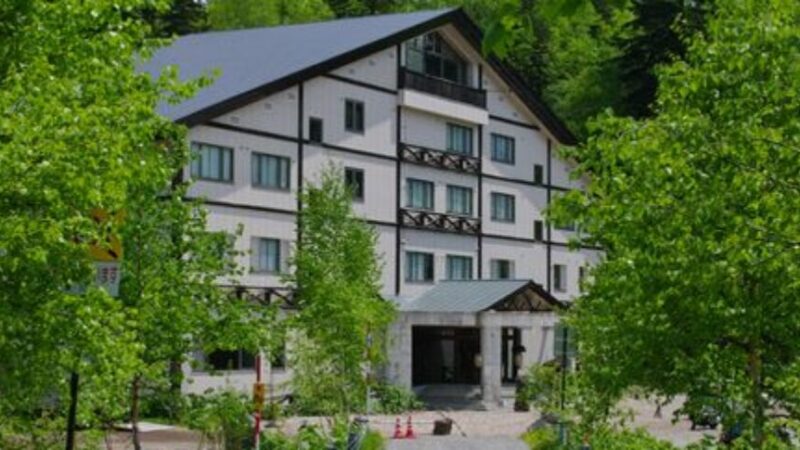
Hotel Bearonte (Formerly: Asahidake Bansei Kaku Hotel Bearonte)
The largest hotel in Asahidake Onsen. From the open-air bath, you can view the majestic form of Asahidake, and especially during the autumn foliage season, the view is magnificent.
Features:
- Spacious large public bath and open-air bath
- Buffet-style meals (using local ingredients)
- Early departure plans for climbers
- Day-use bathing available
Yumoto Yukomoranso
A long-established inn representing Asahidake Onsen, known for its source spring water flowing directly from the spring. There are eight bathing facilities, each offering different temperatures and atmospheres.
Features:
- 100% direct source spring water
- Varied bathing facilities (open-air bath, indoor bath, etc.)
- Kaiseki cuisine utilizing local ingredients
- Serene Japanese atmosphere
- Day-use bathing available
Hotel Diavalley
A relatively compact hotel with a charming, homey atmosphere. Reasonable pricing makes it suitable for extended stays.
Features:
- Milky white sulfuric spring
- Home-style meals
- Excellent services for climbers
- Lodging-only plans available
Lodge Nutapukaushipe
A mountain lodge-style inn popular with climbers. Though simple, it is clean and fully equipped with necessary facilities.
Features:
- Climber-friendly early morning service
- Reasonable pricing
- Homey atmosphere
- Lodging-only and two-meal plans available
Day-Use Hot Spring Bathing
Most of the above accommodation facilities accept day-use bathing.
Day-Use Bathing Guidelines:
- Charge: approximately 800-1,000 yen
- Hours: around 10:00-15:00 (varies by facility)
- ※Reception may be limited depending on congestion
Enjoy Spectacular Views by Asahidake Ropeway
Ropeway Overview
The Asahidake Ropeway, located within walking distance of Asahidake Onsen, is the highlight of Asahidake sightseeing. You can enjoy approximately 10 minutes of aerial scenery from the base station at 1,100m elevation to the Sugata-mi station at 1,600m elevation.
Operation Information:
- Operating Season: Year-round (excluding maintenance periods)
- Operating Interval: 20-minute intervals (on-demand during peak times)
- Travel Time: approximately 10 minutes
- Fare (Round-trip): Adults 3,200 yen, Children 1,600 yen (as of 2024)
Sugata-mi Pond Surrounding Trails
The “Sugata-mi Pond Walking Course,” approximately 1 hour on foot from Sugata-mi Station, is a popular course where even beginners can enjoy alpine plants and spectacular views.
Highlights:
- Sugata-mi Pond: Beautiful pond reflecting Asahidake
- Fumaroles: Experience the breath of Earth
- Alpine Plants: Ezo-no-tsugazakura, chinguruma, etc. (June-August)
- Autumn Foliage: Best viewed mid to late September
Wooden paths are well-maintained making walking easy, but the high elevation and changeable weather mean warm clothing and rain gear are essential.
Asahidake Climbing as a Base
Basic Information on Asahidake Climbing
Asahidake is Hokkaido’s highest peak (elevation 2,291m) and attracts many climbers. Asahidake Onsen is ideal as a lodging base before and after climbing.
Climbing Course:
- Sugata-mi Station → Asahidake Peak: One way approximately 2.5-3 hours
- Difficulty: Intermediate (rocky sections; beware sudden weather changes)
- Best Climbing Season: July-September
Notes on Climbing
- Equipment: Climbing boots, rain gear, warm clothing, map, compass, emergency food, water
- Weather: High mountain weather changes suddenly. Always check the morning weather forecast
- Physical Fitness: Approximately 700m elevation gain. Sufficient physical fitness and experience required
- Climbing Report: Must be submitted (online submission available)
Services for Climbers
Most accommodation facilities in Asahidake Onsen provide services for climbers:
- Early departure service (meal time adjustments, packed lunch preparation)
- Drying room for climbing equipment
- Climbing information provision
- Shuttle service (to ropeway station)
Attractions Through the Four Seasons
Spring (May-June)
A season of beautiful contrast between remaining snow and new greenery. Alpine plant flowering begins, and especially from late June, delicate flowers such as ezo-no-tsugazakura and chinguruma can be seen.
Ways to Enjoy This Season:
- Waterfalls and streams from snowmelt
- Spring alpine plant observation
- Relaxing at hot springs with fewer tourists
Summer (July-August)
The best climbing season. Alpine plants bloom in the greatest abundance, and flower meadows spread out. The high elevation ensures cool and comfortable weather even in midsummer.
Ways to Enjoy This Season:
- Asahidake climbing
- Peak season for alpine plants
- Hot springs as a summer retreat
- Early morning sea of clouds
Fall (September-October)
Japan’s earliest autumn foliage can be enjoyed. From mid-September, the Sugata-mi Pond area begins to change color, and by late September to early October, foliage descends to the base of the mountain.
Ways to Enjoy This Season:
- Japan’s earliest autumn foliage
- Autumn foliage hiking
- Clear autumn sky and hot springs
- Open-air bathing while viewing foliage
Autumn Foliage Peak Times:
- Sugata-mi Pond area: mid to late September
- Ropeway vicinity: late September to early October
- Asahidake Onsen area: early to mid-October
Winter (November-April)
Snowy landscapes characteristic of a heavy snowfall region spread out. Popular as a base for winter sports such as skiing, snowboarding, and snowshoeing.
Ways to Enjoy This Season:
- Asahidake Ski Resort (backcountry)
- Snowshoe hiking
- Frost flower observation
- Snow-viewing hot springs
- Stargazing (clear air)
Winter Precautions:
- Road snow and ice
- Poor visibility from blizzards
- Snow avalanche risk (special caution for backcountry)
Tourist Spots Around Asahidake Onsen
Tenjinkyo Onsen
Another secret hot spring approximately 30 minutes by car from Asahidake Onsen. The ravine beauty surrounded by columnar jointed cliffs is remarkable.
Hagoromo Falls
Located approximately 40 minutes on foot from Tenjinkyo Onsen, this is one of Hokkaido’s largest waterfalls with a drop of 270m. It is also selected as one of “Japan’s Top 100 Waterfalls.”
Asahikawa City Center
Approximately 1 hour 20 minutes by car from Asahidake Onsen. You can enjoy tourism and gourmet dining, including the Asahiyama Zoo and Asahikawa ramen.
Biei and Furano Area
Approximately 1.5-2 hours by car from Asahidake Onsen. Famous for beautiful hilly landscapes and summer lavender fields.
Tips for Enjoying Asahidake Onsen
What is the Best Season?
It depends on your purpose:
- For climbing: July-September (especially late July-August)
- For autumn foliage: mid-September to early October
- For skiing/snowboarding: December-May
- For relaxing hot springs: June or October (relatively uncrowded)
Recommended Accommodation Length
- Hot springs only: 1 night, 2 days
- Hot springs + ropeway sightseeing: 1 night, 2 days
- Hot springs + Asahidake climbing: 2 nights, 3 days (with time to spare)
- Hot springs + surrounding tourism: 2-3 nights, 3-4 days
Packing Checklist
Essential:
- Warm clothing (cold even in summer mornings and evenings)
- Rain gear
- Comfortable walking shoes
- Sunscreen (high elevation and strong UV rays)
Convenient to Have:
- Binoculars (bird watching)
- Camera (scenic photography)
- Insect repellent (summer)
- Trekking poles (hiking)
Reservation Tips
The autumn foliage season (mid-September to early October) is extremely crowded, making reservations from 3 months in advance recommended. Accommodations especially fill up quickly on weekends.
Reservations are relatively easy to obtain on weekdays, during the rainy season (June), and early winter (November), allowing for leisurely hot spring enjoyment.
Weather and Clothing at Asahidake Onsen
Temperature Guidelines
Located at 1,100m elevation, temperatures are 5-7°C lower than the plains.
- Summer (July-August): High around 20°C, low around 10°C
- Fall (September-October): High around 15°C, low around 5°C
- Winter (December-March): High around -5°C, low around -15°C
- Spring (April-June): High around 10°C, low around 0°C
Clothing Advice
Long sleeves essential even in summer:
Even in midsummer, mornings and evenings are cold, so bring warm clothing such as fleece or wind breakers.
Layering is fundamental:
Dress in layers that can be easily removed to adapt to temperature changes.
Complete winter protection necessary:
True winter can drop near minus 20°C, requiring ski suit-level cold protection.
Dining Information at Asahidake Onsen
Meals at Accommodation Facilities
Most accommodation facilities offer two-meal plans. You can enjoy cuisine utilizing local Hokkaido ingredients.
Representative Ingredients:
- Ezo deer meat
- Local vegetables
- Hokkaido rice
- Wild plants (seasonal)
Restaurants and Dining Halls
Only a limited number of eating establishments are available in the hot spring village. The base station of the Asahidake Ropeway has a light food corner where you can enjoy curry and ramen.
For more substantial dining experiences, meals at accommodation facilities are recommended.
Manners and Precautions at Asahidake Onsen
Hot Spring Etiquette
- Pour water on yourself before entering: Always rinse before entering the bath
- Do not put towels in the bath
- Those with long hair should tie it up
- Avoid bathing while intoxicated
- Avoid prolonged bathing (sulfuric springs have strong stimulation)
Consideration for the Natural Environment
- Always take trash with you
- Do not collect plants
- Do not leave hiking trails
- Do not feed wild animals
- Avoid loud voices (consideration for wildlife)
Bear Precautions
Daisetsuzan National Park is a habitat for bears. Pay attention to the following:
- Carry bear bells
- Avoid solo travel
- Especially caution during early morning and dusk hours
- Manage food carefully
- If encountering a bear, remain calm and back away slowly (do not run)
Asahidake Onsen Q&A
Q: Can I visit Asahidake Onsen on a day trip?
A: Yes, it’s possible. You can make a round trip by bus from Asahikawa Station, and some accommodation facilities accept day-use bathing. However, since bus frequency is limited, check the schedule in advance.
Q: Is it open in winter?
A: Yes, it is open year-round. However, road snow and ice occur during winter, so studded tires are essential. Road closures can occur on snowy days.
Q: Can families with children enjoy it?
A: Hot springs, ropeway, and the Sugata-mi Pond walking trail can be enjoyed by children. However, the high elevation and low temperatures require proper cold protection. Full-scale climbing is recommended for upper elementary school children and above.
Q: Can I use mobile phones?
A: Mobile signals from major carriers are available near accommodation facilities, but many areas in the mountains are out of service. It is recommended to report your travel plans in advance for emergency preparedness.
Q: Can I stay with pets?
A: Almost all accommodation facilities do not allow pets. Please confirm with each facility in advance.
Q: When is the autumn foliage peak?
A: Mid-September to early October is the peak. The Sugata-mi Pond area is best mid-September, and the base of the mountain is late September to early October. Timing varies slightly year to year, so check the latest information.
Q: Can I stay as a solo traveler?
A: Many accommodation facilities accept single occupancy, but some may require 2 or more guests during peak season. Advance confirmation and reservation are recommended.
Conclusion: Experience Ultimate Relaxation at Asahidake Onsen
Asahidake Onsen is a mountain hot spring resort nestled at the base of Hokkaido’s highest peak, embraced by pristine nature. High-quality sulfuric springs, spectacular scenery throughout the four seasons, activities such as climbing and hiking, and a quiet, serene atmosphere provide visitors with extraordinary experiences.
Step away from the hustle and bustle of daily life and spend luxurious time healing your body and mind in this separate world at 1,100m elevation—that is the privilege Asahidake Onsen offers.
While access takes some time, this has preserved untouched nature and tranquility. Whether you are a climber, tourist, or hot spring enthusiast, Asahidake Onsen is certain to satisfy with its abundant charms.
On your next vacation, visit Asahidake Onsen and experience Hokkaido’s grand nature and supreme hot springs. It will surely become an unforgettable memory.