Complete Guide to Sounkyo Onsen 2026 Edition | Thorough Explanation of History, Spring Quality, Access, and Four Seasons’ Charm
Located in the northeastern part of the Daisetsuzan mountain range, almost in the center of Hokkaido, Sounkyo Onsen is a premier mountain hot spring resort spread across high ground at an elevation of approximately 670 meters. At the foot of Daisetsuzan, which the Ainu people called “a garden where gods play,” overwhelmingly beautiful natural scenery and high-quality hot springs continue to captivate visitors. This article provides a comprehensive introduction to everything about Sounkyo Onsen, from its history and spring quality to its four-season attractions, access methods, and recommended ways to spend your time.
History and Development of Sounkyo Onsen
Journey from Discovery to the Present Day
The history of Sounkyo Onsen dates back to the Ansei era (1854-1860) during the late Edo period. It is said to have been discovered by Matsuda Ichitaro, who was the first Japanese to explore the Daisetsuzan mountain range, and Matsuura Takeshiro, a well-known Hokkaido explorer. However, full-scale development of the hot spring began between 1954 and 1960, making it a relatively new hot spring destination that has developed over time.
Initially known as a remote hot spring due to poor transportation, the improvement of roads and the opening of a ropeway made it increasingly popular as the gateway to Daisetsuzan National Park and as a base for climbing Mount Kurogane. Today, it boasts the largest scale among hot springs in the Daisetsuzan area and has become a representative hot spring destination of Hokkaido with nationwide recognition.
Transformation into a Canadian-Style Townscape
The characteristic scenery of Sounkyo Onsen town was created through large-scale townscape improvement projects conducted from the late 1980s to the 1990s. Western designs modeled after Banff, a mountain resort in Canada, were adopted, and stone buildings and unified architectural designs were developed. Through this initiative, the hot spring town transformed from a mere collection of lodging facilities into a walkable mountain resort.
The unique landscape created by the approximately 200-meter-high columnar jointed cliffs looming behind and the Western-style town design is a charm unique to Sounkyo Onsen, not found in other Hokkaido hot springs.
Spring Quality and Beneficial Effects of Sounkyo Onsen
Characteristics of the Hot Spring
The spring quality of Sounkyo Onsen is centered on simple sulfurous hot springs, characterized by clear, colorless, gentle hot water. It boasts an abundant water volume of 800 liters per minute, and many facilities offer source-fed bathing. The hydrogen sulfide odor characteristic of sulfurous springs is relatively mild, making it easy to enter even for first-time hot spring users.
Spring temperatures vary by source but generally range from 40 to 70 degrees Celsius, adjusted to appropriate temperatures at each facility. The pH value is weakly alkaline to neutral, gentle on the skin, and resistant to fatigue even with prolonged bathing.
Expected Beneficial Effects
The simple sulfurous hot springs of Sounkyo Onsen are expected to have the following therapeutic effects.
General therapeutic applications:
- Muscle pain and joint pain
- Neuralgia
- Frozen shoulder
- Motor paralysis
- Joint stiffness
- Bruises and sprains
- Chronic digestive disorders
- Hemorrhoids
- Cold sensitivity
- Post-illness recovery period
- Fatigue recovery
- Health improvement
Beneficial effects specific to sulfurous springs:
- Rheumatic diseases
- Diabetes
- Hypertension
- Arteriosclerosis
- Chronic skin diseases
- Chronic gynecological diseases
- Beautifying skin effects
In particular, sulfur components have vasodilatory and metabolism-promoting effects, making them effective for improving cold sensitivity and recovering from fatigue. Additionally, due to the action of softening skin keratin, it is known as a “beauty hot spring,” and the skin becomes smooth and silky after bathing.
Spectacular Scenery and Natural Charm of Sounkyo
Impressive Columnar Jointed Cliffs
Indispensable when discussing Sounkyo Onsen is the columnar jointed cliff walls that surround the hot spring town. This landform, created by volcanic activity approximately 30,000 years ago, achieved its current appearance through the long-term erosion of the Ishikari River.
The landscape of columnar rock walls extending to heights of approximately 200 meters is truly a work of art created by nature. The areas called Daibako (Great Box) and Kobako (Small Box) are particularly well-known as scenic spots representing Sounkyo. The spectacle of vertically cut rock faces and the clear stream flowing between them leaves a strong impression on visitors.
Ginga Waterfall and Ryusei Waterfall
Sounkyo is home to famous waterfalls selected for “Japan’s One Hundred Best Waterfalls.” Ginga Waterfall has a drop of 120 meters and is also called the “female waterfall” due to its delicate, silky appearance. Meanwhile, Ryusei Waterfall drops 90 meters and is called the “male waterfall” for its powerful, single-stream flow.
From the Souhaku-dai observation platform, both waterfalls can be viewed simultaneously, allowing visitors to enjoy their contrasting beauty. Particularly from spring through early summer when water volume is high, the impact increases, and visitors can enjoy forest bathing while absorbing abundant negative ions.
Kurogane Ropeway and Daisetsuzan’s Natural Environment
Sounkyo Onsen plays an important role as the gateway to Daisetsuzan climbing. Using the Kurogane Ropeway, visitors can reach the fifth station at an elevation of 1,300 meters in just seven minutes. By transferring to a pair lift, you can reach the seventh station at 1,520 meters, from which Mount Kurogane’s summit (1,984 meters) is approximately 1.5 hours on foot.
Walking trails are maintained around the fifth station building, allowing visitors to enjoy alpine flora and grand scenery without mountaineering equipment. With luck, you may encounter wild animals such as red-bellied squirrels and pikas.
Sounkyo Onsen Through the Four Seasons
Spring (April–June): Season of Snow Melt and Fresh Greenery
Spring in Sounkyo is a season when new life sprouts with the snow melt. From late April through May, the contrast between remaining snow and fresh greenery is beautiful, and waterfalls are abundant and powerful. From late May through June, alpine plants bloom successively, and around Mount Kurogane, delicate flowers such as skunk cabbage and alpine bistorta can be observed.
This period has relatively few tourists and is a hidden gem season for leisurely enjoying hot springs and nature.
Summer (July–August): Prime Season for Climbing and Escaping the Heat
Summer in Sounkyo Onsen becomes busy with the arrival of climbing season. Due to its high elevation, it remains cool even in midsummer and is ideal as a summer retreat. Even when lowlands exceed 30 degrees, Sounkyo maintains a comfortable temperature around 25 degrees.
From July through August, the alpine flora of the Daisetsuzan mountain range reaches peak bloom. Colorful flowers such as Ezo cuckoo flower, cottonsedge, and alpine azalea paint the high mountain zone. This period is also ideal for strolling forest paths along the ravine, where visitors can enjoy forest bathing while absorbing abundant negative ions.
Autumn (September–October): Japan’s Earliest Autumn Foliage
The greatest attraction of Sounkyo Onsen is undoubtedly Japan’s earliest autumn foliage. From early September, the peaks of Daisetsuzan begin to turn colors, with the area around Mount Kurogane reaching peak foliage from mid to late September. Foliage around the hot spring town reaches its peak from early to mid-October.
The “brocade autumn” landscape created by the crimson of rowan, golden birch, and deep green dwarf pine is absolutely spectacular. In particular, the contrast between columnar jointed rock walls and foliage can only be seen at this time of year. The panorama of autumn foliage viewed from the ropeway is sure to become a lifetime memory.
During this period, many tourists from across Japan visit, so advance reservations for accommodations are essential.
Winter (November–March): Ice Sculpture Festival and Snowy Scenery
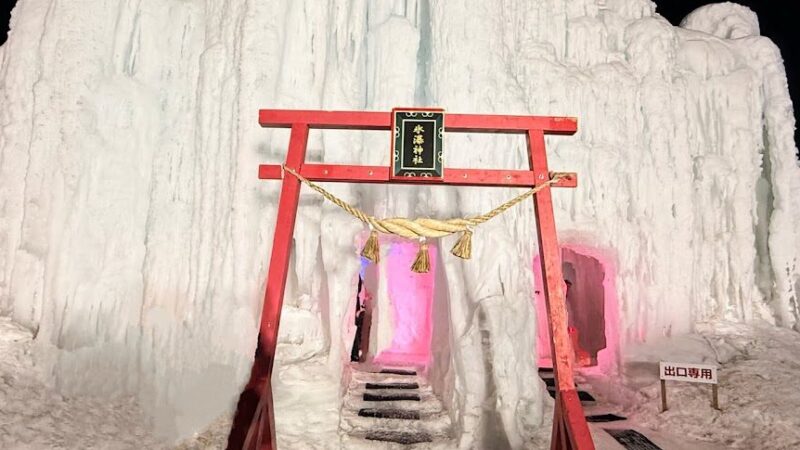
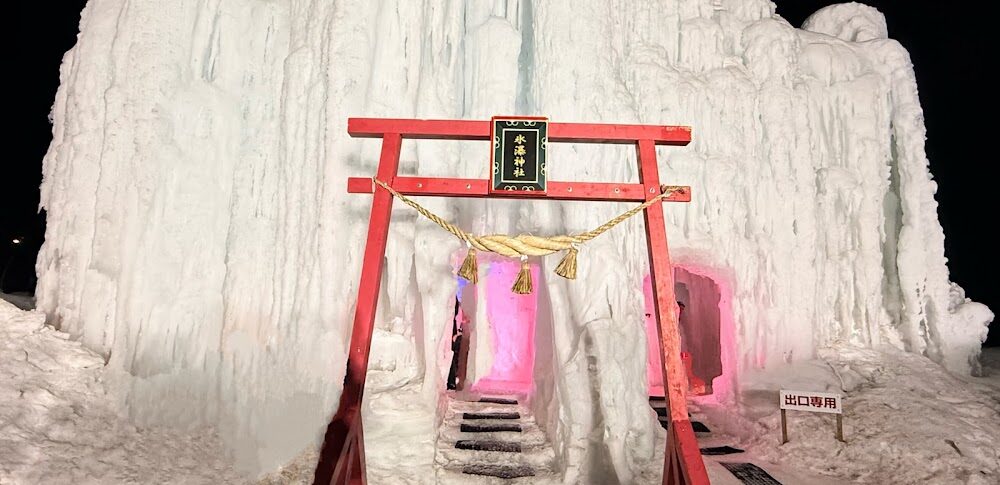
Winter in Sounkyo brings harsh cold and wraps the area in fantastical snowy landscapes. The major event is the “Sounkyo Onsen Hyohaku Matsuri (Ice Sculpture Festival)” held from late January through mid-March every year.
This event features giant ice sculptures and ice structures created by freezing Ishikari River water, filling the venue. Towering ice pillars over 10 meters high, ice tunnels, ice temples, and more create a fantastic world made entirely of ice and snow. Nighttime colorful illumination creates an entirely different, mystical atmosphere from daytime.
The venue features ice slides and ice climbing experience corners, offering activities enjoyed by all ages. Warm beverages and local food stalls provide warmth for the body. Winter in Sounkyo can drop below minus 20 degrees Celsius, but the clear air and starry skies, combined with the warmth of hot springs, are incomparable. Outdoor bathing in snow-covered landscapes is a luxurious experience unique to Sounkyo in winter.
Access Methods to Sounkyo Onsen
Access by Air
From Asahikawa Airport:
- Approximately 90 minutes from Asahikawa Airport to Sounkyo Onsen
- Direct buses operated by Dohoku Bus (reservation required, seasonal operation)
- By rental car via Route 39, approximately 85 km
From New Chitose Airport:
- Approximately 3 hours 30 minutes from New Chitose Airport to Sounkyo Onsen
- Via Sapporo by highway bus is common
- By rental car via Doen expressway, approximately 200 km
Access by Rail and Bus
From Sapporo:
- Limited express from JR Sapporo Station to Asahikawa Station (approximately 1 hour 30 minutes)
- From Asahikawa Station by Dohoku Bus to Sounkyo Onsen (approximately 1 hour 50 minutes)
- Or use direct highway bus “Sounkyo Kamikawa Line” from Sapporo (approximately 3 hours 30 minutes)
From Asahikawa:
- From JR Asahikawa Station by Dohoku Bus to Sounkyo Onsen (approximately 1 hour 50 minutes)
- Several daily services; checking the timetable is recommended
From Kamikawa Station:
- From JR Kamikawa Station by Dohoku Bus to Sounkyo Onsen (approximately 30 minutes)
- Limited service; checking the timetable in advance is recommended
Access by Car
From Sapporo area:
- Exit Doen expressway at Asahikawa Takasu IC, proceed north on Route 39 approximately 70 km (approximately 1 hour 20 minutes)
- Winter road conditions require caution due to ice and snow
From Asahikawa area:
- North on Route 39 toward Kamikawa approximately 65 km (approximately 1 hour 10 minutes)
Parking at Sounkyo Onsen town:
- Parking available at each lodging facility (most free)
- Public parking facilities for day-use bath visitors
Access Precautions
From November through April, road conditions change drastically due to snowfall and surface ice. Public transportation delays and suspensions are common, making time flexibility important. When driving, always use winter tires (studless tires) and carry chains.
Also, during the ice festival period in winter, temporary bus services may increase from Sapporo and Asahikawa, so checking the tourism association’s website for the latest information is recommended.
Recommended Accommodations at Sounkyo Onsen
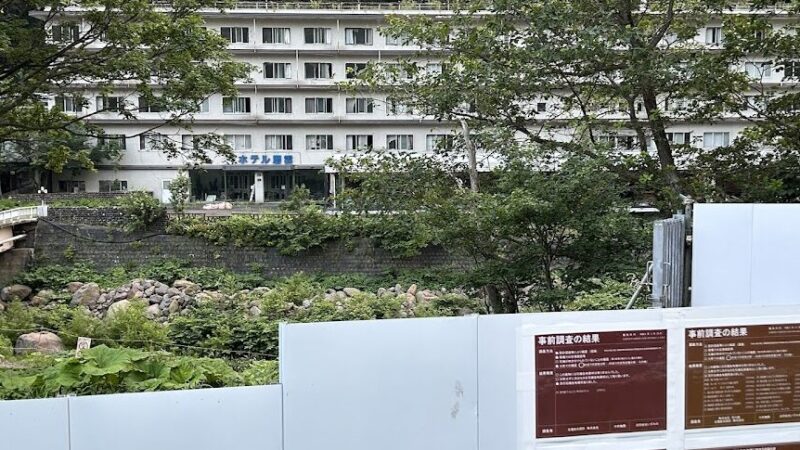
Sounkyo Kanko Hotel
This inn boasts a large outdoor bath suitable for family bathing. The spacious outdoor bath offers panoramic views of Sounkyo’s ravine, allowing bathing while enjoying nature through the four seasons. The buffet-style meals feature abundant Hokkaido seafood and mountain delicacies, with grilled steak, crab, and salmon roe being particularly popular.
The hotel has abundant family-oriented rooms, providing peace of mind for guests with small children. The facility also features a gift shop and game corner among other amenities.
Sounkyo Asahitei
A large resort hotel operated by the Noguchi Kanko Group. The facility features multiple bathhouses, each offering a different atmosphere for enjoying hot springs. The observation bath on the top floor offers spectacular views, overlooking Sounkyo’s natural wonders.
Rooms come in various types including Japanese, Western, and combined Japanese-Western style, accommodating diverse needs including groups, couples, and families. Meals can be chosen between buffet and kaiseki-style, with cuisine featuring Hokkaido ingredients.
Hotel Taisetsu ONSEN & CANYON RESORT
A modern atmosphere resort hotel that reopened in 2019. Its “CANYON” concept interior design is refined and appeals to younger generations.
The hot spring features a large bath and outdoor bath, with the outdoor bath offering exceptional openness. Nighttime stargazing while bathing is also possible. Cuisine centers on creative dishes utilizing local ingredients, featuring Hokkaido flavors with contemporary arrangements.
Sounkyo Sounkaku Grand Hotel
One of the long-established hotels representing Sounkyo Onsen. It is supported across various age groups for combining traditional hospitality with modern comfort.
The hot spring features a source-fed large bath and an outdoor bath overlooking the ravine. The outdoor bath offers close views of columnar jointed cliffs, providing uniquely Sounkyo scenery. Meals are primarily kaiseki-style, featuring delicate cuisine using Hokkaido seasonal ingredients.
Minshuku and Pensions
Beyond large hotels, various minshuku and pensions with welcoming atmospheres are available. These provide affordable accommodation popular with climbers and backpackers. The close relationship with owners and availability of local information is another attraction.
Enjoying Day-Use Hot Springs
At Sounkyo Onsen, you can enjoy hot spring bathing without lodging. Many hotels accept day-use bathing, with fees generally ranging from 500 to 1,500 yen.
Tips for Day-Use Bathing
Operating hours:
- Most facilities accept visitors from noon to around 3 PM
- Hours vary by facility, requiring advance confirmation
Fees:
- Adults: 500–1,500 yen approximately
- Children: 300–800 yen approximately
- Towel rental: Additional 100–300 yen approximately
Recommended occasions:
- Fatigue recovery after climbing or hiking
- Brief stops during drives
- Refreshment during sightseeing
Day-use bathing typically allows access to large baths only, with outdoor baths reserved for overnight guests at many facilities. Pre-confirmation is recommended. Additionally, bathing restrictions may apply during busy times, so arriving with time to spare is advisable.
Tourist Attractions Near Sounkyo Onsen
Daisetsuzan National Park
Sounkyo Onsen is positioned at the gateway to Daisetsuzan National Park. Japan’s largest national park, Daisetsuzan National Park spans approximately 230,000 hectares, preserving pristine natural environments.
Mountains of 2,000+ meters elevation form a continuous range, creating the landscape called “a garden where gods play.” Known as a treasure trove of alpine flora, approximately 250 alpine plant species grow naturally. The park is also home to diverse wildlife including brown bears, Ezo deer, and red foxes—a natural paradise.
Daibako and Kobako
Representative scenic spots of Sounkyo, Daibako and Kobako are areas where columnar jointing is particularly beautiful. Daibako features approximately 200-meter-high cliffs closing in from both banks, offering overwhelming scale. Kobako is a relatively narrow ravine where rock walls and clear streams weave delicate beauty.
Unfortunately, following a rockfall accident in 2021, access restrictions have continued for safety, though the grandeur can still be appreciated from distant viewing points. Future reopening after safety measures are eagerly awaited.
Sounkyo Visitor Center
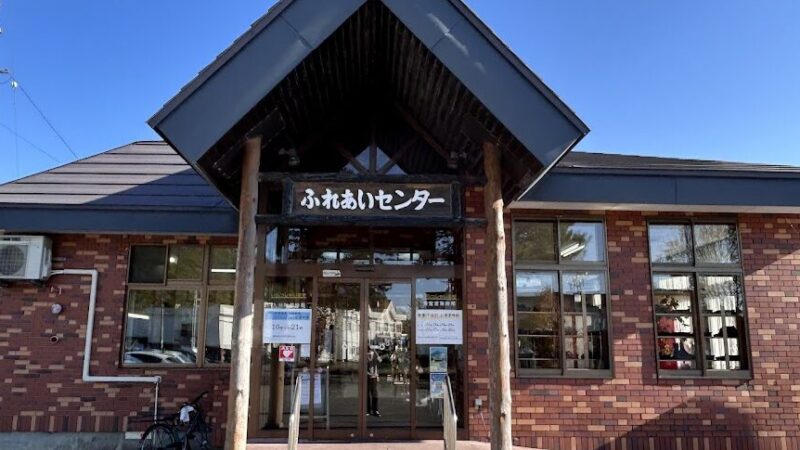
A facility for learning about Daisetsuzan National Park’s natural features, history, and climbing information. The building contains displays introducing Daisetsuzan’s four seasons, specimens of flora and fauna, and topographical models—ideal for gathering information before hiking or climbing.
Experienced staff are on-site offering advice on climbing plans, current weather information, and trail conditions. Free admission with rest space available makes stopping by during tourism activities recommended.
Sounkyo Daisetsuzan Photography Museum
A museum primarily displaying works by photographer Takaetsu Ichioneii, who has continually photographed Daisetsuzan’s natural features. Magnificent photographs capturing the four-season expressions of Daisetsuzan enthrall viewers.
Through photographs, visitors can appreciate both the beauty and severity of Daisetsuzan’s nature, heightening anticipation for coming exploration. The facility also features an on-site cafe allowing leisurely coffee enjoyment after viewing.
Ways to Spend Your Time and Model Courses at Sounkyo Onsen
One-Night, Two-Day Model Course
Day 1:
- 12:00 Arrival at Sounkyo Onsen, check-in
- 13:00 Lunch followed by information gathering at Visitor Center
- 14:00 Kurogane Ropeway to fifth station, forest path strolling
- 16:00 Return to town for sightseeing
- 17:00 Hot spring bathing at accommodation
- 18:00 Dinner (savoring Hokkaido flavors)
- 20:00 Evening walk or additional bathing
Day 2:
- 6:00 Early morning bathing (bathed in sunrise)
- 7:30 Breakfast
- 9:00 Check-out
- 9:30 Viewing Ginga and Ryusei Waterfalls
- 11:00 Photography Museum visit
- 12:00 Lunch before departure
Day-Trip Model Course
For morning arrival:
- 10:00 Sounkyo Onsen arrival
- 10:30 Kurogane Ropeway to fifth station
- 12:00 Lunch in town
- 13:30 Ginga and Ryusei Waterfall viewing
- 14:30 Day-use hot spring bathing
- 16:00 Departure
Two-Night, Three-Day Course Including Climbing
Day 1:
- Afternoon arrival, relaxation in hot spring
- Early bedtime in preparation for next day climbing
Day 2:
- Early morning Mount Kurogane climb (6–8 hours round trip)
- Hot spring bathing to relieve fatigue after descent
- Dinner for nutritional replenishment
Day 3:
- Leisurely awakening with morning bath
- Enjoy nearby tourism before departure
Tips for Enjoying Sounkyo Onsen
Clothing and Belongings
Spring and autumn:
- Early morning and evening chill require fleece or jacket
- Layered clothing recommended
- Camera essential during foliage season
Summer:
- Despite hot daytime, mornings and evenings are cool, requiring long sleeves
- Hiking boots, rain gear, and cold-weather clothing essential for climbing or hiking
- Insect repellent spray convenient
Winter:
- Complete cold-weather gear required (down jacket, gloves, hat, scarf)
- Non-slip winter shoes or boots
- Disposable hand warmers effective in ice festival venue
Best Seasons and Reservation Tips
Foliage season (mid-September–early October):
- Most popular season with accommodations often fully booked 2–3 months prior
- Early reservations essential
- Weekends particularly crowded; weekdays recommended
Ice Festival period (late January–mid-March):
- Winter’s popular event with weekend crowds
- Thorough cold-weather preparation essential
- Numerous day-trip tours from Sapporo and Asahikawa
Hidden gem seasons:
- Late May–June: Beautiful fresh greenery with fewer crowds
- November: Post-foliage with relatively affordable rates
Dining and Cuisine
Sounkyo Onsen features cuisine utilizing Hokkaido ingredients. Beyond accommodation meals, several restaurants exist in town.
Recommended cuisine:
- Ezo deer dishes: Popular as game, low-calorie and high-protein
- Rainbow trout: Fresh locally farmed fish
- Wild mountain vegetables: Available spring through early summer
- Hokkaido beef: Tender and juicy
- Local sake: Kamikawa regional sake and craft beer
The town features izakayas, ramen shops, and cafes offering Hokkaido flavors beyond accommodation meals.
Annual Events at Sounkyo Onsen
Sounkyo Onsen Ice Sculpture Festival (late January–mid-March)
A representative Hokkaido winter event attracting approximately 150,000 visitors annually. Giant ice sculptures and structures created by freezing Ishikari River water fill the venue, with colorful nighttime illumination creating a fantastical world.
Various events occur during the period including Ainu folk dance performances, fireworks, and sake tasting in ice vessels. The venue is accessible by foot from town in approximately five minutes.
Sounkyo Gorge Fire Festival (late July)
A summer night fireworks display. Fireworks light the Sounkyo ravine with sound echoing off rock walls, creating spectacular sight and sound. Approximately 1,000 fireworks illuminate the night sky, enveloping the town in festival atmosphere.
Foliage Festival (late September–early October)
Festival events during foliage season. Various attractions and local food stalls operate. Special ropeway operations at early morning and nighttime allow enjoying unusual foliage viewing times.
Daisetsuzan Autumn Foliage Trekking (September)
Guided trekking tours organized by Sounkyo Tourism Association and local guide organizations. Experienced guides safely conduct foliage trekking. Various course difficulty levels from beginner to advanced are available.
Precautions and Etiquette for Sounkyo Onsen
Consideration for Natural Environment
Sounkyo is a valuable natural environment within Daisetsuzan National Park. Follow these rules respecting nature.
- Always remove litter
- Do not collect or damage plants
- Do not feed or approach wild animals closely
- Stay within designated trails and climbing routes
- Use fire only in designated areas
Brown Bear Safety
The Daisetsuzan area is brown bear habitat. Observe these precautions when hiking or climbing.
- Carry noise-making items like bear bells or radios
- Avoid solo travel during early morning or dusk
- Use sealed containers for food items, being mindful of odors
- Return if you discover bear signs (tracks, droppings)
- Consider carrying bear spray
Hot Spring Etiquette
- Always wash thoroughly before bathing (rinse body)
- Do not place towels in bathwater
- Tie up long hair
- Avoid bathing while intoxicated
- Avoid loud conversation and running
- Photography often prohibited
Winter Precautions
- Monitor surface ice and reduced visibility from snow
- Ensure complete cold-weather preparation before going outside
- Walk carefully in ice festival venue where ice is slippery
- Take regular breaks during extended outdoor time to prevent hypothermia
Future of Sounkyo Onsen and Sustainable Tourism
Sounkyo Onsen pursues initiatives balancing natural environment preservation and tourism promotion. Townscape renewal incorporates environmentally-conscious design with energy-efficient equipment and waste reduction.
To prevent overtourism, efforts focus on dispersing visitor distribution and promoting extended-stay tourism. Proposals for multi-night stays slowly enjoying Daisetsuzan’s nature and promoting appeal during low seasons are underway.
Inheriting and sharing Ainu culture is an important theme. Daisetsuzan has long been sacred to Ainu people, and providing opportunities to learn their culture and history promotes deeper understanding and respect.
Conclusion: Fully Enjoy Sounkyo Onsen’s Charm
Sounkyo Onsen is a premier Hokkaido hot spring destination where magnificent natural beauty, high-quality hot springs, and four-season attractions converge. Located at 670 meters elevation at the foot of Daisetsuzan, called “a garden where gods play,” visitors experience unity with nature impossible in urban environments.
Approximately 200-meter columnar jointed cliffs, Ginga and Ryusei waterfalls selected for “Japan’s One Hundred Best Waterfalls,” Japan’s earliest autumn foliage, and a fantastical ice sculpture festival each season reveals entirely different expressions. Simple sulfurous hot spring waters are gentle on skin with expected fatigue recovery and skin-beautifying effects, while bathing overlooking spectacular scenery provides blissful moments.
Relatively good accessibility from Sapporo and Asahikawa enables both day trips and overnight stays. As a climbing base, summer retreat, foliage-viewing destination, and winter ice event venue, diverse purposes can be accommodated.
When visiting Sounkyo Onsen, remember environmental conservation commitments, practicing sustainable tourism. Preserving this magnificent nature and hot spring gift for future generations is our visitor responsibility.
Spectacular scenery woven by Hokkaido’s grand nature and healing hot spring blessings—Sounkyo Onsen is a special place for forgetting daily life, facing nature genuinely, and truly refreshing mind and body. Please visit “the garden where gods play” once, experiencing its charm firsthand. With different seasonal beauty, discoveries and emotion await with every visit.